Why Saving Water Saves the Planet
Why Saving Water Saves the Planet
Water is precious, yet every day vast amounts of it go to waste. By saving water, we do more than just cut down on our bills; we play a critical role in preserving the environment. This isn’t just about having enough to drink; it’s about sustaining our ecosystems, reducing energy consumption, and combating climate change. Every drop saved helps maintain the balance of natural resources that all life on Earth depends on. Understanding how our daily water use impacts the planet is the first step towards a sustainable future. Let’s look at why saving water is crucial for protecting our world.
What You’ll Discover
Understanding the Global Water Crisis
The Environmental Impact of Water Usage
Reducing Waste in Daily Life
Feeding the World More Sustainably
Industrial Water Use and Conservation
Climate Change and Water Scarcity
How Collective Efforts Make a Difference
Shaping a Sustainable Water Future

Understanding the Global Water Crisis
Water scarcity is a critical issue facing many parts of the world today. As a finite resource, water is essential for life, supporting ecosystems, human health, and economies. However, its availability is limited and unevenly distributed, leading to significant challenges globally.
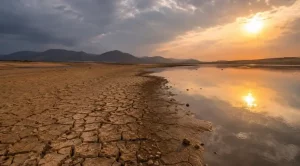
The essence of water scarcity is that the demand for water exceeds the supply. This can be due to a variety of factors, including population growth, increased agricultural needs, industrial usage, and environmental changes. Climate change, in particular, exacerbates the situation by altering weather patterns, reducing rainfall in some areas, and leading to more frequent and severe droughts.
Areas most affected by water shortages are often those with arid climates, such as parts of Africa, the Middle East, and Central Asia. In these regions, the lack of water is a significant barrier to development. People struggle with basic needs such as drinking, cooking, and sanitation, which in turn impacts health and food production. Economically, water scarcity can hinder agricultural productivity, reduce energy production in hydroelectric facilities, and deter industrial activities.
The implications of water shortages are profound and multi-dimensional. Locally, communities may experience conflict over water resources, leading to social unrest. Health issues can arise from inadequate water supplies and poor water quality, increasing the incidence of diseases like cholera and dysentery. On a global scale, water scarcity can lead to migration as people move in search of better conditions, which can create regional instabilities.
Furthermore, water scarcity has a cascading effect on global food and energy markets. As agriculture consumes about 70% of the global freshwater supply, any reduction in water availability can lead to decreased agricultural outputs and higher food prices. This not only affects the regions directly impacted but also global markets, linking distant economies and communities through the shared need for water.
Addressing water scarcity requires a coordinated effort to manage water resources more effectively, improve water conservation and efficiency, and invest in technologies for water recycling and desalination. It also involves addressing broader environmental issues such as climate change, which is a key driver of water scarcity. Recognising water as a finite and precious resource is essential for ensuring its sustainability for future generations.
The Environmental Impact of Water Usage
Excessive water use has severe consequences for our ecosystems and leads to environmental degradation. When we use more water than what is replenished naturally, it affects everything from small streams to large rivers and underground aquifers.
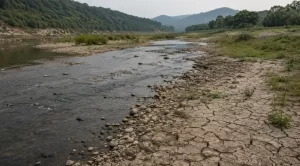
Firstly, the depletion of natural water bodies is a significant problem. Lakes, rivers, and wetlands can dry up when too much water is extracted. This change disrupts the natural habitats of many species. For instance, fish, amphibians, and plants that rely on specific water conditions can die off or migrate, disrupting the food chain and biodiversity.
Aquatic life suffers greatly from excessive water use. When water levels in rivers and lakes drop, the remaining water heats up more quickly. Warmer water holds less oxygen, which aquatic animals need to survive. This can lead to large-scale die-offs of fish and other organisms, impacting not just the ecosystem’s health but also local fishing industries that depend on these resources.
Lowered water tables are another critical issue. Groundwater, which is the water stored beneath the earth’s surface, is being pumped out for agricultural, industrial, and domestic use at unsustainable rates. As the water table drops, it becomes more difficult and expensive to access water. Additionally, the drying up of wells can lead to the land above them sinking, a process known as subsidence, which damages buildings and roads.
The effects of reduced groundwater are also felt by surface vegetation. Plants that depend on shallow water tables for their roots to access moisture will struggle to survive as these levels drop. This leads to poorer soil quality and less vegetation cover, increasing the risk of soil erosion. Erosion can carry pollutants into rivers and lakes, further harming aquatic ecosystems.
Excessive water use disrupts the natural balance of ecosystems. It threatens the survival of various species, degrades natural landscapes, and affects human communities that depend on these water sources. Conserving water and managing it wisely is crucial to protecting our planet’s health and biodiversity.
Reducing Waste in Daily Life
Saving water at home is easier than you might think, and it makes a big difference for our planet. Here are some practical tips to help you conserve water in your daily routines:
1. Fix leaks promptly: A dripping faucet or a leaking toilet can waste a surprising amount of water—sometimes hundreds of gallons a month. Regularly check your plumbing and fix leaks as soon as you spot them.
2. Install water-efficient appliances: When it’s time to replace appliances like washing machines and dishwashers, opt for models that are designed to save water. Look for the Energy Star label, which often highlights both energy and water efficiency.
3. Take shorter showers: Try to keep your showers under 5 minutes. You can also install a low-flow showerhead to reduce water use without sacrificing pressure.
4. Turn off the tap: Don’t leave the water running while brushing your teeth or shaving. This simple habit can save gallons of water every day.
5. Use a bowl for washing up: Instead of running the tap continuously when washing dishes by hand, fill a basin with water. This method can cut down water use significantly.
6. Run full loads: Whether you’re using the dishwasher or washing machine, make sure it’s a full load. This maximises efficiency and reduces the number of cycles you run each week.
7. Water plants wisely: Use a watering can instead of a hose for your plants, and water them during the cooler parts of the day to minimise evaporation. Collect rainwater in a barrel to use for your garden, which is not only efficient but also better for your plants as it’s free of chlorine and other chemicals.
8. Reuse water when possible: Consider reusing lightly used water – like the water you use to rinse fruits and vegetables – to water house plants.
These steps are simple but effective. By incorporating them into your daily life, you can significantly reduce your household’s water consumption, save on your water bill, and contribute positively to conserving this vital resource.
Feeding the World More Sustainably
In the agricultural sector, optimising water use is crucial for sustainability and conservation. Here are some effective strategies and innovative irrigation techniques that help farmers grow crops with less water:
1. Drip Irrigation: This method delivers water directly to the base of a plant through tubes or pipes with small holes. It minimises evaporation and runoff, making it extremely water-efficient. Drip irrigation is particularly effective in arid regions and for crops that require precise water management.
2. Scheduled Irrigation: Timing irrigation to match the specific water needs of plants during their growth cycle can reduce water wastage significantly. Using soil moisture sensors and weather forecasts can help determine the best times to water, ensuring that plants get water only when they need it.
3. Rotational Grazing: This technique involves moving livestock between pastures to allow grass to recover and grow back. This practice not only maintains healthy pastures but also improves soil quality and moisture retention, reducing the need for supplemental watering.
4. Mulching: Applying a layer of mulch around crops helps retain soil moisture, suppress weeds, and reduce the need for frequent watering. Organic mulches like straw or wood chips also enrich the soil as they decompose.
5. Rainwater Harvesting: Collecting and storing rainwater to irrigate crops is a practical and eco-friendly solution. This technique can significantly reduce dependence on groundwater or surface water sources.
6. Cover Crops: Planting cover crops like clover or rye in the off-season helps improve soil health. These plants add organic matter to the soil, improve its structure, and increase its ability to retain water.
7. Precision Agriculture: Utilising advanced technologies like GPS and data analytics can optimise planting strategies and water use. Precision agriculture helps in applying the exact amount of water and nutrients needed by crops, reducing waste.
By adopting these water-smart practices, farmers can not only conserve water but also enhance the sustainability of their agricultural operations. These methods help ensure that water is used judiciously, benefiting the environment and leading to more resilient farming systems.
Industrial Water Use and Conservation
Industrial water use plays a significant role in water scarcity, as many factories and plants consume vast amounts of water for manufacturing, cooling, and processing. Recognising this impact, industries are increasingly adopting innovations to reduce water consumption and improve recycling processes.
1. Water Recycling and Reuse: Many industries are now using advanced filtration and treatment systems to clean wastewater so it can be reused within their own processes. This not only conserves water but also reduces the volume of wastewater discharged into the environment.
2. Process Optimisation: Companies are investing in technology to optimise their water use. For instance, using precision monitoring tools, industries can accurately measure water usage in real time, identify leaks, and adjust processes to minimise waste.
3. Cooling System Upgrades: Traditional industrial cooling processes are water-intensive. However, new technologies like closed-loop systems recycle cooling water instead of constantly drawing fresh supplies. This method drastically cuts down on water usage.
4. Dry Cooling Technologies: Some industries are shifting to dry cooling technologies, especially in power generation and manufacturing processes. Unlike traditional methods that evaporate water to cool machinery, dry cooling uses air, which significantly reduces water consumption.
5. Rainwater Harvesting: Industrial facilities with large roof areas are ideal for rainwater harvesting. Collected rainwater can be used for various non-potable applications, reducing the demand for local water resources.
6. High-Efficiency Equipment: Upgrading to high-efficiency equipment that uses less water for the same or increased production is another effective strategy. For example, new models of boilers and cooling towers are designed to operate with less water.
By implementing these technological and process-oriented innovations, industries can play a crucial part in tackling water scarcity. Such practices not only help conserve one of our most critical natural resources but also promote sustainable industrial growth and environmental stewardship.
Climate Change and Water Scarcity
Water conservation is a powerful tool in the fight against climate change, largely because saving water reduces energy consumption and greenhouse gas emissions. Here’s how this connection works:
1. Reducing Energy for Water Pumping and Delivery: Water must be pumped from its source, treated, and transported to where it’s needed, which all require energy. By conserving water, we decrease the amount of water that needs to go through this process. Less water pumped means less energy used, which translates to lower greenhouse gas emissions from power plants.
2. Lowering Energy Used in Heating Water: A lot of the water we use needs to be heated, whether for showers, washing dishes, or industrial processes. Heating water consumes a significant amount of energy, mostly from natural gas or electricity. When we use less hot water, we save on the energy required to heat it, thereby cutting down on emissions.
3. Enhancing Water Efficiency: Updating infrastructure and appliances to more water-efficient models reduces the demand for water and the energy needed to supply and treat it. For instance, modern, efficient dishwashers and washing machines use less water and energy, which helps in reducing one’s carbon footprint.
4. Supporting Sustainable Water Sources: Methods like rainwater harvesting and using recycled water reduces reliance on traditional water sources, which often require extensive energy to utilise. By using these alternative sources, energy use is minimised, contributing less to greenhouse gas emissions.
5. Impact on Agricultural Practices: In agriculture, using water-saving techniques like drip irrigation not only conserves water but also reduces the dependency on energy-intensive water pumping systems. This shift results in lower carbon emissions from agricultural operations.
By conserving water, we can significantly impact energy consumption across various sectors, leading to a reduction in greenhouse gas emissions. This makes water conservation a key strategy in mitigating climate change, showing how interconnected our use of natural resources is with the health of our planet.
How Collective Efforts Make a Difference
Community-based initiatives play a crucial role in water conservation, demonstrating how collective action can lead to significant results. By coming together, communities can implement effective water-saving measures that make a real difference. Here are a few inspiring examples:
1. Rajendra Singh’s Rainwater Harvesting in Rajasthan, India: Often called “the water man of India,” Rajendra Singh helped revive ancient rainwater harvesting techniques in the arid state of Rajasthan. Through building johads (small earthen dams), his efforts replenished local aquifers and restored five rivers that had been dry for decades. This not only improved water availability but also supported local agriculture and ecosystems.
2. Fog Harvesting in Morocco: In the mountains near Sidi Ifni, communities have turned to fog harvesting to tackle water scarcity. Large mesh nets capture water droplets from the fog, which then condenses and collects in reservoirs. This innovative method provides a sustainable water source for drinking and irrigation, benefiting hundreds of local residents.
3. Water Conservation in Southern California, USA: Facing frequent droughts, Southern California has implemented various community-led water conservation programs. These include incentives for homeowners to replace lawns with drought-tolerant landscaping, rebates for water-efficient appliances, and educational programs about water conservation. As a result, the region has seen a significant reduction in water usage despite population growth.
4. The Phayao Lake Co-management in Thailand: In Phayao Province, local communities, government, and NGOs collaborated to manage the watershed of Phayao Lake. This co-management helped implement water-saving irrigation techniques and promoted sustainable fishing practices. The initiative has not only improved water quality but also enhanced the local fish population, benefiting the entire community.
These examples show that when communities unite to address water conservation, they can implement innovative solutions that cater to their specific environmental and cultural contexts. Such collective actions not only save water but also build community resilience against future water-related challenges.
Shaping a Sustainable Water Future
Government policies and innovations play a pivotal role in securing a sustainable water future. Through regulations, incentives, and the adoption of new technologies, governments can effectively manage water resources and encourage conservation.
Current Regulations: Many countries have regulations aimed at controlling water usage and protecting water quality. These might include limits on water withdrawals from rivers and aquifers, standards for treating wastewater before it’s released back into the environment, and restrictions on pollutants that can be discharged into water bodies. For example, the Clean Water Act in the United States regulates discharges of pollutants and sets quality standards for surface waters.
Needed Policy Changes: While existing regulations are important, more changes are needed to address current challenges. Policies that incentivise the reuse and recycling of wastewater can significantly increase water efficiency. Additionally, integrating water management policies across different sectors and scales—from local communities to national levels—can enhance water governance and ensure that all uses of water, from agriculture to industrial, are sustainable.
Technological Innovations: New technologies are crucial for improving water management. Smart water meters and sensors can help detect leaks early, significantly reducing water loss. Advanced treatment technologies, like reverse osmosis and nanofiltration, allow for the safe reuse of wastewater, providing a sustainable source of water for industrial and agricultural use.
Innovations in Water Management: Some regions are adopting cutting-edge practices like managed aquifer recharge, where excess water is intentionally infiltrated into groundwater reservoirs for later use. This not only helps in times of drought but also stabilises groundwater levels and prevents land subsidence.
Governments are essential in driving these innovations and changes through policies that promote efficient water use and protect water resources. By embracing new technologies and updating regulations, governments can ensure a sustainable water future, benefiting both people and the planet.
Conclusion
Saving water goes beyond just reducing our bills—it’s about securing a sustainable future for our planet. Every drop we save helps preserve precious ecosystems, reduces energy consumption, and cuts down on greenhouse gas emissions.
By taking small, everyday actions to conserve water, we’re not only protecting natural resources but also supporting a healthier environment for future generations.
The simple act of saving water has profound impacts that ripple through our communities and the world.
Let’s keep pushing for change because when we save water, we truly do save the planet.