Global Heating Is Pushing Nature Beyond Its Breaking Point
Global Heating Is Pushing Forests, Oceans, and Wildlife to the Edge
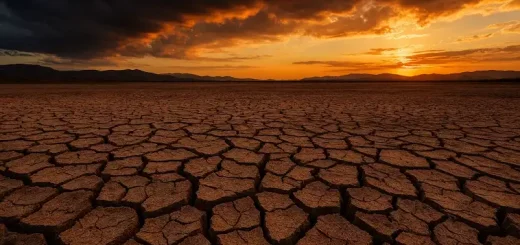
Global heating is driving ecosystems toward collapse at a pace scientists once thought unlikely. From record-breaking wildfires to rising sea levels and widespread species loss, the natural world is showing clear signs of stress. Forests, oceans, rivers, and wildlife are struggling to adapt as temperatures continue to climb year after year.
At the same time, extreme weather is becoming more destructive and less predictable. Crops are failing in some regions, coral reefs are bleaching on a massive scale, and freshwater supplies are under growing pressure. These changes are not isolated events. They are connected warnings that the planet’s balance is being pushed too far.
Scientists across the world now warn that several natural systems may be approaching irreversible tipping points. If those thresholds are crossed, the damage could accelerate rapidly and affect future generations in ways that are difficult to reverse. The choices made today will shape not only the climate, but also the survival of countless species and the stability of human life itself.
What You’ll Discover
Global Heating Is Driving Ecosystems to the Edge
Rising Temperatures Are Disrupting Wildlife Worldwide
How Climate Extremes Are Reshaping the Natural World
Forests, Oceans, and Species Are Reaching a Tipping Point
Why Nature Can No Longer Keep Pace With a Warming Planet
Conclusion: Global Heating Demands Action Before Nature Reaches Collapse
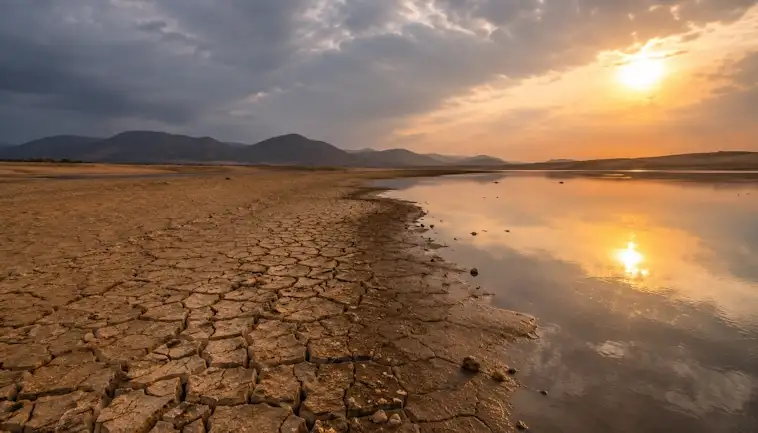
Global Heating Is Driving Ecosystems to the Edge
The effects of global heating are no longer distant warnings. They are happening right now, across forests, oceans, rivers, and grasslands around the world. As temperatures continue to rise, ecosystems are struggling to adapt fast enough. In many places, the balance that once supported wildlife and human communities is starting to break down.
At the same time, extreme weather is becoming more common. Longer droughts, stronger storms, and record-breaking heatwaves are placing enormous pressure on natural systems. As a result, many species are losing the habitats they depend on to survive.
Moreover, scientists are warning that some ecosystems may soon reach tipping points. Once crossed, these changes could become irreversible. This means entire environments may transform permanently, with serious consequences for biodiversity, food security, and human health.
Coral Reefs and Rainforests Are Under Severe Pressure
Some of the world’s most important ecosystems are already showing signs of collapse. Coral reefs, for example, are bleaching more often as ocean temperatures rise. Meanwhile, tropical rainforests are becoming hotter and drier, increasing the risk of wildfires and mass tree loss.
These ecosystems are critical because they support millions of species and help regulate the Earth’s climate. However, their ability to recover is weakening year after year.
Key Threats Pushing Ecosystems Beyond Their Limits
- Rising global temperatures
- More frequent and intense wildfires
- Ocean warming and coral bleaching
- Habitat destruction and deforestation
- Loss of freshwater sources
- Declining biodiversity
- Melting polar ice and rising sea levels
- Increased droughts and flooding
In addition, climate-driven migration is affecting both wildlife and people. Many animal species are moving toward cooler regions, while coastal communities face growing risks from sea-level rise and extreme weather events.
Even so, there is still time to reduce the damage. Protecting forests, restoring wetlands, investing in clean energy, and cutting greenhouse gas emissions can all help slow the pace of change. Small actions alone will not solve the crisis. Yet together, global efforts can still make a meaningful difference for future generations.
Rising Temperatures Are Disrupting Wildlife Worldwide
The effects of climate change are becoming harder to ignore. Around the world, rising temperatures are changing the natural balance that wildlife depends on every day. From melting Arctic ice to drying forests and warming oceans, animals are now facing conditions they were never built to survive.
As temperatures continue to climb, many species are being pushed out of their natural habitats. Some animals are moving to cooler regions. Others are struggling to find food, reproduce, or avoid disease. In many cases, the speed of change is simply too fast.
At the same time, ecosystems are becoming more unstable. Birds are migrating earlier than usual. Coral reefs are bleaching at record levels. Polar bears are spending longer periods without sea ice. These changes are not isolated events. Instead, they are connected signs of a warming planet.
How Global Heating Is Changing Animal Habitats
One of the biggest threats to wildlife is habitat loss caused by global heating. As temperatures rise, forests, wetlands, and oceans are changing rapidly. This leaves many species with fewer safe places to live.
For example, warmer ocean temperatures are harming marine life across the globe. Fish populations are moving into cooler waters, which also affects the communities that rely on them. Meanwhile, land animals are being forced to travel farther in search of water and food.
In addition, extreme weather events are becoming more common. Heatwaves, droughts, and wildfires are destroying habitats at an alarming rate. As a result, wildlife populations are declining in many regions.
The Growing Risk for Endangered Species
Endangered animals face even greater pressure. Species that already live in limited areas often have nowhere else to go. This increases the risk of extinction.
Mountain animals, for instance, are slowly being pushed uphill as temperatures rise. However, once they reach the highest point, there is nowhere left to escape the heat. Similarly, animals in polar regions are losing the cold environments they depend on for survival.
Even small temperature changes can affect breeding cycles, migration patterns, and food supplies. Over time, these disruptions can weaken entire ecosystems.
Still, there is hope. Conservation efforts, cleaner energy, and habitat protection can all help reduce the impact of climate change on wildlife. While the challenge is serious, global action today can help protect countless species for the future.
How Climate Extremes Are Reshaping the Natural World
Climate extremes are no longer rare events. Instead, they are becoming part of everyday life across the world. From longer heatwaves to stronger storms, nature is changing fast. As a result, ecosystems are under growing pressure, and many species are struggling to adapt.
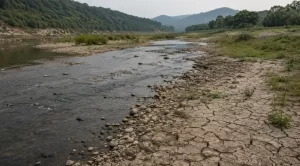
In recent years, forests have faced larger wildfires, rivers have dried up during severe droughts, and coastal areas have experienced repeated flooding. At the same time, rising temperatures are affecting migration patterns, breeding seasons, and food supplies for wildlife. These shifts are changing the balance of the natural world in ways that scientists are still working to fully understand.
However, the impact goes beyond plants and animals. Climate extremes also affect agriculture, water resources, and human communities that depend on stable ecosystems. Therefore, protecting the environment is no longer just about conservation. It is also about building resilience for the future.
Rising Temperatures Are Disrupting Ecosystems
As global temperatures continue to rise, ecosystems are being pushed beyond their natural limits. Some regions are warming faster than others, which means local wildlife often has little time to adjust. Consequently, species that once thrived in certain habitats are now moving to cooler areas or facing population decline.
In addition, warmer oceans are causing coral bleaching events to become more common. Coral reefs support thousands of marine species, so their loss can create major ripple effects throughout the food chain.
Key Effects of Climate Extremes on Nature
- Heatwaves are increasing the risk of wildfires in forests and grasslands.
- Droughts are reducing water supplies for both wildlife and farming.
- Stronger storms are damaging coastal ecosystems and wetlands.
- Rising sea levels are threatening nesting grounds and habitats.
- Changing weather patterns are disrupting migration and breeding cycles.
- Ocean warming is causing coral reefs to weaken and decline.
Even so, many scientists believe there is still time to reduce the damage. By cutting emissions, restoring ecosystems, and investing in sustainable solutions, communities can help slow these changes and protect biodiversity for future generations.
Forests, Oceans, and Species Are Reaching a Tipping Point
The planet is changing faster than many scientists expected. Around the world, forests are shrinking, oceans are warming, and wildlife is disappearing at an alarming rate. At the same time, extreme weather events are becoming more common. Heatwaves last longer. Storms grow stronger. Droughts hit harder.
As a result, experts warn that Earth may be approaching several environmental tipping points. These are critical moments where damage becomes difficult, or even impossible, to reverse. Once ecosystems cross these thresholds, recovery can take decades or longer.
Forests play a major role in keeping the climate stable. They absorb carbon dioxide and help regulate rainfall patterns. However, deforestation and wildfires continue to destroy vast areas every year. The Amazon rainforest, for example, is under increasing pressure from logging, farming, and rising temperatures.
Meanwhile, oceans are also under stress. Warmer seas are causing coral reefs to bleach and marine life to struggle. In addition, melting ice sheets are raising sea levels and threatening coastal communities across the globe.
Species loss is another growing concern. Thousands of plants and animals now face extinction due to habitat destruction, pollution, and climate change. Every lost species weakens the balance of nature and reduces biodiversity that supports life on Earth.
Global Heating Is Accelerating Environmental Collapse
Global heating is now driving many of these environmental crises at the same time. Rising temperatures affect weather systems, ocean currents, and ecosystems across the planet. Because of this, scientists fear that one climate tipping point could trigger another in a dangerous chain reaction.
For example, melting Arctic ice reduces the Earth’s ability to reflect sunlight. This leads to even more warming. Likewise, dying forests absorb less carbon dioxide, which further increases greenhouse gases in the atmosphere.
Why Immediate Climate Action Matters
The good news is that solutions still exist. Cleaner energy, sustainable farming, forest protection, and ocean conservation can all help slow the damage. Small changes also matter. Communities, businesses, and governments each have a role to play.
Even so, time is running short. The choices made during this decade could shape the future of the planet for generations to come.
Why Nature Can No Longer Keep Pace With a Warming Planet
For thousands of years, nature adapted to change. Forests shifted. Oceans recovered. Wildlife found new habitats. However, today’s climate crisis is moving far too fast.
Global temperatures are rising at a pace many ecosystems simply cannot match. As a result, species are struggling to survive. Coral reefs are bleaching. Ice sheets are melting. Meanwhile, extreme weather is damaging landscapes that once remained stable for centuries.
In the past, natural systems had time to adjust slowly. Now, rising emissions, deforestation, and pollution are accelerating environmental change faster than nature can respond. This growing imbalance is putting enormous pressure on the planet.
At the same time, human activity continues to reduce the very ecosystems that help regulate the climate. Forests absorb carbon dioxide. Wetlands reduce flooding. Oceans store heat and carbon. Yet many of these natural defenses are weakening every year.
The Speed of Climate Change Is Overwhelming Ecosystems
Scientists warn that many species are reaching their limits. Animals that rely on cold environments are losing habitat quickly. In addition, changing rainfall patterns are disrupting food supplies and migration routes across the world.
Some plants and animals can adapt. Others cannot.
For example, Arctic wildlife faces shrinking ice coverage each year. Tropical rainforests are also becoming more vulnerable to drought and wildfires. Consequently, biodiversity loss is accelerating across multiple regions.
Key signs nature is struggling include:
- Rising global temperatures
- More frequent heatwaves
- Rapid glacier melt
- Coral reef bleaching
- Increased wildfires
- Declining wildlife populations
- Stronger storms and flooding
These changes are no longer isolated events. Instead, they are becoming part of a larger global pattern.
Natural Recovery Now Takes Longer
Another growing problem is recovery time. After major climate events, ecosystems often need years or decades to rebuild. However, repeated disasters are happening so frequently that many areas never fully recover.
For instance, forests damaged by wildfire may face another fire before new growth becomes established. Similarly, oceans stressed by heatwaves are finding it harder to restore marine life.
This creates a dangerous cycle. As ecosystems weaken, they become less able to absorb carbon emissions and protect communities from climate impacts. In turn, global heating accelerates even further.
Still, experts believe action taken today can slow the damage. Cleaner energy, stronger conservation efforts, and sustainable land use could help ecosystems regain some resilience before more tipping points are reached.
Conclusion: Global Heating Demands Action Before Nature Reaches Collapse
Nature has always adapted to change. However, the pace of global heating is now pushing ecosystems beyond what many species can survive. Forests are burning longer, oceans are warming faster, and wildlife is struggling to recover from constant disruption. As a result, the balance that supports life on Earth is becoming more fragile each year.
At the same time, the effects of global heating are no longer distant warnings. They are already shaping weather patterns, food supplies, water security, and public health across the world. What happens next will depend on the choices governments, businesses, and individuals make today.
Even so, there is still time to slow the damage. Cleaner energy, stronger environmental policies, and better protection of natural habitats can help reduce the pressure on the planet. Small actions alone will not solve the crisis, but collective action on a global scale can still make a meaningful difference.
Global heating is testing the limits of nature like never before. The question is whether humanity will act fast enough to protect the ecosystems that every generation depends on.