Pathogen Spread Threats Putting Communities at Greater Risk
Pathogen Spread Risks Rise as Communities Face New Health Threats
Communities around the world are facing growing health risks as pathogen spread becomes faster and harder to control. Climate change, crowded cities, global travel, and pressure on healthcare systems are creating the perfect conditions for infectious diseases to move across populations more easily. As a result, local outbreaks now have the potential to become much larger threats in a short amount of time.
At the same time, new and evolving pathogens are challenging public health systems that are already under strain. Diseases once limited to certain regions are appearing in new areas, while antibiotic resistance is making some infections more difficult to treat. These changes are increasing concerns for hospitals, schools, workplaces, and vulnerable groups within society.
Understanding the factors driving these risks is becoming more important than ever. Better awareness, stronger prevention strategies, and faster response systems could play a major role in protecting communities from future outbreaks and reducing the long-term impact on public health.
What You’ll Discover
Pathogen Spread Risks Rising Across Modern Communities
How Global Travel Accelerates Infectious Disease Threats
Weak Public Health Systems Leaving Populations Exposed
Climate Change and Urban Growth Fueling New Outbreaks
Community Preparedness Strategies to Reduce Future Health Risks
Conclusion: Why Pathogen Spread Demands Immediate Action

Pathogen Spread Risks Rising Across Modern Communities
In today’s connected world, pathogen spread has become a growing concern for communities everywhere. People travel more often, cities are more crowded, and global supply chains move faster than ever before. As a result, harmful bacteria, viruses, and other infectious agents can spread quickly across regions and populations.
At the same time, climate change and shifting weather patterns are creating new health risks. Warmer temperatures and flooding can help disease-carrying insects thrive in places where they were once uncommon. Because of this, communities now face health threats that were rare only a few years ago.
Moreover, public spaces play a major role in transmission. Schools, offices, hospitals, shopping centres, and public transport systems all bring large groups of people together each day. Without strong hygiene measures, pathogens can move rapidly from one person to another.
Why Modern Communities Face Higher Exposure Risks
Several factors are increasing the likelihood of pathogen outbreaks in both urban and rural areas. While healthcare systems continue to improve, prevention remains the strongest defence.
Key risk factors include:
- Increased international travel and tourism
- Higher population density in cities
- Growing antibiotic resistance
- Poor indoor air quality in shared buildings
- Climate-related changes affecting disease patterns
- Delays in public health response systems
- Greater reliance on shared public spaces
In addition, digital misinformation can also worsen outbreaks. When false health information spreads online, people may ignore safety advice or delay medical treatment. Consequently, communities become more vulnerable during health emergencies.
The Importance of Prevention and Public Awareness
Prevention is now more important than ever. Communities that invest in education, sanitation, and early detection systems are better prepared to reduce health risks before they escalate.
Simple preventive measures can make a major difference, such as:
- Encouraging regular hand washing
- Improving ventilation in indoor spaces
- Supporting vaccination programmes
- Promoting workplace hygiene standards
- Using rapid detection and monitoring systems
- Educating the public with clear health guidance
Looking ahead, communities will need smarter health strategies to stay resilient. Technology, data tracking, and improved public awareness will all shape how societies respond to future pathogen threats. By taking action early, communities can reduce risks and protect public health more effectively.
How Global Travel Accelerates Infectious Disease Threats
Modern travel has transformed the world. Today, people can move between continents in just a few hours. While this creates exciting opportunities for business, tourism, and cultural exchange, it also increases the risk of infectious diseases spreading faster than ever before.
In the past, outbreaks often stayed within one region for months or even years. However, international air travel now allows viruses and bacteria to cross borders almost instantly. As a result, local health issues can quickly become global concerns.
The COVID-19 pandemic showed how connected the world has become. A virus identified in one city rapidly spread across countries and continents. Yet COVID-19 is not the only example. Diseases such as SARS, Ebola, Zika virus, and monkeypox have also demonstrated how travel can accelerate global health threats.
Pathogen Spread Through International Transportation
Airports, cruise ships, train stations, and crowded transport hubs create ideal conditions for pathogen transmission. Travelers often come into close contact with thousands of people during a single journey. Consequently, infectious agents can spread before symptoms even appear.
In addition, many travelers may unknowingly carry infections across borders. This makes early detection much harder for health authorities. Even with modern screening systems, asymptomatic transmission remains a major challenge.
Why Fast Global Mobility Increases Health Risks
The speed of modern transportation leaves little time for containment efforts. A person infected in one country may arrive in another before showing any signs of illness. Therefore, diseases can establish new outbreaks in multiple regions at the same time.
Furthermore, tourism and business travel continue to grow every year. Popular destinations attract millions of visitors, increasing population density in airports, hotels, and urban centers. These crowded environments can accelerate transmission rates significantly.
Climate change and urbanization also add to the problem. Warmer temperatures allow disease-carrying insects, such as mosquitoes, to expand into new regions. At the same time, global travel helps these pathogens move even further and faster.
Looking ahead, stronger international cooperation will be essential. Governments, healthcare systems, and travel industries must work together to improve disease surveillance, data sharing, and emergency response strategies. By acting early and investing in global public health systems, countries can reduce the risks linked to future outbreaks.
Weak Public Health Systems Leaving Populations Exposed
Public health systems are meant to protect people before a crisis begins. However, in many parts of the world, those systems are struggling to keep up. Years of underfunding, staff shortages, and outdated infrastructure have left millions of people exposed to growing health risks.
As a result, communities are finding it harder to respond to disease outbreaks, natural disasters, and long-term health challenges. Even worse, vulnerable groups are often hit the hardest. This includes older adults, low-income families, and people living in rural areas.
The COVID-19 pandemic revealed just how fragile many healthcare systems had become. Hospitals quickly reached capacity. Medical workers faced burnout. At the same time, basic services such as vaccinations and routine screenings were delayed or cancelled.
Consequently, experts are warning that without stronger public health investment, future emergencies could cause even greater damage.
Why Public Health Systems Are Under Pressure
Several major issues are placing public healthcare services under strain across the globe.
Key Factors Weakening Healthcare Systems
- Rising populations are increasing demand for healthcare services.
- Healthcare worker shortages continue to grow in many countries.
- Chronic diseases such as diabetes and heart disease are becoming more common.
- Climate change is contributing to new health threats and disease spread.
- Limited funding is slowing hospital upgrades and medical innovation.
- Rural communities often lack nearby healthcare facilities and specialists.
At the same time, misinformation online is making public health communication more difficult. Many people now distrust vaccines, medical advice, and government health campaigns. Therefore, rebuilding trust has become just as important as improving hospitals and healthcare access.
Looking ahead, stronger public health systems will play a major role in protecting both economies and communities. Governments, healthcare providers, and technology companies will need to work together more closely. Better preparation today could help save millions of lives in the future.
Climate Change and Urban Growth Fueling New Outbreaks
Climate change and rapid urban growth are creating the perfect conditions for new disease outbreaks around the world. As cities expand and temperatures rise, viruses, bacteria, and insects are moving into places where they were once rare. As a result, public health systems are facing new challenges that are becoming harder to predict.
In many growing cities, overcrowding and poor infrastructure make it easier for diseases to spread quickly. At the same time, warmer weather is extending the range of mosquitoes and other disease-carrying insects. Diseases such as dengue fever, malaria, and Lyme disease are now appearing in regions that previously saw very few cases.
Furthermore, climate-related disasters such as floods, heatwaves, and wildfires are forcing people to relocate. This movement often increases pressure on urban areas and can weaken sanitation systems, healthcare access, and clean water supplies. Consequently, outbreaks can grow faster and affect more people.
Pathogen Spread Is Increasing in Expanding Cities
As urban populations continue to rise, the risk of pathogen spread becomes more serious. Large cities bring millions of people into close contact every day. Public transport, crowded housing, and busy workplaces all create opportunities for infectious diseases to move rapidly through communities.
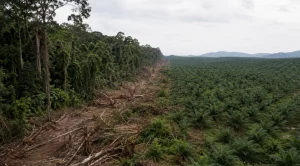
In addition, deforestation and land development are pushing humans closer to wildlife habitats. This increases the chance of animal-to-human transmission, which has already played a role in several major global outbreaks over the last two decades.
Why Climate Patterns Matter More Than Ever
Changing climate patterns are also affecting seasonal disease cycles. For example, warmer winters allow some pathogens and insects to survive longer than before. Meanwhile, heavier rainfall can create standing water where mosquitoes breed in large numbers.
Because of this, scientists and health experts are calling for stronger monitoring systems and smarter urban planning. Cities that invest in green infrastructure, disease surveillance, and climate adaptation strategies will be better prepared for future health threats.
Looking ahead, the connection between climate change, urban growth, and global health will only become more important. Therefore, governments, businesses, and local communities must work together to reduce risks and strengthen public health resilience before the next outbreak begins.
Community Preparedness Strategies to Reduce Future Health Risks
Communities play a major role in protecting public health. While governments and healthcare systems are important, local action often makes the biggest difference during a crisis. That is why community preparedness matters more than ever.
In recent years, people around the world have seen how quickly health emergencies can disrupt daily life. From disease outbreaks to extreme weather events, communities that prepare early are often better able to respond and recover. As a result, stronger planning today can reduce future health risks tomorrow.
Preparedness also builds trust. When people know where to get help, how to stay informed, and what steps to take, fear and confusion are reduced. In addition, communities become more resilient and connected.
Building Strong Local Health Networks
One of the most effective ways to reduce future health risks is by creating strong local support systems. Communities that work together can respond faster during emergencies and protect vulnerable groups more effectively.
Local health networks may include healthcare providers, schools, charities, businesses, and volunteers. Together, these groups can share resources, improve communication, and support public education efforts.
Practical Steps Communities Can Take
There are several simple but powerful ways communities can prepare for future health challenges:
- Create emergency response plans for local health events
- Improve access to healthcare services and mental health support
- Offer public health workshops and awareness campaigns
- Encourage vaccination and preventive care programs
- Build partnerships between local organizations and healthcare providers
- Develop clear communication systems during emergencies
- Support elderly and high-risk residents through local outreach programs
- Promote healthy lifestyles through community activities and education
At the same time, technology can also help communities stay prepared. Digital health tools, early warning systems, and online support networks are becoming more important each year. Looking ahead, communities that combine local action with modern technology may be better equipped to handle future health risks.
Ultimately, preparedness is not just about reacting to emergencies. It is about creating healthier, safer, and more informed communities for the long term.
Conclusion: Why Pathogen Spread Demands Immediate Action
Pathogen spread is no longer a distant threat affecting only isolated regions. Today, it has become a growing global concern that can impact every community, healthcare system, and economy. As climate change, global travel, overcrowding, and antibiotic resistance continue to rise, the risk of faster and wider outbreaks also increases.
However, communities are not powerless. Strong public health systems, better sanitation, early detection, vaccination programs, and public awareness can all help slow pathogen spread and protect vulnerable populations. In addition, governments, researchers, and local organizations must work together to improve preparedness before the next major outbreak occurs.
The future will depend on how quickly societies adapt to these evolving health risks. By investing in prevention and education today, communities can reduce the impact of future diseases and build a safer, more resilient world for generations to come.