
Weather Swings Reveal a Bigger Climate Story Ahead
What Weather Swings Tell Us About the Future of Climate Change
Weather swings are becoming harder to ignore. One week brings unseasonable warmth, while the next delivers heavy rain, strong winds, or a sudden cold snap. These rapid changes can feel unusual, but they are also part of a much larger climate story that is unfolding across the world.
Scientists are finding that shifting weather patterns are linked to broader changes in the Earth’s climate system. Rising global temperatures are influencing rainfall, heatwaves, storms, and seasonal conditions in ways that affect communities, businesses, and ecosystems alike. As extreme events become more common in many regions, understanding the connection between short-term weather changes and long-term climate trends is becoming increasingly important.
Looking ahead, the signals behind today’s weather swings may offer valuable clues about what the future could hold. From changing seasons to growing risks of extreme weather, the patterns emerging now are helping researchers build a clearer picture of the challenges and opportunities that lie ahead.
What You’ll Discover
Weather Swings Signal a Changing Climate Pattern
Why Extreme Conditions Are Becoming More Common
The Link Between Daily Weather and Long-Term Trends
How Communities Are Adapting to Unpredictable Conditions
What the Future Holds for a Warming World
Conclusion: What Weather Swings Tell Us About the Future
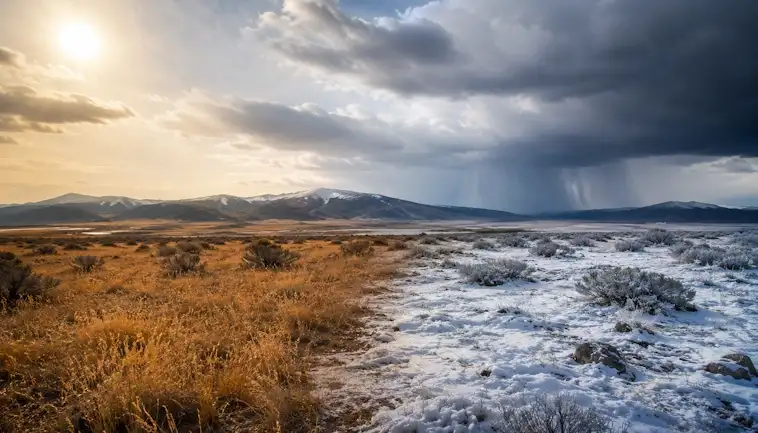
Weather Swings Signal a Changing Climate Pattern
Weather is becoming harder to predict. One week we have record-breaking heat, and the next heavy rain, strong winds, or unusually cold temperatures. As a result, many people are noticing that seasonal weather patterns no longer feel as reliable as they once did.
Scientists point to climate change as a major factor behind these growing weather swings. As global temperatures rise, more energy becomes trapped in the atmosphere. Consequently, weather systems can become more unstable and extreme. While weather naturally changes from day to day, the increasing frequency and intensity of these shifts suggest a broader climate trend.
Moreover, these changes affect everyday life. Farmers face growing challenges when planning crops. Homeowners deal with increased risks from flooding and storms. Even travel and outdoor activities can become more difficult to plan due to unpredictable conditions.
More Extreme Weather Events Are Becoming Common
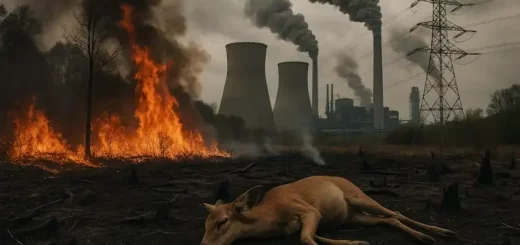
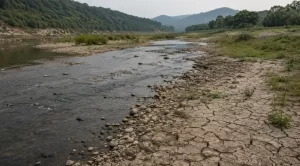
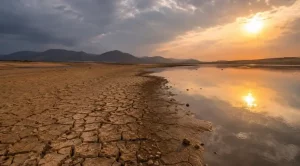
Across many parts of the world, extreme weather events are occurring more often than in previous decades. Heatwaves are lasting longer. Heavy rainfall is becoming more intense. At the same time, some regions are experiencing longer periods of drought.
These weather extremes can place pressure on infrastructure, food supplies, and local economies. Therefore, understanding changing climate patterns has become increasingly important for communities, businesses, and governments alike.
Signs That Climate Patterns Are Shifting
Several indicators suggest that long-term climate patterns are changing:
- More frequent and intense heatwaves.
- Increased rainfall and flooding in some regions.
- Longer drought periods in others.
- Stronger storms and more severe weather events.
- Earlier spring seasons and later autumns.
- Rising ocean and sea surface temperatures.
- Greater year-to-year weather variability.
Looking ahead, climate experts expect weather volatility to remain a key challenge. While efforts to reduce greenhouse gas emissions continue, communities are also focusing on adaptation strategies. By improving infrastructure, strengthening forecasting systems, and increasing resilience, societies can better prepare for a future where weather extremes may become the new normal.
Why Extreme Conditions Are Becoming More Common
Weather patterns around the world are becoming less predictable. In recent years, many regions have experienced longer heatwaves, heavier rainfall, stronger storms, and unexpected cold spells. As a result, what once seemed unusual is now happening more often.
One of the main reasons is climate change. As global temperatures continue to rise, the atmosphere can hold more moisture and energy. This creates the perfect conditions for more intense weather events. At the same time, changing ocean temperatures and shifting air currents are affecting weather systems in ways that scientists are still working to fully understand.
However, climate change is only part of the story. Growing cities, changing land use, and deforestation can also influence local weather patterns. Together, these factors can increase the likelihood of extreme conditions and make their effects more severe.
For homeowners, drivers, and businesses, understanding these changes has become increasingly important. By staying informed, people can better prepare for sudden weather events and reduce potential risks.
Weather Swings Are Happening More Frequently
One noticeable trend is the increase in rapid weather changes. In some areas, temperatures can shift dramatically within a single day. Likewise, periods of drought can be followed by intense rainfall and flooding.
These weather swings occur when different air masses interact more frequently or remain in place for longer periods. As weather systems become more unstable, communities may experience greater uncertainty throughout the year.
How Weather Swings Affect Everyday Life
The effects of weather swings extend far beyond daily forecasts. Farmers may struggle with changing growing conditions, while transport networks can face delays caused by storms, ice, or flooding. In addition, households often see higher energy costs when temperatures fluctuate between extremes.
Because of this, many experts believe adaptation will become just as important as reducing emissions. Investing in stronger infrastructure, improving forecasting technology, and preparing emergency plans can help communities cope with a future where weather extremes are increasingly common.
The Link Between Daily Weather and Long-Term Trends
Weather and climate are closely connected, but they are not the same thing. Weather describes the conditions we experience each day, such as sunshine, rain, wind, or snow. Climate, on the other hand, looks at patterns that develop over many years or even decades.
At first glance, a single hot day or heavy storm may seem unimportant. However, when scientists study weather records over long periods, they can identify trends that reveal how the climate is changing. This is why daily weather observations play such an important role in climate research.
By tracking weather over time, experts can spot shifts in temperature, rainfall, and extreme weather events. These changes help build a clearer picture of long-term climate patterns and what they may mean for the future.
How Daily Weather Data Reveals Climate Patterns
Every weather event adds another piece to the climate puzzle. While one unusually warm day does not prove climate change, a steady increase in average temperatures over many years can indicate a long-term trend.
Scientists use weather data from thousands of monitoring stations around the world to identify patterns and compare current conditions with historical records.
Key indicators include:
- Average temperatures over months, years, and decades.
- Changes in rainfall and snowfall patterns.
- The frequency of heatwaves and cold spells.
- Rising numbers of extreme weather events.
- Seasonal shifts, such as earlier springs or longer summers.
Why Long-Term Trends Matter
Understanding climate trends helps communities, businesses, and governments prepare for future challenges. Long-term data can guide decisions about agriculture, water resources, infrastructure, and disaster planning.
For example, if weather records show increasing temperatures and more frequent droughts, farmers may need to adopt different crops or irrigation methods. Likewise, cities facing heavier rainfall may need to improve drainage systems to reduce flood risks.
As more weather data becomes available, scientists can refine their climate models and improve predictions. This allows societies to make informed decisions and adapt to changing conditions more effectively.
How Communities Are Adapting to Unpredictable Conditions
Across the world, communities are learning how to cope with changing and often unpredictable conditions. From sudden storms to long dry periods, people are facing challenges that can disrupt daily life, local economies, and public services. As a result, many towns and cities are finding new ways to become more resilient.
Rather than simply reacting to events as they happen, communities are taking a more proactive approach. Local leaders, businesses, and residents are working together to prepare for uncertainty. This shift is helping communities reduce risks while creating stronger support networks.
Technology is also playing an important role. Better forecasting tools, early warning systems, and real-time communication help people make informed decisions. At the same time, traditional knowledge and local experience remain valuable resources when responding to changing conditions.
Preparing for Weather Swings Through Local Action
One of the biggest challenges facing many communities today is dealing with sudden Weather Swings. Temperatures can change quickly. Rainfall patterns can become less predictable. In some areas, extreme events are becoming more common.
To address these challenges, communities are investing in stronger infrastructure and smarter planning. For example, some cities are improving drainage systems to reduce flood risks. Others are expanding green spaces to help manage heat and improve air quality.
Community groups are also stepping up. Neighbours are sharing information, checking on vulnerable residents, and supporting local emergency plans. These actions may seem small, but together they can make a significant difference during difficult periods.
Building Long-Term Resilience for the Future
Looking ahead, adaptation will continue to be a priority. Communities understand that uncertainty is likely to remain part of everyday life. Therefore, many are focusing on long-term solutions rather than short-term fixes.
Education is one key area of focus. Schools, local organisations, and public agencies are helping people understand potential risks and how to respond effectively. In addition, investment in sustainable infrastructure is helping communities prepare for future challenges.
Ultimately, the ability to adapt comes down to collaboration. When residents, businesses, and local authorities work together, communities become better equipped to handle change. As conditions continue to evolve, this collective approach will play an essential role in creating safer and more resilient places to live.
What the Future Holds for a Warming World
Climate change is already shaping the world around us. From rising temperatures to more frequent extreme weather events, the effects are becoming harder to ignore. As the planet continues to warm, scientists expect these changes to become even more noticeable in the decades ahead.
However, the future is not set in stone. The choices governments, businesses, and individuals make today will play a major role in determining what the world looks like tomorrow. While the challenges are significant, there are also opportunities to build stronger, cleaner, and more resilient communities.
How Climate Change Could Transform Daily Life
As global temperatures rise, everyday life may change in several ways. Some regions could face longer heatwaves, while others may experience heavier rainfall and flooding. In addition, changing weather patterns could affect food production, water supplies, and public health.
Key changes that experts expect include:
- More frequent and intense heatwaves.
- Rising sea levels threatening coastal communities.
- Increased risk of droughts in some regions.
- Stronger storms and more severe flooding events.
- Greater pressure on food and water resources.
- Growing health risks linked to extreme heat and air pollution.
Technology and Innovation May Shape the Future
Although the outlook can seem challenging, innovation offers reasons for optimism. Around the world, new technologies are helping reduce greenhouse gas emissions and improve climate resilience. Renewable energy sources such as solar and wind power are becoming more affordable, while advances in energy storage and electric transportation continue to accelerate.
Several developments could help create a more sustainable future:
- Expansion of renewable energy infrastructure.
- Growth in electric vehicle adoption.
- Smarter and more energy-efficient cities.
- Improved carbon capture and storage technologies.
- Sustainable farming methods that protect ecosystems.
- Better climate forecasting and disaster preparedness systems.
Ultimately, the future of a warming world will depend on how quickly and effectively action is taken. While climate change presents serious risks, it also creates an opportunity to rethink how societies produce energy, manage resources, and protect the environment for future generations.
Conclusion: What Weather Swings Tell Us About the Future
Weather swings are becoming harder to ignore. From sudden heatwaves to unexpected cold snaps and intense storms, these shifts are revealing a much bigger climate story. While no single weather event can define long-term climate trends, the growing pattern of extremes points to a world that is changing in important ways.
Looking ahead, understanding weather swings will be more important than ever. They affect how we live, travel, grow food, and prepare our communities for the future. By paying attention to these changes and supporting practical climate solutions, we can make better decisions in an increasingly unpredictable environment. The story behind today’s weather swings is not just about current conditions. It is also about the challenges and opportunities that lie ahead.