

Suddenly, Drought Cycles Are Growing Deadlier Each Year
Suddenly, Drought Cycles Are Growing Deadlier Each Year
Water shortages are no longer rare events. Across the globe, drought cycles are intensifying, arriving faster, lasting longer, and leaving deeper scars. What once felt like seasonal hardship is now turning into a relentless threat that touches every part of daily life—from food prices to public health.
Scientists warn that shifting climate patterns, rising global temperatures, and dwindling water reserves are creating conditions where each new drought can hit harder than the last. Farmers face shrinking harvests, cities struggle to secure clean water, and ecosystems teeter on the edge of collapse.
As these cycles grow deadlier each year, the challenge is not only survival but adaptation. Understanding why droughts are accelerating and how they disrupt human systems is key to preparing for a future that demands smarter water management, resilient communities, and long-term solutions.
Why Drought Cycles Are Becoming More Frequent and Severe
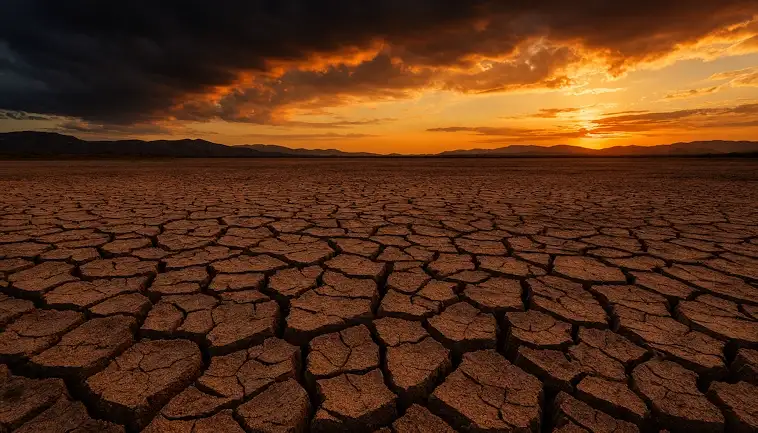
Drought isn’t just a faraway problem. It’s showing up in more places, more often, and lasting longer than it used to. If you’ve noticed hotter summers or shrinking water supplies, you’re not imagining it. Scientists say drought cycles are becoming more frequent and severe, and the evidence is all around us.
One major reason is climate change. Rising global temperatures speed up evaporation, pulling moisture out of soil, rivers, and lakes. Even when rain does come, the land dries out faster than before. That means farmers, cities, and ecosystems all feel the pressure sooner.
Another factor is how we use water. Growing populations, thirsty crops, and expanding cities stretch supplies thin. When the rain stops, there’s simply less to fall back on. Over time, this creates a cycle where every drought feels worse than the last.
What We’re Seeing in Real Time
From the American West to parts of Africa and Asia, water shortages are turning into long-term challenges. Communities face restrictions, crops wither, and wildfires spread more easily across parched landscapes. These aren’t isolated events—they’re signals of a global shift.
Looking ahead, experts warn that unless greenhouse gas emissions drop and water management improves, the trend will continue. The good news? Solutions exist. Smarter irrigation, renewable energy, and stronger conservation efforts can help slow the cycle.
Understanding why droughts are intensifying is the first step. Acting on that knowledge is how we protect our future.
The Hidden Costs of Water Scarcity on Communities
When we think about water scarcity, it’s easy to picture empty taps or dried-up rivers. But the real story goes much deeper. Water shortages quietly shape the health, economy, and future of entire communities.
Families often spend more money on healthcare because of waterborne diseases. Farmers lose crops, which pushes up food prices for everyone. Children may skip school to fetch water, missing out on education. Even local businesses feel the strain as energy and supply costs rise.
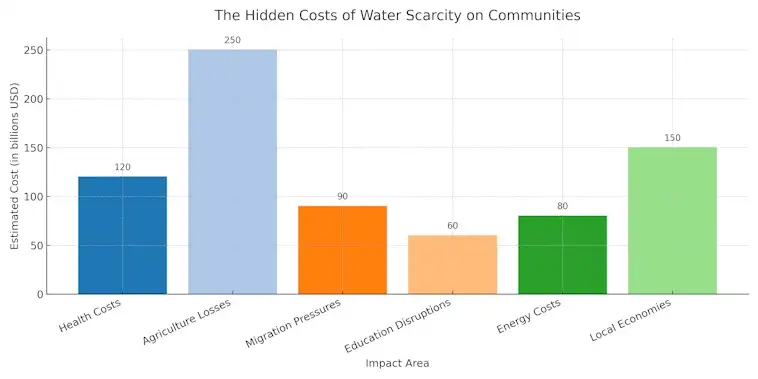
These hidden costs don’t just affect one group—they ripple through entire societies. And as climate change intensifies, the price tag of water scarcity is only getting higher.
How Drought Cycles Disrupt Food Systems and Global Supply Chains
When we think about drought, we often picture empty rivers or dry farmland. But the impact runs much deeper. Drought cycles don’t just affect local farmers—they ripple across the world, shaking up food systems and supply chains we all depend on.
The reality is that climate-driven droughts are becoming more frequent and more intense. And when crops fail in one region, the shock doesn’t stay local. It can change what ends up on grocery store shelves, how much we pay for food, and even what products are available at all.
Here’s how these cycles create a chain reaction:
- Reduced crop yields — Less water means smaller harvests for staples like wheat, rice, and corn.
- Livestock stress — Animals struggle when grazing land dries up, which reduces meat and dairy supplies.
- Export restrictions — Countries hit by drought may cut back exports to protect their own populations, limiting global supply.
- Price spikes — Scarcity pushes up the cost of food, hitting low-income communities hardest.
- Supply chain slowdowns — Processing plants, shipping companies, and retailers all feel the pressure when raw materials aren’t available.
- Global ripple effects — A drought in one country can raise food prices or cause shortages thousands of miles away.
Drought isn’t just a natural disaster—it’s a disruptor of daily life. From farmers in rural areas to families in big cities, everyone is connected to the same fragile system. Understanding this helps us see why adapting our food systems for resilience is more urgent than ever.
The Human Toll: Health Risks Rising in a Thirstier World
Water scarcity is no longer just about empty rivers or shrinking lakes. It’s about people. As our world grows thirstier, the impact on human health is becoming impossible to ignore.
When clean water runs short, communities face a chain reaction of risks. Dehydration and poor sanitation bring a rise in waterborne diseases. Hospitals see more cases of heat stress as temperatures climb and access to safe drinking water drops. Even nutrition suffers, as crops wither and food supplies shrink.
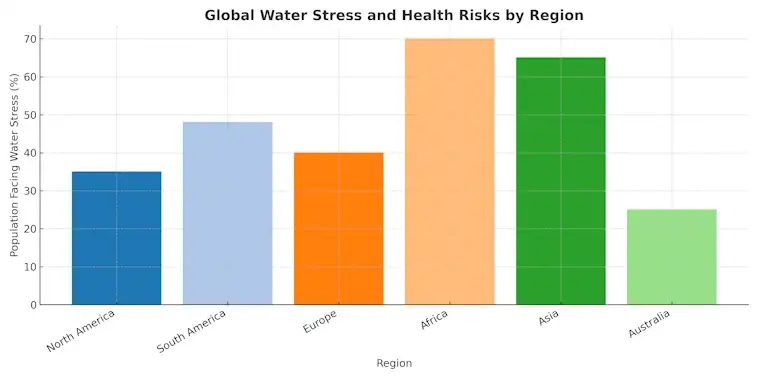
The human toll is already visible. Regions under severe water stress are seeing higher rates of illness and shorter life expectancy. This isn’t just happening far away. It’s a global problem, and it’s growing closer to home every year.
What We Can Do to Adapt to a Future Shaped by Extreme Drought
The truth is, extreme drought isn’t some distant threat. It’s already shaping the way we live, farm, and plan for the future. Water shortages affect everything from the food on our tables to the cost of energy. The good news is, there are steps we can take right now to adapt. It’s not about waiting for rain. It’s about learning how to live smarter in a world where water is scarce.
Understanding Drought Cycles Is Key
One of the first steps is to recognize that droughts come in cycles. They may last a few months or stretch on for years. By planning with this in mind, communities can prepare for the dry times before they hit. That means investing in water storage, improving irrigation systems, and rethinking how we use water at home. Simple actions, like fixing leaks or choosing drought-tolerant plants, make a difference when multiplied across millions of households.
We also need innovation. Farmers are testing crops that survive with less water. Cities are reusing wastewater in safe, efficient ways. Even new building designs are focusing on capturing and saving rain when it does fall. These changes may seem small on their own, but together, they create resilience.
Adapting to a future shaped by extreme drought doesn’t mean giving up comfort. It means shifting habits and embracing new technology so we can thrive even when water is limited. If we start today, we’ll be better prepared for tomorrow.
Why We Can’t Afford to Ignore Escalating Drought Cycles
Droughts are no longer rare interruptions in our weather patterns—they’re becoming more frequent, more severe, and more deadly. Each year, communities face shrinking water supplies, rising food insecurity, and mounting economic losses. If we continue to treat these cycles as temporary setbacks, we risk falling further behind in our ability to adapt.
But here’s the good news: solutions exist. From smarter water management to renewable energy investments and community-driven conservation efforts, there are real ways to lessen the impact. The challenge now is whether we choose to act quickly enough.
It starts with awareness—and action. Stay informed, support sustainable practices, and push for stronger climate policies in your community. The sooner we act, the better chance we have of protecting our future.