
The Impact of Climate Change on Habitats
Climate change is reshaping our world in many ways, especially when it comes to the natural habitats of countless species. From forests and deserts to oceans and polar ice caps, no environment is untouched. This shift affects not just the animals and plants that call these places home, but also the biodiversity that keeps our planet balanced. As temperatures rise and weather patterns shift, understanding these changes is more crucial than ever. Let’s look at how our planet’s habitats are transforming and what this means for life on Earth.
The Impact of Climate Change on Habitats
What You’ll Discover
Climate Change and Its Global Reach
Immediate Effects on Terrestrial Habitats
Rising Seas and Coastal Erosion
Melting Ice and the Polar Predicament
Migration and Displacement: Wildlife on the Move
Extinction Risks: Biodiversity at the Brink
Human Impacts: Urbanisation and Agriculture
Adaptive Strategies and Conservation Efforts

Climate Change and Its Global Reach
Climate change refers to significant changes in global temperatures and weather patterns over time. While Earth’s climate has changed in the past, the current changes are rapid and largely due to human activities.
How Does Climate Change Affect the World?
Climate change is a global phenomenon that impacts nearly every part of the planet. Here’s how:
- Rising temperatures: These lead to more frequent and severe heatwaves affecting health and agriculture.
- Changing weather patterns: This includes more intense storms, droughts, and unpredictable weather, which can harm farming and water supplies.
- Rising sea levels: As polar ice melts, sea levels rise, threatening coastal communities with flooding.
Primary Drivers of Climate Change
Here are some of the main causes of climate change:
- Increased greenhouse gas emissions: The burning of fossil fuels like coal, oil, and gas for energy releases large amounts of carbon dioxide and other greenhouse gases into the atmosphere. These gases trap heat from the sun, causing the Earth’s temperature to rise.
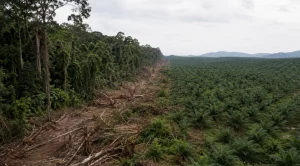
- Deforestation: Trees absorb carbon dioxide, one of the primary greenhouse gases, during photosynthesis. When forests are cut down, not only is this carbon storage lost, but the stored carbon is also released back into the atmosphere, adding to the greenhouse effect.
The Link to Broader Environmental Changes
The impact of climate change extends beyond just the weather and temperature:
- Biodiversity loss: As habitats change or disappear, many species struggle to survive, leading to decreased biodiversity.
- Impact on oceans: Increased carbon dioxide levels make oceans more acidic, which affects marine life and coral reefs.
- Health issues: Higher temperatures and degraded air quality can lead to health problems such as heat strokes and respiratory issues.
Understanding the global scope of climate change emphasises the need for comprehensive and collective action. We all play a part in both contributing to and solving the issue. Recognising the primary drivers helps target efforts where they can be most effective in mitigating climate change and protecting our planet.
Immediate Effects on Terrestrial Habitats
As global temperatures climb, the effects on land habitats are both dramatic and widespread. These changes are not just theoretical; they are happening right now and have real consequences for our environment.
Expansion of Deserts
Desert areas are growing, a process known as desertification. This expansion is especially evident in places like the Sahel region in Africa. Here, the boundary of the Sahara Desert is moving southward, encroaching on the arable land. This change is driven by a combination of increased temperatures and altered rainfall patterns, making the land less suitable for farming and supporting less plant and animal life.
Shifting Plant Hardiness Zones
Plant hardiness zones are also on the move. In the United States, for example, these zones—which guide what plants can grow in which areas—have shifted northward over the past few decades. This shift means that plants once unable to survive the colder temperatures of northern areas can now thrive there, and vice versa. This not only affects gardening and agriculture but also has implications for native wildlife that depend on specific plants for food and shelter.
Stress on Temperate Forests
Temperate forests across the globe are under stress from rising temperatures. In the western U.S., for instance, higher temperatures and prolonged drought conditions stress trees and make them more susceptible to pests like the bark beetle. This has led to vast areas of dead and dying forests, increasing the risk of massive wildfires and altering these ecosystems.
Case Studies: Real-Time Changes
- The Amazon Rainforest: Often referred to as the Earth’s lungs, the Amazon is experiencing more frequent droughts and higher temperatures, leading to increased fire occurrences. These fires not only destroy vast areas of forest but also release huge amounts of CO₂ into the atmosphere, further contributing to global warming.
- Australian Eucalyptus Forests: In Australia, rising temperatures and decreased rainfall have led to water stress in many native eucalyptus species. This stress is compounded by higher occurrences of bushfires, which have devastated large swathes of forested areas, impacting both the flora and the fauna dependent on these habitats.
These examples show that rising global temperatures are already having a significant impact on terrestrial habitats around the world. The changes we’re seeing today will likely have long-term effects on biodiversity, agriculture, and human communities. Addressing global warming is critical to preventing further damage and preserving the natural world for future generations.
Rising Seas and Coastal Erosion
Rising sea levels are a pressing concern for coastal ecosystems like mangroves, coral reefs, and salt marshes. These areas are vital for biodiversity and provide essential services to human communities. However, as sea levels continue to rise, these habitats face significant threats.
Mangroves
Mangroves are among the most affected by rising sea levels. These trees and shrubs thrive in saltwater environments along coastlines. Here’s what happens when water levels increase:
- Soil submersion: As water levels rise, the soil in which mangroves grow becomes submerged, which can suffocate the roots and kill the trees.
- Loss of habitat: Many species depend on mangroves for nesting and feeding. As mangroves disappear, these animals might have nowhere else to go.
Coral Reefs
Coral reefs are sensitive to even slight changes in their environment. Rising sea levels bring a couple of key challenges:
- Water quality: As sea levels rise, the water often becomes cloudier with sediments and pollutants. This can block sunlight, which corals need to survive.
- Increased water depth: Deeper water can also reduce the amount of light that reaches the coral, affecting their ability to photosynthesise and grow.
Salt Marshes
Salt marshes, found in temperate climates, are also facing issues due to rising sea levels:
- Flooding: Extended periods of flooding from higher sea levels can drown these grasslands.
- Erosion: With more water, there’s a higher risk of erosion, which can strip away the ground that supports various plant and animal species.
Impact on Species
The physical changes to these habitats have a direct impact on the species that live there:
- Displacement: Animals and plants that once thrived in these environments may be forced to move, if they can, to find more suitable conditions.
- Reduced food sources: As plants and the physical structures of habitats degrade, the availability of food for dependent species declines.
- Vulnerability to predators: Without their natural habitats for cover, many species become more vulnerable to predators.
These ecosystems are crucial for the health of our planet. They protect coastlines from erosion, support marine life, and store vast amounts of carbon, which helps regulate our climate. Protecting these habitats from the impacts of rising sea levels is not just about preserving biodiversity but also about maintaining the balance of our environment.
Melting Ice and the Polar Predicament
As our planet warms up, the ice at the poles and in glaciers is melting at an alarming rate. This has serious consequences for wildlife and our global climate.
Impact on Wildlife
- Loss of Habitat: Animals like polar bears and penguins rely on ice for breeding, hunting, and resting. As the ice disappears, so does their habitat, leading to declines in their populations.
- Food Scarcity: With less ice, polar bears have to travel farther and expend more energy to find food. Similarly, penguins find it harder to access fish, their primary food source, as ice shelves that support the marine ecosystem melt away.
Rising Sea Levels
When ice melts, it adds water to the oceans. This might sound simple, but it has far-reaching effects:
- Coastal Flooding: Higher sea levels mean more frequent and severe flooding in coastal areas, threatening millions of people worldwide.
- Erosion: Beaches and coastal lands are more prone to erosion as sea levels rise, which can damage habitats and human infrastructure.
Changes in Ocean Currents and Temperatures
The influx of fresh meltwater from glaciers and polar ice affects ocean salinity and temperature, which in turn impacts global ocean currents. These currents are crucial because they regulate the Earth’s climate by distributing heat and nutrients around the planet.
- Altered Weather Patterns: Changes in ocean currents can lead to more extreme weather, like hurricanes and droughts, in different parts of the world.
- Threats to Marine Life: Many marine species rely on stable temperatures and currents. Changes in these can disrupt feeding and breeding patterns, impacting the entire marine food chain.
The melting of polar and glacial ice is a clear indicator of our changing climate. The consequences are not limited to just wildlife or rising sea levels; they ripple across our entire planet, affecting weather, human communities, and marine ecosystems. Addressing this issue requires global cooperation and immediate action to reduce greenhouse gas emissions and protect our environment.
Migration and Displacement: Wildlife on the Move
As our planet’s climate changes, so do the conditions of many habitats. Animals and plants are increasingly finding their traditional homes inhospitable. They are moving to cooler or more suitable environments. This migration, however, comes with significant challenges.
Why Species Migrate
Species primarily migrate for these reasons:
- Temperature changes: Many species can only survive within specific temperature ranges. When their current habitats become too warm, they seek cooler areas.
- Altered landscapes: Changes in rainfall and extreme weather can transform landscapes, making them unsuitable for the species that once lived there.
Challenges During Migration
Migration is not an easy solution for many species. They face several obstacles:
- Geographical barriers: Mountains, oceans, and human-made structures like cities and roads can block the path to new habitats.
- Competition: Arriving in new areas often means competing with local species for limited resources. This can be tough, especially for those that are not natural competitors.
- Lack of suitable habitats: Not all regions have the right conditions for newcomers. Some species struggle to find anywhere that matches the habitat they have left behind.
Impact on Ecosystems
The movement of species affects not just the migrants but also the ecosystems they leave and those they enter:
- Loss of pollinators: Some plants rely on specific animals for pollination. If those animals move away, the plants can’t reproduce.
- New predators: Migrating species might become new predators in their new homes. This can disrupt the existing food chains.
- Spread of disease: New species can introduce diseases to which local species have no immunity.
The migration of species due to changing climate conditions is a complex issue. It reflects the broader impacts of global warming on our natural world. While migration might be a natural response, it’s often a sign of distress and a challenge that many species struggle to overcome.
Extinction Risks: Biodiversity at the Brink
Habitat changes pose a significant threat to wildlife, often leading to an increased risk of extinction for many species. These changes can result from various human activities, such as deforestation, urban expansion, and pollution.
Vulnerable Species
- Orangutans: These tree-dwelling apes lose their homes and food sources as forests are cut down for timber and to clear land for agriculture.
- Tigers: With only a fraction of their historical range left, tigers face not only loss of habitat but also increased encounters with humans, leading to conflicts.
- Coral Reefs: Pollution and ocean warming lead to coral bleaching, destroying the complex habitat that supports diverse marine life.
Conservation Reliant Species
Some species now survive only with human help. These are known as conservation-reliant species. They depend on active measures like habitat restoration, predator control, and legal protection.
- California Condor: This bird species is intensively managed to protect it from threats like poisoning from lead ammunition in carcasses, its primary food source.
- Black-footed Ferret: Once considered extinct in the wild, this species now depends on ongoing breeding and reintroduction efforts.
The Need for Conservation
The situation might seem dire, but there is hope through conservation efforts:
- Protected Areas: Establishing and enforcing protected areas can help preserve critical habitats and provide a refuge for wildlife.
- Species Management: Active management, including breeding programs and habitat restoration, can help some species recover.
- Community Involvement: Local communities can play a crucial role in conservation by supporting sustainable practices and participating in local wildlife protection initiatives.
The alterations of natural habitats are a major challenge for conservationists. By understanding the needs of vulnerable and conservation-reliant species, we can better tailor our efforts to ensure their survival. Human intervention is often crucial in these efforts, highlighting the importance of continued support and action to protect our planet’s biodiversity.
Human Impacts: Urbanisation and Agriculture
Human actions like urban development and intensive farming are making the effects of climate change worse. These activities not only harm our habitats but also threaten the diversity of life on our planet.
Loss of Biodiversity from Land-Use Change
- Deforestation: To make room for cities and farms, vast areas of forest are cut down. This destroys the homes of countless species and reduces the number of trees that can absorb CO₂ from the air.
- Wetland Drainage: Wetlands are drained to create more land for development or agriculture. This leads to the loss of unique ecosystems that are rich in biodiversity.
Indirect Effects: Pollution and Resource Depletion
- Water Pollution: Fertilisers and pesticides from farms run off into rivers and lakes, harming aquatic life and making water unsafe for consumption.
- Soil Degradation: Intensive farming practices strip the soil of nutrients, reducing its fertility and leading to erosion. This degraded soil can no longer support healthy plant life, which many animals rely on for food and shelter.
- Resource Depletion: Over-extraction of water for agriculture depletes local water sources, affecting both people and wildlife.
Taking Action
The situation is serious, but we can take steps to mitigate these impacts:
- Sustainable Practices: Adopting more sustainable farming techniques and promoting urban planning that respects natural habitats can reduce our footprint.
- Restoration Projects: Efforts to restore forests, wetlands, and other critical habitats can revive biodiversity and improve ecosystem resilience.
- Education and Awareness: Teaching people about the importance of biodiversity and the impacts of their choices can lead to more environmentally friendly decisions.
The relationship between human activities, climate change, and habitat destruction is complex, but it is clear that our current path is unsustainable. By understanding these connections and taking action to reduce our impact, we can help preserve the planet for future generations.
Adaptive Strategies and Conservation Efforts
As habitats change due to human activities and climate change, conservationists are finding ways to lessen the damage. Their strategies help wildlife adapt and thrive even in challenging conditions.
Adaptive Management Practices
Adaptive management is about staying flexible and making changes as conditions change. Here’s how it works:
- Monitoring: Regularly checking the health of ecosystems helps scientists understand what’s working and what’s not.
- Feedback Loops: This information is used to tweak conservation strategies in real-time, ensuring they remain effective.
Wildlife Corridors
Wildlife corridors are like highways for animals. They connect different habitats, allowing animals to move safely between them. This is crucial for:
- Mating and Genetic Diversity: Animals need to find mates outside their immediate area to keep their populations healthy.
- Accessing Resources: As seasons and climates change, animals may need to move to find food and water.
Global Conservation Initiatives
Many organisations are working worldwide to protect nature. These efforts are often focused on:
- Protected Areas: Creating and maintaining national parks and reserves to ensure habitats are preserved.
- International Cooperation: Countries work together to manage shared resources and tackle global challenges like climate change and species migration.
- Community Involvement: Engaging local communities in conservation efforts makes them more effective and sustainable.
While habitat changes pose a serious threat to biodiversity, the strategies being used to address these changes are innovative and effective. By employing adaptive management, building wildlife corridors, and pushing for global conservation efforts, we can help ensure the survival of countless species in the face of environmental challenges. These actions are vital for maintaining the health and diversity of our planet.
Conclusion
As we’ve seen, climate change is reshaping habitats around the world in profound ways. From melting polar ice to shifting forests and expanding deserts, the natural places that countless species call home are under threat. These changes not only disrupt the lives of wildlife but also affect human communities in many ways.
Fortunately, there are strategies in place to help mitigate these impacts. Adaptive management practices, the creation of wildlife corridors, and global conservation initiatives are all part of the effort to protect our planet’s biodiversity. These actions show a strong commitment to preserving the natural world for future generations.
Tackling climate change and its effects on habitats requires a collective effort. Each one of us can contribute to this cause. Whether it’s supporting conservation projects, reducing our carbon footprint, or spreading awareness about these issues, every action counts. Together, we can make a difference in the fight against climate change and help ensure a healthier planet for all its inhabitants.