
Glacial Valley Landscapes That Changed Earth Forever
Why the Glacial Valley Remains One of Earth’s Greatest Natural Features
Towering cliffs, winding rivers, and deep-cut valleys all point to the lasting power of ice. A glacial valley forms over thousands of years as massive glaciers carve through mountains and reshape entire regions. These dramatic landscapes reveal how moving ice transformed the surface of Earth and left behind some of the most striking natural scenery ever seen.
From the rugged peaks of Patagonia to the vast fjords of Norway, glacial valleys continue to shape ecosystems, weather patterns, and human history. Their steep walls and wide floors tell a story of climate change, erosion, and survival across ancient worlds. Today, these frozen-carved formations remain powerful reminders of how glaciers changed Earth forever.
What You’ll Discover
Glacial Valley Formations That Reshaped Earth’s Surface
Ancient Ice Flows That Carved Stunning Mountain Landscapes
How Massive Glaciers Created Valleys, Lakes, and Fjords
The Lasting Impact of Ice Age Valleys on Modern Geography
Famous Frozen Landscapes That Reveal Earth’s Geological Past
Conclusion: The Lasting Power of the Glacial Valley
Glacial Valley Formations That Reshaped Earth’s Surface
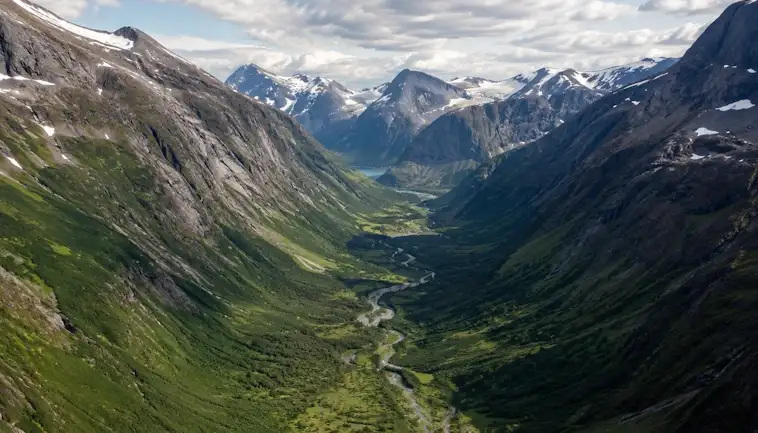
Glacial valleys are some of the most powerful reminders of Earth’s icy past. Over thousands of years, slow-moving glaciers carved through mountains and landscapes, leaving behind dramatic valleys, deep lakes, and rugged cliffs. Today, these formations still shape the natural world and attract millions of visitors every year.
Unlike rivers, which usually create narrow V-shaped valleys, glaciers form wide U-shaped valleys. This happens because glaciers move slowly but carry huge amounts of rock, ice, and debris. As a result, they grind away the land beneath them with enormous force.
Moreover, glacial valleys are more than just beautiful landscapes. They also tell the story of climate change, Earth’s geological history, and the movement of ancient ice sheets. From the towering fjords of Norway to the stunning Yosemite Valley in California, these landforms continue to influence ecosystems, tourism, and even weather patterns.
How Glaciers Created U-Shaped Valleys
As glaciers advanced across the land during the Ice Age, they eroded rock through a process called glacial abrasion. At the same time, rocks trapped in the ice scraped against the valley floor and walls. Over time, this widened and deepened existing valleys.
Key features of glacial valleys include:
- Steep valley walls
- Broad, flat valley floors
- Hanging valleys where smaller glaciers joined larger ones
- Deep lakes formed by melting glaciers
- Sharp mountain ridges called arêtes
These features make glacial valleys easy to recognize in many mountain regions around the world.
Why Glacial Valleys Still Matter Today
Glacial valleys continue to play an important role in modern life. For example, they provide freshwater sources, support wildlife habitats, and create fertile land for farming. In addition, many valleys are now major tourist destinations because of their breathtaking scenery.
Scientists also study these formations to better understand past climate cycles. By examining glacial erosion and sediment deposits, researchers can learn how Earth’s climate has changed over time. This information may even help predict future environmental shifts.
Some famous examples of glacial valleys include:
- Yosemite Valley in the United States
- Lauterbrunnen Valley in Switzerland
- Milford Sound in New Zealand
- The Norwegian fjords
- Glen Coe in Scotland
Ultimately, glacial valleys are more than ancient scars on the landscape. They are living records of Earth’s natural history and powerful examples of how ice can reshape an entire planet.
Ancient Ice Flows That Carved Stunning Mountain Landscapes
Mountains may look solid and unchanging today. However, many of the world’s most dramatic landscapes were shaped by moving ice over thousands of years. During the Ice Age, giant glaciers slowly pushed through valleys, scraped across rock, and carved deep paths through entire mountain ranges. As a result, they created some of the breathtaking scenery we still admire today.
From sharp peaks to wide valleys, glaciers transformed the natural world in powerful ways. Even though the ice eventually melted, the marks it left behind remain easy to spot. In fact, many famous mountain destinations owe their beauty to ancient ice flows. Places like the Alps, the Rockies, and the fjords of Norway all carry clear signs of glacial activity.
Today, scientists continue to study these frozen forces to better understand Earth’s climate history. At the same time, travelers are drawn to these landscapes because of their dramatic views and unique geological features.
How a Glacial Valley Was Formed
A Glacial Valley forms when a glacier moves slowly downhill through a mountain region. Unlike rivers, which usually create narrow V-shaped valleys, glaciers carve wide U-shaped valleys. This happens because the thick ice grinds against the valley floor and sides at the same time.
Over many centuries, the glacier cuts deeper into the landscape. Rocks trapped inside the ice act like sandpaper, smoothing surfaces and widening the valley. Eventually, the ice melts away and leaves behind steep walls, flat valley floors, and stunning natural scenery.
Many of the world’s most famous hiking areas sit inside former glacial valleys. These locations often include waterfalls, lakes, and dramatic cliff faces that attract photographers and outdoor lovers from around the world.
The Lasting Impact of Ancient Glaciers
Even after glaciers disappear, their influence remains visible for thousands of years. They leave behind ridges of rock, deep lakes, and polished stone surfaces that tell the story of Earth’s frozen past. In some regions, glaciers also helped shape ecosystems by redirecting rivers and creating fertile land.
Furthermore, these ancient ice flows continue to influence tourism, science, and conservation efforts today. As modern glaciers shrink because of climate change, researchers are racing to learn more about how glaciers shaped the planet — and what their disappearance could mean for the future.
How Massive Glaciers Created Valleys, Lakes, and Fjords
Millions of years ago, huge glaciers slowly moved across the land like giant rivers of ice. Although they moved very slowly, their power shaped many of the landscapes we see today. In fact, glaciers carved deep valleys, created beautiful lakes, and formed dramatic fjords that still attract visitors from around the world.
As glaciers advanced, they scraped and crushed rock beneath them. Over time, this constant movement changed entire regions. Then, when the climate warmed and the ice melted, it left behind some of Earth’s most stunning natural features.
Today, many famous landscapes in places like Norway, Canada, and New Zealand still show clear signs of this ancient ice activity.
How Glaciers Carved Deep Valleys
Glaciers transformed narrow river valleys into wide U-shaped valleys. Unlike rivers, which usually cut sharp V-shaped paths, glaciers spread across larger areas and eroded the land more evenly.
As the ice moved downhill, it carried rocks and debris underneath it. Consequently, this natural grinding process widened and deepened the landscape over thousands of years.
Key Effects of Glacial Erosion
- Created broad U-shaped valleys
- Removed huge amounts of rock and soil
- Formed steep cliffs and rugged mountain scenery
- Left behind rocky ridges and glacial deposits
- Changed river systems and drainage patterns
In addition, glaciers often dug deep basins into the ground. After the ice melted, these basins filled with water and became lakes. Many freshwater lakes around the world were formed this way.
Fjords developed in coastal regions where glaciers carved deep valleys below sea level. Later, ocean water flooded these valleys, creating long, narrow inlets surrounded by steep cliffs. Today, fjords are among the most breathtaking landscapes on Earth.
The Lasting Impact of Ice Age Valleys on Modern Geography
Ice Age valleys still shape the world we live in today. Although the glaciers that carved them disappeared thousands of years ago, their influence remains easy to see. From deep lakes and winding rivers to fertile farmland and busy towns, these landscapes continue to affect both nature and human life.
During the Ice Age, huge glaciers slowly moved across the land. As they advanced, they cut through mountains and rock with incredible force. Over time, this process created wide valleys with steep sides and flat floors. Unlike narrow river valleys, glacial landscapes often appear larger and more dramatic.
Today, many of these valleys guide the flow of rivers and transportation routes. In fact, several major cities around the world developed in or near former glacial valleys because the land offered access to water, trade, and farming opportunities. As a result, ancient ice movement still influences where people live and work.
How the Glacial Valley Continues to Shape Human Settlements
A Glacial Valley often provides fertile soil because glaciers leave behind mineral-rich sediments. This makes the land highly valuable for agriculture. In many regions, farmers continue to benefit from these natural deposits centuries after the ice melted.
In addition, glacial valleys attract millions of tourists every year. Their steep cliffs, lakes, and scenic trails make them popular destinations for hiking, skiing, and photography. Places such as the Alps and parts of Scandinavia owe much of their beauty to glacial erosion.
Modern Geography Still Reflects Ancient Ice Movement
The impact of glaciers goes beyond scenery alone. Many modern lakes were formed when glaciers carved deep basins into the earth. Furthermore, these valleys influence local weather patterns by directing wind and trapping moisture.
Scientists also study glacial valleys to better understand climate change. Since these landscapes preserve evidence of past ice activity, they offer important clues about how Earth’s climate has changed over time. Therefore, glacial valleys are not only part of our history but also key to understanding our future.
Famous Frozen Landscapes That Reveal Earth’s Geological Past
Frozen landscapes are more than beautiful places covered in ice and snow. In fact, they act like natural history books. Over thousands, and sometimes millions, of years, glaciers, ice sheets, and frozen valleys have shaped the Earth’s surface. As a result, scientists can study these icy regions to better understand climate change, ancient ecosystems, and the movement of continents.
Today, many of these frozen environments are changing faster than ever. Because of this, researchers are racing to uncover the secrets hidden beneath the ice before they disappear. At the same time, travelers are becoming more interested in these dramatic destinations, drawn by their beauty and scientific importance.
How Frozen Landscapes Preserve Earth’s History
Ice has an incredible ability to preserve the past. Layer after layer of snow becomes compressed over time, trapping tiny air bubbles, dust, and even ancient microorganisms. These frozen records help scientists track shifts in temperature, volcanic eruptions, and atmospheric changes from long ago.
Some frozen regions also expose rock formations that would normally stay hidden beneath soil or vegetation. Consequently, geologists can study Earth’s structure in remarkable detail.
Key Geological Discoveries Found in Frozen Regions
- Ancient climate data preserved in glacier ice cores
- Fossils of prehistoric plants and animals trapped in permafrost
- Evidence of past volcanic eruptions stored in ice layers
- Deep rock formations shaped by moving glaciers
- Signs of tectonic activity beneath polar ice sheets
- Meteorites that are easier to spot against snowy surfaces
One famous example is Antarctica. Scientists working there have uncovered ice that is more than a million years old. This frozen archive provides valuable clues about Earth’s climate cycles and helps researchers predict future environmental changes.
Another important location is Greenland Ice Sheet. The massive ice sheet contains layers that reveal how temperatures and greenhouse gas levels have shifted over time. In addition, melting ice in Greenland is exposing ancient landscapes that were buried for thousands of years.
Meanwhile, places like Jökulsárlón Glacier Lagoon show how glaciers continue to reshape the planet today. Visitors can see floating icebergs, volcanic rock formations, and active geological processes all in one location.
As technology improves, scientists are discovering even more hidden features beneath frozen terrain. From underground mountain ranges to ancient river systems, these icy landscapes continue to reveal new chapters of Earth’s geological story.
Conclusion: The Lasting Power of the Glacial Valley
The story of the glacial valley is really the story of Earth itself. These vast landscapes were carved over thousands of years by slow-moving ice, yet their impact can still be seen today in mountains, lakes, rivers, and fertile valleys across the world. From dramatic cliffs to deep U-shaped valleys, glaciers reshaped entire regions and changed the path of nature forever.
Today, a glacial valley is more than just a beautiful place to explore. It is a reminder of how powerful natural forces can transform the planet over time. In addition, these landscapes continue to support wildlife, tourism, farming, and scientific research. As climate change accelerates glacier loss in many regions, understanding the history and importance of the glacial valley has become even more important.
Whether found in North America, Europe, New Zealand, or beyond, these stunning valleys connect us to Earth’s ancient past while also shaping its future. Their beauty, scale, and geological importance ensure that glacial valleys will continue to fascinate generations to come.