Declining Rivers Expose Hidden Threats to Daily Life
Declining Rivers Expose Hidden Threats to Daily Life and Local Communities
Declining rivers are becoming a growing concern as lower water levels reveal problems that affect far more than the natural world. From drinking water supplies to farming and transport, many parts of daily life depend on healthy waterways. As rivers shrink, hidden risks that once stayed out of sight are starting to surface.
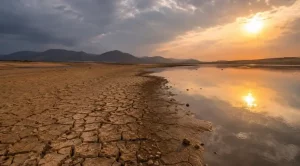
Communities around the world are already seeing the effects. Reduced water flow can damage ecosystems, threaten food production, increase pollution, and disrupt local economies. In some areas, old industrial waste, buried infrastructure, and long-forgotten hazards are being exposed as riverbeds dry out.
Understanding these changes is becoming more important as climate pressures and rising demand for water continue to reshape the landscape. The challenges linked to declining rivers highlight how closely human health, economic stability, and the environment are connected, making the issue one that affects everyone.
What You’ll Discover
Declining Rivers Disrupt Water Supplies and Food Systems
Why Falling Water Levels Are Raising New Risks
How Hidden Pollution Threatens Communities
The Growing Impact on Energy and Transport Networks
What Can Be Done to Protect Everyday Life
Conclusion: Why Declining Rivers Matter More Than Ever
Declining Rivers Disrupt Water Supplies and Food Systems
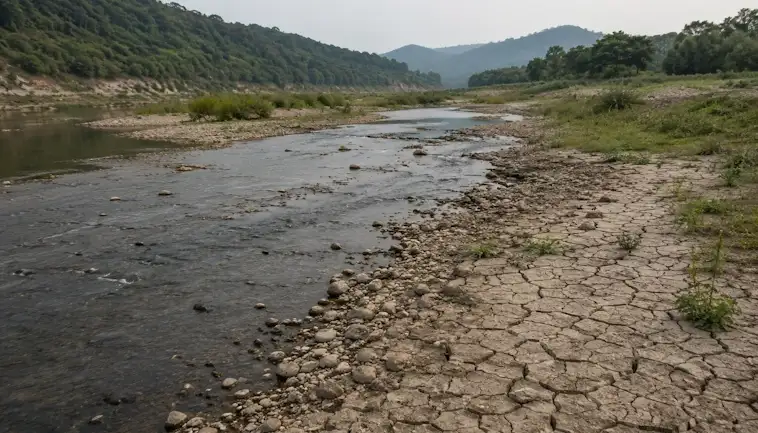
Rivers do much more than move water from one place to another. They support cities, farms, industries, and ecosystems. However, many rivers around the world are shrinking. Rising temperatures, changing rainfall patterns, and growing demand for water are putting extra pressure on these vital resources.
As river levels fall, communities face serious challenges. Fresh water becomes harder to access. Farmers struggle to irrigate crops. At the same time, fish populations decline, and natural habitats suffer. As a result, the effects reach far beyond the riverbanks.
Moreover, lower river flows can reduce crop yields and threaten food supplies. In some areas, this leads to higher food prices and increased pressure on already vulnerable communities. Therefore, protecting rivers is closely linked to protecting both water security and global food systems.
How Lower River Levels Affect Daily Life
The impact of shrinking rivers is often felt in everyday life. In fact, millions of people depend on healthy rivers for drinking water, farming, and economic activity.
Key Challenges Created by Declining Rivers
- Reduced access to clean drinking water for households and communities.
- Less water available for irrigation, leading to lower crop production.
- Increased food prices due to smaller harvests.
- Damage to freshwater ecosystems and wildlife habitats.
- Greater competition between agriculture, industry, and households for limited water supplies.
- Disruptions to fisheries that provide food and income for millions of people.
- Lower hydropower generation, which can affect electricity supplies.
- Increased risk of drought and water shortages during dry seasons.
Looking ahead, managing water more efficiently will become increasingly important. Governments, farmers, and local communities all have a role to play. Improved irrigation systems, water conservation measures, and better planning can help reduce pressure on rivers.
Although the challenges are significant, taking action now can help secure reliable water supplies and protect food systems for future generations.
Why Falling Water Levels Are Raising New Risks
Across the world, rivers, lakes, and reservoirs are shrinking. In many places, long dry spells, rising temperatures, and growing demand for water are making the problem worse. As a result, lower water levels are creating new challenges that affect people, businesses, and ecosystems alike.
At first, the impact may seem small. However, declining water levels can quickly disrupt daily life. Shipping routes become harder to navigate. Farmers face water shortages. Meanwhile, power stations that depend on rivers for cooling can struggle to operate efficiently.
There are also hidden dangers. Lower water levels often expose pollutants that were once buried under sediment. In addition, warmer and slower-moving water can lead to poor water quality and harmful algae blooms. These changes can threaten wildlife and create health concerns for nearby communities.
Furthermore, falling water levels increase the risk of wildfires in some regions. Dry riverbanks and wetlands lose their natural ability to hold moisture. Consequently, landscapes become more vulnerable during periods of extreme heat.
Declining Rivers Are Changing Communities and Industries
Communities that rely on rivers are already feeling the effects. Fishermen face smaller catches. Farmers must adapt to changing water supplies. At the same time, cargo ships are carrying lighter loads because some waterways are too shallow for normal traffic.
Many industries are also being forced to rethink how they use water. As conditions change, businesses are investing in new technologies and conservation efforts. Although these solutions can help, they often come with higher costs.
Hidden Environmental Threats Beneath Lower Water Levels
Another concern is what happens below the surface. As rivers and lakes shrink, old contaminants and sediments can become exposed. This process may release harmful substances back into the environment.
In addition, fish and other aquatic species lose important habitats. Smaller waterways can also become warmer, reducing oxygen levels and putting extra stress on wildlife. Therefore, protecting water resources is becoming more important than ever.
Looking ahead, experts believe that managing water wisely will play a key role in reducing future risks. By improving conservation efforts and investing in sustainable solutions, communities can become better prepared for a world with less available freshwater. For example, the United Nations Environment Programme highlights the importance of protecting water quality and freshwater ecosystems for long-term resilience.
How Hidden Pollution Threatens Communities
Most people think of pollution as something they can see. However, many of the biggest threats are invisible. Tiny particles in the air, chemicals in the soil, and contaminants in water supplies often go unnoticed. Yet, they can have a lasting effect on people, wildlife, and entire neighborhoods.
What makes hidden pollution so concerning is that it often builds up slowly. As a result, communities may not realize there is a problem until health issues start to appear. In many cases, vulnerable groups such as children, older adults, and low-income families face the greatest risks.
Moreover, pollution does not always stay where it starts. Contaminated air can travel for miles, while harmful substances can seep into rivers and groundwater. Because of this, one source of pollution can affect many communities over time.
The Everyday Impact on Local Communities
Hidden pollution touches many parts of daily life. Although the effects are not always obvious, they can influence health, quality of life, and local economies.
Many pollutants come from places people encounter every day, including:
- Vehicle emissions and traffic-related air pollution.
- Industrial plants and manufacturing facilities.
- Agricultural chemicals that enter streams and groundwater.
- Aging pipes that can release harmful substances into drinking water.
- Household products that contain toxic chemicals.
- Landfills and waste sites that contaminate nearby soil and water.
These sources may seem unrelated. However, together they can create serious problems for communities.
Why Some Areas Face Greater Risks
Certain neighborhoods experience higher levels of pollution because of their location and infrastructure. For example:
- Communities near highways often deal with poor air quality.
- Areas close to factories may face chemical exposure.
- Older housing can contain lead, asbestos, or contaminated plumbing.
- Flood-prone regions may spread pollutants into homes and water supplies.
- Limited access to healthcare can make pollution-related illnesses harder to manage.
Therefore, hidden pollution is not just an environmental issue. It is also a public health and social challenge. By understanding these unseen dangers, communities can take steps to improve air quality, protect water supplies, and create healthier places to live.
The Growing Impact on Energy and Transport Networks
Rivers do far more than shape landscapes. They also support the systems that keep modern life moving. From generating electricity to carrying goods across countries, healthy waterways play a vital role. However, changing weather patterns and lower water levels are putting these networks under growing pressure.
As rivers shrink, the effects spread far beyond the riverbanks. Power generation becomes less reliable. Shipping routes face delays. In addition, industries that depend on water transport are seeing higher costs and more uncertainty. As a result, governments and businesses are being forced to rethink how they manage resources and build future infrastructure.
Although technology is helping to reduce some risks, many regions are discovering that long-term solutions are needed. Investing in more resilient energy systems and transport networks is becoming increasingly important. Therefore, understanding the challenges created by lower river levels is essential for future planning.
How Lower Water Levels Are Affecting Energy Supplies
Many power stations depend on rivers for cooling and electricity production. Hydroelectric dams, in particular, rely on steady water flows to generate energy. However, prolonged dry periods and rising temperatures are reducing water availability in several parts of the world.
This has already led to lower electricity output in some regions. Consequently, energy prices can rise, and power supplies may become less stable during periods of high demand. Nuclear and thermal power plants can also face restrictions when river temperatures become too high or water levels drop too low.
Because of these challenges, countries are investing in renewable energy sources that rely less on large volumes of water. Solar and wind power are becoming an important part of building stronger and more reliable energy systems. According to the International Energy Agency, renewable energy is expected to play an increasingly important role in improving energy security.
Declining Rivers and the Future of Global Transport
Declining rivers are also changing the way goods move around the world. Major waterways have long provided cost-effective transport routes for raw materials, food, and manufactured products. Yet lower water levels are making navigation more difficult.
Ships are often forced to carry lighter loads, which increases transport costs. In some cases, vessels cannot travel at all. As a result, supply chains can experience delays, and businesses may need to shift cargo to roads or rail networks.
Furthermore, these alternative transport methods are usually more expensive and can produce higher carbon emissions. This creates new challenges for industries that rely heavily on river trade. The United Nations Economic Commission for Europe highlights the importance of maintaining inland waterways for sustainable transport.
Looking ahead, many countries are investing in improved infrastructure and smarter logistics systems. While these efforts can reduce disruptions, protecting rivers themselves remains a key part of maintaining efficient transport networks in the years ahead. The World Bank’s water resources programme emphasizes that better water management is essential for economic resilience and long-term development.
What Can Be Done to Protect Everyday Life
Modern life depends on many connected systems. From electricity and water supplies to banking and communication, people rely on these services every day. Therefore, keeping them safe is more important than ever.
While large-scale threats can seem overwhelming, there are practical steps that governments, businesses, and individuals can take. In fact, many simple actions can help reduce risks and make communities more resilient. By preparing in advance and strengthening key systems, everyday life can continue with fewer disruptions, even during difficult times.
Strengthening Essential Services and Communities
Protecting daily life starts with making critical services more reliable. At the same time, communities and households can also play an important role. Working together creates stronger networks and improves resilience.
Practical Steps That Make a Difference
Governments, businesses, and individuals can all help by taking sensible measures, including:
- Improving the security of power grids and communication networks.
- Investing in stronger water, transport, and healthcare systems.
- Developing emergency plans for natural disasters and other disruptions.
- Encouraging businesses to build backup systems and supply chains.
- Increasing public awareness through education and preparedness programs.
- Supporting local communities and volunteer organizations.
- Keeping emergency supplies at home, such as food, water, and medications.
- Protecting personal information with strong passwords and secure devices.
- Staying informed through trusted news sources and official alerts.
- Promoting international cooperation to address shared threats.
Although no system can remove every risk, preparation can make a major difference. As technology continues to evolve, new solutions will emerge. Consequently, a combination of smart planning, stronger infrastructure, and community support will help protect everyday life and create a more secure future for everyone.
Conclusion: Why Declining Rivers Matter More Than Ever
Declining rivers are becoming a growing concern that affects far more than the environment. From drinking water and food supplies to transport, energy production, and local economies, the impact reaches into everyday life. As water levels continue to change, hidden risks are becoming harder to ignore.
However, there is still time to act. Better water management, smarter farming methods, and stronger conservation efforts can help protect these vital waterways. In addition, new technologies and greater public awareness are creating fresh opportunities to tackle the problem.
Understanding the effects of declining rivers is the first step. By supporting sustainable solutions today, communities can help secure clean water, healthy ecosystems, and a more stable future for generations to come.