
Why Saving Species Matters to Everyone
Why Saving Species Matters to Everyone
Saving species isn’t just for scientists or nature enthusiasts; it’s crucial for everyone. Think about how diverse plants and animals support everything from medicine to the economy. When we lose a species, the effects ripple through ecosystems, economies, and even our cultural heritage. This is why preserving biodiversity impacts us all, from the food we eat to the medicines we depend on. Let’s look at why every plant, animal, and insect plays an important role in our lives and what we can do to protect our planet’s invaluable biodiversity.
What You’ll Discover
How Certain Species Structure Entire Ecosystems
The Financial Benefits of Biodiversity
Biodiversity and Medical Innovations
Cultural Heritage and Natural Inspiration
Economic Benefits of Wild Spaces
The Role of Biodiverse Ecosystems
Pollination and Food Security
Reducing the Need for Chemicals
How Certain Species Structure Entire Ecosystems
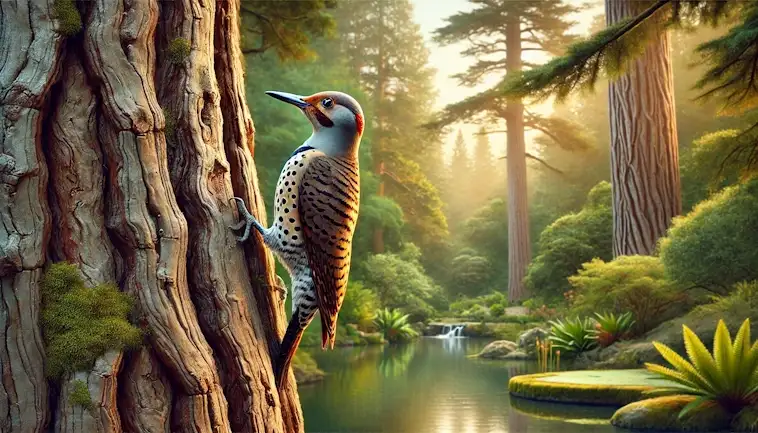
Keystone species have a massive impact on their ecosystems, much bigger than you might guess just by looking at their size or numbers. These species hold their ecosystems together, much like a keystone in an arch holds the arch in place. If you remove them, the entire structure could crumble. That’s exactly what could happen in an ecosystem without its keystone species.
Take beavers, for example. They’re known for their habit of building dams across streams. This might seem like a small activity, but it has a huge effect. These dams create wetlands, which are essential for many other species. Wetlands are not just water; they are vibrant ecosystems that provide a home for many plants and animals. Fish, birds, and plants thrive in the habitats created by beaver dams. Without beavers, these wetlands would disappear.
Beavers are just one example. There are many other keystone species out there, each with its unique role. What they all have in common is their ability to shape their habitats in ways that benefit many other organisms. By doing what they do best—whether it’s beavers building dams, wolves regulating prey populations, or sea otters keeping sea urchin numbers in check—they maintain the balance of their ecosystems. Their activities help make sure their environments remain healthy and productive.
The disappearance of a keystone species can lead to dramatic changes. These changes can destabilise the ecosystem, leading to a loss of biodiversity. In some cases, the ecosystem might never fully recover. That’s why understanding and protecting these keystone species is crucial for conservation efforts. They’re not just any animal or plant; they’re the ones holding the whole ecosystem together. By protecting them, we protect a whole world of species.
The Financial Benefits of Biodiversity
Biodiversity is like a huge, bustling city filled with different services that help keep everything running smoothly. Just like in a city, in nature, every species has a job that contributes to the well-being of the ecosystem and, in turn, to our economy.
Take bees, for example. These little workers play a crucial role in pollinating plants. This isn’t just about making the fields look pretty; it’s about food. About one-third of the food we eat depends on pollination. That includes many fruits, vegetables, and nuts. Without bees, our grocery stores would have a lot fewer options. The work bees do for pollination is so important that it adds billions of dollars to the global economy every year. They help increase crop yields and improve the quality of the food produced, which is a big deal for farmers and consumers.
But bees are just one part of a much larger picture. Biodiversity supports other industries too, like forestry and fisheries. These sectors rely on a variety of species to keep their environments healthy. Healthy forests and oceans mean we can harvest timber and fish sustainably, supporting jobs and providing resources we depend on.
Even beyond food and raw materials, biodiversity is key to the pharmaceutical industry. Many medicines come from natural products. These medicines come from plants, animals, and even microbes. The more diverse these ecosystems are, the higher the potential for discovering new medicines.
Biodiversity isn’t just good for the environment; it’s essential for our economy. It supports jobs, contributes to our health, and helps ensure food security. Protecting biodiversity means protecting the foundation of many sectors of our economy. It’s all connected, and it all starts with the variety of life that surrounds us.
Biodiversity and Medical Innovations
Nature is not just a wonder to behold; it’s a treasure trove of potential cures and treatments. Many medicines we rely on today started as compounds found in plants and animals. Each species could hold the key to a new medical breakthrough, making the preservation of biodiversity essential for future health advancements.
One standout example is the rosy periwinkle plant. This humble plant, native to Madagascar, has had a huge impact on medicine. Scientists discovered that it has compounds that are effective in treating serious diseases like childhood leukaemia and Hodgkin’s lymphoma. Thanks to the rosy periwinkle, thousands of lives have been saved, and the quality of life for many patients has improved dramatically.
This is just one example, but there are countless others. The Pacific yew tree, for example, provided us with Taxol, a drug that has become a cornerstone in the fight against ovarian and breast cancer. And it’s not just plants—venom from creatures like snakes and cone snails is being studied for its potential for pain management and other conditions.
Every species has unique genetic material, and within their DNA could lie the next great discovery in medicine. However, as species disappear, so does the chance to find new treatments for diseases that affect millions of people worldwide. That’s why protecting every plant and animal is about more than just conservation—it’s a crucial investment in our own health and future.
So, when we talk about saving rainforests, coral reefs, and other biodiversity hotspots, we’re not just saving trees, fish, and animals. We’re potentially saving our future selves. We’re keeping the doors open for medical innovations that could one day cure diseases we now think of as incurable.
Cultural Heritage and Natural Inspiration
Across the globe, many cultures have profound connections with the natural world, especially with specific species that embody deep spiritual, totemic, and historical significance. These connections are integral to their identity, traditions, and the way they understand the world around them.
For many Indigenous groups, certain animals and plants are not just part of the landscape; they are central to their cultural stories and daily lives. These species are often seen as ancestors, symbols of clan identity, or spiritual guardians. For instance, the eagle is revered in many Native American cultures for its strength and vision, embodying wisdom and a connection to the divine. Similarly, the Māori of New Zealand consider the Kiwi bird as a protector of the forest.
These cultural ties also extend to knowledge systems. Indigenous knowledge, passed down through generations, often includes a detailed understanding of local species and ecosystems. This knowledge isn’t just folklore; it includes insights into the medicinal uses of plants, sustainable harvesting practices, and the behaviours of animals. This knowledge results from living in close harmony with nature, observing and learning from the environment over centuries.
Preserving these connections is crucial not just for biodiversity, but also for maintaining cultural diversity and cohesion. When a species that is a totem or a key part of a group’s cultural heritage is threatened, it can shake the foundations of the community. Losing such species can mean losing a part of the culture itself.
So protecting these species is about more than conservation—it’s about respecting and safeguarding human heritage. Each species lost could mean a loss of a story, a piece of knowledge, a part of an identity. In our efforts to protect the environment, acknowledging and supporting these cultural connections is essential. It enriches our global heritage and makes sure diverse ways of understanding the world are preserved for future generations.
Economic Benefits of Wild Spaces
Natural areas are big draws for millions of visitors from around the globe. Places like the vast savannas of Africa or the dense rainforests of the Amazon aren’t just beautiful; they’re also vital to local economies thanks to ecotourism. This kind of tourism focuses on visiting pristine, often protected, areas, offering both education and incredible experiences in nature.
Think about the African elephants, for example. These majestic creatures are a huge part of why people travel to places like Kenya or Botswana. Tourists come from far and wide to glimpse them in the wild. It’s a thrilling experience, but it also brings a lot of money into the local economy. This money then creates jobs and provides stable income sources for many communities.
Similarly, the exotic birds of the Amazon are another big tourist magnet. Bird watchers and nature lovers often travel thousands of miles to see the incredible biodiversity of the Amazon. From vibrant macaws to elusive toucans, the bird life is a key attraction that supports many local businesses, from guides and lodges to restaurants and souvenir shops.
This influx of tourists motivated by nature helps support local communities and highlights the importance of conservation. When tourists visit these natural areas, they bring funding that helps protect these environments. This funding can be used for park services, conservation projects, and education programs that teach people about protecting these unique ecosystems.
Every tourist who visits natural areas contributes to a cycle of sustainability. They help provide the financial resources needed to maintain these habitats, making sure future generations can also enjoy and learn from them. This makes ecotourism a powerful tool for both economic development and environmental conservation. It’s a win-win for everyone involved—local communities thrive, tourists get unforgettable experiences, and nature gets the protection it needs to flourish.
The Role of Biodiverse Ecosystems
Forests, wetlands, and oceans aren’t just beautiful natural spaces; they’re also crucial in the fight against climate change. These areas are rich in biodiversity and play a key role in trapping carbon dioxide, a major greenhouse gas. By holding onto this carbon, they help cool down the planet.
Let’s talk about mangrove swamps first. These unique ecosystems are found along coastlines and are incredible at storing carbon. Mangrove roots dig deep into the soil, trapping carbon-rich materials underwater. This prevents the carbon from returning to the atmosphere. Mangroves are so effective that they can store more carbon in their soil than most other forests can.
Tropical rainforests are another big player. They’re often called the “lungs of the Earth” because they breathe in carbon dioxide and breathe out oxygen. The dense vegetation in rainforests absorbs huge amounts of carbon during photosynthesis. When you think about the vast Amazon or the Congo Basin, you’re looking at some of the world’s largest natural carbon storages.
Then there are our oceans. They cover about 70% of the Earth’s surface and absorb about a quarter of all the carbon dioxide that humans produce. Seaweed, for example, grows quickly and absorbs carbon dioxide in the process. Even the tiny phytoplankton, which are too small to see with the naked eye, play a big part in carbon capture.
Protecting these natural carbon sinks is vital. When forests are cut down or wetlands are drained, not only is their ability to store carbon lost but the stored carbon can also be released back into the atmosphere. This makes global warming worse.
So, conserving these areas is more than just about keeping nature intact—it’s about actively regulating the Earth’s climate. Every bit of forest, swamp, and ocean we save is a step toward a cooler, more stable climate.
Pollination and Food Security
Pollinators like bees, butterflies, and birds are important players in our global food system. In fact, they affect 35% of the world’s crop production. This means that a big chunk of the food we eat every day relies on these tiny workers. They help increase the outputs of 87 of the leading food crops around the world. We’re talking about many of the fruits, vegetables, and nuts that fill our grocery stores and market stalls.
Let’s break down what pollination actually does. When pollinators visit flowers to drink nectar, they move pollen from one flower to another. This process fertilises the plants, letting them grow fruit and seeds. So, without pollinators, many plants couldn’t produce food at all. This isn’t just about making sure we have enough tomatoes or almonds; it’s about maintaining a diverse diet that keeps us healthy and satisfied.
However, these essential species are in trouble. Their numbers are declining because of things like pesticide use, habitat loss, and climate change. This decline poses a real threat—not just to them, but to us as well. Without enough pollinators, many of our crops wouldn’t grow as well. This means less produce, which could lead to higher food prices and less variety. The stakes are high because it affects food security, a fundamental need for all people.
This is why protecting pollinators is so critical. It’s not just about saving the bees for their sake; it’s about ensuring our own future food supply. Creating environments where pollinators can thrive is key. This can mean planting more flowers, reducing pesticide use, and restoring habitats. Each step we take to help pollinators helps secure our own food sources. So, by saving these creatures, we’re saving ourselves.
Reducing the Need for Chemicals
Biodiversity plays a big role in keeping our farms healthy and our food pesticide-free. How does it do that? By using natural predator-prey relationships to control pests. This means less need for chemical pesticides, which can be harmful to both the environment and our health.
Think about a farm that’s buzzing with different species. Birds, bats, spiders, and insects like ladybugs are all busy at work. These creatures are natural predators for many pests that damage crops. For example, birds and bats eat tons of insects that might otherwise munch on plants. Ladybugs are famous for their appetite for aphids, a common pest that can ruin crops.
By maintaining a diverse ecosystem, farms can naturally keep pest populations under control. This natural control is really important. It means farmers can rely less on chemical pesticides. These chemicals often don’t just kill pests; they can also harm other wildlife, pollute waterways, and even affect the health of people working on or living near farms.
Using nature’s own solutions also helps create healthier, more sustainable farming environments. Crops grown with fewer chemicals are better for the soil and the ecosystems around them. They can also be better for us, reducing our exposure to potentially harmful residues on our food.
This approach supports biodiversity. When farms welcome natural predators, they are supporting a range of species. This can make the farm’s local environment more balanced and resilient to diseases and changes in climate.
So, protecting and encouraging biodiversity isn’t just good for nature; it’s practical for farming too. It helps us grow food in a way that’s better for the Earth and for ourselves. It’s a win-win situation—healthier crops and a healthier planet.
Conclusion
Saving species matters to everyone because it’s about protecting our home, health, and future.
Healthy ecosystems provide us with clean air, water, and food. They also hold potential cures for diseases and help fight climate change by storing carbon.
Every species plays a role in its ecosystem, and losing even one can throw the balance off, leading to unforeseen problems.
By protecting biodiversity, we’re not just saving animals and plants; we’re making sure our planet remains a liveable, vibrant place for future generations.
Let’s cherish and safeguard our natural world—it’s the smartest investment we can make.