
Global Pollution Is Silently Destroying Places We Love Most
Global Pollution Is Ruining the World’s Most Beautiful and Beloved Places
Global pollution is changing the world in ways many people barely notice. From once-pristine beaches to ancient forests and vibrant coral reefs, some of the planet’s most treasured places are under growing pressure from contaminated air, plastic waste, toxic chemicals, and rising temperatures.
Many of these destinations hold deep cultural, environmental, and personal value. Yet pollution is slowly damaging ecosystems, threatening wildlife, and altering landscapes that have inspired generations. Without greater awareness and action, future generations could inherit a world where many of these remarkable places have been permanently changed.
Understanding how pollution affects the places people cherish most is an important step toward protecting them. The choices made today will play a major role in determining whether these natural wonders can recover and continue to thrive in the years ahead.
What You’ll Discover
How Global Pollution Is Changing the Places We Treasure
The Hidden Damage to Oceans, Forests, and Rivers
Why Pollution Is Threatening Natural Wonders Worldwide
The Human Cost of Environmental Decline
Can We Still Protect the Places We Love Most?
Conclusion: Tackling Global Pollution Starts With Us All
How Global Pollution Is Changing the Places We Treasure
The world is full of places that inspire us. From crystal-clear beaches and ancient forests to vibrant coral reefs and snow-covered mountains, these landscapes hold special memories and support countless forms of life. Yet, many of these treasured places are under growing pressure.
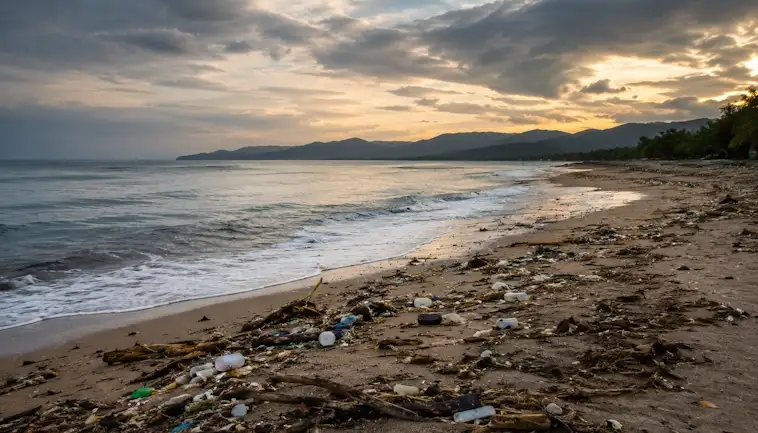
Global pollution is changing our environment faster than ever before. Plastic waste is washing onto once-pristine coastlines. Air pollution is damaging forests and contributing to climate change. Meanwhile, chemicals and industrial waste are finding their way into rivers, lakes, and oceans.
As a result, the places we love are beginning to look and feel different. Wildlife is struggling to survive, ecosystems are becoming less healthy, and many destinations are losing the natural beauty that made them special in the first place.
The Most Visible Signs of Environmental Damage
The effects of pollution can now be seen almost everywhere. In many cases, the changes are impossible to ignore.
- Beaches covered in plastic debris.
- Coral reefs losing their colour and dying.
- Forests damaged by poor air quality and rising temperatures.
- Rivers and lakes contaminated by chemicals and waste.
- Wildlife populations declining because of polluted habitats.
- Glaciers and ice caps melting at alarming rates.
Why These Changes Matter to Everyone
Environmental damage is not just a problem for scientists or conservation groups. It affects all of us in different ways.
- Natural spaces help support tourism and local economies.
- Healthy ecosystems provide clean air and fresh water.
- Biodiversity plays a vital role in maintaining balance in nature.
- Many communities depend on these environments for their livelihoods.
- Future generations may never experience some of these places as we know them today.
A growing body of research highlights how pollution is reshaping ecosystems worldwide. For example, Science Insights explains how air, ocean, and soil pollution are accelerating biodiversity loss and altering natural landscapes at a global scale.
The good news is that awareness is growing. Around the world, people are taking action to reduce pollution and protect the environments they care about. Although the challenges are significant, every positive step can help preserve the places we treasure for years to come.
The Hidden Damage to Oceans, Forests, and Rivers
Pollution does not simply disappear once it leaves our homes, factories, or streets. Instead, it often ends up in the natural places that keep our planet alive. Our oceans, forests, and rivers are paying a heavy price for the waste we create every day.
At first glance, the damage may seem far away. However, it affects all of us more than we realise. Polluted rivers can contaminate drinking water. Damaged forests can no longer absorb as much carbon dioxide. Meanwhile, plastic-filled oceans threaten marine life and disrupt entire ecosystems.
The problem is also growing faster than many people expected. As populations increase and industries expand, more waste enters the environment each year. As a result, many natural habitats are struggling to recover.
How Global Pollution Is Changing Natural Ecosystems
Global Pollution is putting enormous pressure on ecosystems across the world. Every year, millions of tonnes of plastic, chemicals, and industrial waste find their way into rivers and seas. Consequently, fish, birds, and other wildlife are exposed to dangerous substances that can affect their health and survival.
Forests are also under threat. Air pollution and acid rain weaken trees and damage the soil they depend on. Over time, entire woodland areas can become less resilient to disease, drought, and extreme weather.
The Ripple Effect on People and Wildlife
The damage does not stop with nature. When rivers become polluted, communities can lose access to clean water and healthy fish stocks. Similarly, when forests decline, local economies and wildlife habitats suffer.
In the oceans, the effects can be even more dramatic. Marine animals often mistake plastic for food, leading to injury or death. At the same time, polluted waters can destroy coral reefs and reduce biodiversity.
Protecting these natural environments is not only about saving wildlife. It is also about protecting the systems that provide us with clean air, fresh water, and a stable climate. The health of our planet and our own wellbeing are deeply connected.
Why Pollution Is Threatening Natural Wonders Worldwide
From towering mountains to crystal-clear lakes, natural wonders have inspired people for centuries. They are more than beautiful places to visit. They support wildlife, protect ecosystems, and connect us to the natural world. However, many of these incredible places are now under serious threat.
Pollution is one of the biggest challenges facing natural landmarks today. Plastic waste is washing onto remote beaches. Air pollution is damaging forests and glaciers. Meanwhile, chemicals and sewage are polluting rivers and oceans. Even places that once seemed untouched are feeling the effects.
For example, the UN Environment Programme reports that plastic pollution has reached even the most remote natural sites, disrupting ecosystems and harming wildlife.
As global travel and industrial activity continue to grow, the problem is becoming harder to ignore. In many cases, pollution is changing these landscapes faster than nature can recover. As a result, some of the world’s most famous natural wonders could look very different in the future.
How Different Types of Pollution Are Damaging Natural Wonders
Pollution affects natural sites in many ways. While some damage is easy to see, other impacts happen slowly over time.
The Main Sources of Pollution Affecting Natural Landscapes
- Plastic waste pollutes beaches, rivers, and marine ecosystems.
- Air pollution contributes to acid rain and damages forests and rock formations.
- Industrial chemicals contaminate lakes, rivers, and groundwater.
- Oil spills destroy fragile coastal and marine environments.
- Untreated sewage harms water quality and threatens wildlife.
- Greenhouse gas emissions accelerate climate change and glacier melting.
- Tourism-related litter and waste put extra pressure on protected areas.
These threats do not only harm the environment. They also affect local communities, tourism industries, and future generations who may never experience these places in their natural state. Therefore, protecting the world’s natural wonders from pollution has become more important than ever.
The Human Cost of Environmental Decline
Environmental decline is often discussed in terms of melting ice caps, rising sea levels, and disappearing forests. However, the real story goes much deeper. Behind every polluted river and damaged ecosystem are people whose lives are being changed in ways that cannot be ignored.
Communities around the world are already feeling the effects of a changing environment. Farmers struggle with poor harvests because of drought and changing weather patterns. Families lose their homes due to flooding and extreme storms. At the same time, many people face growing health problems caused by dirty air and contaminated water.
The burden is not shared equally. In fact, the world’s poorest communities often suffer the most. They usually have fewer resources to recover from natural disasters or adapt to environmental changes. As a result, environmental decline is becoming a major social and economic issue, not just an environmental one.
Global Pollution and Its Impact on Human Health
Global pollution affects nearly every part of our daily lives. Air pollution increases the risk of heart disease, breathing problems, and certain types of cancer. Meanwhile, polluted water spreads disease and threatens food supplies in many regions.
As cities continue to grow and industries expand, the challenge becomes even greater. Without meaningful action, millions more people could face serious health risks in the years ahead.
Why Vulnerable Communities Pay the Highest Price
People living in low-income areas are often located closer to factories, busy roads, and polluted waterways. Because of this, they experience higher levels of environmental hazards than wealthier communities.
Children and older adults are especially at risk. Poor air quality can affect childhood development, while extreme heat and pollution can worsen existing health conditions among the elderly. Therefore, protecting the environment is also about protecting human lives and creating a fairer future for everyone.
The human cost of environmental decline is impossible to measure fully. Yet one thing is clear: when the environment suffers, people suffer too. Recognising this connection is the first step toward building healthier communities and a more sustainable world.
Can We Still Protect the Places We Love Most?
There is something special about the places that mean the most to us. It could be a quiet beach, a local woodland, a beautiful lake, or a favourite walking trail. These places hold memories and give us a sense of peace. Yet many of them are under growing pressure.
Climate change, pollution, overdevelopment, and rising visitor numbers are changing landscapes around the world. In some cases, the damage is happening faster than many people realise. As a result, an important question is becoming harder to ignore: can we still protect the places we love most?
The good news is that there is still hope. Around the world, communities, conservation groups, and everyday people are stepping up to make a difference. Many organisations are leading global conservation efforts that help restore ecosystems and protect natural spaces. While the challenges are significant, small actions can create lasting change when enough people work together.
Why These Places Matter More Than Ever
Natural spaces are much more than beautiful locations. They support wildlife, improve our mental health, and help communities thrive. They also play a key role in protecting the environment for future generations.
Some of the benefits include:
- Providing habitats for plants and animals.
- Improving air and water quality.
- Supporting local tourism and jobs.
- Helping reduce the effects of climate change.
- Giving people places to relax and connect with nature.
Simple Actions Can Have a Big Impact
Protecting special places does not always require large-scale projects. In fact, small everyday choices often make a real difference.
You can help by:
- Supporting local conservation projects.
- Reducing litter and plastic use.
- Respecting wildlife and protected areas.
- Choosing sustainable travel options.
- Volunteering in community clean-up events.
- Sharing awareness and encouraging others to get involved.
For those wanting to understand the bigger picture, organisations like the United Nations Environment Programme offer trusted environmental protection and climate action research that highlights the challenges facing natural spaces worldwide.
The future of our favourite places is not set in stone. Every positive action, no matter how small, helps protect the landscapes and communities we care about. The places we love have given us so much over the years. Now, more than ever, they need our help in return.
Conclusion: Tackling Global Pollution Starts With Us All
Global pollution is one of the biggest challenges facing our planet today. From polluted air and contaminated oceans to growing piles of plastic waste, its effects can be seen in every corner of the world. However, there is still hope. Governments, businesses, and individuals all have a role to play in reducing pollution and protecting the environment for future generations.
Small actions can make a big difference. Using less plastic, recycling more, supporting clean energy, and making sustainable choices in our daily lives can all help reduce the impact of global pollution. At the same time, stronger environmental policies and international cooperation are essential to address pollution on a larger scale.
The future of our planet depends on the decisions we make today. By working together and taking meaningful action, we can slow the spread of global pollution and create a cleaner, healthier, and more sustainable world for everyone.