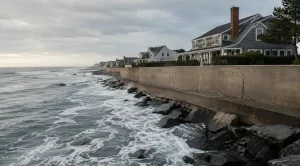
Vanishing Wetlands: Our World on the Brink
Vanishing Wetlands: Our World on the Brink
Wetlands are disappearing faster than we realise, and it’s a big problem—not just for the plants and animals that call them home, but for all of us. These natural treasures do so much, from purifying our water to providing homes for countless species and even slowing down climate change by storing carbon. But as they shrink, we’re all at risk. Today, let’s look closely at why these ecosystems are vital and what’s causing their decline. It’s time to understand how important wetlands are and what we can do to save them.
What You’ll Discover
The Waning World of Wetlands
The Ecological Role of Wetlands in Biodiversity
Wetlands and Water: Purifiers of Our Planet
Climate Champions: Wetlands and Carbon Sequestration
Threats Facing Wetlands: From Drainage to Degradation
Community and Culture: The Human Connection to Wetlands
Conservation Efforts and Restoration Successes
What You Can Do to Help Preserve Wetlands
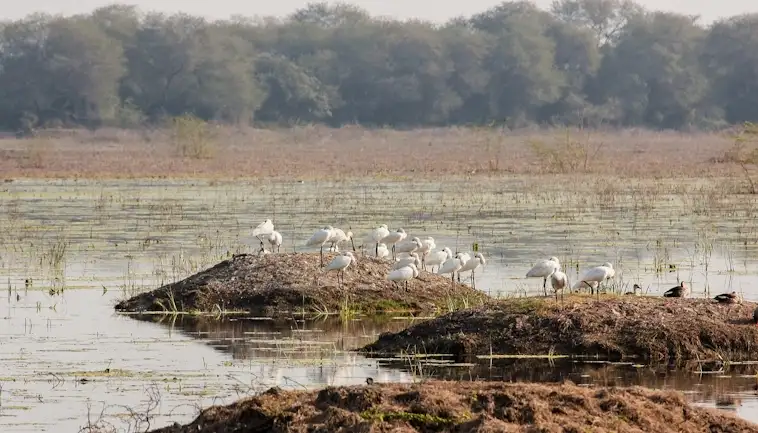
The Waning World of Wetlands
Wetlands are among the most valuable ecosystems on Earth, but they’re disappearing at an alarming rate. Let’s talk about what’s happening globally, how fast we’re losing these vital areas, and why it’s a big concern for both biodiversity and climate regulation.
Wetlands cover a smaller part of the Earth’s surface than they used to. Over the past decades, we’ve lost about 35% of the world’s wetlands. This decline has been on the rise since the 1970s, largely due to human activities like agriculture expansion, urban development, and pollution.
This loss is worrying for a couple of key reasons. First, wetlands are biodiversity hotspots. They are home to a unique mix of life, including many species that can thrive nowhere else. Losing wetlands means losing species.
Second, wetlands play a crucial role in controlling the climate. They store a significant amount of the world’s carbon, which helps keep carbon dioxide levels lower than they might be otherwise. They also help manage floods and purify water. Without them, we’re not just losing beautiful and unique places; we’re also losing natural solutions to some of our toughest environmental challenges.
The decline of wetlands isn’t just a loss of ecosystems. It’s a direct hit to biodiversity, climate stability, and the health of our planet. It’s something we need to take seriously and act on urgently to prevent further damage.
The Ecological Role of Wetlands in Biodiversity
Wetlands are like nature’s nurseries. They’re rich with different forms of life, making them some of the most important biodiversity hotspots on the planet.
First, think about all the migratory birds that travel thousands of miles across continents. Wetlands offer these birds rest stops on their long journeys. They can rest, eat, and gather strength before flying again. For many birds, these areas are also safe places to nest and raise their young.
But it’s not just birds. Wetlands are bustling with life. Aquatic plants thrive in these waters, creating a base for the food web. Fish find shelter and breeding spots in the lush underwater plant life. Amphibians, like frogs and salamanders, rely on the moist environment of wetlands to reproduce and grow.
Then, there are the insects. Wetlands are a haven for them, too. These bugs are not only important as pollinators but also as an important food source for other wetland residents. Every part of the wetland ecosystem is connected, supporting a complex web of life.
These ecosystems do more than just support wildlife; they ensure survival. They provide food, shelter, and breeding grounds for countless species. Without wetlands, many of these species might not survive. That’s why protecting wetlands is key to preserving our planet’s incredible biodiversity.
Wetlands and Water: Purifiers of Our Planet
Wetlands are nature’s own water filters. They play a huge role in keeping our water clean and ecosystems healthy.
Imagine wetlands as giant sponges. They soak up rainwater and slowly release it into rivers and streams. This slow release helps prevent sudden floods downstream. But there’s more to it than just water flow control.
As water passes through wetlands, something cool happens. The plants, soil, and organisms in these wetlands work together to filter out pollutants. Things like pesticides, metals, and waste get trapped in the soil or broken down by bacteria. This means that by the time water leaves the wetlands, it’s much cleaner than when it entered.
This cleaner water flows into rivers, lakes, and eventually, oceans, helping keep these ecosystems healthy. The clearer water isn’t just good for the plants and animals in the water; it’s also great for people who rely on these water sources for drinking, farming, and recreation.
So, wetlands do a lot behind the scenes. They not only reduce pollution and improve water clarity but also contribute positively to the health of interconnected water bodies around them. That’s why keeping wetlands healthy and intact is so important for the environment and for us.
Climate Champions: Wetlands and Carbon Sequestration
Wetlands are like Earth’s safety deposit boxes, especially when it comes to storing carbon. They help us by locking away carbon dioxide, a major greenhouse gas that affects our climate.
Peatlands, a type of wetland, are particularly good at this. They are packed with dense, waterlogged soil that builds up over thousands of years. This soil is made of partially decayed plant material, known as peat. When plants in peatlands die, they don’t decompose fully because there’s so little oxygen in the waterlogged soil. Instead, their carbon gets trapped in the peat.
This trapping process is important. By locking away carbon in their soils, peatlands keep it from escaping back into the atmosphere as carbon dioxide. This helps cool our planet, making peatlands a powerful tool against climate change.
Other types of wetlands work similarly. They all capture carbon through their plant life and soil. As plants grow, they absorb carbon dioxide from the air during photosynthesis. When these plants die, the carbon-rich materials settle into the wetland soil, where they get buried and stored away.
So, in essence, wetlands help us fight climate change by capturing and holding onto carbon that would otherwise warm the planet. Protecting wetlands means protecting one of nature’s best methods for controlling our climate.
Threats Facing Wetlands: From Drainage to Degradation
Wetlands are under threat from several angles, and understanding these threats can help us protect these vital areas.
First off, land development is a big one. As cities grow and people need more space, wetlands are often drained and filled in to make room for buildings and roads. This not only destroys the wetlands themselves but also the habitats they provide for wildlife.
Pollution is another major issue. Chemicals from factories, farms, and homes can end up in wetlands, harming the plants and animals that live there. This includes everything from oil and heavy metals to pesticides and fertilisers, which can disrupt the delicate balance of these ecosystems.
Climate change also poses serious risks. Rising temperatures can dry out some wetlands, making them less hospitable for the species that rely on them. Higher sea levels can drown coastal wetlands, washing away these important buffer zones that protect our shorelines.
Then there’s the indirect impact of agricultural expansion and urbanisation. As we use more land for farming and living, we change the natural flow of water into and out of wetlands. This can lead to less water in some places and too much in others, both of which can harm wetlands.
All these factors together make it tough for wetlands to survive and thrive. By understanding and addressing these threats, we can better protect these crucial areas for the future.
Community and Culture: The Human Connection to Wetlands
Wetlands are not just ecological treasures; they hold deep cultural, economic, and spiritual significance for many communities around the world.
In many Indigenous cultures, wetlands are sacred spaces. They are often seen as the birthplaces of life and spiritual centres where people connect with nature. For example, the Marsh Arabs of Iraq have lived in the Mesopotamian Marshes for thousands of years. These wetlands are central to their culture, providing not only a place to live but also spiritual meaning, as the marshes are linked to ancient stories and traditions.
Economically, wetlands offer numerous benefits. They provide resources like fish, which are a primary food source and a means of income for countless communities. In Bangladesh, the Sundarbans—the largest mangrove forest in the world—are crucial for local fisheries that support millions of people.
Wetlands also support traditional activities that are sustainable and environmentally friendly. The Māori in New Zealand use wetlands to harvest materials like flax for weaving, which is an integral part of their cultural heritage. They manage these resources carefully to make sure they remain plentiful for future generations.
Communities often use wetlands for rice paddies—an essential food staple across Asia. The Ifugao Rice Terraces in the Philippines are a famous example, carved out of mountainsides and relying on ancient irrigation practices that are both sustainable and a part of the community’s cultural identity.
Through these uses, wetlands are not just seen as ecosystems but as vital parts of community life, supporting sustainable practices that have been refined over generations. These examples show the intricate connection between wetlands and the people who depend on them, highlighting the need to protect these areas for both ecological health and cultural heritage.
Conservation Efforts and Restoration Successes
Wetland conservation and restoration are important efforts happening around the world to save these vital ecosystems.
One standout success is the restoration of the Everglades in Florida, USA. This massive project involves redirecting water back into the wetland that had been diverted for agriculture. By doing this, the natural water flow is being restored, helping to revive plant and animal life and improve water quality.
In China, the Yellow River Delta has seen significant efforts to restore its wetlands. The project focused on reducing water pollution and managing water levels more effectively. As a result, the wetlands are now healthier, supporting more bird species and improving the local fishing economy.
Another method used in wetland restoration is replanting native vegetation and removing invasive species. This strategy has been used in places like the Laguna de Santa Rosa in California. By reintroducing native plants and managing the land with careful grazing practices, they’ve improved the habitat for wildlife and increased the wetland’s ability to store water.
In the UK, the Lakenheath Fen project converted agricultural land back into a thriving wetland habitat. Starting from scratch, conservationists dug new water channels and planted reeds. Over time, this area has attracted a wonderful variety of birds, including rare species like the bittern.
These projects share common methodologies: managing water resources wisely, restoring natural vegetation, and making sure land use supports the wetland’s ecological functions. By using these strategies, conservationists can revive wetlands, bringing benefits to both wildlife and people.
What You Can Do to Help Preserve Wetlands
Protecting wetlands is something everyone can help with, even in small ways. Here’s some practical advice on how you can contribute to wetland conservation.
Support NGOs: Many organisations are dedicated to protecting wetlands around the world. By donating or volunteering, you can help these groups do more. They use funds for everything from buying wetland areas to funding research and restoration projects.
Advocate locally: Get involved in local government meetings or community groups. Speak up for wetlands when new developments or policies are being discussed. Your voice can help make sure wetlands are considered in planning decisions.
Educate others: Share information about the importance of wetlands with your friends and family. Use social media to raise awareness. The more people know about wetlands, the harder it will be to ignore their protection.
Participate in clean-ups: Join or organise local clean-up days at nearby wetlands. Keeping these areas free of trash helps maintain their health and beauty.
Reduce pollution: What you do at home can affect wetlands too. Reduce your use of chemicals in your garden and dispose of waste properly. Even small changes can reduce the pollution that ends up in wetland areas.
By taking these steps, you can make a real difference in the health and longevity of wetlands. Every effort counts, whether it’s local or global, big or small.
Conclusion
Wetlands are disappearing, and with them, we risk losing vital ecosystems that buffer against climate change, support incredible biodiversity, and purify our water.
The stakes are high, but there’s hope if we act now. Supporting conservation efforts, taking part in local initiatives, and spreading awareness are steps we can all take to make a difference.
Let’s commit to protecting these precious areas. The health of our planet and future generations depends on it.
Together, we can preserve the natural beauty and essential functions of our world’s wetlands.
Let’s stand up for these irreplaceable treasures before it’s too late.