Urban Parks: Lungs of the City
Urban Parks: Lungs of the City
Urban parks really are the lungs of our cities. They play a huge role in cleaning the air, giving us all a place to unwind and bringing a splash of nature into our urban lives. Think about when you last enjoyed a peaceful walk or a fun picnic in the park. These green spaces do more than just beautify the city; they improve our health and connect us with our community. So, let’s take a closer look at how these vibrant parks help us breathe easier and make our cities more liveable.
What You’ll Discover
Urban Parks the City Lungs
Green Canopies: Natural Air Filters
Recreational Havens in Urban Settings
Biodiversity Islands in Concrete Jungles
The Social Sphere: Community and Connectivity
Psychological Relief and Mental Health Benefits
Economic Value: Boosting Urban Economies
Challenges and Future Prospects
Urban Parks the City Lungs
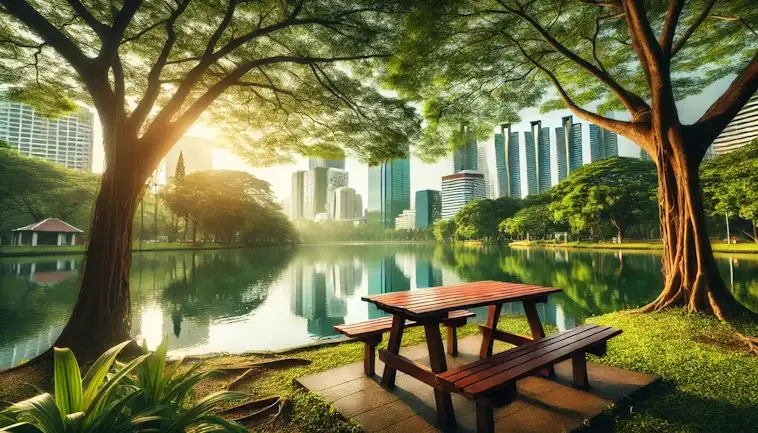
Urban parks are like the lungs of a city. They breathe life into urban environments, making the air cleaner and providing a much-needed splash of green in the concrete jungle. These green spaces are not just for beauty; they play several crucial roles that benefit both the environment and the people living in cities.
Firstly, urban parks help improve air quality. Trees and plants in parks absorb carbon dioxide and release oxygen, cleaning the air we breathe. This is especially important in cities where cars and factories often cause air pollution. Parks act as natural air filters, making the urban air fresher and healthier.
Secondly, these parks offer essential recreational spaces for city dwellers. In the hustle and bustle of city life, parks provide a peaceful escape where people can relax, exercise, and play. Whether it’s jogging on a sunny morning or having a picnic with family, parks make these activities possible. They offer a free, accessible place for everyone to enjoy outdoor activities, which is great for mental and physical health.
Moreover, urban parks are crucial for fostering ecological diversity. They serve as mini-reserves for plants and wildlife, helping to maintain ecological balance. You might see different species of birds, insects, and even small mammals that have adapted to urban life. This biodiversity is vital because it makes the ecosystem more resilient and helps cities withstand environmental changes.
The presence of green spaces in urban areas also has a broader impact on the well-being of city residents. Studies show that areas with more greenery can reduce stress, improve mood, and even enhance cognitive function in both kids and adults. Plus, parks can help cool down cities, combating the “heat island” effect where urban regions get significantly warmer than their rural surroundings. This cooling effect makes cities more liveable and can help reduce the use of air conditioning, saving energy.
Urban parks are essential for making cities more liveable, healthy, and sustainable. They clean the air, provide space for recreation, support diverse forms of life, and contribute to the emotional and physical well-being of the community. Every city benefits greatly from having these pockets of nature amidst the skyscrapers and streets.
Green Canopies: Natural Air Filters
Urban parks are real heroes when it comes to making our city air cleaner. Imagine them as big, green sponges soaking up pollution and giving out fresh air. Here’s how it all works: Trees and plants in these parks play a vital role. They act like natural air filters. When they take in carbon dioxide—a key pollutant—they help reduce its presence in the air. This not only cleans the air but also fights climate change.
Trees are particularly good at trapping dust, smoke, and other harmful particulates from the air. Their leaves and bark catch these particles. Then, when it rains, the water washes the pollutants away into the ground, which prevents them from floating around in the air we breathe. This makes the air healthier for everyone in the city.
Now, not all trees are the same in how much pollution they can filter. Some types are especially well-suited for urban parks. For example, evergreens like pines and firs are great because they have needles all year round, which means they are always at work cleaning the air. Deciduous trees, like oaks and maples, are also excellent. They have broad leaves that can catch a lot of particulates. Plus, they’re sturdy and can thrive in urban conditions, where the air quality might not be the best.
Another great plant for urban parks is the London plane tree. It’s particularly tough and can handle urban pollution better than many other trees. It also has a unique bark that peels off, which helps shed some of the trapped pollutants.
So, when we plant these types of trees and plants in urban parks, they help make the air noticeably cleaner. They absorb and store the carbon and lock away pollutants, which benefits everyone living in the city. By visiting and supporting urban parks, we not only get to enjoy beautiful, green spaces but also contribute to a healthier, fresher environment. It’s a win-win!
Recreational Havens in Urban Settings
Urban parks are like community centres without walls. They are vibrant spaces where you can jog, cycle, play sports, or just enjoy a stroll. These activities are not only fun but also super good for your health.
Think about jogging, for instance. It’s a fantastic way to get your heart rate up and improve your stamina. Parks offer scenic routes that are far more appealing than running on a sidewalk next to busy streets. Cycling follows the same idea. It’s a great workout and a fun way to zip around the park, especially on paths that weave through trees and around lakes.
Team sports bring another level of fun. Whether it’s soccer, basketball, or volleyball, parks often have courts and fields designed for these games. They are a place to meet new people, enjoy some friendly competition, and work up a sweat. These activities help build community bonds and keep everyone active.
But the benefits of urban parks go beyond just physical health. They are also crucial for mental well-being. Spending time in a green, refreshing environment can help reduce stress and anxiety. It’s a natural escape from the urban hustle where you can find peace and quiet or enjoy a picnic with friends and family.
Moreover, parks make these recreational activities accessible to everyone. You don’t have to pay for a gym membership to stay active. You can visit a park for free, making it easier to maintain a healthy lifestyle in the city.
In essence, urban parks are essential for both physical health and mental happiness. They provide a safe, inviting space for everyone to stay active and connect with others. They’re not just patches of green in the city—they’re vital spaces that promote a healthier, more vibrant urban life.
Biodiversity Islands in Concrete Jungles
Urban parks are like mini nature reserves right in the middle of our cities. They play a crucial role in supporting biodiversity, acting as sanctuaries for a variety of plants and animals. These green spaces are incredibly important, especially in urban areas where natural habitats are often limited.
In these parks, you’ll find trees, flowers, and plants that are native to the area, which serve as food and shelter for many species. Birds, squirrels, butterflies, and even bees call these parks home. Some parks also have ponds or lakes, which attract frogs, fish, and ducks. It’s like having a piece of the countryside in the city!
These diverse ecosystems are not just important for the animals and plants that live there; they’re also crucial for the environment. By supporting a range of species, urban parks help maintain ecological balance. This includes everything from the pollination of plants to the control of pests.
Moreover, urban parks are fantastic for education. They offer a hands-on learning experience about nature and sustainability. Schools often take students on trips to local parks to learn about different species and ecosystems. It’s one thing to read about nature in books; it’s another to see it up close.
Parks also host various educational programs and workshops that teach people of all ages about the importance of conservation and how to take care of our environment. These programs can inspire city dwellers to appreciate wildlife and might even encourage them to get involved in local conservation efforts.
Overall, urban parks are essential for preserving biodiversity in cities. They provide a refuge for wildlife, help maintain ecological balance and offer valuable educational opportunities. By visiting and supporting these parks, we contribute to the conservation of our natural world and learn how to live more sustainably.
The Social Sphere: Community and Connectivity
Urban parks are more than just open spaces; they are the heart of many communities. They bring people together, creating a sense of belonging and community. These parks act as natural meeting spots where social interactions can flourish, helping to strengthen the bonds between residents of all backgrounds.
Think about how diverse groups of people gather in parks. Families have picnics on the grass. Friends meet up to throw a Frisbee or just chat on a bench. Kids run around the playgrounds while parents watch and chat. Older adults walk the paths or sit and enjoy the scenery. It’s a mix of activities that everyone can enjoy, regardless of age or background.
Parks are designed with inclusivity in mind. They have features like wide, paved pathways that are accessible for wheelchairs and strollers. Play areas often include equipment that children of all abilities can use. Some parks even have sensory gardens, which are not only beautiful but also enhance the experience for individuals with visual impairments.
This design philosophy ensures that everyone feels welcome. When a park is accessible, more people use it, and more social interactions happen. This inclusivity fosters a strong sense of community among diverse urban populations. People from different walks of life can meet, mingle, and connect in ways they might not elsewhere in the city.
Furthermore, urban parks often host events that bring the community together. From concerts and outdoor movies to farmers’ markets and cultural festivals, these events attract a wide range of attendees and provide fun and entertainment for everyone. They’re opportunities for neighbours to meet and for strangers to become friends.
In essence, urban parks are vital for building and maintaining the social fabric of a city. They provide a common ground where everyone can gather, interact, and enjoy being part of a vibrant, diverse community.
Psychological Relief and Mental Health Benefits
Urban parks are not just spots for exercise and picnics; they are also powerful spaces for mental health. Think of them as nature’s own therapy rooms, where a simple walk or sitting on a bench can lift your spirits and clear your mind. This idea is often called “green therapy,” and it’s all about how being in natural settings can make us feel better mentally.
When you step into a park, the hustle and bustle of the city fades away. The greenery, fresh air, and quiet help your mind relax. This change of scenery is key to reducing stress. Nature has a unique way of easing our worries. It’s like pressing a reset button on your mood.
Parks can also boost your overall happiness. Sunshine, plants, and open skies naturally enhance your mood. Being active in these settings, whether you’re walking, jogging, or just people-watching, can make you feel more energetic and positive. Regular visits to a park can even help combat depression and anxiety. It’s a gentle, natural way to support your mental health.
Green therapy is especially important in cities where concrete and cars usually dominate the landscape. Urban parks provide a necessary escape from these stressors. They offer a space to unwind and connect with nature without having to leave the city. This access to green spaces is crucial for mental well-being.
Moreover, parks encourage social interactions, which are another boost to mental health. Meeting friends or even chatting with strangers in a park can make you feel more connected and supported. It’s about sharing smiles, stories, and spaces.
In reality urban parks offer a peaceful break from city life, improve mood, and help reduce stress. Regular visits to these green spaces can be a wonderful way to take care of your mental well-being, helping you feel happier and more balanced in your everyday life.
Economic Value: Boosting Urban Economies
Urban parks are not just great places to relax and play; they also bring real economic benefits to a city. One of the biggest perks is how they can boost property values. Homes near well-maintained parks are often worth more. People love the idea of living close to green spaces, where they can easily go for a walk or enjoy nature. This makes neighbourhoods more desirable, driving up home prices.
Parks also attract tourists. Visitors are drawn to cities that offer beautiful, accessible parks. Tourists might come for a famous park and then spend money at local shops, restaurants, and hotels. This influx of visitors helps boost the local economy significantly.
But that’s not all. Parks also attract businesses. Companies want to set up shop in places where employees can enjoy their surroundings. A park nearby means workers have a place to unwind during breaks or after work, which can boost job satisfaction and productivity. This makes a city more attractive to potential employers looking for a new home base.
Parks are also perfect venues for events like concerts, festivals, and markets. These events draw crowds, which means more customers for local businesses. People who come to the event might also shop in the area, eat at local restaurants, or even stay overnight in local hotels.
Moreover, well-maintained parks improve the overall attractiveness of a city. They make cities nicer places to live, work, and visit. This overall appeal can encourage new investments and development. It’s a cycle that keeps on giving—beautiful parks lead to more visitors and residents, which then leads to a stronger economy.
It’s a fact urban parks can increase property values, attract tourism, encourage business development, and make cities more appealing. All these factors together stimulate local economies and prove that investing in parks is not just good for the community but also smart economically.
Challenges and Future Prospects
Urban parks face quite a few challenges today. One of the biggest issues is land use conflicts. As cities grow, there’s more pressure to use available land for buildings and roads rather than for green space. Parks often get squeezed out in the rush to develop.
Another major challenge is funding for maintenance. Keeping a park looking good and functioning well can be expensive. This includes everything from trimming trees and caring for plants to fixing pathways and keeping playgrounds safe. Unfortunately, parks don’t always get the money they need, which can lead to them looking rundown and less appealing.
Climate change is also hitting urban parks hard. More extreme weather, like heavier rains and hotter temperatures, can damage plants and make the park less comfortable for visitors. It can also lead to more pests and diseases, which harm trees and plants.
Looking ahead, there are some exciting new approaches to making parks better and more sustainable. One idea is called biophilic design. This approach focuses on integrating natural elements like plants, water, and stone into urban landscapes in a way that mimics the natural environment. This not only makes parks more beautiful and relaxing but also helps them manage climate impacts better, like soaking up floodwaters.
Smart technology is another frontier for urban parks. Imagine park benches that can charge your phone with solar power or paths that light up as you walk on them for safety. Some apps can guide you through a park and tell you about its plants and animals, making your visit more educational and fun.
These innovations can make parks more sustainable and enjoyable, encouraging more people to visit and support them. Despite the challenges, the future of urban parks looks promising as we find new ways to blend nature with urban life, making our cities greener and more liveable for everyone.
Conclusion
Urban parks truly are the lungs of our cities. They clean the air, offer peaceful retreats, and provide safe spaces for recreation.
These green havens enhance community bonds and boost our mental well-being. By offering a touch of nature, parks make our urban lives healthier and happier. They also drive economic benefits by raising property values and attracting tourists.
Despite facing challenges like funding and climate change, innovative solutions promise a bright future for our urban green spaces. Let’s cherish and support these vital parts of our cities, for they give so much back to us all.