
Unveiling Secrets: How Weather Patterns Shape Our World
Unveiling Secrets: How Weather Patterns Shape Our World
Weather patterns are like nature’s own language, telling us stories about our planet every day. Understanding these patterns helps us see how they impact everything from the food we eat to the clothes we wear. It’s fascinating to think about how a sunny day or a stormy evening does more than just change our plans; it affects our environment and even the economy. Whether you’re a weather enthusiast or just curious, there’s something here for everyone to learn about the forces of nature that play such a big role in our lives.
What You’ll Discover
The Basics of Weather Patterns
Deciphering the Impact on Agriculture
Weather Patterns and Biodiversity
Economic Consequences of Changing Climates
Cultural and Social Dynamics
Predictive Power: Advances in Meteorology
Global Warming: A Modern Weather Challenge
Mitigation and Adaptation Strategies
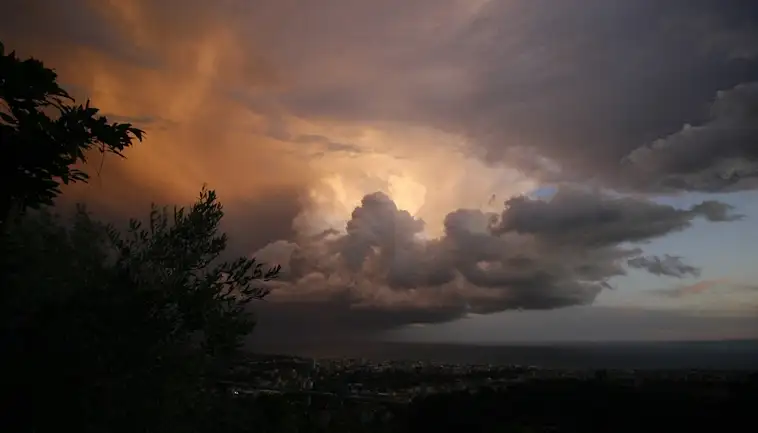
The Basics of Weather Patterns
Weather patterns are fascinating! They’re like a complex dance of various elements that determine our daily forecast and influence long-term climate changes. To understand this dance, we need to start with some basic concepts: air pressure systems, jet streams, and ocean currents.
First, let’s talk about air pressure systems. Air pressure is simply the weight of the air above us. It varies in different parts of the world and at different times, which plays a crucial role in weather formation. There are two main types of air pressure systems: high pressure and low pressure. In high-pressure systems, the air is heavier and sinks, usually bringing clear skies and calm weather. On the other hand, low-pressure systems involve lighter, rising air that can lead to cloud formation and storms. The movement between these systems pushes air around, forming the winds that we feel every day.
Next, jet streams are like rivers of wind high up in the atmosphere. These fast-flowing air currents travel around the Earth in wavy patterns and can reach speeds of over 200 miles per hour! Jet streams play a key role in moving weather systems around the globe. For example, they can steer a weather system from one continent to another or influence the path of a storm.
Finally, ocean currents are like conveyor belts of seawater, moving vast amounts of heat across the globe. These currents are driven by factors such as wind, the rotation of the Earth, and differences in water density. Warm currents, like the Gulf Stream, can warm nearby land areas, while cold currents can cool them down. This movement of warm and cold water not only affects the climate of coastal regions but also interacts with the atmosphere, influencing weather patterns further.
These elements—air pressure systems, jet streams, and ocean currents—are all interconnected. Together, they shape our global weather and climate, making it possible to have a sunny day at the beach or a snowy winter morning. Understanding these fundamentals helps us appreciate the complexity and beauty of our planet’s atmospheric system.
Deciphering the Impact on Agriculture
Weather patterns have a big impact on farming and how well crops grow.
First up, seasonal rains are super important for crops. Many plants need a good amount of rain to grow well, especially during the early stages when seeds are just sprouting. In places like India, the monsoon season brings most of the year’s rainfall, which farmers rely on to water their crops. Without enough rain, plants can’t grow as large or produce as much.
However, too much rain can also be a problem. Heavy rains can flood fields, damaging crops and even washing them away. It’s all about the right balance.
Then there’s the issue of droughts, which are tough times for any farmer. Droughts mean there’s not enough water for irrigating crops. Plants become stressed and yield less produce, which can lead to food shortages and economic problems in farming communities. In some areas, droughts are becoming more frequent and severe due to climate change, which is a big challenge for farmers.
So, how do farmers cope with these changing weather patterns? They use some clever strategies to adapt and try to keep their crops healthy. For example, they might choose to plant drought-resistant crop varieties that can grow with less water. Farmers also use advanced irrigation systems that save water and ensure plants get moisture during dry spells.
Another technique is adjusting planting schedules. Farmers plant their crops at times when they expect the best weather conditions for growth. This helps maximise yield even when the weather is unpredictable.
Whether it’s dealing with too much rain or not enough, farmers are always finding ways to work with the weather to make sure they can grow enough food. It’s all about understanding and adapting to the environment, which is a key part of successful farming.
Weather Patterns and Biodiversity
Weather has a big influence on biodiversity, affecting everything from the smallest insects to the largest mammals, and even the plants and trees that make up various ecosystems.
Different species depend on specific weather conditions to thrive. For example, many birds time their migration based on the weather. If the weather changes, like if spring gets warmer earlier or later than usual, it can throw off their travel plans. This can affect their breeding and feeding patterns, making it hard for them to survive.
Similarly, plants bloom and grow based on temperature and rainfall. When these factors change, it can lead to a mismatch in timing. For instance, if plants bloom earlier because of warmer temperatures, the insects that rely on them for food might not be around yet, disrupting the food chain.
Weather changes can also lead to shifts in where species live. Some animals might move to cooler areas if their current habitat gets too warm, bringing them into competition with other species who aren’t used to sharing space. This can lead to a shift in local biodiversity, sometimes even causing native species to decline.
Extreme weather events, like hurricanes and wildfires, can have immediate and dramatic impacts on ecosystems. These events can destroy habitats, making it difficult for local wildlife to recover. Such disturbances can change the landscape of an ecosystem, sometimes permanently, altering which species can live there.
As the weather continues to change, we’re likely to see significant shifts in biodiversity across the globe. Species may adapt, move, or even face extinction, depending on how drastic the weather changes are. This highlights just how connected and sensitive our ecosystems are to the rhythm of our planet’s weather patterns.
Economic Consequences of Changing Climates
Weather patterns greatly affect economies, from local businesses to entire industries.
When hurricanes and floods hit, they can cause huge economic damage. These severe weather events can destroy homes, roads, and businesses. Rebuilding these takes a lot of time and money, which can strain local economies. For example, when a hurricane strikes, it can wipe out entire coastal areas, leading to costly repairs and loss of tourism revenue, a key source of income for many places.
Droughts also pose a big challenge. They affect water supplies, which are crucial not just for drinking but also for agriculture and energy production. In areas that rely on hydroelectric power, less water means less power. This can lead to higher electricity prices and even power shortages. Farmers suffer too because they need water to irrigate crops. Without enough water, crop yields drop, which can lead to higher food prices and economic stress for farming communities.
These shifts in weather can force businesses and governments to adapt. Some may invest in better flood defences or irrigation systems to manage water more efficiently. Others might focus on renewable energy sources that aren’t as affected by weather conditions, such as solar or wind power.
Whether it’s rebuilding after a storm, dealing with crop failures, or managing energy supplies during a drought, the economic effects of weather changes are significant. As weather patterns continue to shift, these issues may become more frequent and severe, prompting further changes in how economies operate and adapt. This shows just how closely our economic health is linked to the stability of our weather.
Cultural and Social Dynamics
Weather patterns do much more than just dictate whether we carry an umbrella or wear sunscreen; they deeply influence our cultures and lifestyles.
Throughout history, societies have adapted to their local climates in various fascinating ways. In hot and dry regions, traditional homes often have thick walls and small windows to keep interiors cool, like the classic adobe homes in the American Southwest. In contrast, in places with heavy rainfall, houses might be built on stilts, like in parts of Southeast Asia, to protect them from flooding.
Weather also affects what we do each day and throughout the year. In colder climates, winter sports like skiing and ice hockey are popular, while in warmer areas, people might enjoy year-round swimming or surfing. Seasonal festivals also reflect this connection. For instance, the cherry blossom festivals in Japan celebrate the brief and beautiful blooming that heralds the arrival of spring.
Even the foods we enjoy are influenced by the weather. Cuisines in hotter climates often feature spicy dishes, which help cool the body through sweating, such as in Indian and Thai food. In colder areas, people tend to prefer high-calorie, hearty meals like stews and roasts, which provide more energy during chilly months.
Weather also plays a role in our cultural identity. For many communities, local weather phenomena are a source of pride and a topic of daily conversation. In the UK, for example, the unpredictable weather is a staple of small talk and humour, reflecting a national recognition of their shared experience.
This deep interconnection shows that weather is not just a backdrop for human activity but a fundamental part of how we build our lives and communities. It shapes not just our environment but also our collective and individual identities in profound ways.
Predictive Power: Advances in Meteorology
Thanks to technology, predicting the weather has gotten a lot better over the years. This helps us prepare better for whatever the skies might throw our way, from sunny days to severe storms.
One of the key tools in weather forecasting is satellite imagery. Satellites orbiting Earth take pictures and gather data about the atmosphere from space. These images show us cloud patterns, storm systems, and more. By looking at these pictures, meteorologists can see what’s happening in real-time and predict what might happen next.
Another important technology is computer modelling. These models use data from satellites, weather stations, and other sources to simulate what the weather will do. The models are run on powerful computers and can predict the weather for different places and times. This helps forecasters see potential weather hazards before they arrive, giving people time to prepare.
Thanks to these technologies, weather predictions have become more accurate. This means schools, businesses, and hospitals can make better plans for bad weather, reducing risks and saving costs. It also allows emergency services to warn communities about incoming disasters like hurricanes or blizzards, potentially saving lives.
For everyday people, these advances mean we can plan our days and events with more confidence. Knowing if it will rain helps us decide whether to carry an umbrella or cancel a picnic. For farmers, accurate forecasts can mean the difference between a good harvest and a failed crop.
Overall, the improvements in weather technology not only keep us safer but also make our daily decisions easier. By understanding what the weather will likely do, we can all be better prepared for the future.
Global Warming: A Modern Weather Challenge
Global warming is changing our planet, and one of the most noticeable effects is on our weather.
As the Earth gets warmer, it’s not just about hotter days; it’s also about how heat affects weather patterns everywhere. Warmer temperatures lead to more evaporation of water. This means there’s more moisture in the air, which can make rainfall heavier and more frequent. Think about those sudden, intense rainstorms that seem to come out of nowhere—global warming plays a part in those.
Heat also adds energy to weather systems, ramping up their intensity. This can lead to more powerful hurricanes and typhoons, which are not only stronger but may also occur in regions where they weren’t as common before. And it’s not just about rain and storms; heatwaves are becoming more frequent and severe too, posing health risks, especially for the elderly and young children.
The scientific consensus on climate change is clear and well-documented. Researchers agree that human activities, especially the burning of fossil fuels like coal, oil, and gas, are the main drivers of recent global warming. This consensus is backed by numerous studies and is recognised by major scientific organisations worldwide.
Looking ahead, scientists expect that if the planet continues to warm, we will see even more drastic changes. These include not only more extreme weather events but also longer droughts, which can lead to water shortages and affect food production. Rising sea levels from melting ice caps could also flood coastal areas, displacing millions of people.
Understanding these predictions helps governments and communities prepare better. It’s about protecting homes, building stronger infrastructure, and finding sustainable ways to live as the climate continues to change. The more we know and act on global warming, the better we can protect our planet and ourselves.
Mitigation and Adaptation Strategies
As weather patterns change due to global warming, nations and communities are coming up with smart strategies to cope and even reduce the impacts.
First, consider engineering solutions like flood defences. Countries prone to flooding are building barriers, levees, and sophisticated drainage systems to protect their lands and homes. Cities like Venice, Italy, have developed high-tech barrier systems that can be raised to hold back rising waters during high tide or storm surges.
Another engineering approach is the creation of green roofs and permeable pavements in urban areas. These features help absorb rainwater, reducing runoff and lowering the risk of urban flooding. They also cool down cities during hot weather, tackling heatwaves.
On the policy side, many governments are focusing on sustainable land management. This includes practices like reforestation, which helps absorb excess rainwater and strengthens soil against erosion. Planting trees and restoring wetlands are not only good for wildlife but also act as natural buffers against storms and floods.
Policies aimed at reducing carbon emissions are also crucial. By shifting to renewable energy sources like wind and solar, and encouraging public transport and electric vehicles, countries can help slow down global warming and its effects on the weather.
Furthermore, some communities are adopting climate-smart agriculture techniques. These practices help farmers adapt to unpredictable weather, like using drought-resistant crops or improved irrigation techniques to use water more efficiently.
All these efforts show that while the challenge is big, there are many innovative and practical ways to manage and mitigate the effects of changing weather patterns. By combining technology, smart planning, and sustainable practices, communities can become more resilient and prepared for the future.
Conclusion
Weather patterns are a fascinating and essential part of our world, shaping everything from the daily decisions we make to the long-term planning of communities and nations. They influence our moods, activities, and even the health of the ecosystems we live in. As we’ve seen, understanding these patterns can help us better prepare for and adapt to both the challenges and opportunities they present.
By embracing new technologies and sustainable practices, we can mitigate the impacts of extreme weather and ensure a resilient future. Let’s continue to learn and adapt as we navigate the ever-changing climate together, keeping our communities safe and thriving in harmony with the rhythm of our planet’s weather.