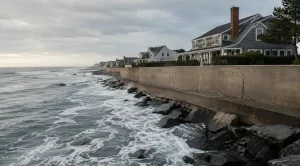
Unpredictable Skies: The New Norms of Weather Changes
Unpredictable Skies: The New Norms of Weather Changes
Weather isn’t what it used to be. Days that start sunny can turn into stormy evenings with little warning. Across the globe, people are noticing these shifts. Some face intense heatwaves, others deal with unexpected floods or prolonged droughts. Why is this happening? It’s due to a mix of natural changes and human actions affecting our planet’s climate. This trend towards unpredictable weather is touching everyone’s lives, challenging us to adapt and rethink how we live and plan for the future. Let’s understand the science behind these changes and discuss what we can do to cope with this new normal.
What You’ll Discover
What’s Changing in Our Atmosphere?
The Role of Climate Change in Weather Extremes
Technological Advances in Weather Prediction
Economic Impact: The Cost of Weather Volatility
Human and Ecological Toll: Beyond Economics
Policy Responses and Global Cooperation
Adaptation Strategies for a New Climate Reality
Looking Ahead: What Future Forecasts Tell Us

What’s Changing in Our Atmosphere?
The atmosphere, a vital layer of gases surrounding Earth, is essential for life. It protects us from the sun’s harmful radiation, helps maintain a stable temperature, and holds the air we breathe. This atmospheric layer is made up of several gases, primarily nitrogen and oxygen, with smaller amounts of others like carbon dioxide and water vapour.
Historically, Earth’s weather patterns, such as wind, rain, and temperatures, followed predictable seasonal cycles. These patterns depend on how the sun’s energy is distributed across the planet. For example, the tropics are warmer because they get more direct sunlight, leading to more intense weather activity like thunderstorms.
However, in recent decades, these typical weather patterns have started to change, becoming more unpredictable. This change is driven by both human activities and natural phenomena. Human actions, particularly the burning of fossil fuels like coal, oil, and natural gas, release large amounts of carbon dioxide and other greenhouse gases into the atmosphere. These gases trap more of the sun’s heat, leading to global warming.
Global warming affects weather patterns in several ways. For instance, a warmer atmosphere holds more moisture, which can lead to heavier rainfall and more intense storms in some regions. Meanwhile, other areas might experience longer and more severe droughts. Natural phenomena, such as volcanic eruptions, can also influence the climate by releasing particles into the atmosphere that can cool the Earth temporarily.
These disruptions to traditional weather patterns are important because they affect water supply, agriculture, and natural ecosystems. Unpredictable weather makes it harder for farmers to plan, can increase the risk of wildfires, and lead to more frequent and severe flooding and hurricanes. As these changes become more pronounced, understanding and adapting to them is becoming increasingly crucial.
The Role of Climate Change in Weather Extremes
Global warming is causing the planet to heat up, and this increase in temperature is tied directly to rising levels of greenhouse gases in the atmosphere. These gases, such as carbon dioxide and methane, trap heat from the sun that would normally escape back into space. The more greenhouse gases we emit, primarily through burning fossil fuels and deforestation, the warmer our planet gets.
This warming has a big impact on weather patterns, leading to more extreme weather events. Here’s how it works:
1. Hurricanes: Warm ocean waters fuel hurricanes. As the planet warms, ocean temperatures rise, providing more energy to tropical storms, and making them more intense and potentially more destructive. Higher sea surface temperatures can increase the wind speed in hurricanes, leading to storms that are not only stronger but also capable of producing more rainfall.
2. Heatwaves: With global temperatures climbing, heatwaves have become more frequent and severe. During a heatwave, the high temperatures can be dangerous to health, especially for the elderly and those with pre-existing health conditions. The heat can also exacerbate drought conditions, affecting water supplies and agriculture.
3. Heavy Precipitation: A warmer atmosphere holds more moisture—about 7% more moisture for every 1°C rise in temperature. This means when it rains, it rains more heavily, leading to an increased risk of flooding. This is not just about more water; the intensity of these rainfall events can overwhelm cities and floodplains not equipped to handle such volumes.
These changes are significant because they affect how we live. From where we build our homes to how we grow our food, the increasing frequency and intensity of these extreme weather events force us to adapt to a rapidly changing climate. As these trends continue, understanding the science behind them helps us prepare and respond more effectively.
Technological Advances in Weather Prediction
Weather forecasting has become much more advanced over the years, thanks to new technology and methodologies. Today, meteorologists use sophisticated tools to predict the weather, which helps us plan our days, protect property, and even save lives.
One key tool is the weather satellite. These satellites orbit Earth and gather data from space, providing real-time images of weather patterns and storm formations. This bird’s-eye view is crucial for tracking hurricanes and other severe weather.
Another major tool is radar. Weather radars send out waves that bounce back when they hit precipitation like rain or snow. This helps meteorologists see not just where precipitation is occurring, but also how intense it is and how it’s moving.
Meteorologists also use supercomputers to run complex mathematical models. These models simulate the atmosphere using the data collected from satellites, radars, and ground stations. The supercomputers process this massive amount of data to predict future weather conditions.
Despite these advanced tools, weather forecasting can still fall short. This is partly because weather is incredibly complex and influenced by many factors that can be hard to measure precisely. Plus, the climate is changing. As global warming intensifies, we’re seeing more extreme and less predictable weather patterns. This makes it harder for even the most sophisticated models to predict what will happen.
For instance, the rapid intensification of hurricanes or the sudden occurrence of flash floods can be difficult to forecast accurately. Sometimes, small errors in initial data can lead to big mistakes in the weather models, leading to forecasts that may not always be reliable.
Even with these challenges, the advancements in weather forecasting technology have greatly improved our ability to predict weather, giving us valuable time to prepare for whatever the skies may bring.
Economic Impact: The Cost of Weather Volatility
Unpredictable weather has wide-ranging economic consequences that can touch almost every part of our lives, from the food we eat to the roads we travel on.
Starting with agriculture, farmers rely heavily on stable weather patterns. When the weather becomes unpredictable, crops can be at risk. For instance, an unexpected frost can kill budding fruits, a sudden drought can stunt growth, and excessive rain can drown crops. Each of these scenarios can lead to a bad harvest, increasing food prices and reducing income for farmers.
Infrastructure is also heavily impacted. Roads, bridges, and buildings are designed to withstand the typical weather of a region. When weather patterns shift unexpectedly, the infrastructure may not be able to cope. Heavy rains can lead to flooding, which can damage roads and bridges, disrupt traffic, and halt daily activities. This not only requires expensive repairs but also slows down economic activity.
Economic planning becomes much more difficult with unpredictable weather. Energy companies, for example, need to predict demand for heating and cooling. Unexpected temperature swings can lead to energy shortages or surpluses, affecting prices and economic stability. Similarly, unexpected cold snaps or heatwaves can lead to increased demand for energy for heating or cooling, driving up costs unexpectedly for businesses and households alike.
Financial strains from these disruptions are significant. For example, the insurance industry often faces high claims during periods of extreme weather, from homeowners and businesses seeking compensation for damages. This can lead to higher insurance premiums for everyone.
Moreover, in the tourism sector, a region known for its predictable weather, if suddenly faced with unexpected storms or heatwaves, can see a drop in visitor numbers, affecting local businesses and jobs.
Overall, the economic impact of unpredictable weather is profound, affecting everything from individual businesses’ day-to-day operations to global markets. This makes it crucial for sectors across the economy to plan for weather variability as part of their risk management strategies.
Human and Ecological Toll: Beyond Economics
Unpredictable weather patterns due to climate change are having a profound impact on both human communities and ecosystems around the globe. These changes affect us all, from the air we breathe to the food we eat.
For ecosystems, shifts in weather can disrupt the delicate balance that allows plants and animals to thrive. For example, warmer winters have led to fewer cold snaps that help control pest populations, allowing them to damage crops and forests more extensively. Similarly, coral reefs, which are highly sensitive to water temperatures, suffer from bleaching when the ocean gets too warm. This not only destroys the reef but also the diverse marine life that depends on it for survival.
Wildlife faces similar challenges. Birds that migrate based on seasonal changes sometimes arrive at their destinations either too early or too late, missing the optimal conditions for feeding or breeding. This can lead to declines in bird populations and disrupt entire ecosystems that depend on these birds.
For human communities, the impacts are equally severe. Extreme weather events like hurricanes and floods can destroy homes and displace communities, often forcing people to migrate to safer areas. This displacement can lead to overcrowded living conditions and inadequate access to resources, increasing the risk of conflict and disease.
Health issues also arise from unpredictable weather. Heatwaves can lead to dehydration and heatstroke, particularly affecting the elderly, children, and those with chronic illnesses. On the other hand, increased rainfall and flooding can increase the spread of waterborne diseases, affecting drinking water supplies and sanitation systems.
Moreover, the loss of habitat due to changing climates forces wildlife into closer contact with human populations, increasing the risk of transmitting zoonotic diseases that animals carry to humans.
The stories and studies from around the world make it clear: the consequences of unpredictable weather are not just environmental but deeply intertwined with every aspect of human life. The need for global cooperation and action to mitigate these effects has never been more urgent.
Policy Responses and Global Cooperation
Countries and international bodies are working together to tackle the challenges of changing weather norms, but there’s still a lot to be done.
Many countries are turning to policies that reduce carbon emissions, which contribute to global warming and, consequently, changing weather patterns. For instance, several nations have committed to phasing out fossil fuels and increasing their use of renewable energy sources like solar and wind power. These efforts are part of broader national plans that align with international agreements, such as the Paris Agreement, where countries have pledged to limit global warming and reduce their carbon footprint.
Internationally, bodies like the United Nations play a crucial role in coordinating these efforts. The UN hosts global climate summits, known as COP (Conference of the Parties) meetings, where countries negotiate and update their climate action plans. These summits help to track progress and push for more ambitious climate goals.
However, there are areas where more cooperation is needed. For one, financial support for climate action is uneven. Wealthier countries can often invest more in renewable energy and climate resilience, while poorer nations may lack the resources to do so. International agreements often include provisions for financial aid to help less wealthy nations, but the distribution and amount of this aid can be contentious.
Adaptation strategies also require more focus. While reducing emissions is crucial, it’s equally important to adapt our communities and economies to withstand the impacts of climate change. This includes building more resilient infrastructure, developing early warning systems for extreme weather, and implementing water conservation practices in agriculture.
Lastly, there’s a need for more cooperation in sharing technology and knowledge. Developing countries, in particular, can benefit from access to the latest technologies for renewable energy and climate resilience. Making these technologies more accessible can help all nations manage the impacts of changing weather more effectively.
While significant steps are being taken, increased global cooperation and commitment are essential to effectively manage the impacts of changing weather patterns worldwide.
Adaptation Strategies for a New Climate Reality
As our weather patterns change, communities, governments, and individuals are finding innovative ways to adapt. These adjustments are crucial for reducing risks and safeguarding our future.
In urban planning, cities are getting smarter about managing heat and flooding. For example, some cities are creating more green spaces like parks and rooftop gardens, which help absorb rainwater and cool the area. Others are redesigning streets with permeable pavements that allow water to soak through, reducing flood risks. Also, installing white roofs or using reflective materials on buildings can significantly lower temperatures inside, making cities more comfortable during heatwaves.
In agriculture, farmers are turning to technology and new methods to cope with unpredictable weather. Drip irrigation systems deliver water directly to plant roots, greatly reducing waste and ensuring crops get water even during droughts. Some are using weather forecasting tools to plan planting and harvesting more effectively. There’s also a growing interest in planting diverse crops and using seeds that are resistant to pests and extreme weather, helping to secure food supplies.
For disaster preparedness, early warning systems have become more sophisticated, providing timely alerts before extreme weather hits. Governments and organisations are also focusing on community education, ensuring that people know how to respond during emergencies. Regular drills and the distribution of emergency kits can save lives when disasters strike.
Individuals also play a key role. Simple actions like conserving water, reducing energy use, and supporting local and sustainable food sources make a big difference. Learning and following local emergency plans, and being prepared with a personal safety kit, are essential steps for personal safety.
Overall, by embracing these innovative practices in urban planning, agriculture, and disaster preparedness, we can make our communities more resilient against the new norms of weather changes. Each effort, whether big or small, contributes to a stronger, more adaptable society.
Looking Ahead: What Future Forecasts Tell Us
Meteorologists and climate scientists are working hard to figure out what the future holds for our weather. They use complex computer models and a lot of data to make their predictions. These models consider things like ocean temperatures, atmospheric conditions, and greenhouse gas levels to forecast future weather patterns.
What they’re seeing suggests that we should expect more extreme weather. This means more intense storms, longer droughts, heavier rainfall events, and hotter heatwaves. The warming planet plays a big role in these changes, as the warmer atmosphere holds more moisture and energy, which fuels more powerful weather events.
The process of making these predictions is complex. Scientists gather data from satellites, weather stations, and other sources. They feed this information into their models to simulate how weather systems develop and interact. By comparing these simulations with actual observed weather events, scientists refine their models to improve accuracy.
The importance of preparing for a range of possible scenarios cannot be overstated. With more extreme weather on the horizon, our communities need to be resilient. This means strengthening our infrastructure, like building stronger flood defences and designing buildings that can withstand high winds and earthquakes. It also means planning for emergencies and educating the public on how to respond when severe weather strikes.
Governments, businesses, and individuals all have roles to play. By investing in renewable energy, we can help reduce the greenhouse gases that are heating the planet. By supporting local planning and preparedness initiatives, we can ensure our communities are ready to face whatever the weather brings.
While scientists are equipped with advanced tools to predict future weather patterns, everyone has a part in preparing for these changes. The better we understand and prepare for these predictions, the more effectively we can protect ourselves and our planet.
Conclusion
Unpredictable skies are becoming our new normal, driven by changing weather patterns that affect us all. From intense storms and longer droughts to fluctuating temperatures, the impact is widespread. The challenge now is to adapt and prepare.
Communities, governments, and individuals must work together to strengthen infrastructure, embrace sustainable practices, and educate themselves about emergency responses.
By staying informed and proactive, we can manage these changes more effectively. Our resilience and creativity will be key in navigating the uncertain conditions ahead and safeguarding our future against the unpredictable skies.