
Understanding Climate Patterns: An Essential Guide
Understanding Climate Patterns: An Essential Guide
Climate patterns might seem complex, but they have a huge impact on our daily weather and the environment. By getting to know these patterns, we can better predict weather changes, plan our activities, and even understand global climate shifts. We break down the basics of climate patterns, from why they happen to how they affect everything around us. Whether you’re curious about how storms form or why some years are hotter than others, we’re here to help make sense of it all. Let’s start unravelling the mysteries of climatology together and see how it shapes our world.
What You’ll Discover
What Are Climate Patterns?
The Building Blocks of Weather Forecasting
Key Terms in Climatology
Tools and Technologies for Studying Climate
Climate Patterns and Global Weather Events
Case Studies: Climate Patterns in Action
Predictive Value of Climate Patterns
The Role of Climate Patterns in Environmental Science

What Are Climate Patterns?
Climate patterns are large-scale weather behaviours that persist over long periods and vast areas. Unlike daily weather, which can change from one day to the next, climate patterns represent the usual conditions we expect in a region across seasons or even decades.
To understand climate patterns, think about the weather in your hometown. You know that winters are generally cold or that summers might be rainy. These expected conditions are shaped by climate patterns, which are influenced by factors like jet streams, ocean currents, and cycles like El Niño and La Niña.
Jet streams are fast-flowing air currents high in the Earth’s atmosphere. These ribbons of wind travel along the boundaries of hot and cold air. They have a big impact on the weather, steering storms and influencing temperature changes. When jet streams shift, they can dramatically alter the weather patterns below, such as bringing unusually cold weather to normally warm areas.
Ocean currents are another major player. These are large movements of ocean water that circulate heat around the planet. For example, the Gulf Stream carries warm water from the Gulf of Mexico up to the North Atlantic, making places like Western Europe warmer than other areas at similar latitudes. Changes in these currents can affect climate on a global scale, influencing everything from sea temperatures to rainfall patterns.
Lastly, El Niño and La Niña are cycles of warm and cool phases in the Pacific Ocean that happen every few years. El Niño is marked by warmer-than-average sea surface temperatures in the central Pacific, which can lead to increased rainfall in some parts of the world and drought in others. La Niña, on the other hand, features cooler-than-average sea temperatures, which often has opposite effects. These phenomena not only impact local weather but can also have ripple effects across the globe, affecting climate patterns in various ways.
The Building Blocks of Weather Forecasting
Climate patterns are shaped by several fundamental elements that interact in complex ways. These include solar radiation, the Earth’s rotation, and the composition of the atmosphere. Let’s break down how each of these influences the climate.
Solar radiation is the heat and light we get from the sun. It’s the primary source of energy that drives our climate system. However, not all parts of the Earth receive the same amount of sunlight. The equator gets a lot more than the poles. This difference in solar heating affects everything from temperatures to how air moves in the atmosphere.
The Earth’s rotation also plays a crucial role. As the Earth spins, it causes winds and ocean currents to curve. This effect, known as the Coriolis effect, makes storms swirl clockwise in the southern hemisphere and counterclockwise in the northern hemisphere. It helps shape the weather patterns we see on a day-to-day basis and also impacts broader climate patterns by influencing how heat and moisture are distributed around the planet.
Then there’s the atmosphere’s composition—what it’s made of. Gases like carbon dioxide and methane trap heat from the sun and affect the Earth’s temperature. This is called the greenhouse effect. Changes in these gases can lead to changes in climate. For example, more carbon dioxide can lead to warmer temperatures over time.
These elements interact in a way that creates stable, long-term weather patterns. For instance, more solar radiation at the equator warms the air, making it rise and eventually cool down, which affects rainfall patterns. Meanwhile, Earth’s rotation influences where this warm air travels and how it behaves. The atmosphere’s composition determines how much of the sun’s heat is trapped, influencing temperatures globally.
Key Terms in Climatology
Understanding climate science can sometimes feel like learning a new language. Here are some key terms that will help you get started: albedo, convection, and precipitation cycles. Knowing these can make complex topics a bit easier to grasp.
Albedo refers to how much sunlight the Earth’s surface reflects back into space. Think of it like wearing a white shirt on a sunny day; you feel cooler because the white fabric reflects the sun’s rays. Similarly, areas of Earth with high albedo, like ice-covered regions, reflect more solar energy than dark surfaces, like oceans or forests. This reflection affects how much heat is absorbed and influences the Earth’s temperature.
Convection is all about movement within fluids (this means gases and liquids), driven by heat. For example, when you boil water, the hot water rises to the top, cools down, and then sinks, creating a circular motion. This process happens in the atmosphere too. Warm air rises, cools off at higher altitudes, and sinks back down. This movement of air is a fundamental process in weather formation and climate patterns. It helps distribute heat and moisture around the planet, affecting everything from local weather to global climate systems.
Precipitation cycles describe the process of water moving from the Earth’s surface to the atmosphere and back again. It starts with evaporation (water turning into vapour) and transpiration (water released by plants). This moisture forms clouds, and eventually, it falls back to the ground as rain, snow, or other types of precipitation. Then, the cycle starts over. These cycles are crucial because they distribute freshwater around the globe, which affects agriculture, drinking water supplies, and natural ecosystems.
By understanding these terms, you can better follow discussions about how our climate works and how it might be changing. Knowing what scientists are talking about when they discuss albedo effects or convection currents helps you appreciate the complexity and interconnectedness of our climate system.
Tools and Technologies for Studying Climate
To study and understand the vast, complex world of climate patterns, scientists use some pretty cool tools and methods. Satellites, weather balloons, and climate models are just a few of these, and they each play a crucial role in boosting our understanding and forecasting abilities.
Satellites are like the Earth’s eyes in the sky. They orbit around the planet and gather data from space. This can include images, temperature measurements, and other critical information about the atmosphere and surface. Because they cover every part of the planet, satellites are invaluable for tracking large-scale phenomena like hurricanes, droughts, and the melting of ice caps. They help us see the big picture of what’s happening with our planet’s climate.
Weather balloons might sound a bit old-school, but they’re still super important. These balloons carry instruments into the upper atmosphere, collecting data on temperature, humidity, and atmospheric pressure as they rise. By sending up balloons from different points around the world, scientists can get a detailed look at the atmosphere’s condition over specific locations. This data is essential for improving weather forecasts and studying how the atmosphere behaves at different heights.
Climate models are advanced computer programs that simulate past, present, and future climate conditions. These models take huge amounts of data from satellites, weather stations, ocean buoys, and other sources, and then use complex mathematical formulas to predict how climate patterns might change. The advancements in computing power have greatly enhanced the accuracy of these models, allowing scientists to make better predictions about climate change and its impacts.
Thanks to these modern tools, our ability to understand and predict weather and climate has improved dramatically. They help scientists collect more data, understand complex processes, and provide us with the information needed to make informed decisions about our planet’s future. It’s a great example of how technology can help us tackle some of the biggest challenges we face.
Climate Patterns and Global Weather Events
Climate patterns play a major role in shaping the weather events we experience, including hurricanes, droughts, and blizzards. Understanding how these large-scale patterns influence local weather can really help us see the big picture.
Hurricanes, for instance, are heavily influenced by climate patterns like El Niño and La Niña. El Niño tends to increase sea surface temperatures in the Pacific, which can lead to more intense hurricane activity in the eastern Pacific. On the other hand, La Niña generally cools these waters and shifts hurricane activity to the Atlantic. Both patterns can affect where and how these powerful storms develop and move.
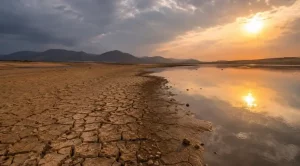
Droughts are another weather phenomenon impacted by climate patterns. Patterns such as the North Atlantic Oscillation (NAO) or the Pacific Decadal Oscillation (PDO) can change water temperatures and atmospheric conditions over vast areas. For example, a positive phase of the PDO can lead to warmer temperatures in the Pacific Northwest and drier conditions, which might result in drought. These patterns can last for years, sometimes even decades, influencing rainfall and water availability significantly.
Blizzards also have a connection to climate patterns, especially those influenced by the Arctic Oscillation (AO) and jet streams. When the AO is in its negative phase, it can cause the jet stream to dip south, bringing cold Arctic air deeper into regions like North America or Europe. If this cold air meets with a moist air mass, it can trigger severe snowstorms or blizzards. The jet stream’s path, influenced by various climate oscillations, is key to predicting these extreme snow events.
By linking these climate patterns to specific weather events, we can better understand why certain phenomena occur and even predict when they might happen. This knowledge helps us prepare for the impacts, whether that’s battening down the hatches for a hurricane, conserving water during drought, or gearing up for a big snowfall. Understanding these connections is crucial for managing our responses to weather and climate challenges.
Case Studies: Climate Patterns in Action
Climate patterns can have significant effects on the weather we experience, even though these patterns might seem distant or unrelated at first glance. Let’s explore two examples: the Pacific Decadal Oscillation (PDO) and the Indian Ocean Dipole (IOD), to see how they impact regions like North America, East Africa, and Australia.
The Pacific Decadal Oscillation (PDO) is a long-term ocean fluctuation of the Pacific Ocean. It has a warm phase and a cool phase, each lasting about 10 to 30 years. During the warm phase, the northwest Pacific becomes cooler while the tropical Pacific warms up. This can lead to wetter conditions in the southwestern U.S. and drier conditions in the Pacific Northwest. Conversely, during the cool phase, the northwest Pacific warms up and the tropical Pacific cools down, which can bring drought to the southwest U.S. and wetter conditions to the Pacific Northwest. Understanding the PDO helps us prepare for varying climate conditions over decades, such as anticipating water supply needs or preparing for increased rainfall.
The Indian Ocean Dipole (IOD) is another critical climate pattern, characterised by differences in sea surface temperatures between the eastern and western parts of the Indian Ocean. The IOD has two phases: positive and negative. A positive phase sees warmer water in the western Indian Ocean and cooler water in the east, which can lead to more rainfall in East Africa and drought in Australia. A negative phase brings the opposite conditions, with cooler water in the west and warmer water in the east, potentially causing drought in East Africa and heavy rainfall in Australia. For instance, the severe droughts in Australia in 2019 were linked to a strong positive IOD phase, impacting water availability and agriculture.
By studying these patterns, scientists can better predict and mitigate the impacts of climate variability on different regions, helping communities adapt to changes in rainfall and temperature that influence their environment and livelihoods.
Predictive Value of Climate Patterns
Understanding climate patterns is crucial for predicting future climate and weather conditions. This knowledge helps in several practical ways, from agriculture to disaster preparedness and even economic forecasting.
First, let’s talk about agriculture. Farmers depend on reliable weather forecasts to plan what to plant, when to plant, and when to harvest. Long-term climate forecasts help them anticipate seasonal changes, such as the likelihood of a wet or dry season. This can influence the choice of crops they plant or the irrigation methods they might need to employ. For instance, knowing a dry season is expected might prompt a farmer to plant drought-resistant crops or improve water conservation techniques.
Next, there’s disaster preparedness. By understanding climate patterns like El Niño, which can lead to extreme weather, communities can prepare for potential impacts. This could mean fortifying flood defences, planning evacuations, or stockpiling emergency supplies. Being prepared based on climate predictions can significantly reduce the damage and loss of life from disasters such as hurricanes, floods, or droughts.
Lastly, climate patterns also play a key role in economic forecasting. Economic sectors like insurance, construction, and tourism rely on weather predictions to mitigate risks and plan for the future. For example, an insurance company might adjust premiums for flood insurance if a particularly wet season is forecast. Similarly, construction projects might be timed to avoid peak periods of adverse weather, ensuring safety and cost efficiency.
Whether it’s a farmer deciding on crops, a community preparing for a hurricane, or an economist assessing risk, long-term climate forecasting provides a foundation for planning and resilience. This makes the study and understanding of climate patterns not just a scientific concern, but a practical necessity for adapting to our changing world.
The Role of Climate Patterns in Environmental Science
Understanding climate patterns is not just about predicting weather—it’s essential for broader environmental management and conservation efforts. This knowledge helps us protect biodiversity, maintain ecological health, and manage natural resources effectively.
First, consider biodiversity. Every plant and animal species is adapted to specific climate conditions. When climate patterns change, these conditions can shift, potentially threatening species unable to adapt quickly. By understanding these patterns, conservationists can predict which areas might become more vulnerable to changes and take steps to protect the habitats crucial for wildlife survival. For example, if a warmer climate pattern is expected, conservation efforts might focus on creating corridors that allow species to migrate to cooler areas.
Next, there’s ecological health. Healthy ecosystems rely on stable climate conditions. Significant changes in temperature and precipitation can disrupt these systems, leading to issues like invasive species outbreaks or loss of native plants and animals. With accurate knowledge of climate patterns, ecologists can plan restoration projects more effectively, ensuring ecosystems have the resilience to withstand climate changes. This might involve reintroducing native species that are particularly adept at surviving in changing conditions or restoring wetlands that can buffer against floods and droughts.
Finally, resource management is deeply intertwined with climate knowledge. Water resources, for example, are directly impacted by climate patterns such as drought cycles and seasonal rains. Understanding these patterns allows for better water management strategies, ensuring there is enough water for cities, agriculture, and natural ecosystems. Strategic planning based on climate forecasts can prevent crises and promote sustainable use of resources.
The understanding of climate patterns is a cornerstone of effective environmental management. It enables us to anticipate changes, protect natural habitats, ensure the health of our ecosystems, and manage our natural resources with foresight. This knowledge not only helps us adapt to present conditions but also prepares us for future challenges in our environment.
Conclusion
Understanding climate patterns is vital. It helps us predict weather, plan for agriculture, and prepare for disasters. This knowledge also supports our efforts in managing the environment, conserving biodiversity, and using our natural resources wisely.
By grasping how these patterns affect our planet, we can make informed decisions that safeguard our communities and preserve our world for future generations.
So, embracing and expanding our understanding of climate science is more than just academic; it’s a practical necessity for thriving on an ever-changing Earth.
Let’s keep learning and adapting because the health of our planet depends on it.