Turning the Tide on Plastic: Strategies That Work
Turning the Tide on Plastic: Strategies That Work
Plastic pollution is a pressing global issue that affects our oceans, wildlife, and health. Around the world, innovative strategies are making a real difference in tackling this problem. From national bans on single-use plastics to cutting-edge recycling technologies, there are inspiring success stories to share. You’ll discover effective methods that various countries and communities are using to manage and reduce plastic waste. Join us as we look at these powerful solutions and find out how each of us can contribute to turning the tide on plastic.
What You’ll Discover
Global Overview: The Plastic Pollution Crisis
National Bans and Legislation: Leading the Charge
Recycling Reinvented: Success Stories from Around the World
Innovations in Biodegradable Plastics: A Real Alternative?
Community-Led Initiatives: Grassroots Efforts Making a Difference
Corporate Responsibility: How Companies are Reducing Plastic Use
Technological Advances in Waste Management
Looking Ahead: Future Strategies for a Plastic-Free World
Global Overview: The Plastic Pollution Crisis
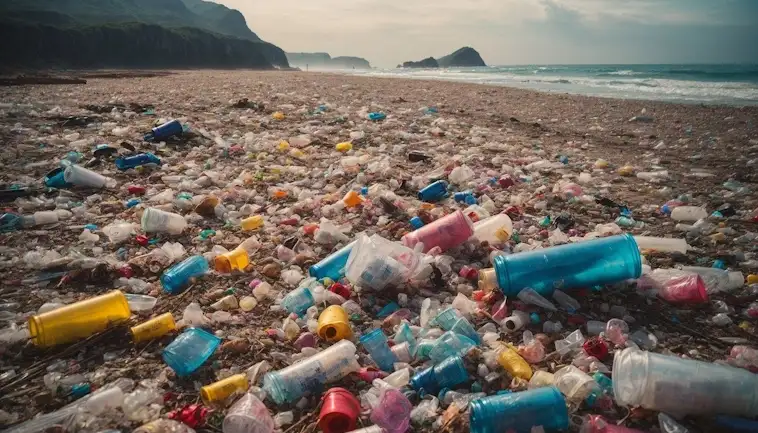
Plastic pollution is a critical global issue, affecting landscapes, oceans, and wildlife around the world. Each year, we produce about 300 million tons of plastic, and a significant portion of this—nearly 8 million tons—ends up in the ocean. Imagine the weight of that: it’s like dumping over 800 Eiffel Towers into the ocean every year!
Much of the plastic produced globally is designed for single use. After just a short moment of convenience, it becomes waste, often finding its way into natural environments. In fact, more than half of the plastic ever manufactured has been made in the last two decades alone, and our recycling efforts haven’t kept pace. Only about 9% of all plastic waste ever produced has been recycled. Most of it—around 79%—accumulates in landfills or the natural environment, where it can take up to 400 years to degrade.
The effects on wildlife are devastating. Animals, both marine and terrestrial, can ingest or become entangled in plastic debris, leading to injury and death. For marine species like turtles, whales, and seabirds, plastic pollution is particularly lethal. Research indicates that 90% of seabirds have plastic pieces in their stomachs. This not only harms individual animals but also threatens entire species and the balance of marine ecosystems.
The presence of microplastics, tiny pieces of degraded plastic, further complicates the issue. These microplastics can be found from the deepest oceans to Arctic ice. They enter the food chain, and preliminary studies suggest they could impact human health as well, though more research is needed to understand the full implications.
Given this scale and the dire consequences, we must implement effective strategies to manage and reduce plastic waste. This means improving recycling processes, developing alternatives to single-use plastics, and enforcing stricter regulations on plastic production and disposal. The goal is to create a sustainable future where plastic pollution is no longer a threat to our planet. It’s a big challenge, but one we must undertake to protect the Earth for future generations.
National Bans and Legislation: Leading the Charge
Around the world, many countries are taking a stand against plastic pollution by banning products like single-use plastic bags, straws, and microbeads. These bans are crucial steps in reducing plastic waste and their impacts are starting to show.
For instance, Kenya introduced one of the strictest bans on plastic bags in 2017. Retailers and citizens caught using, producing, or selling plastic bags face hefty fines or even jail time. This tough approach has led to significant decreases in plastic waste, helping to clear up waterways and streets previously littered with plastic.
In the European Union, a broader strategy was adopted in 2019 with the Single-Use Plastics Directive. This policy targets the 10 most commonly found single-use plastic items on Europe’s beaches, including cutlery, plates, and straws. The directive not only bans these items but also requires that plastic bottles be made of 25% recycled content by 2025, pushing for a circular approach to plastic use.
Canada has also taken decisive action. Starting in 2022, it banned single-use plastics like grocery bags, straws, stir sticks, six-pack rings, cutlery, and even difficult-to-recycle takeout containers. The goal is to achieve zero plastic waste by 2030.
The impact of these bans is quite promising. Countries that have enforced bans report not only a reduction in plastic waste but also a growing public awareness about the issues caused by plastic pollution. This awareness often leads to broader changes in consumer behaviour and business practices, such as increased use of reusable bags and containers.
These examples highlight how national policies can drive significant environmental benefits. By implementing these bans, countries are paving the way toward less polluted and more sustainable environments. It’s a collective effort that requires the support and participation of everyone, from government and businesses to individuals, to make a lasting impact.
Recycling Reinvented: Success Stories from Around the World
Countries around the globe are getting creative with recycling programs, and finding new ways to improve how we handle waste. Some of the most successful programs use a mix of high-tech solutions and incentives that encourage people to recycle more.
In Germany, a standout in recycling, the Green Dot system has made a big difference. Here, manufacturers and retailers pay for a green dot on packaging, signalling that they contribute to recycling costs. This simple system has greatly increased recycling rates for packaging waste. Germany also benefits from advanced sorting technologies that efficiently separate recyclables, maximising what can be reused.
Sweden goes even further with its recycling ambitions. Not only does it have a high-tech system for sorting and recycling, but it also burns a portion of its waste to produce heat and electricity. This approach is so effective that Sweden imports waste from other countries to keep their plants going!
In South Korea, the focus is on meticulous waste separation. Residents must dispose of food waste, recyclables, and other trash in separate bags. This strict rule, coupled with a fee based on the amount of non-recyclable waste produced, encourages people to recycle more and waste less. The country has seen its recycling rates soar as a result.
Taiwan is another success story. Once known for serious waste management issues, it now boasts one of the highest recycling rates in the world. Taiwan’s transformation began with the introduction of a comprehensive recycling program that included educating the public, strict regulations, and convenient recycling facilities that are accessible to everyone.
These programs show that with the right mix of technology, government policy, and community involvement, recycling rates can dramatically improve. Each country’s approach offers lessons on how incentives and innovations can make recycling easier and more effective for everyone.
Innovations in Biodegradable Plastics: A Real Alternative?
Biodegradable plastics are being developed as a promising alternative to traditional plastics. These plastics are made to break down faster than conventional plastics, which can linger in the environment for hundreds of years.
The main idea behind biodegradable plastics is that they can decompose into natural substances like water, carbon dioxide, and compost under the right conditions. This ability comes from using natural materials such as corn starch, sugarcane, or even plant fibres to produce them. For example, PLA (polylactic acid) is a popular type of biodegradable plastic made from fermented plant starch.
These plastics are already in use in various real-world applications. You might find them in packaging, agricultural films, and disposable items like cutlery and plates. They are particularly useful in settings where the plastic can be controlled and properly composted, like in industrial facilities.
The benefits are clear: these plastics have the potential to reduce the buildup of waste in landfills and the natural environment. If we can switch to materials that break down more quickly and safely, we could significantly cut down on pollution.
However, there are several challenges. First, biodegradable plastics often require specific conditions to break down effectively, such as high temperatures and the presence of certain microbes, which are only available in industrial composting facilities. This means they won’t just decompose in your backyard or in the ocean. Secondly, they are typically more expensive to produce than traditional plastics. The cost factor can make it hard for companies and consumers to switch over.
Lastly, there’s the issue of environmental impact. While biodegradable plastics are better in terms of waste management, their production still uses resources and can result in emissions, much like traditional plastic production.
Overall, while biodegradable plastics offer a lot of potential, their success depends on addressing these challenges. They need to be part of a broader waste management strategy that includes reducing plastic use, enhancing recycling systems, and educating the public on proper disposal methods.
Community-Led Initiatives: Grassroots Efforts Making a Difference
All over the world, people are coming together to fight plastic pollution through grassroots and community-led initiatives. These local actions make a big impact by tackling waste right at the source and educating people about the importance of reducing plastic use.
One popular initiative is local beach clean-ups. These events bring community members together to clear trash from their local beaches. It’s not only a way to clean up the environment but also a powerful tool for raising awareness. When people see first-hand how much plastic washes up on their shores, they’re often inspired to make more sustainable choices in their daily lives.
Schools are also vital players in the fight against plastic waste. Many have started educational programs that teach students about the effects of plastic pollution and the importance of recycling. For example, some schools run recycling competitions to encourage students to collect and recycle plastic waste. These programs help instil a sense of environmental responsibility in young people, who then often bring those lessons home to their families.
Community recycling challenges are another effective way to reduce plastic waste. These challenges engage whole neighbourhoods or cities in efforts to collect and properly dispose of recyclable materials. Often combined with rewards or recognition for the most successful participants, these challenges motivate residents to get involved and do their part for the environment.
These grassroots efforts show that when communities come together, they can make a real difference. By cleaning up beaches, educating the next generation, and actively participating in recycling, communities are taking important steps toward a cleaner, more sustainable future. And while each action might seem small on its own, together they add up to significant reductions in plastic waste.
Corporate Responsibility: How Companies are Reducing Plastic Use
Corporations play a crucial role in managing plastic waste, given their significant influence on production and consumption patterns. More and more companies are recognising their responsibility to help curb plastic pollution and are taking steps to reduce their plastic footprint.
Some companies are leading the charge by innovating in packaging. For example, Unilever has committed to cutting its use of virgin plastic in half by 2025, increasing its use of recycled plastic, and collecting and processing more plastic packaging than it sells. This kind of commitment not only reduces waste but also encourages the use of recycled materials.
Coca-Cola is another major player making strides. They’ve pledged to make all of their packaging recyclable globally by 2025 and to use at least 50% recycled material in their packaging by 2030. Coca-Cola is also working on innovative designs like their “PlantBottle,” partially made from renewable material, which further reduces the dependency on new plastic.
Beyond packaging, some corporations are redesigning products to be more sustainable. Adidas, for instance, has been developing shoes that can be fully recycled into new shoes without any waste. This “closed-loop” process means that the end of one product’s life can directly feed into the creation of another, drastically cutting down on waste.
Tech companies are also getting involved. HP Inc. has been incorporating recycled plastics into its products, including its printers and cartridges. By doing so, HP not only reduces the demand for new plastic but also shows that recycled materials can be used in complex electronic products.
These examples highlight the powerful impact corporations can have on plastic waste management. By innovating in packaging, recycling, and product design, companies can lead the way towards a more sustainable future, setting standards for the industry and encouraging others to follow suit. Their actions can greatly influence consumer behaviour and set positive examples for how businesses can contribute to environmental sustainability.
Technological Advances in Waste Management
Technological advancements are transforming how we manage and reduce plastic waste. These innovations range from smarter sorting systems to new recycling methods, making the process more efficient and effective.
One exciting development is the use of artificial intelligence (AI) and machine learning in waste sorting. Traditional sorting relies heavily on manual labour, which can be slow and inaccurate. AI changes the game by using cameras and sensors to quickly identify different types of plastics. This technology can sort waste more precisely and at a faster rate, increasing the amount of material that can be recycled.
Another innovative approach is chemical recycling. Unlike traditional recycling, which melts down plastics to create lower-quality materials, chemical recycling breaks plastics down to their molecular components. These can then be turned back into high-quality plastic. This method allows for endless recycling of the same materials without loss of quality, opening up new possibilities for reducing waste.
For bioplastics, which are designed to be compostable, new composting technologies are making a big difference. These technologies speed up the breakdown process of bioplastics, which often require specific conditions to degrade fully. Advanced composting methods ensure that these plastics don’t just end up sitting in landfills, but instead return to the earth safely and quickly.
These technologies not only improve how we manage waste but also inspire hope for a future with less plastic pollution. By making recycling processes more efficient and creating better ways to handle biodegradable plastics, technology is at the forefront of the fight against plastic waste. With continued innovation and investment, these advancements could drastically reduce the global plastic footprint, leading us towards a more sustainable world.
Looking Ahead: Future Strategies for a Plastic-Free World
As we look to the future, emerging strategies and technologies are shaping a more sustainable approach to managing plastic waste. Policy, education, and innovative technology are at the heart of these efforts, offering promising paths to reduce our plastic footprint.
Policy plays a critical role. Governments around the world are implementing bans on single-use plastics and setting strict recycling requirements. These policies encourage companies to develop eco-friendly products and help shift public behaviour towards more sustainable practices.
Education is equally important. By teaching people about the impacts of plastic pollution and how to reduce waste, we can change daily habits and consumer choices. Schools, community groups, and media can all spread knowledge that empowers people to make a difference.
On the technology front, exciting developments are underway. For example, scientists are working on enzymes that can break down plastics faster than ever before. These enzymes could revolutionise recycling by turning old plastics into new materials quickly and efficiently. Another promising technology is blockchain, which could enhance recycling rates by tracking the lifecycle of products and ensuring responsible disposal and recycling practices.
You can contribute to these efforts in several ways. Start by reducing your use of single-use plastics, such as straws, bags, and bottles. Get involved in local clean-up efforts to help remove plastics from your community. Support policies that aim to reduce plastic waste and educate others about the importance of these initiatives.
Remember, every small action counts. By adopting more sustainable habits, supporting innovative technologies, and pushing for effective policies, you can help lead the way to a future with less plastic waste. Together, we can make a significant impact.
Conclusion
Turning the tide on plastic pollution requires a mix of strong community action, innovative technologies, and robust policies. By getting involved in local clean-ups, advocating for smarter waste management, and supporting businesses that prioritise sustainability, we can each make a real difference.
Remember, the fight against plastic waste is not just about cleaning up—it’s about rethinking our habits and designing a future where we all tread more lightly on our planet.
Let’s keep pushing for change because every effort counts in building a cleaner, healthier environment. Together, we can turn the tide on plastic.