
Tipping the Scales: Urgent Strategies to Restore Ecosystems Balance
Tipping the Scales: Urgent Strategies to Restore Ecosystems Balance
Nature is out of sync—and it’s starting to show. From rising global temperatures to disappearing pollinators, the signs of imbalance are everywhere. Human activity has pushed many ecosystems to a tipping point, threatening the delicate web that supports life on Earth. But there’s still time to change course.
Right now, scientists, conservationists, and communities are turning to smart, fast-moving strategies to heal the damage and build lasting resilience. Some efforts are high-tech, others rooted in traditional knowledge—but all aim to do one thing: restore balance.
Restoring ecological balance isn’t just about protecting wildlife—it’s about securing our future. The solutions are here. The time to act is now.

Why Our Ecosystems Are in Crisis: A Look at the Root Causes
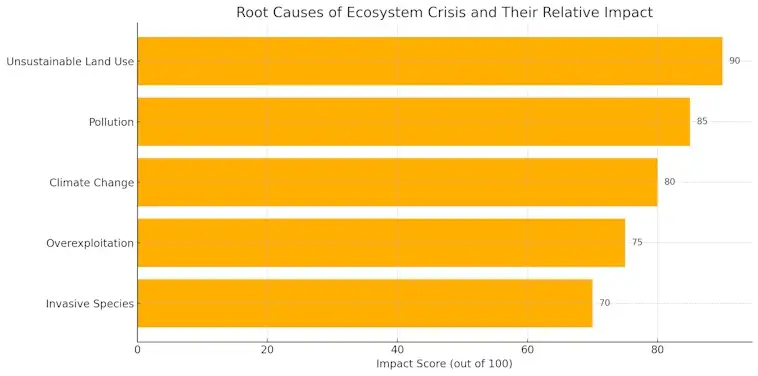
It’s no secret that our ecosystems are struggling. From shrinking forests to polluted oceans, the signs are everywhere. But while it’s easy to point fingers at climate change alone, the truth is a bit more layered. To truly understand the crisis, we need to look at the root causes—what’s really driving this breakdown in nature?
Unsustainable Land Use
One of the biggest culprits is how we use land. Forests are being cleared for farming, mining, and urban sprawl. This doesn’t just remove trees—it destroys habitats, displaces wildlife, and disrupts the balance of entire ecosystems. In short, we’re replacing rich, complex environments with monocultures and concrete.
Pollution in All Its Forms
Pollution isn’t just about smoggy skies. It’s in our rivers, oceans, and soil. From plastic waste choking marine life to toxic chemicals leaching into the earth, pollution is pushing ecosystems to their limits. The ripple effects are massive: fewer clean water sources, poisoned food chains, and even disruptions to weather patterns.
Climate Change
Yes, climate change is still a major factor—and it’s getting worse. Rising temperatures, shifting weather, and more extreme storms are changing ecosystems faster than many species can adapt. Coral reefs, for example, are bleaching at record rates, and migration patterns are being thrown off course. Nature doesn’t have a pause button, and we’re seeing the effects of that in real time.
Overexploitation of Natural Resources
From overfishing to deforestation, we’re using up resources faster than they can recover. This puts enormous strain on ecosystems that rely on balance. When one species disappears or is depleted, it sets off a chain reaction—one that can be hard to reverse.
Invasive Species and Biodiversity Loss
Human activity has moved species around the globe, often with unintended consequences. Invasive species can outcompete native ones, leading to population crashes and biodiversity loss. Every time we lose a species, we lose a piece of the puzzle that keeps ecosystems stable.
The bottom line? Our ecosystems are in crisis because of how we live, build, eat, and consume. But here’s the good news: If human activity is the root of the problem, it can also be the root of the solution. Understanding these causes is the first step toward change—and there’s still time to rewrite the story.
The Cost of Inaction: What Happens When Nature Breaks Down
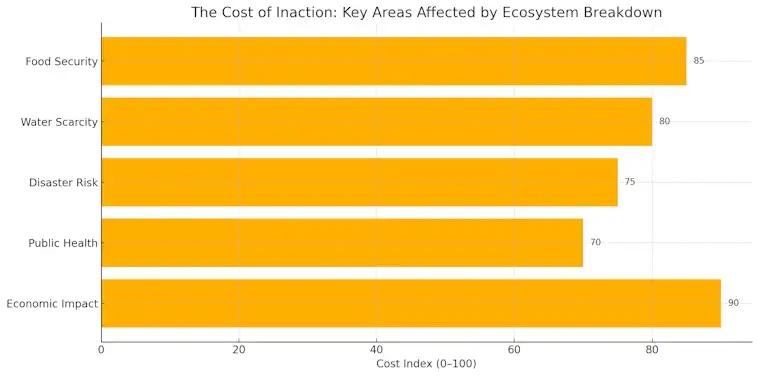
It’s tempting to think of nature as something “out there”—forests, oceans, and wildlife far from our daily lives. But the truth is, when ecosystems collapse, the effects ripple straight into our homes, wallets, and communities. And if we do nothing? The costs can be staggering.
Food Security Takes a Hit
Nature is the engine behind our food systems. Healthy soil, clean water, and pollinators like bees all play a role in putting food on our plates. When ecosystems falter, crops fail more often, pests spread faster, and food becomes more expensive—and less reliable. It’s not just about fewer apples or tomatoes. It’s about global hunger becoming harder to fight.
Water Becomes Scarce
Forests and wetlands naturally filter and store freshwater. As these ecosystems disappear, clean water becomes harder to find. Millions of people around the world are already facing water shortages. Without natural systems to support the cycle, droughts last longer, and access becomes a luxury, not a right.
Disasters Grow More Deadly
Nature is our first line of defense against natural disasters. Mangroves protect coastlines from storm surges. Forests prevent landslides. Coral reefs break the force of waves. When these systems are degraded, extreme weather—made worse by climate change—becomes far more dangerous and expensive to recover from.
Health Risks Multiply
Biodiversity loss can actually increase the spread of diseases. When natural ecosystems shrink, animals that carry viruses—like bats and rodents—come into closer contact with humans. We’ve already seen how quickly diseases can move across the globe. Protecting nature helps protect our health.
Economic Collapse on the Horizon
Nature is a massive part of the global economy—even if we don’t always see it. Industries like agriculture, tourism, fishing, and even pharmaceuticals rely on healthy ecosystems. As nature breaks down, jobs vanish, costs rise, and economies suffer. The World Bank estimates that nature’s loss could cost the global economy trillions each year by 2030.
So what’s the real cost of inaction? It’s not just lost forests or extinct animals. It’s rising grocery bills, unsafe drinking water, vulnerable cities, and a future where basic survival gets harder for everyone. But it doesn’t have to go this way. The sooner we act, the more we can save—and the stronger our future becomes.
Nature’s Toolbox: Proven Strategies for Ecosystem Recovery
The good news? Nature is remarkably resilient. When we give it the tools and space to heal, it often bounces back faster than expected. Across the globe, communities, scientists, and even everyday citizens are turning to smart, proven strategies to bring ecosystems back to life. These aren’t just ideas—they’re solutions that are already working.
Reforestation and Afforestation
One of the most effective tools in nature’s recovery kit is planting trees. Reforestation—replanting in areas where forests were lost—helps rebuild habitats, store carbon, and restore water cycles. Afforestation, or planting trees in new areas, boosts green cover and can even transform degraded land. Large-scale tree-planting projects in places like India and Africa are already showing impressive results.
Wetland and Mangrove Restoration
Wetlands are nature’s kidneys—they filter water, reduce flooding, and support tons of biodiversity. Restoring these ecosystems, including coastal mangroves, helps communities adapt to climate change while also creating nurseries for fish and birds. Countries like Indonesia and Bangladesh are leading the way in bringing mangroves back.
Sustainable Agriculture
Shifting to farming methods that work with nature—not against it—is key. This includes using fewer chemicals, rotating crops, protecting pollinators, and restoring soil health. Known as regenerative or sustainable agriculture, this approach boosts food production while also improving biodiversity and ecosystem stability.

Rewilding
Rewilding is about letting nature take the lead. It involves reintroducing native species and allowing natural processes to shape the landscape. Europe has seen successful rewilding projects with wolves, bison, and even beavers. These animals help rebalance ecosystems, from controlling prey populations to shaping rivers and forests.
Marine Protected Areas
Our oceans are in trouble—but not beyond repair. Marine Protected Areas (MPAs) are zones where fishing and industrial activity are limited or banned. These “underwater parks” give marine life a chance to recover and thrive. Over time, fish populations rebound, coral reefs regenerate, and nearby fisheries often benefit from the spillover.
Community-Led Conservation
One of the most powerful strategies? Local people leading the charge. When communities are empowered to manage and protect their natural resources, results often outpace top-down approaches. From Indigenous stewardship in the Amazon to grassroots forest management in Kenya, local leadership is making a global impact.
Bottom line? We already have the tools to restore nature—and many are simple, scalable, and cost-effective. The challenge now is to act faster and with greater ambition. When we invest in nature, it pays us back in cleaner air, safer climates, and a healthier planet for everyone.
How Communities Can Be Nature’s Strongest Ally
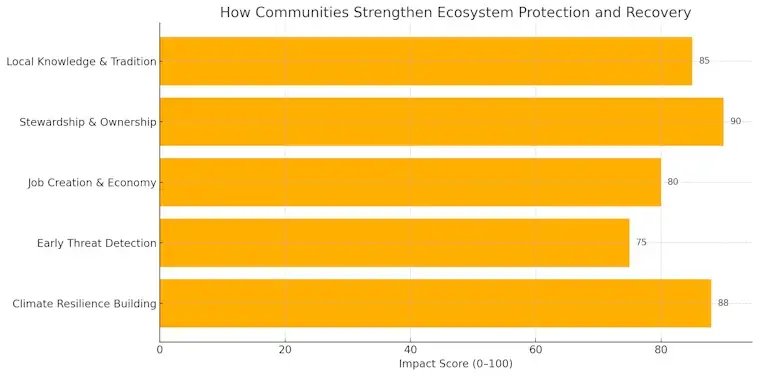
When we think of saving nature, we often picture global treaties or sweeping government policies. But some of the most powerful forces for change are much closer to home—our communities. Whether it’s a rural village, a coastal town, or a city block, communities have the power to protect, restore, and live in harmony with the ecosystems around them. In fact, when communities lead, nature thrives.
Local Knowledge, Real Impact
Communities that live close to nature often understand it better than anyone. Indigenous peoples and local stewards have deep knowledge of how to manage forests, rivers, and wildlife in sustainable ways. By respecting and supporting this knowledge, we can tap into generations of experience and wisdom that modern science is only just beginning to catch up with.
Ownership and Stewardship
When people have a say in how natural resources are managed, they’re far more likely to protect them. Community-led conservation projects—from forest monitoring to water management—build local ownership. It’s not about outsiders coming in to “fix” things. It’s about empowering the people who already live there to lead the way.
Restoring Nature, Creating Jobs
Restoration isn’t just good for the environment—it can also boost local economies. Community-driven reforestation, wildlife tourism, and regenerative farming create jobs, improve food security, and strengthen social bonds. It’s a win-win: healthy ecosystems and healthy livelihoods.
Rapid Response to Local Threats
Communities are often the first to notice when something goes wrong. A polluted stream, a missing species, a drying wetland—they see the signs early. That means they can act fast, often before bigger institutions even realize there’s a problem. Their action can prevent long-term damage and spark broader efforts.
Building Resilience Together
In a world facing climate shocks and biodiversity loss, resilience matters more than ever. Communities that work together—sharing knowledge, resources, and support—are better equipped to handle challenges. Whether it’s recovering from floods or adapting to droughts, local cooperation builds strength from the ground up.
So, what’s the takeaway? Communities aren’t just participants in environmental solutions—they’re leaders. They’re innovators, protectors, and connectors. And when given the tools, resources, and respect they deserve, they become nature’s most powerful ally.
The Road Ahead: What a Balanced Future Could Look Like
It’s easy to feel overwhelmed by the scale of the environmental crisis. But here’s the thing—while the challenges are big, so is our potential to fix them. A balanced future isn’t just a dream. It’s a direction we can move toward, starting now.
Picture This: Nature and People in Harmony
Imagine cities designed with green spaces that cool the air, clean the water, and lift our spirits. Picture farms that regenerate the soil rather than deplete it. Envision oceans teeming with life, thanks to smarter fishing and marine protections. In this future, nature isn’t an afterthought—it’s part of the plan.
Smarter Choices, Stronger Systems
A balanced future means shifting from extraction to regeneration. That could mean powering our homes with renewables, designing products that last longer, or choosing food that supports the planet. These aren’t sacrifices—they’re upgrades. They create jobs, improve health, and make communities more resilient.
Cities as Hubs of Innovation
Urban centers don’t have to be the problem—they can be the solution. By embracing green architecture, efficient transit, and circular economies, cities can lead the charge toward sustainability. Rooftop gardens, bike-friendly streets, and zero-waste policies aren’t fringe ideas anymore—they’re blueprints for tomorrow.
Rewilding Our Relationship With Nature
A balanced future isn’t just about policies or products—it’s about mindset. It means remembering we’re part of nature, not separate from it. That shift in perspective can change how we live, how we build, and how we measure success.
Global Action, Local Roots
Change starts small, but its impact can be huge. Communities that protect local forests, clean up coastlines, or adopt sustainable practices are lighting the way. Multiply that by thousands of cities and millions of people, and you’ve got a global movement with real momentum.
So what does the road ahead look like? It looks greener, healthier, and more connected. It’s powered by clean energy, fed by regenerative farms, and protected by communities who care. It’s a world where thriving ecosystems support thriving economies—and where balance isn’t just possible, it’s already beginning.
Moving Forward Together
Restoring ecosystem balance isn’t just an environmental goal—it’s a foundation for a safer, healthier, and more sustainable future for everyone. The strategies are already in our hands: protecting nature, investing in local communities, shifting to regenerative practices, and rethinking how we live with the planet.
What matters most now is action. Every step counts, whether it’s supporting rewilding efforts, choosing sustainable products, planting native trees, or advocating for smarter policies. Governments, businesses, and individuals all have a role to play—and the more we work together, the faster we tip the scales in the right direction.
Nature has shown time and again that it can recover. With urgency, cooperation, and vision, we can restore balance and build a future where people and the planet thrive side by side.