
The Impact of Droughts on Global Food Prices
The Impact of Droughts on Global Food Prices
Droughts are hitting hard, and it’s not just the land that’s feeling the heat—our grocery bills are too. As key agricultural regions face water shortages, the crops we rely on can’t grow as plentifully. This scarcity means higher prices for staples like wheat, corn, and rice, affecting meals and budgets worldwide. We’re taking a look at how prolonged dry spells disrupt food prices and what this means for our future food security. Join me as we examine the intricate dance between nature’s whims and our daily bread.
What You’ll Discover
Exploring Worldwide Drought Patterns
The Role of Agriculture in Global Food Supply
Direct Impact of Droughts on Crop Yields
Consequences for Food Prices
Farmers’ Struggles and Adaptations
Global Supply Chains and Market Volatility
Long-term Implications for Food Security
Policy Responses and International Cooperation
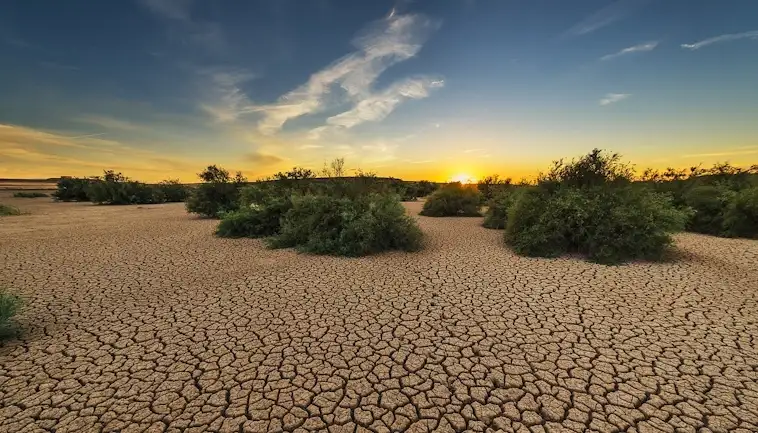
Exploring Worldwide Drought Patterns
In recent years, significant parts of the world have experienced prolonged periods of drought. These aren’t limited to traditionally dry areas; even regions that used to receive ample rainfall are now facing water shortages. For example, the Western United States, including California, has been dealing with drought conditions for over a decade. The situation has become so critical that reservoirs and groundwater levels are alarmingly low, affecting water supply for millions.
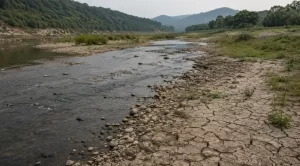
Europe, too, has felt the impact. Countries like Spain and Portugal are experiencing some of their driest periods on record. In 2022, nearly 60% of the European Union faced drought warnings or alerts, with rivers like the Rhine and the Danube hitting record low levels. This not only disrupts water supplies but also transportation and agriculture in these regions.
Turning to Africa, the Horn of Africa, including countries like Ethiopia, Somalia, and Kenya, is enduring one of the worst droughts in over 40 years. The lack of rainfall has led to failed crops, loss of livestock, and severe food shortages affecting millions of people.
In Asia, nations like China and India are also grappling with drought. Northern China has seen its groundwater levels drop, with severe implications for agricultural productivity. Similarly, parts of India face acute water scarcity, impacting both drinking water and irrigation.
The trend data from climatological reports indicate that these drought conditions are likely to worsen due to climate change. Higher temperatures and altered rainfall patterns contribute to more frequent and severe droughts.
As droughts affect large swaths of agricultural land, they reduce the ability to grow food, thereby driving up food prices globally. This is because less water means lower crop yields and higher costs for irrigation. Ultimately, as droughts become more common, they not only strain our water resources but also our food systems, leading to increased prices for consumers around the world.
The Role of Agriculture in Global Food Supply
Agriculture is at the heart of the global food supply chain, playing a crucial role in feeding the world’s population. It’s deeply connected to weather patterns, which affect everything from planting to harvesting.
Stable weather is key for good crop yields. Farmers depend on regular rainfall and predictable seasons to grow their crops effectively. When the weather is consistent, crops flourish, leading to bountiful harvests that feed millions. However, when weather patterns shift unexpectedly, it can cause widespread disruption.
Currently, many of the world’s agricultural regions are experiencing drought conditions. This includes parts of North America, Europe, Africa, and Asia. Drought affects the soil’s moisture, which is vital for plant growth. Without enough water, crops can’t grow well, if at all.
Statistics highlight the impact. For example, about 20% of the world’s food is produced in areas that are now facing moderate to severe drought conditions. This shows just how many of our global food resources are at risk when weather patterns are disrupted.
Economically, agriculture is a cornerstone. It not only provides food but also employment and income for hundreds of millions of people globally. The sector contributes significantly to the GDP of many countries, especially in developing regions where agriculture is the primary livelihood for a large portion of the population.
The reliance on agriculture makes it essential to understand the role of weather. With climate change leading to more frequent and severe weather anomalies like droughts and floods, the stability of global food production is at risk. This makes it increasingly important to adopt farming practices that can withstand these changes and to support policies that address climate change head-on. This way, we can help ensure that the world remains fed and that economies that rely heavily on agriculture can continue to thrive.
Direct Impact of Droughts on Crop Yields
Drought has a direct and devastating impact on agricultural productivity. When water is scarce, it hits farms hard, affecting the growth of plants and ultimately reducing crop yields.
Here’s how it works: plants need water just like we do. Water helps them absorb nutrients from the soil, and it’s crucial for photosynthesis, the process by which plants make their food. Without enough water, these processes can’t happen effectively. Plants become stressed, their growth is stunted, and they may not produce as many seeds or fruits.
Recently, several major food-producing regions around the world have felt the harsh effects of drought. In California, known for supplying a significant portion of the United States vegetables, fruits, and nuts, drought has led to drastic cuts in water allocations for agriculture. This has resulted in lower yields of crops like almonds, grapes, and tomatoes.
In Brazil, another agricultural powerhouse, severe drought in the past few years has impacted coffee production. Brazil produces about a third of the world’s coffee, and the lack of rain has not only reduced the size of the coffee beans but also the overall output, leading to higher prices globally.
Similarly, in Europe, countries like Italy and Spain have seen olive and grape harvests suffer due to drought conditions. These crops are vital to the economies of these regions, and smaller harvests mean less produce to sell domestically and internationally.
These examples show just how significant the impact of drought can be. Reduced water availability doesn’t just mean less water for crops. It leads to lower quality and quantity of food, affecting farmers’ incomes, increasing prices for consumers, and even influencing global markets. It underscores the importance of managing water resources wisely and finding ways to support agricultural sectors during increasingly frequent and severe drought conditions.
Consequences for Food Prices
When crop yields drop due to conditions like drought, food prices often go up. This happens because the supply of food decreases while the demand remains the same or even increases.
Let’s explore how this works with some staple foods: wheat, corn, and rice. These are key ingredients in diets worldwide, and their prices are closely watched.
Take wheat, for instance. In recent years, severe droughts in major wheat-producing countries have led to poor harvests. Since these countries are significant suppliers of wheat on the global market, any decrease in their production can cause global prices to rise. This happened in 2010-2011 when droughts in these regions contributed to a dramatic spike in wheat prices globally.
Corn has seen similar trends. The United States, a leading corn producer, experienced a major drought in 2012. It was one of the worst in decades, significantly reducing corn yields. As a result, corn prices soared. This not only affected direct consumers of corn but also industries reliant on corn, such as animal feed and biofuels, leading to higher prices across various sectors.
Rice is another example. Although it’s mainly grown in Asian countries that are typically abundant with monsoon rains, shifts in climate patterns have led to unpredictable rainfall. Droughts in India and Thailand, both major rice exporters, have sharply reduced rice yields at times. When these droughts occur, the supply of rice tightens, and prices increase, affecting millions of people who rely on rice as a staple food.
The economic mechanism behind these price adjustments is straightforward: when crops fail, there’s less produce available. Farmers and countries end up with smaller stocks, yet people still need to eat. This drives up prices, making food more expensive. Sometimes, countries even restrict exports to keep domestic prices stable, further tightening global supplies and pushing prices higher on the international market.
This dynamic shows how closely connected our global food system is and how environmental challenges like drought can ripple through economies, impacting food prices worldwide.
Farmers’ Struggles and Adaptations
Farmers face tough challenges during drought conditions, especially with water scarcity and the rising costs of irrigation. These issues make it hard for them to maintain their crops and can lead to financial stress.
When a drought hits, the first big problem is the lack of water. Without enough water, crops can’t grow properly, if at all. This reduces the amount of food a farmer can produce. To make matters worse, the available water often becomes more expensive. This is because everyone, including cities and other industries, needs it too, driving up the price.
To combat these challenges, many farmers are turning to new solutions. One approach is to use drip irrigation systems. These systems deliver water directly to the plant’s roots, minimising waste. While effective, setting up such systems can be costly, and not all farmers can afford the initial investment.
Another strategy is shifting to drought-resistant crops. These are types of crops that can survive with less water. Examples include certain varieties of wheat, barley, and sorghum. By growing these, farmers can reduce their dependence on heavy irrigation and better withstand dry conditions.
Farmers are also adopting new farming techniques to conserve water. Techniques like mulching, which involves covering the ground around plants with straw or leaves, help keep the soil moist and reduce water evaporation. Some farmers use no-till farming, which helps preserve soil moisture by leaving the previous year’s crop residue on the field.
Despite these adaptations, the economic pressures remain intense. Lower crop yields mean less income, while the costs for water and new technologies keep going up. This can put a lot of strain on farmers, pushing some to the edge financially.
These challenges underscore the tough position many farmers are in. As droughts become more common, finding sustainable ways to farm in dry conditions is becoming more crucial than ever.
Global Supply Chains and Market Volatility
Droughts don’t just impact local farmers; they can shake up the whole global economy. When a major agricultural region faces a drought, the effects ripple through markets worldwide, causing a lot of uncertainty and price volatility.
Here’s how it happens: Imagine a key region that grows a lot of wheat, like the Midwest in the United States, gets hit by a severe drought. The crops don’t grow well, and there’s a big drop in the amount of wheat available for sale. Since the U.S. is a major wheat exporter, this shortage isn’t just a local problem—it affects everyone who relies on this supply, from bakeries in France to noodle makers in Japan.
As the available supply of wheat shrinks, prices start to go up. This isn’t just about farmers selling their wheat for more money. It affects the entire chain of food production that depends on wheat, including bread, pasta, and many other products. Suddenly, supermarkets and consumers around the world feel the pinch with higher prices on the shelves.
Traders and markets are always watching the weather closely. They know that things like droughts can drastically change how much food is produced. When traders anticipate a bad weather forecast, like a drought, they might start buying up wheat futures, which are agreements to buy wheat at a set price at a future date. This speculation can drive prices up even more, long before the actual shortage hits the markets.
This kind of market response to drought shows just how interconnected our global economy is. A drought in one part of the world can lead to higher food prices and economic uncertainty in another, affecting everything from what families spend on groceries to the overall health of global economies. It’s a powerful reminder of how natural events like droughts can have far-reaching impacts beyond just the fields where crops are grown.
Long-term Implications for Food Security
Repeated drought conditions pose a serious threat to global food security. Over time, these droughts can make it tough for some regions to keep farming, pushing global food production to shift in big ways.
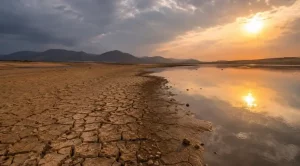
When droughts hit the same area over and over, the soil can get really damaged. It loses nutrients and becomes hard, almost like concrete, so water can’t soak in well. This makes it very difficult to grow crops. If this keeps happening, those areas might no longer be good for farming. Regions known for their rich agricultural history, like parts of California or the Mediterranean, could face these challenges.
As some areas become less viable for agriculture, we might need to shift food production to new places. This could lead to exploring farming in regions that weren’t traditionally used for agriculture. For example, areas with better access to water sources and more favourable climates might become new centres for growing food.
However, moving agriculture isn’t easy. It involves big changes, like developing new infrastructure and learning how to farm in different soils and climates. This shift can also impact the local environment, potentially harming native species or altering landscapes.
In the long run, we might see more countries relying on imports rather than growing all their own food. This could lead to stronger global trade connections but might also increase competition for food from areas still able to produce it in large quantities.
Ultimately, repeated droughts could force us to change not just where we grow food but how. Innovations like drought-resistant crops, advanced irrigation techniques, and sustainable farming practices will become even more important. These efforts can help ensure that even as some regions face the harsh realities of climate change, we can still feed the global population.
Policy Responses and International Cooperation
Governments and international organisations are taking serious steps to tackle the challenges brought on by droughts. They’re creating policies to use water more wisely, help farmers, stabilise food prices, and improve how countries work together on food issues.
Firstly, improving water efficiency is a big priority. Many places are upgrading their irrigation systems to save water and reduce waste. For example, some countries encourage using drip irrigation, which delivers water directly to the roots of plants, cutting down on evaporation. Governments are also promoting rainwater harvesting and the recycling of wastewater to make more water available for agriculture.
Supporting farmers is another critical area of focus. Governments often provide financial aid to farmers hit hard by droughts to help them keep their farms running. This aid might come as direct payments or subsidies for buying better irrigation equipment. There’s also a push for training programs that teach farmers about drought-resistant crops and new farming techniques that can help them adapt to changing conditions.
To keep food prices stable, some policies focus on creating reserves of key foods like grains. This way, if a drought reduces crop yields, there’s still enough supply to prevent a sharp increase in prices. Countries are also working to improve how they predict and monitor droughts, so they can prepare better and minimise impacts on food prices.
On the international front, cooperation is key. Organisations like the United Nations are involved in efforts to coordinate responses to food shortages that result from droughts. They work to ensure that food aid gets to where it’s needed most and help mediate agreements between countries to share water resources more fairly.
All these measures show a strong commitment to tackling the effects of droughts on a global scale. By working together and implementing smart policies, governments and international bodies are striving to protect both farmers and consumers from the harsh impacts of droughts.
Conclusion
Droughts have a profound impact on global food prices, affecting everything from crop yields to the stability of food markets.
When water is scarce, crops fail, and food supplies dwindle, leading to higher prices for everyone. Governments and international bodies are stepping up with policies to improve water efficiency, support farmers, and stabilise markets.
By embracing new farming technologies and cooperation, we can mitigate some of the harsh effects of droughts. However, as climate change continues to influence weather patterns, the challenge remains significant.
It’s clear that managing water resources and supporting agriculture is crucial for keeping food affordable worldwide.