

The Benefits of Organic Gardening at Home
The Benefits of Organic Gardening at Home
Organic gardening at home isn’t just a hobby; it’s a step towards healthier living and a happier planet. You grow your own food without harmful chemicals, leading to tastier and more nutritious meals right from your backyard. It’s cost-effective too, saving money on grocery bills. Plus, the satisfaction of tending to your garden is unmatched, bringing not only physical benefits but mental peace as well. And let’s not forget, it teaches us and our kids the value of self-sufficiency and caring for the environment. So, grab your gardening tools, and let’s get started on this green journey.
What You’ll Discover
Enhanced Flavour and Nutritional Benefits
Environmental Preservation
Cost Savings on Groceries
Chemical-Free Eating
Therapeutic Benefits
Promotes Self-Sufficiency
Longer Lasting Produce
Educational Opportunities
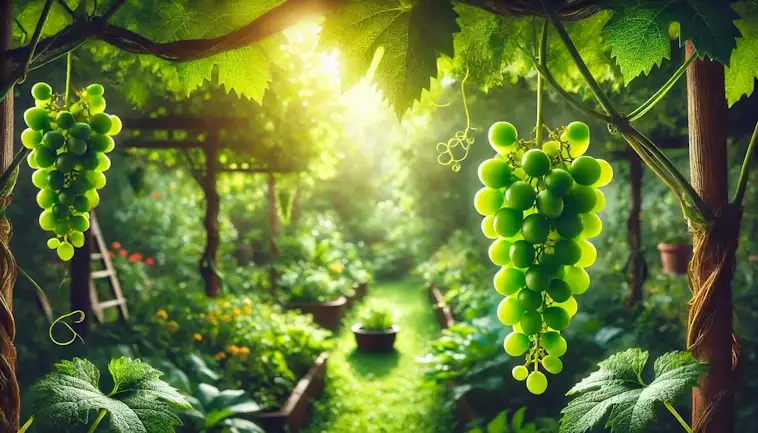
Enhanced Flavour and Nutritional Benefits
Organic gardening is a wholesome way to grow your fruits and vegetables, ensuring they’re free from synthetic pesticides and fertilisers. Many gardeners prefer this method as it not only nurtures the environment but also produces flavours that are often fresher and richer. When you bite into an organically grown tomato or a crisp apple, the taste is noticeably different. It’s as if you can sense the clean, pure effort that went into growing them.
This method of gardening relies on natural processes. It encourages using compost, natural pest predators, and crop rotation to enrich the soil, rather than chemical additives. The absence of synthetic aids means the plants grow at a natural pace, and many believe this contributes significantly to the improved taste of organic produce.
Beyond just taste, organic gardening could be better for your health. There’s evidence suggesting that organic fruits and vegetables might contain higher levels of nutrients. One reason for this could be the way these plants are forced to fend off pests on their own. Without pesticides, plants naturally produce more phytochemicals to resist bugs and diseases. These phytochemicals, in turn, are beneficial to us as antioxidants.
Antioxidants are important because they fight free radicals in your body, reducing oxidative stress and potentially lowering the risk of chronic diseases. So, not only does the organic produce taste better, but it might also offer better nutritional benefits.
Starting your organic garden doesn’t have to be daunting. Even with a small plot or a few containers, you can grow a variety of plants that are healthier and tastier. It’s about getting back to the basics and enjoying the fruits (and vegetables) of your labour, which are as nature intended—free from synthetic chemicals and full of flavour.
Environmental Preservation
Organic gardening is a gentle approach to cultivating your garden that plays a big part in cutting down pollution. By steering clear of chemical fertilisers and pesticides, organic gardeners ensure that these harsh substances don’t end up in the soil or wash into waterways. This reduces pollution and protects water quality, making a cleaner environment for everyone.
When you garden organically, you’re not just thinking about your plants but also about the water beneath us and the creatures that call your garden home. Every choice to avoid chemicals keeps harmful runoff out of nearby streams, rivers, and even the water you drink. It’s a simple change with big impacts, like clearer water and soil that stays rich and unpolluted.
This method also brings life to your garden in ways you might not expect. Without chemicals, the soil becomes a thriving hub for microorganisms. These tiny creatures are crucial for healthy soil because they break down organic matter and keep the soil structure dynamic and fertile. The diversity below the ground in an organic garden often mirrors the variety above it. You’ll see more birds, beneficial insects, and even amphibians. All these creatures contribute to a balanced ecosystem, which means your garden is not just a place of growth but a sanctuary of biodiversity.
Organic gardening encourages a natural balance that supports a wide range of organisms. Each bug, bird, and bacterium plays a role in a larger system, which can flourish without the interference of synthetic chemicals. This biodiversity not only makes your garden a hub of life but also naturally combats pests and diseases.
So, by choosing organic gardening, you’re not just nurturing your plants; you’re helping the whole ecosystem. You contribute to a healthier planet, one garden at a time, fostering a space where life in all its forms can thrive.
Cost Savings on Groceries
Growing your own food organically is a smart move that can really save you money on grocery bills. When you grow fruits, vegetables, and herbs in your own backyard, you avoid the high prices often charged for organic produce at the store. It’s amazing how the cost adds up when buying organic, but in your garden, those premium veggies are just the price of seeds and a little elbow grease.
Starting an organic garden means you can step outside, pluck fresh produce, and use it straight in your cooking. This direct line from soil to plate not only cuts costs but also enhances the freshness of your meals. Imagine making a salad with tomatoes and lettuce picked just minutes before. It’s not just fresher; it’s free once your garden is up and running.
Another neat trick to save money while gardening organically is to compost your kitchen waste. Things like banana peels, eggshells, and coffee grounds can turn into rich, nourishing compost. This means you don’t have to spend money on fertiliser. Composting helps you recycle nutrients back into your garden, reducing waste and the need for store-bought soil enhancers.
The benefits extend beyond just saving money. When you grow your own food, you know exactly what goes into (and what doesn’t go into) your soil and plants. There are no hidden pesticides or synthetic fertilisers. This peace of mind is priceless, yet it comes with tangible savings.
So, consider the seeds you plant an investment—not only in your health but also in your wallet. The more you grow, the more you save. And before you know it, your garden not only feeds your family but also boosts your budget. Starting an organic garden could be one of the healthiest and most economical decisions you make.
Chemical-Free Eating
One of the biggest perks of organic gardening is knowing that the fruits and vegetables you grow are free from synthetic pesticides and fertilisers. This is a huge win, especially if you have kids or if someone in your family has health concerns. Going organic in your garden means you’re choosing to avoid chemicals that might be harmful.
Think about it: when you grow your own produce organically, you control what goes into the soil and onto your plants. There’s no worrying about what those chemicals might do to your health. Instead, you enjoy clean, healthy food that you feel good about eating and sharing with your loved ones.
This approach is particularly crucial for children. Kids are more sensitive to the effects of pesticides because their bodies are still growing. Reducing their exposure by eating organically grown produce can help ensure they aren’t taking in substances that could harm their development.
For anyone with health concerns, like allergies or sensitivities, organic gardening is a breath of fresh air. By eliminating synthetic substances, you reduce the risk of reactions. Plus, many people find that organic produce simply tastes better. It’s like nature’s reward for going the healthy route!
The peace of mind that comes from knowing exactly what’s in your food—and what isn’t—is invaluable. It’s about more than just avoiding chemicals; it’s about making a conscious choice for health. Every tomato, every carrot, and every leaf of lettuce from your garden is a step towards a healthier lifestyle.
So, by planting your garden organically, you’re not just growing food. You’re taking charge of your diet and your health, and ensuring a safer, more natural intake for yourself and your family. It’s a straightforward change that can make a big difference in your life.
Therapeutic Benefits
Gardening isn’t just about growing food or flowers—it’s also a great form of exercise that can help you relax and feel less stressed. When you’re digging, planting, and weeding, you’re moving around, which is good physical activity. But it’s not just about the body; gardening is really soothing for the mind too.
Imagine spending a quiet morning in your garden. The sun is up, birds are singing, and it’s just you and your plants. This peaceful time can be your escape from the hustle and bustle of daily life. Gardening gives you a chance to slow down, focus on simple tasks, and clear your mind. It’s almost like meditation, where every moment you spend tending to your plants helps melt away stress.
Watching your garden grow is incredibly rewarding. There’s a real sense of accomplishment in seeing seeds sprout and plants flourish because of your care. This can boost your mood and self-esteem, making you feel good about what you’ve achieved. And as your garden thrives, so does your emotional well-being.
Spending time outdoors is another huge plus. Being outside in nature is known to help reduce feelings of anxiety and depression. Fresh air, natural light, and the calming greens of plants can all contribute to a happier, healthier mindset. Studies have shown that just being in nature can lower blood pressure, reduce stress hormones, and calm busy minds.
Gardening is a wonderful way to engage your body and soothe your mind. Whether you’re an experienced gardener or just starting out, the act of caring for plants can make your days brighter and contribute to a sense of inner peace.
Promotes Self-Sufficiency
Organic gardening at home is more than just a hobby; it’s a step towards self-sufficiency. When you grow your own fruits and vegetables, you can significantly cut down on trips to the grocery store. This is empowering because it puts you in control of your food supply. You decide what to plant, how to grow it, and when to harvest. It’s all in your hands.
Having a garden means you always have access to fresh produce. Think about the convenience of just stepping outside your door to pick the ingredients for your meals. Fresh lettuce, tomatoes, and herbs can be at your fingertips, ready whenever you need them. This is especially valuable in times when grocery store shelves might be empty or when you want to avoid the hustle of shopping.
Growing your own food also enhances your food security. In uncertain times, knowing that you can walk into your backyard and gather ingredients for a meal is incredibly reassuring. It’s a buffer against disruptions in the larger food supply chain. Plus, the more you grow, the less you depend on external sources for your daily needs.
This kind of gardening also lets you preserve your harvests. You can learn to can, freeze, or dry your fruits and vegetables. This way, you can enjoy your summer tomatoes or berries in the middle of winter. Preserving not only extends the bounty of your garden but also reduces food waste.
Moreover, the act of gardening itself is enriching. It teaches you valuable skills, from understanding the cycles of nature to managing a productive plot. These skills build confidence and a sense of capability. They make you feel more grounded and connected to the world around you.
Organic gardening nurtures more than just plants. It nurtures a sense of independence and empowerment. With each seed you sow, you’re not just growing food; you’re growing resilience.
Longer Lasting Produce
Organically grown fruits and vegetables often last longer once you bring them home, and there’s a good reason for this. When grown without synthetic chemicals, these plants have to rely on their own natural defences to survive and thrive. This can lead to some interesting benefits in terms of how long your produce stays fresh.
Think about it like this: organic plants aren’t given artificial aids to help them grow. Instead, they have to be tough to withstand pests and diseases on their own. This toughness translates into stronger natural defences, like thicker skins and higher levels of antioxidants. Thicker skins can protect the fruit from decay and damage, acting as a natural barrier against bacteria and fungi. This means that organically grown apples or tomatoes might just have that extra protective layer that keeps them fresh longer.
Then, there’s the role of antioxidants. These aren’t just good for your health; they also play a part in how well fruits and vegetables can resist spoilage. Antioxidants help protect plants from oxidative stress, which includes damage that can come from UV light, air, and other natural elements. For the fruit or vegetable, more antioxidants can mean a longer shelf life once picked.
When you buy organic produce, you might notice it stays fresher for a longer period compared to its non-organic counterparts. This isn’t just great for reducing waste; it also means you get more value out of every purchase. You can enjoy your fruits and veggies for a longer time without them going bad, which is not only convenient but also cost-effective.
By choosing organically grown produce, you’re not just avoiding synthetic chemicals. You’re also likely bringing home food that will last longer, thanks to its natural ability to fend off spoilage. This makes organic gardening a smart choice for your kitchen and your wallet.
Educational Opportunities
Organic gardening is like a living classroom that offers endless learning opportunities for everyone, no matter their age. It’s a hands-on way to dive into the world of botany, ecology, and nutrition. Let’s break down just how educational and enriching it can be.
For starters, when you garden, you’re in the thick of the science of plant life. You learn about different plant species, how they grow, and what they need to thrive. This is botany in real-time, happening right in your backyard. You also get a close-up look at the soil, understanding its composition and how it supports the plants above. That’s ecology in action!
Then there’s the nutritional side of things. Gardening teaches you about the benefits of different fruits and vegetables. You learn which nutrients are in your harvest and why they are good for you. It’s a natural way to spark interest in healthy eating.
Children, in particular, can gain so much from gardening. It’s an adventure for them. They can see, touch, and help grow the food they eat. This makes the process from garden to table very real. They understand where food comes from, and they see the effort it takes to grow it. This can help kids appreciate their meals more and reduce food wastage.
Gardening also teaches responsibility. Caring for plants requires watering, weeding, and protecting them from pests. These tasks teach kids to take care of their environment. They learn that their actions have a direct impact on the health of their garden.
Furthermore, organic gardening emphasises the importance of caring for the earth. It avoids harmful chemicals, preserves local ecosystems, and promotes biodiversity. Kids learn these values early on, which can inspire a lifetime of environmental stewardship.
Organic gardening isn’t just about growing food. It’s a rich educational experience that can teach us science, nutrition, and the importance of taking care of our environment. It’s learning, growing, and having fun all rolled into one!
Conclusion
Organic gardening at home is more than just a hobby; it’s a rewarding journey towards health, sustainability, and education.
By growing your own organic produce, you enjoy fresher, tastier, and more nutritious fruits and vegetables, while reducing your environmental footprint. It’s a powerful way to teach yourself and your family about nature’s processes, encouraging healthier eating habits and a deep respect for the environment.
Dive into organic gardening and discover the joy of nurturing life in your backyard. You’ll find that this green thumb effort enriches not just your meals, but your overall well-being.