The Basics of Greenhouse Gases: What You Need to Know
The Basics of Greenhouse Gases: What You Need to Know
Greenhouse gases are a hot topic, and for good reason. They play a huge role in keeping our planet warm enough to live on, but too much can lead to trouble. Every day, activities from driving cars to farming animals send these gases into the air, heating up our world a bit more. Understanding what these gases are, where they come from, and how they affect our climate is crucial. This guide breaks it all down, showing you how these gases work and what we can do to keep our Earth in balance. Let’s get started.
What You’ll Discover
Greenhouse Gases: Definition and Importance
The Major Greenhouse Gases and Their Sources
How Greenhouse Gases Contribute to Global Warming
Historical Trends and Current Levels of GHG Emissions
Impact of Greenhouse Gases on Weather and Climate
International Efforts to Manage Greenhouse Gas Emissions
Innovations and Technologies for Reducing GHGs
Individual Actions to Mitigate Greenhouse Gas Emissions
Greenhouse Gases: Definition and Importance
Greenhouse gases, often called GHGs, play a crucial role in shaping the Earth’s climate. These gases include carbon dioxide, methane, nitrous oxide, and water vapour. Here’s how they work: They let sunlight pass through the atmosphere, which warms the Earth. Then, they trap some of the heat as it radiates back from the Earth towards space, keeping our planet warm enough to support life.
This natural blanket of warmth is essential. Without greenhouse gases, Earth’s average temperature would be about -18°C, far too cold for most life forms that currently thrive here. So, in the right balance, these gases are beneficial, helping to maintain a temperature that sustains our global ecosystems and us.
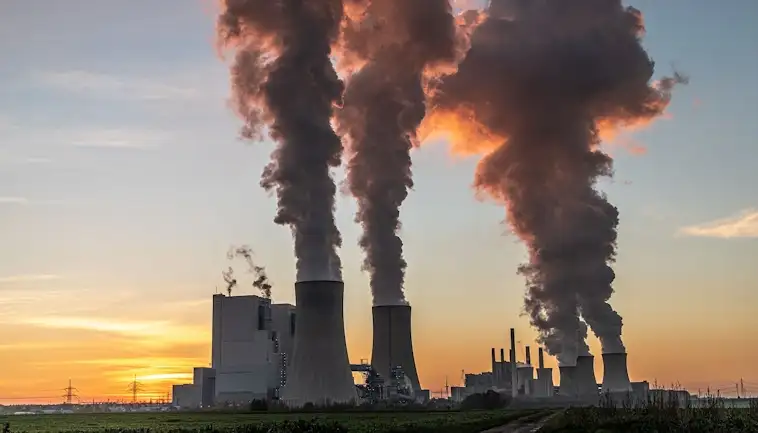
However, problems arise when the concentrations of these gases increase beyond natural levels. Human activities, especially the burning of fossil fuels like coal, oil, and gas, have significantly increased the amounts of carbon dioxide, methane, and nitrous oxide in our atmosphere. This leads to more heat being trapped, which causes the Earth’s average temperature to rise, a phenomenon known as global warming.
The consequences of increased greenhouse gases are serious. They include rising sea levels, more extreme weather events like hurricanes and droughts, shifts in wildlife populations and habitats, and impacts on human health and food supplies. Each of these impacts can disrupt life on Earth in profound ways.
So, while greenhouse gases are vital for life, it’s critical to manage and reduce our emissions to prevent harmful effects on our climate and ensure a healthy planet for future generations. It’s all about balance—too little and the Earth is too cold, too much and it becomes too warm.
The Major Greenhouse Gases and Their Sources
Greenhouse gases (GHGs) are vital to keeping Earth warm, but different types have different sources and effects. The main ones include carbon dioxide (CO₂), methane (CH₄), nitrous oxide (N₂O), and fluorinated gases.
Carbon dioxide, or CO₂, is the most significant greenhouse gas. It naturally comes from things like volcanic activity and the respiration of living organisms. However, humans add a lot to this by burning fossil fuels for energy, cutting down forests, and making cement. All these activities release CO₂ into the atmosphere.
Methane, or CH₄, is another major greenhouse gas, about 25 times more potent than CO₂ in trapping heat. Naturally, methane is released during the decomposition of plant and animal matter in wetlands. Human activities add to this through agriculture, especially from the digestive processes of livestock, and from landfills where organic waste breaks down.
Nitrous oxide, or N₂O, is much less common but is about 298 times more effective than CO₂ at trapping heat. It naturally comes from soil and water as part of the Earth’s nitrogen cycle. But humans increase these levels through agricultural practices, especially the use of nitrogen-based fertilisers, and burning fossil fuels.
Fluorinated gases are entirely man-made and used in various industrial applications, including refrigeration and aluminium production. They don’t occur naturally and are much less common than the other greenhouse gases but can be thousands of times more effective at trapping heat than CO₂.
The balance of these gases is delicate. While natural sources are part of Earth’s ecosystem, human-induced sources have been increasing their concentrations, leading to more trapped heat and contributing to global warming. Addressing these emissions is critical in managing our planet’s climate.
How Greenhouse Gases Contribute to Global Warming
Greenhouse gases (GHGs) are like a blanket for Earth. They have a crucial job: they help keep the planet warm enough for us to live on. But if their levels get too high, they can make Earth too warm, leading to what we call global warming.
Here’s how it works: The Sun sends light to Earth, which heats it up. Normally, Earth gives back some of this heat into space, which keeps our climate balanced. But with more greenhouse gases in the air, like carbon dioxide, methane, and nitrous oxide, this heat gets trapped. These gases absorb the heat and send it back to the Earth’s surface, making it even warmer. This is similar to how a blanket traps your body heat on a cold night.
Now, let’s talk about radiative forcing. It sounds complex, but it’s really just a way to measure how different factors can change the balance of Earth’s incoming and outgoing energy. When greenhouse gases increase, they add more forcing to the system. This means they push the balance towards warming. Scientists use radiative forcing to understand how much a particular change, like increasing carbon dioxide levels, heats up Earth.
Radiative forcing helps us see which gases have the biggest impact and how changes in our atmosphere can lead to climate change. It’s a bit like a scorecard that tells us how much human activities are heating up the planet.
So, in simple terms, greenhouse gases trap heat, and radiative forcing measures how much extra heat stays on Earth because of these gases. When we know this, we can better understand and tackle climate change. It helps us figure out the best ways to reduce our greenhouse gas emissions and protect our planet.
Historical Trends and Current Levels of GHG Emissions
Over time, the levels of greenhouse gases (GHGs) have changed significantly, especially with human activities like industrialisation. Historically, these levels were much lower before the Industrial Revolution, which started around 1750. Before then, the amount of carbon dioxide (CO₂) in the atmosphere was about 280 parts per million (ppm). But as industries grew, more fossil fuels like coal, oil, and natural gas were burned for energy, releasing large amounts of CO₂ and other GHGs into the atmosphere.
Now, let’s fast forward to today. Recent data shows that global CO₂ levels have reached over 410 ppm, the highest in human history. Methane and nitrous oxide levels have also risen sharply due to agriculture and industrial activities. This increase is mostly because of more energy demand, large-scale deforestation, and intensive farming practices, all of which release significant amounts of GHGs.
Climate monitoring organisations, such as the National Oceanic and Atmospheric Administration (NOAA) and the World Meteorological Organisation (WMO), regularly report on these trends. They’ve noted that GHG concentrations in the atmosphere continue to rise, despite global efforts to manage and reduce emissions.
Currently, the trend is still upward, indicating ongoing challenges in controlling GHG emissions globally. For instance, the Global Carbon Project reported that in recent years, global emissions had continued to grow, suggesting significant ongoing impacts from human activities, especially from major economies and rapidly industrialising nations.
Understanding these trends is crucial because it helps scientists and policymakers figure out how fast the planet is warming and what can be done to minimise climate change impacts. It also emphasises the importance of international cooperation and innovative solutions to manage and reduce emissions effectively.
Impact of Greenhouse Gases on Weather and Climate
When greenhouse gas (GHG) levels rise, they don’t just warm the planet. They also mess with our weather and climate systems in big ways. Here’s what happens:
First, more GHGs mean more heat is trapped in the atmosphere. This leads to heatwaves that are not just hotter but also more frequent and longer-lasting. Imagine days so hot that it’s tough to be outside, affecting everything from sports to just playing at the park.
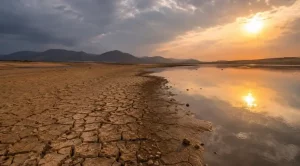
Then, there’s the issue with rainfall. As the Earth heats up, some places get more rain than usual while others get much less. This can lead to floods in some areas and droughts in others. Such changes can harm crops, disrupt food supplies, and even affect how much water we have for drinking and washing.
But it doesn’t stop there. The extra heat also impacts our oceans. It can change ocean currents, which are like big conveyor belts moving water around the globe. These currents affect the weather and the climate. When they change, it can lead to more powerful storms and affect the marine life that depends on stable conditions to thrive.
All these changes are interconnected. For example, altered ocean currents can shift weather patterns, which then affect how much rain falls on continents. This can influence forest growth and, therefore, impact the habitats of countless animals and plants.
So, as GHG levels increase, it’s like throwing a wrench into the finely tuned machine of our Earth’s climate. The result is a lot of unpredictable and often extreme weather that can affect how and where people can live, grow food, and maintain their ways of life. It’s a big deal, and it’s why there’s so much talk about needing to tackle climate change by reducing emissions and finding sustainable ways to live.
International Efforts to Manage Greenhouse Gas Emissions
Countries around the world recognise the need to tackle the issue of rising greenhouse gas (GHG) emissions. One major step toward this is the Paris Agreement, an international deal signed in 2015. This agreement has a big goal: to keep the global temperature rise this century well below 2°C above pre-industrial levels and to try for even lower, at 1.5°C.
Under the Paris Agreement, each country sets its own targets for reducing emissions. These targets are called Nationally Determined Contributions, or NDCs. Every few years, countries are supposed to review their targets and make them even more ambitious.
To meet these targets, countries are adopting various strategies. A popular approach is increasing the use of renewable energy sources like wind, solar, and hydropower. These energy sources produce little to no GHGs compared to fossil fuels like coal and oil.
Another strategy is improving energy efficiency in buildings, cars, and manufacturing. This means using less energy to do the same amount of work, like lighting homes with LED bulbs that use less electricity or making cars that use less fuel to travel the same distance.
Some countries also focus on reforestation and forest preservation, which help absorb CO₂ from the atmosphere. Others invest in technology to capture carbon before it escapes into the air.
These efforts are crucial because they help each country contribute to a global solution. The Paris Agreement serves as a platform for countries to work together, share successful strategies, and hold each other accountable. While progress can be slow and meeting these targets challenging, the global commitment remains a key component in the fight against climate change.
Innovations and Technologies for Reducing GHGs
To tackle the problem of rising greenhouse gas (GHG) emissions, scientists and engineers are working on some exciting technologies and innovative approaches.
One promising technology is carbon capture and storage (CCS). This process involves capturing carbon dioxide (CO₂) emissions from sources like power plants and factories before they reach the atmosphere. Once captured, the CO₂ is transported and stored deep underground in geological formations. This keeps a significant amount of carbon out of the air, helping to combat global warming.
Renewable energy technologies are also getting a big boost. Advances in solar and wind power are making these resources more efficient and cheaper than ever before. For example, newer solar panels can convert sunlight to electricity more effectively, and improved wind turbines can generate more power even when the wind isn’t very strong. This makes renewable energy a more practical option for more people around the world.
In the agricultural sector, there are innovative approaches to reduce methane emissions from livestock, which are a major source of GHGs. One way is through dietary supplements for cattle that can reduce how much methane they produce when they digest their food. Scientists have developed additives that can be mixed into livestock feed to improve digestion and cut down on emissions.
Another agricultural breakthrough involves using better manure management techniques. By treating manure in ways that capture methane before it escapes into the air, farms can turn this potent greenhouse gas into a useful source of energy.
All these efforts—from capturing carbon to harnessing the power of the sun and wind, to innovating in agriculture—show how technology can help us make a big dent in GHG emissions. These technologies are not just about reducing emissions; they’re also about building a sustainable and cleaner future.
Individual Actions to Mitigate Greenhouse Gas Emissions
There are many ways you can help lower greenhouse gas (GHG) emissions through simple changes in your daily life. By making these adjustments, you not only reduce your carbon footprint but also encourage a wider culture of sustainability. Here are a few ideas on how you can make a difference:
1. Reduce meat consumption: The meat industry produces a lot of GHGs, especially methane, which is a potent greenhouse gas. By eating less meat, particularly beef and lamb, you can significantly cut down on your emissions. Trying meatless meals a few times a week can be a good start!
2. Use public transportation: Cars are major contributors to carbon emissions. Whenever possible, try taking public transport, biking, or walking. These are not only good for the environment but often healthier choices for you as well.
3. Conserve energy at home: Small changes like switching to LED bulbs, turning off appliances when not in use, and improving home insulation can reduce the amount of energy you use. Heating and cooling systems consume a lot of energy, so adjusting your thermostat by just a few degrees can make a big difference.
4. Recycle and reuse: By recycling materials like paper, plastic, and glass, you help reduce the energy needed to make new products. Also, reusing items and buying second-hand can limit waste and lower GHG emissions related to production and disposal.
5. Support renewable energy: If possible, you can switch to a renewable energy provider for your home or invest in solar panels. Supporting companies and products that prioritise sustainability can also drive more significant change by increasing demand for green products.
By incorporating these practices into your life, you’re not only contributing to a reduction in GHG emissions but also setting an example for others. Individual actions can lead to collective impact, encouraging broader changes in community and government policies towards sustainability.
Conclusion
Understanding greenhouse gases is key to tackling climate change. These gases, like carbon dioxide and methane, trap heat in our atmosphere, keeping Earth warm but also contributing to global warming when their levels get too high.
By learning how they affect our planet and what we can do to reduce emissions—like switching to renewable energy and eating less meat—we can make a real difference. Every small change helps us protect our world for future generations.
Remember, managing greenhouse gases is not just a task for scientists; it’s something we all can contribute to every day.