
Simple Ways to Help Local Wildlife
Simple Ways to Help Local Wildlife
Looking after the wildlife right outside our doors is easier than you might think. By making small changes to our everyday habits, we can create a safer, healthier environment for the creatures that share our neighbourhoods. Whether it’s setting up a bird feeder, planting native species in your garden, or participating in local cleanups, every action counts. This guide provides practical tips to help you make a positive impact on your local ecosystems. Start with these simple steps to support the natural world around you and encourage others to join in too.
What You’ll Discover
Create a Wildlife-Friendly Garden
Set Up Birdhouses and Feeders
Provide a Water Source
Leave Some Wild Spaces
Participate in Local Cleanup Drives
Reduce, Reuse, Recycle
Support Wildlife Rehabilitation Centres
Educate Yourself and Others
Create a Wildlife-Friendly Garden
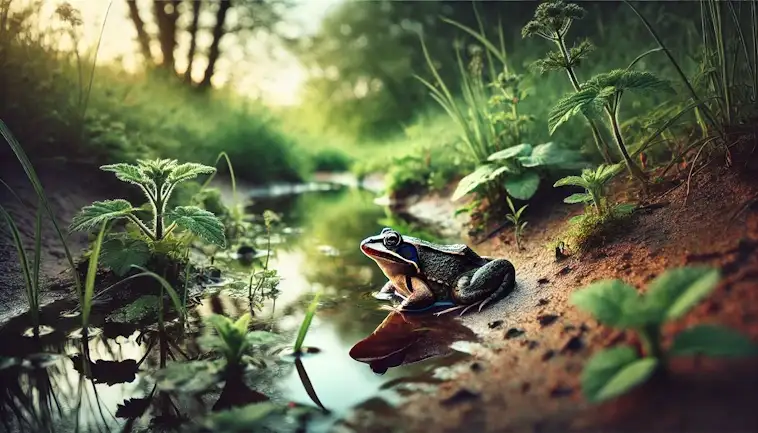
Transforming your backyard or even a small patio into a wildlife haven can significantly benefit the environment and local ecosystems. Even modest spaces can provide crucial shelters and food sources for various wildlife, contributing to biodiversity conservation.
Start by selecting native plants for your garden. These plants are adapted to your local climate and soil, making them easier to grow, and they’re what local wildlife prefers to eat and use for shelter. By planting these, you provide natural food sources like berries, nuts, and nectar, which attract and nourish birds, insects, and other animals native to your area.
Incorporate different elements to cater to various species. Installing bird feeders is an easy way to attract birds, providing them with a reliable food source, especially during migration or harsh seasons. For pollinators like bees and butterflies, which are vital for pollination and maintaining healthy plant populations, flowering plants are essential. Choose varieties that bloom at different times of the year to offer a continual food supply.
Adding a small pond can also have a tremendous impact. It supports aquatic and semi-aquatic species, offering water for drinking and breeding grounds for amphibians like frogs and toads. Ensure the edges of your pond have gentle slopes to allow wildlife easy access.
It’s crucial to avoid using pesticides and herbicides. These chemicals can be deadly to the very creatures you’re trying to help. They not only kill pests but also beneficial insects like bees and ladybugs, and can contaminate water sources, harming amphibians and birds.
By taking these steps, you create a sanctuary that supports and nurtures local wildlife. This not only helps the animals and plants thrive but also brings the natural world closer to home, enhancing your environment and contributing to global ecological health.
Set Up Birdhouses and Feeders
Installing birdhouses and feeders in your garden is a wonderful way to support local bird populations. These simple additions can provide birds with much-needed shelter and supplementary food, which is especially crucial during the winter months when natural resources are scarce.
Birdhouses offer a safe space for birds to nest and protect their young from harsh weather and predators. They mimic natural nesting sites, which are often hard to find in urban areas. By putting up a birdhouse, you’re giving birds a cosy place to raise their families.
Feeders play a critical role as well. They supply birds with additional food, which can be a lifesaver during times when their usual food sources are covered in snow or depleted. Different types of feeders attract different species, so you can enjoy a variety of birds in your backyard. For instance, tube feeders are great for small birds like finches and titmice, while platform feeders can accommodate larger birds such as jays and cardinals.
However, it’s important to maintain these feeders properly to prevent the spread of diseases among bird populations. Feeders should be cleaned regularly with a solution of one part bleach to nine parts water, rinsed well, and dried before refilling them with fresh seeds. This helps eliminate harmful bacteria and mould that can grow on leftover seeds and bird droppings.
Also, the placement of the feeders is key. They should be located where birds have quick access to cover from predators. This means placing them near bushes or trees where birds can easily escape into foliage if they feel threatened, but not so close that predators can hide within striking distance.
By following these simple guidelines, you can enjoy the lively chirping and bustling activity of birds year-round, all while contributing positively to the local ecosystem. Your efforts in providing a safe and nourishing environment will help sustain the bird populations in your area.
Provide a Water Source
Adding water features like birdbaths or small ponds to your garden can be a game-changer for wildlife, especially in urban areas where natural water sources might be scarce. These features offer essential support to local wildlife, providing a reliable spot for drinking and bathing, which becomes critically important during hot weather.
Water is as crucial for birds and animals as it is for humans. A birdbath or pond gives them a place to hydrate, cool down, and maintain their feather or fur health through bathing. This can be particularly vital during summer when temperatures soar and natural water sources may dry up. Birds, for example, need to bathe to keep their feathers in optimal condition for flight and insulation.
In urban environments, where gardens and green spaces are limited, these water features can become lifelines. They attract a variety of creatures, from birds to beneficial insects and amphibians, creating a bustling hub of activity. A simple birdbath can bring immense joy with the daily visits of different birds, while a pond might host frogs, dragonflies, and even the occasional small mammal.
However, it’s important to keep these water sources clean. Stagnant, dirty water can harbour bacteria and parasites, which can spread diseases among wildlife visitors. To prevent this, make sure to change the water in birdbaths regularly—at least once a week—and give them a good scrub to remove any algae or debris. If you have a pond, consider installing a filtration system to keep the water clear and free of harmful organisms.
Also, think about the placement of your water features. They should be in a spot where animals feel safe from predators but also close enough to shelter, like bushes or trees, where they can flee if needed.
By maintaining a clean and well-placed water feature, you provide a critical resource for wildlife in your area and create a welcoming environment for nature to thrive right in your backyard.
Leave Some Wild Spaces
Letting part of your garden grow wild can be a simple yet effective way to help local wildlife. When you allow your garden to return to a more natural state, you provide essential habitats for various creatures.
Start by letting your grass grow a bit longer. Longer grass is not just easier to maintain—it’s also a haven for wildlife. It offers excellent cover and a place for small animals like insects and frogs to hide and thrive. These smaller creatures are vital for maintaining a healthy ecosystem as they support local food chains.
Leaving dead leaves and fallen branches on the ground can also make a big difference. While it might look a bit messy, these natural elements are treasure troves for wildlife. Dead leaves provide insulation and hiding spots for insects during colder months. Fallen branches can become nesting sites or shelters for small birds and mammals. These materials mimic the litter found in forests, which is a natural and critical part of any woodland ecosystem.
This approach does not just benefit the animals. It also enriches the soil as decomposing leaves and wood turn into nutrients that feed your plants. This natural cycle builds a healthier garden overall.
You don’t have to let your entire garden go wild to see benefits. Even a small area can make a significant impact. Designate a corner of your yard or an unused side strip to be your mini wildlife refuge. This can become a little sanctuary where you can observe the natural behaviours and diversity of creatures that come to visit.
By adopting these practices, you not only increase your garden’s appeal to wildlife but also contribute to local biodiversity. This creates a space where nature can flourish, right in your own backyard.
Participate in Local Cleanup Drives
Joining community efforts to clean up local environments like parks, beaches, and forests can have a significant impact on reducing pollution and protecting wildlife. When we come together to clean these areas, we help to eliminate trash and contaminants that can harm animals, plants, and the overall ecosystem.
Pollution can be deadly for wildlife. Animals can ingest or become entangled in garbage like plastic bags, fishing lines, and other debris, leading to injury or death. By removing this litter, we reduce the risks to wildlife and improve their chances of survival. Cleaner habitats also mean healthier living conditions for all species, including humans.
Moreover, participating in clean-up activities helps maintain the natural beauty and health of these environments. Parks, beaches, and forests are not only vital for wildlife but also offer recreational spaces for communities to enjoy. Keeping these areas clean ensures that they remain beautiful and safe for everyone.
Community clean-ups also raise awareness about the importance of environmental stewardship. When people engage in these activities, they become more conscious of how their actions affect the planet. This can inspire ongoing behaviour changes, like reducing waste and recycling more, which contribute to less pollution over time.
These efforts often bring neighbours together, fostering a sense of community and collective responsibility. Working side by side to clean up a local beach or park can strengthen community bonds and encourage a shared commitment to protecting the environment.
So, getting involved in local clean-up efforts not only immediately improves the conditions of our natural surroundings but also has a long-lasting impact on the health of our planet and community. By taking part, we take a step towards a cleaner, healthier environment for current and future generations.
Reduce, Reuse, Recycle
Proper waste management is crucial for protecting local wildlife. By reducing our use of plastics, reusing materials, and recycling waste, we can greatly minimise pollution and the destruction of habitats. This approach not only helps wildlife but also preserves our environment for future generations.
Plastics are particularly harmful to animals. They can mistake plastic items for food, which can be fatal when ingested. Furthermore, plastic waste often ends up in waterways, posing a threat to aquatic life and birds. By cutting down on our plastic use, we can decrease the amount of this non-biodegradable material in our environment.
Reusing materials is another key strategy. Before throwing things away, consider if they can be used again. Reusing items reduces the demand for new products and lessens the overall amount of waste produced. This not only conserves resources but also reduces the energy used in manufacturing new items, which in turn cuts down on pollution.
Recycling is a powerful tool in waste management. By recycling products like paper, glass, and metals, we ensure they are reprocessed into new items instead of ending up in landfills. This process significantly reduces the need for raw materials, which helps preserve natural habitats and prevents further land degradation.
Landfills are expanding, and with that expansion, the destruction of natural habitats is increasing. When we don’t manage our waste properly, landfills grow, encroaching on areas that wildlife depend on for survival. Moreover, litter from unmanaged waste can scatter into the environment, harming animals and spoiling the natural beauty of our surroundings.
Effective waste management practices such as reducing, reusing, and recycling can lead to significant improvements in the health of our local ecosystems. By taking these steps, we help protect the wildlife that shares our planet and ensure a healthier environment for all.
Support Wildlife Rehabilitation Centres
Wildlife centres play a vital role in caring for injured, sick, or orphaned animals. These centres are often the difference between life and death for creatures that have been harmed by accidents, pollution, or loss of habitat. By providing medical care, shelter, and food, wildlife centres help these animals heal and, when possible, prepare them to return to their natural habitats.
The work these centres do is not just about healing. It also involves rehabilitation. This means helping the animals recover physically and mentally to a point where they can survive on their own in the wild. The process requires a lot of patience, expertise, and resources. For many animals, this can mean learning or relearning vital survival skills, like hunting or foraging for food, which are essential for their success once they are released.
Supporting these centres through donations or volunteer work is crucial. Funding is always needed to cover the costs of medical supplies, food, and shelter. Every donation, no matter how small, helps provide the necessary care that speeds up an animal’s recovery and return to the wild.
Volunteering is another fantastic way to help. Volunteers can get involved in various tasks, from feeding animals and cleaning enclosures to assisting with fundraising and public education. This work not only supports the centres but also spreads awareness about wildlife conservation. By volunteering, individuals learn about the challenges these animals face and the importance of protecting them and their environments.
By supporting wildlife centres, we contribute directly to the rehabilitation and eventual release of wildlife back into their natural habitats. This support helps maintain the balance of our ecosystems and ensures that future generations can enjoy a world teeming with diverse wildlife. It’s a meaningful way to give back to nature and help ensure that injured or orphaned animals get a second chance at life in the wild.
Educate Yourself and Others
Understanding the needs and challenges of local wildlife is crucial for making informed decisions that positively impact their lives. Knowing what specific animals in your area require to thrive can guide how you interact with the natural world, helping to protect and preserve local ecosystems.
Every species has unique needs, ranging from specific habitats to particular food sources and breeding conditions. For example, some birds may need undisturbed places to nest during certain times of the year, while amphibians might require clean water sources for their life cycles. Learning about these requirements allows us to better accommodate the wildlife living around us. It helps prevent actions that could inadvertently harm their populations or habitats.
Moreover, awareness of the challenges local wildlife faces is equally important. This might include threats like habitat destruction, pollution, or climate change. By understanding these pressures, communities can work together to mitigate negative impacts and devise strategies that help local animal populations endure and flourish.
Sharing this knowledge is powerful. Using social media, workshops, or school programs to spread information about local wildlife needs not only educates others but can also inspire action. When people learn about the direct impact their actions can have, they’re more likely to make changes—whether it’s supporting conservation efforts, participating in local clean-ups, or simply making wildlife-friendly choices at home.
For instance, a social media post about how to safely coexist with local wildlife can reach a wide audience and influence behaviour on a large scale. Similarly, workshops that teach building birdhouses or creating butterfly gardens can actively engage the community in conservation efforts. School programs that incorporate local wildlife education foster a sense of responsibility and curiosity in young people, encouraging the next generation to become stewards of their environment.
In essence, understanding and sharing information about local wildlife empowers communities to make decisions that support ecological balance and ensure that wildlife not only survives but thrives.
Conclusion
Taking steps to help local wildlife can truly make a difference. From planting native species in your garden to avoiding pesticides and creating natural habitats, each action supports the diverse creatures around us.
Joining community clean-ups and supporting wildlife centres are also great ways to contribute. By understanding the needs of local wildlife and sharing this knowledge, we inspire others to join in.
Together, we can protect these vital members of our ecosystems, ensuring they thrive for generations to come. Let’s continue to make simple, impactful choices that benefit the amazing wildlife in our own backyards.