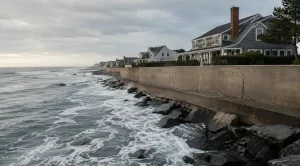
Planet in Peril: Human Actions Decimate Ecosystems
Planet in Peril: Human Actions Decimate Ecosystems
Our planet is facing a crisis. Every day, human activities chip away at the delicate balance of our ecosystems. From bustling cities expanding into the wild to factories pumping pollutants into the air we breathe—our actions have consequences. This isn’t just about distant icebergs melting or far-off species going extinct; it’s about the world we all share. So, let’s take a look at how our lifestyles impact the Earth and what changes we can make to protect our home. It’s time we started understanding what each of us can do to make a difference.
What You’ll Discover
The Global Footprint: Assessing Our Environmental Impact
Vanishing Habitats: The Cost of Urban Expansion
Biodiversity at the Brink: Species Endangered by Progress
Water Woes: Pollution and Overuse in the Aquatic World
Climate Change: More Than Just Rising Temperatures
Farming Practices: Soil Degradation and Agricultural Runoff
The Air We Breathe: Consequences of Industrial Emissions
Towards Sustainability: Innovations and Solutions

The Global Footprint: Assessing Our Environmental Impact
The concept of the global footprint, also known as the ecological footprint, is really about measuring how much of nature’s resources we use compared to how much is available. It’s like having a budget, but instead of money, it’s about the natural resources the Earth provides, such as water, land, and clean air. This concept helps us understand the balance—or often, the imbalance—between what we consume and what the Earth can renew.
Think about it this way: if we use more than what the Earth can replace, it’s like spending more money than you earn. This leads to deficits, and in terms of our planet, this results in things like deforestation, water shortages, and the loss of biodiversity. Essentially, we’re borrowing from future generations every time we exceed nature’s budget.
The global footprint isn’t just a measure; it’s a mirror showing us the broad impacts of our actions. From the cars we drive to the food we eat, everything has a footprint. This measure divides the Earth’s biocapacity—its ability to produce resources and absorb waste—by the human demand for these resources. It then expresses this as a figure: how many Earths would be needed if everyone lived like you, or like those in your country.
For example, if this figure is more than one Earth, it means we’re using resources faster than they can be replenished. It’s a clear indication that our current way of life isn’t sustainable. On a personal level, this can be quite an eye-opener. It invites each of us to reflect on how our daily choices affect the planet. Do we drive when we can walk? Do we buy more food than we need?
Understanding our global footprint helps us make more informed decisions. By knowing the ecological cost of our lifestyles, we can choose to make changes that reduce our impact on the planet, ensuring that nature can sustain not just us, but future generations too.
Vanishing Habitats: The Cost of Urban Expansion
Urban sprawl often starts with the spread of cities into surrounding natural areas. As cities grow bigger, they stretch out, covering more land with buildings, roads, and other structures. This expansion doesn’t just take up space; it often destroys the natural habitats where plants and animals live.
Imagine fields and forests being cleared to make room for new subdivisions and shopping centres. This clearing wipes out the homes of countless wildlife species. Animals like birds, deer, and small mammals either lose their homes or are forced to move to new areas, where they may not survive. Additionally, the natural landscapes that once absorbed rainwater and helped regulate the climate are replaced by concrete and asphalt, contributing to problems like flooding and higher urban temperatures.
Take the case of the Amazon rainforest, often referred to as the “lungs of the Earth” because of its vast capacity to produce oxygen and absorb carbon dioxide. As cities in Brazil expand, more of this critical forest is cut down to accommodate housing and agriculture, disrupting ecosystems and biodiversity. Similarly, in the United States, places like Southern California have seen wetlands and coastal areas dramatically reduced due to urban growth, displacing species and disrupting migration patterns.
This conflict between expanding cities and preserving natural environments is a tough one. On one hand, cities need to grow to accommodate increasing populations. On the other, protecting natural habitats is crucial for maintaining biodiversity and ecological balance. Finding a middle ground requires thoughtful urban planning and conservation efforts. It means building more efficiently within existing urban areas and making sure new developments are sustainable. This balance is essential for ensuring that both humans and nature can thrive together, without one overwhelming the other.
Biodiversity at the Brink: Species Endangered by Progress
Many species are facing threats today because of human activities. Deforestation, pollution, and climate change are some of the biggest challenges. These changes are often driven by what we consider “progress,” like building new cities or industries. But this progress comes at a high cost to wildlife and ecosystems.
Deforestation is a major issue. Trees are cut down to make way for farms, roads, and buildings. This not only destroys the habitats of countless species but also affects the climate. For instance, orangutans in Indonesia are losing their rainforest homes at an alarming rate due to logging and palm oil plantations. Their population has dwindled, pushing them towards extinction.
Pollution is another killer. Chemicals and waste dumped into rivers and oceans poison water and the life within it. In the Gulf of Mexico, there’s a ‘dead zone’ where hardly any marine life can survive because of the pollution running off from farmland upriver. This zone grows larger almost every year, affecting fish, shrimp, and the habitats of many other species.
Climate change, driven by the burning of fossil fuels, is perhaps the most pervasive threat. It leads to warmer temperatures, changing weather patterns, and rising sea levels. Polar bears are a stark example. They depend on sea ice to hunt seals, but as the ice melts, they have to travel farther and sometimes can’t find enough food to survive.
All these factors show how human progress can harm the very diversity of life that makes our planet unique. To protect these endangered species, we need to rethink how we grow and develop. It’s about finding ways to progress without sacrificing the natural world. This means adopting cleaner technologies, preserving natural habitats, and making sure our actions today don’t jeopardise the survival of species tomorrow.
Water Woes: Pollution and Overuse in the Aquatic World
Water bodies around the world are facing big challenges today. Pollution from chemicals and plastics, along with the overuse of water resources, are putting a lot of pressure on these vital ecosystems. Both human and marine life suffer as a result.
Chemical pollution happens when harmful substances from agriculture, industry, and cities get into our water. These chemicals can poison fish and other aquatic creatures. They also make the water unsafe for people to drink or even swim in. For example, in places like the Ganges River in India, industrial waste and pesticides have harmed the water so much that it affects the health of people living nearby.
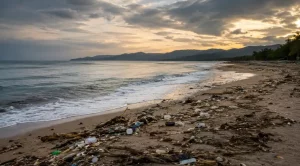
Plastic pollution is another huge problem. Every year, millions of tons of plastic end up in our oceans. This not only looks awful, but it’s also dangerous for sea life. Fish, turtles, and seabirds often eat small pieces of plastic by mistake, thinking it’s food. This can kill them. It also affects the food chain, which we are a part of. Imagine eating fish that has ingested plastic!
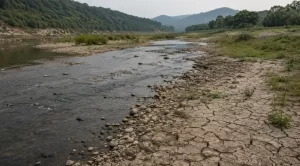
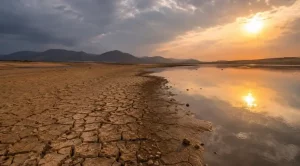
Then there’s the issue of water scarcity. As the global population grows, so does the demand for water. In many places, we’re using water faster than it can be replenished. This overuse drains rivers, lakes, and groundwater levels, leaving less for both people and the environment. In areas like the Middle East, severe water scarcity has led to strict water rationing, affecting daily life and agriculture.
These problems also stress ecosystems. When water levels drop, the remaining water heats up more easily, which can harm species that need cooler temperatures to survive. This change can disrupt the whole ecosystem, leading to further loss of biodiversity.
All these issues show how vital it is to protect our water sources. By managing our water wisely, reducing pollution, and keeping our rivers and oceans clean, we can help ensure that water remains a life-sustaining resource for all.
Climate Change: More Than Just Rising Temperatures
Climate change is about more than just the planet heating up. It affects our weather, our oceans, and both human and natural systems in many ways. Understanding these broader implications can really show the full impact of climate change.
First, consider extreme weather events. These are becoming more frequent and intense because of climate change. Heavy rainfall, severe hurricanes, and intense heatwaves are hitting harder and more often. This isn’t just uncomfortable—it can be destructive. Homes and communities, especially in vulnerable areas, face increased risks of flooding and damage.
Then there’s the rise in sea levels. As the planet warms, ice caps melt, and oceans expand. This causes sea levels to rise, which can swallow up coastal areas. Cities on coasts, like Miami and Venice, are already seeing more flooding. This not only damages property but also displaces people, creating climate refugees who must leave their homes and livelihoods behind.
These changes affect ecosystems too. For example, coral reefs, which are vital for marine life, are dying off because of warmer ocean temperatures and acidifying waters. On land, animals are forced to migrate to cooler areas, disrupting natural balances. This can lead to species extinction and reduced biodiversity, impacting food chains and human food sources.
All these effects also lead to economic costs. Agriculture, water supplies, and even energy production are hit by changing weather patterns and water shortages. This can lead to higher food and water prices and affect energy security.
Climate change is a complex issue that touches every part of our lives. It’s not just about a warmer Earth, but about a cascade of changes that affect everything from where we can live to what we can eat. By understanding these broader impacts, we can better prepare for and try to mitigate the worst effects of climate change.
Farming Practices: Soil Degradation and Agricultural Runoff
Intensive farming practices can really take a toll on the environment, especially when it comes to soil health and water quality. These farming methods often involve using a lot of chemicals, like fertilisers and pesticides, and growing the same crops on the same land year after year. This can lead to some serious problems.
Firstly, the soil suffers. Constantly taking crops from the same patch of land without giving anything back can strip the soil of essential nutrients. Over time, this makes the soil less fertile. It can also become compacted, which means it doesn’t hold water as well and can be more prone to erosion.
Then there’s water pollution. All those chemicals used on farms don’t always stay put. Rain can wash fertilisers and pesticides into nearby streams, rivers, and eventually oceans. This runoff can be harmful. It can lead to algal blooms in water bodies, which use up oxygen in the water and can kill fish and other aquatic life.
But there are more sustainable ways to farm that can help reduce these negative impacts. One method is crop rotation. This involves changing what’s grown in a field from one year to the next. This helps keep the soil healthy and reduces the need for chemical fertilisers. Another method is using cover crops, like clover or rye, which can protect the soil from erosion and improve its health by adding organic matter.
Using less chemicals is also key. Integrated pest management (IPM) is a strategy that uses various techniques to control pests with minimal harm to the environment. This might include using natural predators, planting pest-resistant crop varieties, or using pesticides only when absolutely necessary and in targeted ways.
By adopting these sustainable farming practices, we can help keep our soil healthy and our water clean. It’s about farming in a way that’s good for the earth and safe for future generations.
The Air We Breathe: Consequences of Industrial Emissions
Industrial processes can have a big impact on air quality. Factories, power plants, and other industrial sites release a variety of pollutants into the air. These include greenhouse gases like carbon dioxide and methane, as well as particulates—tiny particles that can be harmful when breathed in.
Greenhouse gases are a major concern because they trap heat in the Earth’s atmosphere, leading to global warming and climate change. This warming affects weather patterns, melts ice caps, and raises sea levels, among other environmental issues.
Particulates, on the other hand, are immediately harmful to human health. These tiny particles can get deep into the lungs and even enter the bloodstream. This can cause respiratory issues like asthma and bronchitis and can even lead to heart problems. People living near industrial areas often suffer from higher rates of these health issues compared to those in cleaner areas.
Besides affecting human health, poor air quality can damage the environment in other ways. For instance, some industrial emissions can lead to acid rain. This happens when pollutants from industries mix with water vapour in the atmosphere and fall as rain. This acidic rain can harm trees, soil, and aquatic habitats in rivers and lakes.
However, there are ways to reduce these impacts. Using cleaner technologies and fuels in industries can significantly cut down on the amount of harmful emissions. Regulations and policies that limit emissions and require pollution control measures are also important. Technologies like scrubbers and filters can remove a large amount of particulates and gases from industrial exhaust before they ever get into the air.
Improving industrial processes to make them cleaner is crucial for protecting both our health and the environment. By taking these steps, we can ensure better air quality and a healthier planet for future generations.
Towards Sustainability: Innovations and Solutions
There are many innovative ways to fight environmental damage, involving both new technologies and smart policies. These efforts are helping to heal our planet, and there are plenty of success stories to show that change is possible.
One technological innovation is the use of renewable energy sources like solar and wind power. These technologies produce electricity without emitting harmful greenhouse gases. A great example is Denmark, which is on track to get all its electricity from renewable sources by 2030. Denmark has invested heavily in wind turbines and now generates almost half of its electricity from wind.
On the policy side, many governments are implementing rules that encourage sustainability. For example, the European Union has set strict regulations on emissions from cars and factories, pushing companies to clean up their acts. These policies have significantly improved air quality in many European cities.
Another successful case is the global effort to phase out ozone-depleting substances under the Montreal Protocol. Since it was agreed upon in 1987, countries around the world have cut back on chemicals that damage the ozone layer. Thanks to this international agreement, the ozone layer is healing and could be completely recovered by the 2060s.
Individuals can also make a big difference. By reducing waste, recycling, and choosing sustainable products, you can lower your environmental impact. Simple choices like using less plastic, driving less, and conserving water all add up to a significant effect when millions of people do the same.
Lastly, using public transport or biking instead of driving can greatly reduce your carbon footprint. Engaging in community clean-up activities or tree planting are hands-on ways to contribute to a healthier environment.
By supporting policies that protect the environment, using technology wisely, and making sustainable choices in our daily lives, everyone can help ensure a greener, more sustainable future.
Conclusion
Our planet is truly in peril, facing threats from human actions that harm ecosystems.
From deforestation and pollution to overfishing and industrial waste, our natural world is under siege. But there is hope. By making conscious choices—like reducing waste, using renewable energy, and supporting sustainable practices—we can mitigate these impacts.
It’s up to each of us to take action and protect our planet. Let’s not wait for someone else to solve these problems. The time to act is now, to ensure a healthy, sustainable environment for future generations. Together, we can make a difference for our Earth.