Microplastics Menace: Unseen Threat in Our Midst!
Microplastics Menace: Unseen Threat in Our Midst!
Microplastics are tiny, often invisible particles that have snuck into every corner of our planet, from the deepest oceans to the highest mountains. These little bits of plastic come from larger items breaking down over time and can end up just about anywhere, including our food and water. While they might seem small, their impact on the environment and potentially our health is huge. Let’s see how microplastics have become such a widespread issue, their effects on ecosystems and us, and what can be done to tackle this pervasive problem.
What You’ll Discover
The Ubiquity of Microplastics
From Macro to Micro: The Lifecycle of Plastic
Microplastics in Marine Ecosystems
How Microplastics Affect Human Health
Wastewater Treatment and Microplastic Pollution
Regulatory and Policy Responses to Microplastics
Solutions For Microplastic Detection and Removal
Reducing Your Personal Microplastic Footprint
The Ubiquity of Microplastics
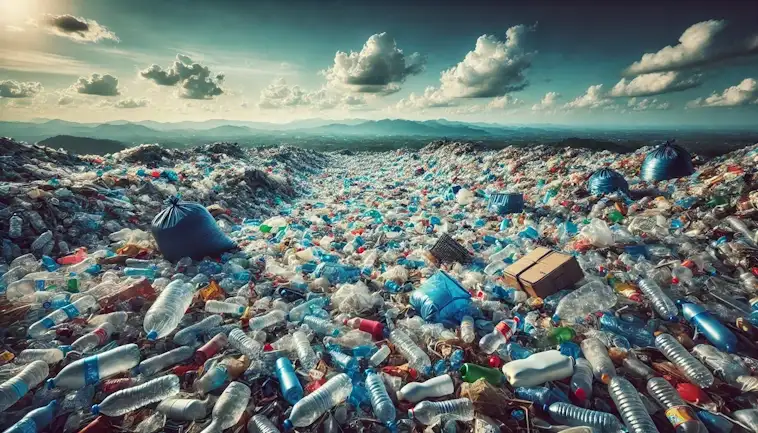
Microplastics are tiny plastic particles that are less than five millimetres in size. They have become a global environmental concern because they are found all over the world, from the remote polar ice caps to the deepest parts of the ocean. These small particles have made their way into diverse and often unexpected locations across the planet.
So, how do microplastics end up in such widespread places? Well, they come from a variety of sources. A lot of them start off as larger pieces of plastic that break down into smaller and smaller pieces over time. This happens due to exposure to sunlight, physical wear and tear, and other environmental factors. Other microplastics are designed to be tiny from the start and are used in consumer products like cosmetics and household cleaners. These are often called microbeads.
In addition to consumer products, industrial processes also contribute to the spread of microplastics. For instance, synthetic fibres from clothing can shed tiny plastic fibres. These fibres can enter water systems when clothes are washed. Similarly, the abrasion of car tyres on roads releases microplastics that can be washed into sewers and eventually into rivers and oceans.
The impact of microplastics is extensive because once they are in the environment, they are incredibly difficult to remove. They can absorb toxins and are often ingested by marine animals, which can harm these creatures and potentially affect the food chain. Moreover, the presence of microplastics in such remote and pristine environments as the Arctic and the deep sea highlights just how pervasive and persistent these particles are.
Understanding the full impact of microplastics on the environment and human health is an ongoing challenge for scientists. As awareness of this issue grows, there is increasing pressure on industries to find alternatives to plastics and for governments to regulate and reduce plastic waste. This is crucial to tackling the spread of microplastics and safeguarding our ecosystems.
From Macro to Micro: The Lifecycle of Plastic
When we think about plastic waste, we often picture bottles, bags, and packaging. But there’s more to the story. Over time, these larger pieces of plastic don’t just disappear. They break down into smaller particles called microplastics. This process doesn’t happen overnight. It takes quite a bit of time to show just how tough and persistent plastics are in our environment.
So, how does a big piece of plastic turn into microplastics? It’s mainly due to environmental factors. Sunlight plays a big role. UV rays from the sun can weaken plastic, making it brittle. As the plastic breaks apart, it turns into smaller and smaller pieces. Physical wear and tear also contribute. Things like the constant crashing of waves, the grinding of sand in the wind, or even the trampling under the feet of animals and humans all help break plastics down.
Temperature changes also have an impact. In colder climates, plastics can become more brittle and crack more easily, speeding up their breakdown. In warmer areas, the heat can make plastics more pliable and susceptible to breaking apart.
The surprising part? It can take hundreds to thousands of years for plastics to fully decompose into microplastics. This long life means that once plastic is out in nature, it can stick around for a very long time. It’s not just an eyesore. It becomes a part of the environment, entering our waterways and even the food chain as animals ingest these particles.
The durability and persistence of plastics are what make them so useful in daily life but also make them a significant problem for the environment. They don’t go away easily, and as they slowly break down, they spread through our oceans, forests, and even the air we breathe. That’s why understanding and managing plastic waste is more crucial now than ever. It’s all about keeping those big pieces from turning into microplastics in the first place.
Microplastics in Marine Ecosystems
Microplastics in our oceans are a big problem for marine life, from the tiniest plankton to the largest whales. These tiny plastic particles end up in the water in various ways, and once there, they create a host of issues for ocean creatures.
Let’s start with how marine animals come into contact with microplastics. Often, these plastics are mistaken for food. Tiny organisms like plankton can ingest microplastics because the particles are similar in size to their natural food. This is troubling because plankton are a key part of the ocean food chain. When they’re filled with plastics, it affects not just them but also the larger animals that eat them.
As we move up the food chain, the problem grows. Small fish eat the plankton, and then bigger fish eat the smaller ones. Each step accumulates more plastics inside the bodies of these animals. Even large marine mammals like whales ingest microplastics either directly, by swallowing contaminated water or prey.
The consequences of this plastic ingestion are serious. For one, microplastics can be physically harmful. They can block digestive tracts and lead to starvation or reduce the urge to eat, which can weaken the animals. Also, many microplastics carry toxic chemicals that can accumulate in the tissues of marine animals. This not only harms the animals themselves but can also affect humans who eat seafood.
Moreover, the presence of microplastics disrupts the natural behaviours and health of marine species, leading to reduced populations and affecting biodiversity. Entire ecosystems can be altered, which impacts the health of the oceans as a whole.
The spread of microplastics is a clear signal that our current handling of plastic waste needs a revaluation. Protecting marine life starts with us taking steps to reduce our plastic footprint, ensuring a healthier ocean for future generations.
How Microplastics Affect Human Health
Microplastics are not just a problem for the environment; they may also pose a threat to our health. These tiny plastic particles can find their way into our bodies through both direct and indirect routes, and scientists are busy studying what this means for our health.
One way microplastics can affect us is through the food chain. Just like in marine animals, microplastics can accumulate in the animals we eat, such as fish and seafood. When we consume these foods, we might also be ingesting microplastics. It’s not just seafood, though. Microplastics have been found in everything from tap water to beer, and even in some fruits and vegetables.
Another concern is the toxins that microplastics can carry. These particles often pick up harmful chemicals from the environment, such as pesticides or industrial chemicals. When microplastics enter our bodies, there’s a chance these toxins could be released and cause health issues. Research is ongoing, but there’s potential for these chemicals to affect our hormonal systems, and reproductive systems, or even increase the risk of cancer.
Microplastics can also be inhaled. They’re so small that they can float in the air and we might breathe them in without even realising it. The health effects of breathing in microplastics are still being studied, but it’s possible they could contribute to respiratory problems.
Despite all these potential risks, the full impact of microplastics on human health is still not completely understood. Researchers are working hard to figure out just how dangerous these tiny particles might be. As we wait for more definitive answers, it makes sense to try and reduce our exposure by minimising our use of disposable plastics and supporting efforts to clean up existing plastic pollution. This way, we can help protect not just our planet but also our health.
Wastewater Treatment and Microplastic Pollution
Wastewater treatment plants play a crucial role in managing our water cleanliness, but when it comes to microplastics, they’re a bit of a double-edged sword. These facilities are designed to clean our sewage and industrial wastewater before releasing it back into rivers or the ocean. However, they also end up as sources of microplastic pollution.
Let’s break down how these treatment plants work. Wastewater from our homes, businesses, and factories flows into these plants. The treatment process is typically divided into three stages. The first stage removes large items, like pieces of plastic and other debris. The second stage breaks down organic matter—stuff from food waste or human waste—using bacteria. The final stage, known as tertiary treatment, is where chemicals, nutrients, and other finer particles are removed.
While wastewater treatment plants are good at handling many pollutants, microplastics pose a particular challenge. These tiny particles often slip through the first and second stages because they’re too small to be caught by standard filters. Some plants have advanced filtration systems that can capture more microplastics, but these aren’t universal.
So, what happens to the microplastics that get through? They end up in the water that’s discharged back into the environment. Plus, during the treatment process, microplastics are also concentrated in the sludge—the solid waste that’s left over. This sludge is often used as fertiliser on land, which can then wash into rivers and oceans during rainfalls, adding to the environmental microplastic pollution.
In essence, while wastewater treatment plants are essential for cleaning up water, they’re not fully equipped to deal with microplastics. This inefficiency releases microplastics back into the environment, showing just how tricky it is to manage these persistent pollutants. As we learn more, there’s a growing push to upgrade these plants and reduce microplastic release, safeguarding our waterways and ecosystems.
Regulatory and Policy Responses to Microplastics
Countries and organisations around the world are waking up to the challenge posed by microplastics and are taking various actions to tackle the issue. Each is finding its own way to address this problem, from introducing new laws to signing international agreements.
Many countries have started by banning microbeads, those tiny plastic particles found in exfoliating body washes, toothpastes, and facial scrubs. The United States, for example, banned microbeads in personal care products back in 2015 with the Microbead-Free Waters Act. Similar bans are in place in the UK, Canada, and several European Union countries.
But it’s not just microbeads. Broader legislation aimed at reducing plastic waste is also on the rise. The European Union has been particularly active, setting ambitious targets to recycle 90% of plastic bottles by 2029 and to ensure that all plastic packaging on the market is reusable or recyclable by 2030. These measures are part of a larger effort to shift towards a circular economy, where the value of products, materials, and resources is maintained in the economy for as long as possible.
In terms of wastewater treatment, some places are setting higher standards to tackle microplastics. For instance, Sweden and Switzerland are investing in advanced filtration technologies to capture more microplastics at their treatment facilities. They are setting examples that many hope will become standard practice worldwide.
On an international level, there’s growing momentum for global action on plastic pollution. More than 60 countries have endorsed the United Nations resolution to work towards a legally binding agreement to end plastic pollution. This includes reducing microplastic release into the environment.
These actions show a global recognition of the microplastic issue and a commitment to addressing it through a combination of local measures and international cooperation. It’s a complex challenge, but with continued effort and collaboration, significant progress can be made.
Solutions For Microplastic Detection and Removal
Scientists and technologists are making exciting progress in tackling the issue of microplastics. New methods for detecting, measuring, and cleaning up these tiny pollutants are being developed all the time, helping us better understand and reduce their impact on the environment.
One of the coolest advancements is in the detection and quantification of microplastics. Researchers are now using sophisticated tools like infrared spectroscopy and Raman spectroscopy. These methods allow scientists to identify the chemical composition of microplastics quickly and accurately. This is crucial because knowing what types of plastics are out there helps determine where they’re coming from and how they might affect the environment.
Satellite imagery is another tool being used to monitor microplastic pollution. By scanning water bodies from space, scientists can identify pollution trends and hotspots. This big-picture view is incredibly valuable for tracking the spread of microplastics across the globe.
When it comes to cleaning up microplastics, there are some innovative technologies in the works. For instance, some new water treatment technologies use fine mesh filters to capture microplastics that traditional systems might miss. Others are exploring the use of magnetic fields to pull microplastics out of water, leveraging the fact that many plastics are susceptible to magnetism when mixed with certain chemicals.
In soil, researchers are experimenting with phytoremediation, a process that uses plants to capture and stabilise environmental pollutants, including microplastics. Certain plants are known to accumulate microplastics in their roots, which could potentially help clean up contaminated soil.
All these scientific and technological advances show a growing capability to tackle the microplastic problem. With continued innovation and deployment of these technologies, we have a better chance of reducing microplastic pollution and protecting our environment. The road ahead is challenging, but with smart science and technology, we’re making strides in the right direction.
Reducing Your Personal Microplastic Footprint
Reducing microplastic pollution might seem like a huge task, but there are simple and effective ways each of us can help. By making small changes in our daily lives, we can significantly cut down on the amount of microplastics entering our environment. Here are some practical tips to get you started:
1. Choose Less Plastic Packaging: When shopping, opt for products with minimal or no plastic packaging. Look for items in glass, metal, or cardboard instead. Bring your own reusable bags, containers, and bottles whenever you can.
2. Pick Natural Materials: Many everyday items, like clothing and personal care products, can contain synthetic materials that shed microplastics. Choosing natural fibres like cotton, wool, and linen for your clothes and textiles can make a big difference. For personal care, look for products that are labelled as free of microbeads.
3. Participate in Clean-Ups: Join community clean-up efforts in your area. Cleaning beaches, parks, and riversides not only helps remove waste that could degrade into microplastics but also raises awareness and builds community.
4. Support Eco-Friendly Policies and Products: Stay informed about local and national policies aimed at reducing plastic waste and support them. Also, back companies and products that prioritise sustainability, especially those that invest in biodegradable materials and innovative packaging solutions.
5. Educate and Spread the Word: Talk about the issue with friends and family. Sharing information can lead to more people making informed choices about their plastic use, multiplying the impact of your efforts.
By taking these steps, you contribute to a larger movement towards a cleaner, healthier environment. Every little bit helps, and your choices can inspire others to make changes too. Together, we can tackle the challenge of microplastics and make a real difference.
Conclusion
The issue of microplastics is complex and touches every corner of our planet. These tiny particles are more than just an environmental nuisance; they represent a profound challenge to the health of our ecosystems and ourselves.
By becoming more aware and active in how we use and dispose of plastic, we can start to turn the tide against this unseen threat. Whether it’s choosing sustainable products, participating in local clean-ups, or supporting innovative solutions, every action counts.
Let’s work together to keep our environment safe and vibrant for future generations. Together, we can make a significant impact on reducing microplastics and preserving the natural world we all rely on.