Maximise Your Harvest: Vertical Vegetable Gardening
Maximise Your Harvest: Vertical Vegetable Gardening
Vertical gardening is a game changer if you’re tight on space but dream of growing your own fresh veggies and herbs. By growing up instead of out, you can fit more plants into smaller areas. Perfect for balconies, patios, or even a sunny wall, this method not only saves space but can also boost your garden’s productivity. Whether you’re a seasoned gardener or just starting out, you’ll find that vertical gardening opens up a world of possibilities. Let’s get into how you can transform your small garden into a lush and productive oasis.
What You’ll Discover
Understanding Vertical Gardening
Choosing Your Crops Wisely
Designing Your Vertical Garden Layout
Implementing Efficient Watering Systems
Soil and Nutrient Management in Vertical Gardens
Pest Control Strategies for Vertical Setups
Seasonal Care and Maintenance Tips
Success Stories and Innovative Ideas
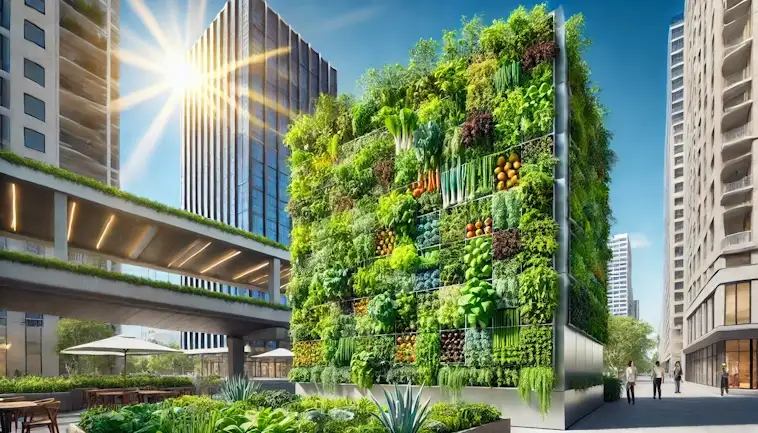
Understanding Vertical Gardening
Vertical gardening is a smart and creative way to grow plants, especially in cities where space is tight. Imagine living in a small apartment with a tiny balcony or patio. You might think you don’t have enough room for a garden, but that’s where vertical gardening comes in. This method uses the idea of growing plants upwards instead of outwards. It’s all about making the most of the vertical spaces you have available, like walls, fences, or trellises.
This approach is perfect for urban dwellers. It doesn’t just beautify your space; it can also help you grow your own herbs, vegetables, and flowers, right in the heart of the city. By using trellises, wall-mounted planters, or even tall plant towers, you can turn a bare wall or balcony railing into a lush, green oasis. The key principle here is that you’re stacking plants vertically. This setup means you can grow more plants in a much smaller area compared to traditional horizontal gardens.
Let’s talk about the benefits of vertical gardening. First, it’s a real space saver. Because you’re building up instead of out, you can fit more plants into a smaller footprint. This means even the smallest balcony or window ledge can become a productive garden space. Second, vertical gardens can also help reduce your home’s heating and cooling costs by providing extra insulation. Plus, they can shield your home from noise and pollution, which is a big bonus in busy urban environments.
Maintaining a vertical garden might be easier than you think. With everything at eye level, tasks like pruning, watering, and harvesting become a lot more manageable. No more bending over or kneeling on the ground. This makes gardening accessible to everyone, despite mobility.
Vertical gardening is a fantastic way to make the most out of limited urban spaces. It lets city residents grow their own food and enjoy nature without needing a lot of ground space. It’s practical, looks great, and can make gardening a part of everyday urban life.
Choosing Your Crops Wisely
Regarding vertical gardening, choosing the right vegetables and herbs can make all the difference. The best plants for this gardening style are those that naturally climb or can be trained to grow upward. Let’s look at some top choices that are perfect for your vertical space.
First, consider climbers like tomatoes, cucumbers, beans, and peas. These veggies love to grow upwards and will thrive with the support of trellises, cages, or netting. Tomatoes, for example, can be tied gently to stakes or grown in hanging baskets, while cucumbers will happily twine around a trellis. Beans and peas are natural climbers; they’ll grab onto almost any support you provide, making them super easy to manage.
It’s also important to think about the weight and growth habits of the plants. Heavier fruits like squash might require sturdier structures or more strategic support to ensure they don’t pull down your setup. Using strong, reliable supports will help maintain the integrity of your garden as it grows.
For lighter options, consider herbs and leafy greens. Herbs like basil, mint, and parsley do wonderfully in vertical gardens. They need little space and can be grown in smaller containers or pockets in a wall planter. Leafy greens like lettuce, spinach, and Swiss chard are also excellent choices. They’re light, quick to harvest, and can be cut back and will regrow, giving you a continuous supply of fresh greens.
Lastly, don’t forget about the aesthetic part of vertical gardening. Mixing in some colourful flowers or plants with interesting textures can make your garden productive and visually appealing. Think about adding marigolds or nasturtiums; they can help repel pests and add a splash of colour to your edible green wall.
By choosing the right plants and ensuring they have the support they need, you’ll set your vertical garden up for success. This setup lets you enjoy fresh, home-grown veggies and herbs, even in the smallest of urban spaces.
Designing Your Vertical Garden Layout
Planning and designing a vertical garden requires some thought, especially regarding sunlight exposure and air circulation—two key elements for healthy plants and good yields. Here’s how you can make sure your vertical garden thrives.
Start by observing the amount of sunlight your space receives throughout the day. This will guide you on where to place your vertical garden and which plants to grow. Most vegetables and herbs need about six to eight hours of sunlight daily, so aim for a spot that meets this requirement.
When arranging plants, consider their height and sun needs. Place taller plants, like tomatoes or pole beans, at the top of your setup if they’re likely to shade other plants. Shorter, less sun-hungry plants, such as lettuce or spinach, can be positioned lower down. This way, all your plants can get the light they need without shading each other too much.
Air circulation is another important factor. Good airflow helps prevent diseases and supports plant health. Make sure your plants are not too crowded; this lets air move freely around them. Using a structure like a trellis or netting can also help by keeping the plants off the ground and improving air movement around the leaves.
Now, let’s talk about support structures. Stacking planters are great for small spaces and can be arranged to make sure each layer gets enough light. Wall planters are ideal for herbs and smaller plants and can be set up in a pattern that maximises sunlight exposure for all plants. Modular vertical units are very versatile; you can easily adjust them as your plants grow or as the seasons change, ensuring ideal sun exposure and airflow.
By carefully planning your garden layout, choosing the right support structures, and considering the light and air needs of each plant, you can create a highly productive and beautiful vertical garden. Remember, the key is not to overcrowd your plants and to maximise their exposure to sunlight and fresh air.
Implementing Efficient Watering Systems
Irrigating a vertical garden might seem tricky, but with the right techniques, it can be simple and efficient. Techniques like drip systems and soaker hoses are especially good for these types of gardens because they deliver water right where it’s needed most—the roots of the plants.
A drip irrigation system is one of the best options for a vertical garden. It consists of tubing that delivers water directly to each plant’s base. This method is super-efficient because it minimises water evaporation and runoff, which is often a problem with traditional watering methods. Plus, it reduces the water you use, which is great for conservation.
Soaker hoses work similarly but are even simpler to set up. These hoses lie along your garden beds or are woven through your vertical structures. They “weep” water slowly, providing a steady moisture supply right to the soil. This gentle watering supports healthy plant growth and avoids the wastage you often get with overhead sprinklers.
Both systems can be automated, which is a fantastic feature. By adding a timer to your drip or soaker hose system, you can set it to water your garden at the best times of day—usually early morning or late evening. This helps further reduce water loss to evaporation and means your plants consistently get the right amount of water, even if you’re away or busy.
Automating your irrigation also means less work for you. There’s no need to remember to water daily, and it makes sure all parts of your vertical garden get an equal amount of water, which can be hard to manage manually.
Using a drip system or soaker hose in your vertical garden not only saves water and time but also promotes healthier plants. By delivering water directly to the roots where it’s needed most, these systems help you maintain a lush and productive garden with minimal effort.
Soil and Nutrient Management in Vertical Gardens
When setting up a vertical garden, choosing the right soil is crucial. You need high-quality, well-draining soil to keep your plants healthy. This type of soil makes sure water flows through it easily, which is key to preventing waterlogging and root diseases.
Waterlogged soil can be a real problem in vertical gardens, as excess water has a harder time draining away than in traditional garden beds. If the soil doesn’t drain well, your plants might end up sitting in too much water, leading to root rot and other harmful diseases. That’s why getting the soil mix right is so important.
For the best results, look for a soil mix designed for containers or raised beds. These mixes usually contain a good balance of soil, peat moss, and perlite or vermiculite, all of which help improve drainage and aeration. This setup allows your plants’ roots to breathe and take up nutrients effectively.
Speaking of nutrients, vertically grown vegetables need plenty of them to grow strong and produce well. Since they’re often grown in limited soil volumes, their nutrients can get depleted quickly. To keep your plants thriving, supplement with organic fertilisers. These can be added to your watering routine or mixed into the soil. Organic options like fish emulsion, seaweed extract, or compost tea are great because they feed your plants gently without the risk of chemical buildup.
Nutrient-rich compost in your vertical garden also helps. Compost adds essential organic matter to the soil, improving its structure and nutrient content. Regularly adding a layer of compost to your planters can give your plants a continuous nutrient boost. It also helps the soil keep moisture, which is especially beneficial in a vertical setup where soil can dry out quickly.
By using the right soil, supplementing with organic fertilisers, and maintaining your compost, you can ensure your vertical garden remains lush, productive, and healthy.
Pest Control Strategies for Vertical Setups
Dealing with pests in vertical gardens can be a bit of a challenge, but it doesn’t mean you have to resort to harsh chemicals. There are gentler, more natural ways to keep your plants healthy and pest-free. One effective approach is integrated pest management (IPM), which includes using companion planting and encouraging beneficial insects.
Companion planting is a smart way to naturally deter pests. This method involves planting certain plants together that help each other grow or protect each other from pests. For example, marigolds are great to plant near your vegetables because their strong scent can repel many pests. Basil is another good companion for most garden vegetables, especially tomatoes, as it can help ward off flies and mosquitoes.
Beneficial insects are another key part of IPM. These are the insects that feed on the pests you don’t want. Ladybugs, for example, love to eat aphids, and aphids can be a big problem in any garden. You can attract ladybugs by planting flowers like cosmos or sweet alyssum in or near your vertical garden. Another helpful insect is the lacewing, whose larvae are voracious consumers of pests like aphids and caterpillars.
Besides these methods, regular monitoring of your garden is crucial. Keep an eye on your plants for any signs of pests. Catching them early can make a huge difference. If you do find pests, often a strong spray of water from the hose can knock them off the plants, effectively reducing the infestation with no chemicals needed.
Lastly, maintaining a healthy garden overall is the best way to prevent pests. Healthy plants are less likely to attract pests and can withstand occasional attacks better than weakened ones. Ensure your plants have the right nutrients and water and manage your soil health carefully.
By following these IPM practices, you can manage pests in your vertical garden in a way that’s safe for both the environment and your plants.
Seasonal Care and Maintenance Tips
Maintaining a vertical garden through the changing seasons can be simple if you know what to do to protect your plants and keep them thriving. Here are some tips on how to adapt to different weather conditions, and how to prune and harvest effectively in a vertical setup.
When temperatures start to drop in fall or winter, it’s important to protect your more sensitive plants. You can use burlap or frost cloths to cover them up during particularly cold nights. These covers help keep the warmth in and the frost out. If you’re in a really cold area, consider moving portable vertical planters indoors or into a sheltered area to avoid frost damage.
As the seasons change, so should your watering schedule. Plants typically need less water in cooler months, so adjust to prevent overwatering, which can lead to root rot. But during hot summer months, your plants might need more frequent watering to stay hydrated. Always check the soil before watering; it should be dry a couple of inches down before you water again.
Pruning and harvesting in a vertical garden also need a different approach. For pruning, always remove dead or dying leaves and stems to help prevent disease and pests. This also encourages new growth. Since your plants are growing vertically, prune in a way that doesn’t overly expose parts of the plant that were previously shaded, as this can cause sunburn.
When harvesting, it’s usually easier in a vertical setup because you don’t have to bend down as much. Harvest regularly to encourage more production, especially for herbs and leafy greens. Use a sharp pair of scissors or pruning shears to cut what you need, which helps prevent damage to the plant.
Remember, keeping a close eye on your garden and adjusting care as needed throughout the year will help keep your vertical garden lush and productive, no matter the season.
Success Stories and Innovative Ideas
Vertical gardening is transforming spaces all over the world, turning bare walls and small urban plots into lush, productive sites. Let’s look at some inspiring examples that might spark ideas for your own vertical gardening projects.
One standout is the famous Musée du Quai Branly in Paris, which features a stunning vertical garden designed by botanist Patrick Blanc. This garden covers the entire facade of the museum with over 15,000 plants from 150 species. The lush greenery not only enhances the building’s aesthetic but also improves urban air quality, showcasing how vertical gardens can be both beautiful and beneficial in city environments.
In London, the Edible Bus Stop project transforms mundane urban spaces like bus stops into small vertical gardens. This initiative not only beautifies the city but also fosters community spirit and awareness about urban greening efforts. It shows even the most unexpected small spaces can be turned into productive green areas.
Singapore’s Oasia Hotel Downtown is another incredible example. Wrapped in a lush green facade, this building is a vertical garden that stands out amid the city’s skyline. The garden is not just for show; it’s designed to improve the local microclimate by providing shade and reducing heat absorption—a smart solution in a tropical city.
In the U.S., the Atlanta Botanical Garden features a massive living wall that visitors can admire. This vertical garden is designed to thrive through the seasons with a variety of plants that bloom and change colour throughout the year. It’s a fantastic example of how vertical gardens can be sustainable and dynamic in public spaces.
These examples from around the world illustrate the innovative and varied applications of vertical gardening. Whether it’s enhancing the beauty of a public building, creating community in a neighbourhood, or improving the environmental quality of an urban area, vertical gardens offer creative solutions for using space wisely. This goes to show that with a bit of creativity and planning, you can bring the magic of vertical gardening to your own home or community, no matter the size of your space.
Conclusion
Vertical vegetable gardening is a fantastic way to grow more in less space, especially if you’re an urban dweller with limited room.
By using structures like trellises, wall planters, and modular units, you can take full advantage of vertical spaces to produce a lush, abundant garden. This method not only maximises your yield but also adds beauty and greenery to your surroundings.
So, give vertical gardening a try—whether you want fresh herbs, juicy tomatoes, or crisp beans, it’s an efficient, rewarding way to bring your garden to new heights and enjoy fresh produce right at your doorstep.