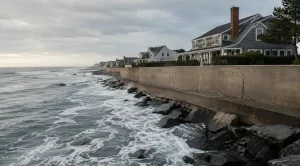
Innovative Barriers Against Coastal Erosion
Innovative Barriers Against Coastal Erosion
Coastal erosion is a tough challenge, but thanks to some clever innovations, we’ve got a host of new ways to protect our shorelines. From high-tech solutions like geotextile tubes to natural fixes such as mangrove restoration, the fight against the sea’s relentless push is becoming more effective and sustainable. These methods not only guard our coasts but also support the marine life and local communities that depend on them. Let’s take a closer look at the latest barriers and how they’re making a difference in safeguarding our precious coastal areas.
What You’ll Discover
Geotextile Tubes: Flexible Defence for Dynamic Shores
Hybrid Living Shorelines: Combining Nature with Technology
Seawall Innovations: Wave Energy Dissipation
Artificial Reefs: Submerged Erosion Control
Sand Engine: Nature-Assisted Beach Nourishment
Mangrove Restoration: Natural Barriers Against Waves
Breakwater Advances: Offshore Protection Tactics
Bioengineering Techniques: Erosion Control Through Vegetation
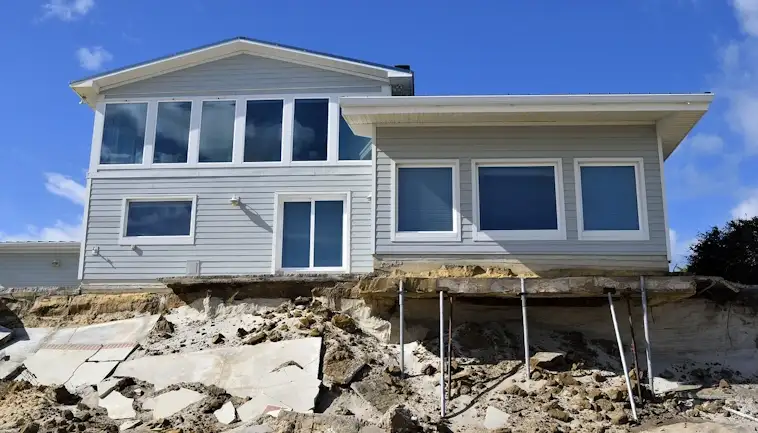
Geotextile Tubes: Flexible Defence for Dynamic Shores
Geotextile tubes are really interesting tools used in coastal management. They are essentially large, durable fabric tubes that can be quite long and are filled with materials like sand. You can think of them as big, flexible sandbags. Their main job is to protect shorelines from erosion, which is when the land along the coast gets worn away by the sea.
These tubes work by absorbing the energy from incoming waves. This is important because it’s the force of the waves that often causes the shoreline to wear down over time. By taking the brunt of the wave’s energy, geotextile tubes help to keep the coast stable and reduce the loss of sand and land.
One of the great things about these tubes is how cost-effective they are. Compared to other methods of coastal protection, like building large sea walls, geotextile tubes are a lot more affordable. They’re also pretty easy to install. Workers can lay them out along the shore and fill them up with sand, and it doesn’t require a lot of heavy machinery or technical skills.
Moreover, these tubes are quite flexible in how they can be used. They can be adjusted or moved around depending on the needs of the area. This makes them a popular choice not just for permanent solutions, but also for temporary projects. For example, if there’s a particular area of the coast that’s experiencing a lot of erosion during a certain season, geotextile tubes can be put in place to help stabilise it during that time.
Geotextile tubes are an effective and economical solution for protecting coastlines. They help absorb wave energy, reduce erosion, and can be easily adapted to different situations, making them a versatile choice for many communities facing coastal challenges.
Hybrid Living Shorelines: Combining Nature with Technology
Hybrid living shorelines are a fantastic way to protect our coastlines! This approach blends natural elements like plants, sand, and rocks with some artificial structures. It’s like combining the best of nature with a little human help to keep our shorelines safe and healthy.
The idea behind hybrid living shorelines is pretty clever. They use the natural environment to absorb some of the energy from waves. For instance, when waves hit an area with lots of plants, like grasses or shrubs, these plants slow down the water. This helps reduce the power of the waves before they reach the shore. At the same time, these plants hold the sand and soil together with their roots, which helps prevent the land from washing away.
But sometimes, nature alone isn’t enough, especially in areas with really strong waves or high traffic from boats. That’s where the artificial structures come in. These can be things like low walls, strategically placed rocks, or other materials designed to work with the natural elements. They add an extra layer of protection and help stabilise the shoreline even more.
What’s great about hybrid living shorelines is how they preserve the natural habitat. Instead of replacing the natural environment with hard, artificial barriers, this method keeps the area looking and functioning more like a natural coastline. This not only looks nicer but also supports local wildlife.
By mixing natural and artificial methods, hybrid living shorelines offer a resilient solution to coastal erosion. They are adaptable, meaning they can be tailored to meet the specific needs of different shorelines, whether it’s a sandy beach or a rocky coast. Overall, this approach not only protects the shore but also maintains the beauty and ecological health of the area, making it a win-win for both people and nature.
Seawall Innovations: Wave Energy Dissipation
Modern seawalls are pretty amazing structures that do a lot more than just stand in the way of waves. They’re designed not only to block the water but also to lessen the power of the waves that hit them. This helps protect the shoreline behind them much better.
In the past, seawalls were mostly just straight walls that faced the ocean. While they did stop waves, they often caused more problems like intense erosion just beyond the wall. But thanks to new designs and technology, modern seawalls are much smarter.
One cool innovation is the use of curved designs. These curves help to manage the energy of the waves in a gentle way. When a wave hits a curved seawall, the shape of the wall directs the water back toward the sea rather than letting it slam straight into or over the wall. This reduces the force right at the base of the wall and also spreads out the energy of the wave.
Another smart feature is creating surfaces with varying roughness. This might sound simple, but it’s quite clever. Different textures on the seawall break up the wave power more effectively. Imagine the difference between throwing a ball against a smooth wall and a bumpy one—the smooth wall sends it right back at you, while the bumpy one scatters the ball’s energy in different directions. That’s what these textured surfaces do to waves.
By breaking up and redirecting the energy of the waves, these innovations greatly reduce the impact on the shore. This means there’s less erosion around and behind the seawall, making the whole area more stable. Plus, with less powerful waves hitting the shore, the coastal environment, like beaches and habitats, stays healthier.
Modern seawalls are not just barriers; they’re sophisticated tools that protect our shorelines by smartly managing the power of the ocean. They show how we can use technology and design to work with nature, rather than against it.
Artificial Reefs: Submerged Erosion Control
Artificial reefs are like underwater parks that help protect our shorelines and boost marine life. They are structures that we place on the seabed and are made from different materials like concrete or recycled plastics. These reefs are not just about stopping waves; they also create new homes for all sorts of sea creatures.
The way artificial reefs work is pretty interesting. By placing them in strategic locations, they break up incoming waves before those waves can reach the shore. This means the waves have less power when they hit the coastline, which helps to prevent erosion. It’s a bit like having a speed bump in the water that slows down the wave’s energy.
But artificial reefs do much more than just tame waves. They’re also fantastic for marine life. When you drop a reef structure into the sea, it quickly becomes a busy hub of activity. These structures are designed with lots of nooks and crannies that are perfect for marine creatures to live in. Over time, things like corals, sponges, and seaweeds start to grow on the reefs. Fish and other sea animals come to make their homes there, feed, and even breed.
This boost to local biodiversity is a big deal. It not only makes the marine ecosystem healthier but can also attract divers and snorkelers, which helps local tourism. Plus, healthier oceans mean healthier shores. The more life there is under the water, the better these ecosystems can handle changes and challenges like pollution or climate change.
So, artificial reefs are truly multitaskers. They protect our coastlines by controlling wave energy and improve the health of our oceans by providing new spaces for marine life to thrive. It’s a smart way to help our environment and enjoy the beauty of vibrant underwater communities.
Sand Engine: Nature-Assisted Beach Nourishment
The Sand Engine is a super clever way to keep beaches healthy and full of sand. It’s a method of beach nourishment that works with nature, which makes it really sustainable. Let me explain how it works!
First, a huge amount of sand—like millions of cubic meters—is placed on the shore in one big pile. This isn’t just any sand; it’s specially chosen to match the natural sand already on the beach. Now, you might wonder, why dump all this sand in one spot? Well, that’s where the magic of nature comes in.
The ocean has natural currents that move water and sand along the coast. These currents are like invisible rivers in the sea. Once the Sand Engine is in place, these currents start to slowly spread the sand from the big pile across the coastline. Over time, the sand moves along the shore, filling in spots where the beach was getting thin and helping to build up areas that were eroding away.
What’s really cool about the Sand Engine is that it’s a one-time effort with ongoing benefits. Instead of constantly having to add more and more sand, you let the ocean do the work. The currents keep shifting the sand, naturally replenishing the beaches for years. This method is not only effective but also very gentle on the environment. It avoids the need for heavy machinery or disruptive construction on the beach.
By using the Sand Engine, we work with the natural processes of the ocean. This helps maintain the integrity of the coastline in a way that’s gentle to the beach and helpful to the community. It’s a smart solution that looks to the long-term health of our coastal areas, making sure our beaches stay beautiful and robust for future generations.
Mangrove Restoration: Natural Barriers Against Waves
Mangroves are nature’s own superheroes when it comes to protecting coastlines. They are not just trees; they are mighty guardians against coastal erosion. Let’s dive into how they do this amazing job!
Mangroves have thick roots that spread out into the water. These roots are really good at two things: slowing down waves and catching sediments. When waves roll in from the ocean, mangrove roots act like a cushion and absorb a lot of the wave’s energy. This means less force hitting the shore, which helps to prevent the land from washing away. At the same time, these roots also trap sand and other sediments carried by water. This builds up the ground around the mangroves, adding an extra layer of protection for the shore.
But mangroves do more than just guard against erosion. They are also champions of biodiversity. These trees create a unique habitat that supports a variety of wildlife, including fish, birds, and crabs. Many young marine animals find shelter in the tangled roots of mangroves, safe from predators until they are ready to venture into the open sea.
Recognising all these benefits, many conservationists are focusing on mangrove restoration projects. These projects involve replanting mangroves in areas where they’ve been lost. This could be due to reasons like clearing land for development or damage from storms. By bringing mangroves back to these degraded areas, we’re not just protecting the coastline but also bringing life back to these ecosystems.
Moreover, mangroves are great at capturing and storing carbon dioxide from the atmosphere. This process, known as carbon sequestration, is important for helping to manage global warming. The more mangroves we have, the more carbon we can store away.
Breakwater Advances: Offshore Protection Tactics
Breakwaters are like protective shields for the coast. They are structures built out in the water, a little way off the shore, and they have a very important job: to protect the coastline from the full force of incoming waves.
Here’s how they work: when waves travel from the deep sea towards the shore, they can get pretty powerful. Breakwaters step in by blocking these waves before they reach the land. This reduces their power and helps prevent erosion, which is when the shoreline gets worn away by the constant beating of the waves.
Now, some exciting advancements in breakwater design make them even more effective and less intrusive than the traditional fixed types. One of these innovations is adjustable breakwaters. These are clever because they can be modified based on the weather conditions or the tide. For example, they can be raised or lowered depending on how big the waves are, which means they offer protection when it’s needed most.
Another cool development is floating breakwaters. Unlike fixed breakwaters that are cemented into the seabed, floating ones sit on the surface of the water. They’re anchored securely but can move up and down with the waves and tides. This makes them less disruptive to the underwater environment and marine life because they don’t involve large constructions on the seabed.
Floating and adjustable breakwaters are also really handy as sea levels rise due to climate change. Since they can be adapted to changing conditions, they offer a flexible solution to protect our shores without needing constant rebuilding or adjustment.
Breakwaters, whether fixed, adjustable, or floating, serve as crucial defences against wave damage to coastlines. With these innovations, we can protect our shores in a way that’s both smart and sensitive to the needs of the environment. It’s all about keeping our coasts safe and sound while being mindful of nature.
Bioengineering Techniques: Erosion Control Through Vegetation
Bioengineering is a super smart way to keep shorelines from wearing away. It’s like giving nature a helping hand! This method mixes planting plants with special geotechnical materials to create a strong, natural defence against erosion. Let’s break down how this works.
The key part of bioengineering is the plants. Certain types of vegetation are amazing at holding the soil together with their roots. When you plant these along a shoreline, they act like a natural net, grabbing onto the soil and keeping it from washing away. This is especially helpful on banks or beaches where waves and rain can quickly erode the land.
But plants need time to grow and get strong. That’s where the geotechnical materials come in. These can be things like biodegradable mats or other fabrics that are placed on the ground to support the young plants. They help protect the soil and keep it in place while the vegetation takes root. These materials are designed to eventually break down over time, which means they’re not harmful to the environment.
Together, these techniques make up a powerful erosion control solution that’s both eco-friendly and effective. By combining ecological methods (like planting) with engineering approaches (like using support mats), bioengineering tackles the problem from two angles. It’s about working with nature, not against it.
This method is also sustainable. Since it uses natural materials and promotes plant growth, it enhances the local ecosystem instead of disrupting it. It supports biodiversity, helps improve water quality, and even beautifies the area.
Bioengineering is a thoughtful way to protect shorelines. It uses the strength of both plants and supportive materials to prevent erosion, all while boosting the health of the environment. It’s a win-win for both the land and the local wildlife.
Conclusion
Innovative barriers against coastal erosion are truly game-changers. From geotextile tubes that stabilise our shorelines to hybrid living shorelines that blend nature and engineering, these solutions are smart and sustainable.
Techniques like the Sand Engine and mangrove restoration harness natural processes, while modern breakwaters and bioengineering methods show how adaptable and eco-friendly we can be.
Together, these innovative strategies not only protect our coasts but also enhance the environment and biodiversity. Embracing these approaches means we can look forward to stronger, healthier coastlines that thrive in harmony with their natural surroundings.