Industrial Pollution: Earth’s Silent Crisis Exposed!
Industrial Pollution: Earth’s Silent Crisis Exposed!
Industrial pollution is a quiet yet devastating force, affecting every corner of our planet. From smog-filled skies to toxic rivers, the impact is everywhere, though it often goes unnoticed. Factories and plants release harmful substances that harm our health and the environment. This isn’t just about unsightly smokestacks; it’s about the air we breathe and the water we drink. Let’s talk about how this happens, why it matters, and what we can do about it. Together, we can shed light on these hidden dangers and work towards a cleaner, safer world.
What You’ll Discover
How Industries Contribute to Pollution
Geographic Spread of Industrial Pollutants
Chemicals and Compounds of Concern
The Impact on Air Quality and Health
Industrial Waste and Aquatic Life
Land and Soil: The Overlooked Victims
Legislation and Enforcement: Are Current Laws Enough?
Innovative Solutions and Success Stories
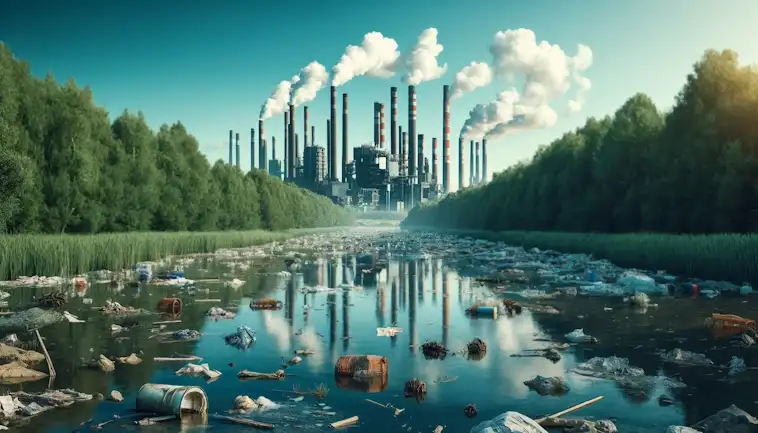
How Industries Contribute to Pollution
Industries are major contributors to pollution, significantly impacting our planet. Their operations release harmful substances into the air, water, and soil, disrupting ecosystems and posing health risks to living beings. Understanding these processes is crucial for developing effective environmental protection strategies.
Firstly, air pollution is a major concern. Factories release various harmful gases like carbon dioxide and sulphur dioxide into the atmosphere. These emissions come from burning fossil fuels such as coal and oil to generate energy. Additionally, chemical plants release volatile compounds that can form smog and acid rain. These pollutants not only harm the environment but also affect our health, leading to respiratory issues and other illnesses.
Water pollution is another critical issue. Industries often discharge wastewater into rivers and oceans. This wastewater can contain heavy metals, chemicals, and other hazardous substances that are harmful to aquatic life and water quality. For example, textile factories often use dyes and solvents that end up in water bodies, while pharmaceutical companies might release drugs and other bioactive compounds.
Soil contamination is equally troubling. This can happen through the disposal of industrial waste in landfills, which can leak various contaminants like metals and chemicals into the ground. Over time, these substances can accumulate and make the soil less fertile and toxic to plants and animals living in or on it.
Overall, industries need to adopt cleaner and more sustainable practices to reduce their environmental footprint. This includes using cleaner energy sources, treating wastewater before discharge, and handling waste responsibly to minimise pollution. By taking these steps, industries can help protect the environment and ensure it remains healthy for future generations.
Geographic Spread of Industrial Pollutants
Industrial pollutants have a wide-reaching impact across various regions. From dense urban centres to remote rural areas, the spread of contaminants highlights the urgent need for global awareness and concerted efforts towards sustainable industrial practices and environmental protection.
One well-known example is China’s Hebei Province. Known for its steel production, Hebei has some of the highest levels of air pollution in the world. Factories here emit large quantities of particulate matter and sulphur dioxide, contributing to the country’s struggle with smog and health-related issues.
Another area heavily impacted by industrial pollution is the Niger Delta in Nigeria. This region is a hub for the oil industry. Unfortunately, oil spills, gas flaring, and chemical waste have severely polluted the water and soil here. This has not only harmed the local wildlife but also affected the health and livelihoods of millions of people who depend on fishing and agriculture.
In the United States, the Rust Belt, which includes parts of Ohio, Michigan, and Pennsylvania, has also suffered. Historically, this region was a powerhouse of manufacturing and steel production. While it’s less industrial now, the legacy of pollution persists with contaminated soils and waterways, which affect local communities to this day.
These examples show how regions with high levels of industrial activities often face severe pollution challenges. Addressing these issues requires strong regulations, clean technology, and community involvement to ensure a healthier environment. It’s a big task, but with global awareness and action, improvement is possible.
Chemicals and Compounds of Concern
Industrial chemicals and compounds, often essential for manufacturing processes, pose significant environmental and health risks. These substances, ranging from heavy metals to volatile organic compounds, infiltrate ecosystems globally, underscoring the need for stricter regulations and safer chemical management practices.
Heavy metals like mercury, lead, and arsenic are common pollutants found in industrial waste. They can accumulate in the soil and water, entering the food chain through plants and fish. This is risky because heavy metals can damage the nervous system and kidneys, and some, like lead, are especially harmful to children, affecting their development.
Carcinogens are another major concern. These are substances that can cause cancer. Benzene, found in petrochemicals, and asbestos, used in construction and manufacturing, are well-known examples. When these chemicals are released into the air and inhaled over time, they can lead to serious health issues, including various types of cancer.
Then there are persistent organic pollutants (POPs), like dioxins and PCBs. These chemicals don’t break down easily and can persist in the environment for years. They build up in the fatty tissues of animals, becoming more concentrated as they move up the food chain. For humans, this means that these toxins can accumulate in our bodies, leading to reproductive problems, immune system damage, and again, increased cancer risk.
All these toxic substances can travel long distances through air and water currents, spreading far from their original source and affecting people and wildlife in widespread areas. It’s crucial that industries manage and reduce these emissions and that regulations are enforced to protect our health and the planet.
The Impact on Air Quality and Health
Industrial pollution significantly deteriorates air quality, leading to adverse health effects globally. Emissions from factories and vehicles release harmful particulates and gases into the atmosphere, contributing to respiratory and cardiovascular diseases, and posing long-term risks to public health and environmental sustainability.
Let’s start with sulphur dioxide. This gas mainly comes from burning fossil fuels like coal and oil at power plants or from factories processing metals. It can irritate your nose, throat, and airways, making it tough for people with asthma or heart conditions.
Next, we have nitrogen oxides. These gases are mostly produced by cars, trucks, and power plants. They can make our air quality really poor. Breathing in nitrogen oxides can lead to inflamed airways, and it’s also linked to asthma, bronchitis, and other respiratory infections.
Then there’s particulate matter or PM. These tiny particles can be really harmful. They come from all sorts of things like construction sites, unpaved roads, smokestacks, and even wildfires. Particulate matter is sneaky because it’s so small it can get deep into your lungs and even into your bloodstream. This can cause all sorts of health problems, from coughing and wheezing to more serious issues like heart attacks and chronic lung diseases.
People living near industrial areas often face the worst of these pollutants, which can lead to long-term health issues. Constant exposure to polluted air means more cases of asthma, lung cancer, cardiovascular diseases, and even impacts on brain health and child development.
Everyone needs to understand what air pollution is and how it affects our health. By knowing more, we can work together to find ways to reduce pollution and make the air cleaner for everyone.
Industrial Waste and Aquatic Life
Industrial waste, when improperly disposed of, introduces hazardous chemicals into water bodies, significantly affecting aquatic ecosystems. These pollutants can alter water chemistry, leading to devastating effects on fish and plant species, disrupting food chains, and posing broader environmental and health risks.
Effluent discharges, this is just a fancy term for the liquid waste that industries release into water bodies. These effluents often contain harmful chemicals that aren’t good for the water or anything living in it. Imagine you’re pouring something yucky into a fishbowl; it’s not going to be healthy for the fish, right?
This leads us to the impacts on marine life. Fish, plants, and other creatures in the water rely on a clean home to survive. When harmful chemicals enter their environment, it can make them sick or even lead to their death. It’s not just the big stuff that gets affected—tiny organisms are impacted too, and they’re important because bigger animals eat them.
Now bioaccumulation, this is a big word that means toxins build up in animals over time. Here’s how it works: small fish eat tiny, polluted plants or animals. Then, bigger fish eat the small fish. With each step up the food chain, the toxins get more concentrated. So, by the time a predator at the top eats a fish, it’s ingested a lot of toxins.
Finally, there are threats to our drinking water. When industrial waste pollutes rivers and lakes, it can end up in the water we drink. This is dangerous because toxins from the waste can make people very sick.
Keeping industrial waste out of our waters is crucial for the health of our environment and ourselves. It’s like keeping our homes clean—everyone is happier and healthier in a clean home!
Land and Soil: The Overlooked Victims
When we think about pollution, we often picture smoggy skies and dirty rivers. But there’s another type of pollution that’s just as important, though less visible—soil contamination. This happens right under our feet, and industrial activities are a big part of the problem.
So, how does this happen? Well, it often starts with spills. Imagine a factory that accidentally leaks harmful chemicals. These chemicals don’t just stay put; they soak into the ground. Over time, they can spread out and sink deep into the soil. This can hurt plants and animals that depend on clean soil to thrive.
Another way soil gets contaminated is through improper waste disposal. Sometimes, industries don’t handle their waste the right way. Instead of safely disposing of harmful materials, they might dump them in places they shouldn’t. When it rains, these chemicals can leach into the soil and eventually reach groundwater. This not only makes the soil toxic but can also pollute our water supply, which is a big deal because we all rely on groundwater for drinking, farming, and more.
The leaching of pollutants is especially sneaky. It doesn’t happen all at once; it’s a slow process where chemicals gradually move deeper into the ground. This means that the contamination can go unnoticed for a long time, making it harder to fix once it’s discovered.
So, what can we do about it? Industries need to follow strict guidelines on how to handle and dispose of waste. Regular checks and balances can help prevent spills and improper disposal. Plus, cleaning up contaminated sites, though challenging, is crucial for keeping our environment safe.
By taking these steps, we can help protect our land and everything that depends on it. It’s not just about keeping the ground looking good—it’s about making sure it’s safe and healthy for all forms of life, including us!
Legislation and Enforcement: Are Current Laws Enough?
When it comes to keeping our environment clean, laws and regulations play a huge role, especially in controlling pollution from industries. There are quite a few rules in place aimed at preventing companies from harming our land, air, and water. But how well do these laws actually work?
First off, these environmental laws set strict limits on how much pollution industries can release. They also require companies to use certain processes and equipment to minimise their impact on the environment. When everything works as it should, these laws can really make a difference by keeping harmful chemicals and waste out of our ecosystems.
However, even with good laws on the books, sometimes things slip through the cracks. One big issue is enforcement. Not all companies follow the rules, and not all regulators have the resources to keep a close eye on every single industry. This means that some pollution can go unchecked, which isn’t great for the environment.
Another challenge is the influence of industries on policy-making. Companies often have a lot of say in how laws are written and enforced. Sometimes, this can lead to weaker regulations that are easier for companies to handle but less effective at protecting the environment.
So, while the laws we have can be powerful tools, they’re not always as strong as they need to be in practice. To really make a difference, we need to ensure that these laws are enforced properly. It’s also important for the public and environmental groups to stay involved. By keeping an eye on both industries and regulators, we can help make sure that our environmental laws are doing their job.
In the end, it’s all about finding a balance. We need strong, effective laws to protect our planet, and we need everyone to work together to make sure those laws are followed. It’s not just about punishing the bad guys—it’s about creating a healthier environment for everyone.
Innovative Solutions and Success Stories
There’s some really exciting news on the environmental front! Many industries are stepping up their game when it comes to reducing pollution, and some of the advancements are pretty impressive.
So first let’s talk about new technologies. Companies are now using smarter, cleaner methods to handle waste and emissions. For example, some factories have started using filters and scrubbers that catch pollutants before they can escape into the air or water. These aren’t just good for the planet—they often save money in the long run by recycling waste products instead of throwing them away.
Another cool development is in the area of cleanup projects. Places that were once polluted are being transformed back into healthy, usable spaces. There’s a process called bioremediation where scientists use plants and microbes to safely break down toxins in the soil. It’s like giving nature a helping hand to heal itself!
Industries are also making big shifts in how they operate day-to-day. More companies are turning to renewable energy sources like solar and wind instead of relying on fossil fuels. This not only reduces pollution but also lessens the impact of climate change. Plus, many businesses are adopting the principles of “green chemistry,” which means they design products and processes that reduce or eliminate the use of hazardous substances.
All these changes show a growing commitment to not just meet the minimum legal standards but to actually exceed them. Companies are beginning to understand that being environmentally friendly can also be good for business. It can lead to innovations, save on operational costs, and improve their reputation with customers who care about the planet.
It’s inspiring to see how creative and effective these new approaches can be. With continued innovation and commitment, we can look forward to a cleaner, healthier environment. It’s a win-win for businesses and the planet alike!
Conclusion
So there you have it—the impact of industrial pollution isn’t always loud and immediate, but it’s definitely real and happening all around us.
The good news is that we’re making progress. With cutting-edge technologies and smarter practices, we can tackle this silent crisis.
Let’s keep pushing for cleaner industries and hold companies accountable. Every small step we take leads to a healthier planet for everyone. And let’s keep the momentum going and make sure our Earth stays beautiful and vibrant for generations to come!