Indigenous Peoples Hold Ancient Answers for a Changing World
The World Is Turning to Indigenous Peoples for Ancient Environmental Knowledge
For thousands of years, Indigenous peoples have lived in balance with nature, protected biodiversity, and passed down knowledge through oral traditions and daily life. Today, as climate change, food insecurity, and environmental loss reshape the planet, many researchers, leaders, and communities are looking again at these time-tested ways of living. Ancient knowledge once pushed aside is now helping shape new ideas for sustainability, conservation, and resilience.
Across forests, deserts, coastlines, and mountains, Indigenous communities continue to protect some of the world’s most important ecosystems. Their practices often focus on respect for the land, careful resource use, and long-term thinking. As modern societies search for practical solutions to growing global challenges, these traditions offer lessons that feel more relevant than ever.
At the same time, many Indigenous peoples are fighting to preserve their cultures, languages, and land rights in a rapidly changing world. Their voices are becoming increasingly important in global conversations about climate policy, agriculture, and environmental protection. Understanding these perspectives may help create a more balanced and sustainable future for generations to come.
What You’ll Discover
Indigenous Peoples and the Wisdom Hidden in Ancient Traditions
What Traditional Knowledge Can Teach a Modern World
Indigenous Peoples Share Sustainable Solutions for the Future
How Ancient Practices Support Climate Resilience Today
Why Indigenous Voices Matter More Than Ever Before
Conclusion: Indigenous Peoples Show Us a Better Path Forward
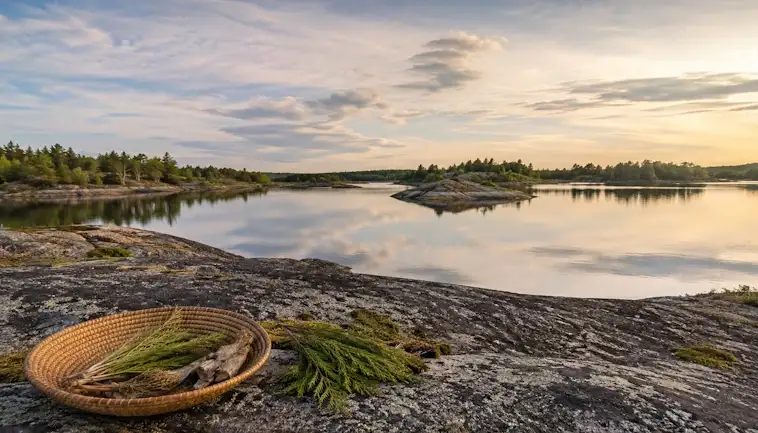
Indigenous Peoples and the Wisdom Hidden in Ancient Traditions
For thousands of years, Indigenous peoples have cared for the land, protected natural resources, and passed down knowledge through storytelling, ceremonies, and daily life. Today, many people are beginning to realize that these ancient traditions still hold valuable lessons for the modern world.
In fact, Indigenous wisdom is becoming more important as communities search for better ways to live sustainably, strengthen relationships, and reconnect with nature. While technology continues to shape the future, many ancient practices remind us that progress does not always mean leaving the past behind.
Across different cultures and continents, Indigenous communities have developed deep spiritual and practical connections with the environment. Their traditions often focus on balance, respect, and responsibility. As a result, these teachings can help guide conversations about climate change, mental wellbeing, food systems, and community life.
Many Indigenous traditions were built around living in harmony with nature rather than controlling it. This approach allowed communities to survive and thrive for generations. Even now, scientists, environmental groups, and world leaders are studying Indigenous practices to better understand sustainable living.
Some of the most valuable teachings include:
- Respecting the balance between people and nature
- Using natural resources carefully and responsibly
- Sharing knowledge through oral storytelling
- Protecting community values and cultural identity
- Understanding the long-term impact of human actions
- Supporting collective wellbeing instead of individual gain
Because of this, Indigenous knowledge is no longer seen as something from the past alone. Instead, it is increasingly viewed as part of the future.
Indigenous Traditions and the Connection to Nature
One of the strongest themes found in Indigenous cultures is the connection between humans and the natural world. Rivers, forests, mountains, and animals are often viewed as living parts of a shared ecosystem rather than resources to exploit.
This perspective encourages people to think differently about consumption and environmental responsibility. For example, many Indigenous communities practice seasonal harvesting, controlled land management, and natural farming methods that protect ecosystems over time.
These traditions also teach patience and gratitude. Rather than taking more than needed, many Indigenous cultures focus on giving back to the land and preserving it for future generations.
Lessons Modern Society Can Learn from Indigenous Wisdom
Modern life often moves quickly. However, Indigenous teachings remind people to slow down, listen carefully, and value relationships with both people and nature.
There are several important lessons that continue to inspire people today:
- Community matters more than competition
- Nature should be protected, not dominated
- Stories and traditions help preserve identity
- Future generations should always be considered
- Mental, spiritual, and physical health are deeply connected
As conversations about sustainability and cultural preservation continue to grow, Indigenous voices are becoming more important than ever. Their traditions carry generations of experience, resilience, and understanding that can help shape a healthier and more balanced future.
In the years ahead, ancient Indigenous wisdom may become one of the most valuable guides for navigating a rapidly changing world.
What Traditional Knowledge Can Teach a Modern World
In today’s fast-moving world, people often look to technology for answers. New tools, smart devices, and artificial intelligence shape how we live and work. Yet, while innovation moves forward, many old traditions still hold valuable lessons.
Traditional knowledge is more than history passed down through generations. It is practical wisdom built through experience, observation, and deep connections with nature and community. Across cultures, people learned how to farm sustainably, heal naturally, build resilient communities, and live with balance. These lessons still matter today.
Moreover, modern society faces growing challenges. Climate change, mental health struggles, food insecurity, and social isolation continue to affect millions of people worldwide. As a result, many people are beginning to rethink what progress truly means. Interestingly, traditional knowledge offers ideas that are not only timeless but also highly relevant for the future.
Why Ancient Practices Still Matter Today
Many traditional practices were designed to work with nature instead of against it. For example, Indigenous farming methods often protected soil health and preserved water supplies long before sustainability became a global goal. In many ways, these communities understood the importance of long-term thinking.
At the same time, traditional lifestyles often placed strong value on relationships, storytelling, and shared responsibility. This sense of connection helped people build stronger communities and support systems. In contrast, modern life can sometimes feel rushed and disconnected.
Furthermore, traditional knowledge encourages patience and balance. These ideas may seem simple, yet they can help modern societies slow down and make smarter choices. Whether it is food production, mental wellbeing, or environmental care, older approaches still offer practical solutions.
The Growing Blend of Old Wisdom and New Innovation
Interestingly, the future may not be about choosing between tradition and technology. Instead, it could be about combining the best parts of both. Around the world, scientists, businesses, and local communities are already working together to blend ancient knowledge with modern innovation.
For instance, architects are studying traditional building designs to create homes that stay cooler naturally and use less energy. Likewise, healthcare researchers are exploring plant-based remedies that have been used for centuries. Even tech companies are beginning to look at community-centered values inspired by older cultural practices.
This growing partnership between old and new ideas creates exciting possibilities. It shows that progress does not always mean leaving the past behind. Sometimes, the smartest way forward is to learn from the people who understood balance, resilience, and sustainability long before the modern world existed.
Around the world, Indigenous Peoples are leading important conversations about sustainability, climate action, and protecting nature. For generations, they have cared for forests, rivers, oceans, and wildlife through traditional knowledge passed down over centuries. Today, many experts believe these practices could help shape a more sustainable future for everyone.
As climate change continues to affect communities worldwide, more people are beginning to listen. Indigenous communities often live closest to nature. Because of this, they understand the balance between people and the environment in ways modern systems sometimes overlook.
At the same time, many Indigenous leaders are calling for stronger partnerships. They want governments, businesses, and communities to work together while respecting Indigenous rights, cultures, and knowledge.
Why Indigenous Knowledge Matters More Than Ever
Traditional Indigenous practices focus on long-term thinking rather than short-term gain. Instead of taking too much from the land, many Indigenous communities use resources carefully and responsibly. This approach helps protect ecosystems for future generations.
In many regions, Indigenous-managed lands contain some of the world’s richest biodiversity. Studies have shown that these areas often experience lower rates of deforestation and environmental damage.
Some key sustainable practices include:
- Controlled burning to reduce wildfire risks
- Seasonal farming methods that protect soil health
- Water conservation techniques based on natural cycles
- Community-led wildlife protection programs
- Sustainable fishing practices that prevent overharvesting
These methods are not new. However, they are becoming increasingly valuable as countries search for practical climate solutions.
A Growing Global Movement for Change
Across the globe, Indigenous activists and organizations are gaining more visibility. They are speaking at climate conferences, advising policymakers, and leading local conservation projects.
Younger Indigenous generations are also blending traditional wisdom with modern technology. For example, some communities now use drones, satellite mapping, and digital storytelling to protect ancestral lands and share environmental knowledge with the world.
Meanwhile, many businesses are beginning to recognize the value of Indigenous partnerships. Sustainable tourism, renewable energy projects, and ethical agriculture programs increasingly involve Indigenous leadership and consultation.
Looking ahead, the future of sustainability may depend on learning from both modern science and ancient knowledge. By listening to Indigenous voices and respecting their stewardship of the land, societies can build stronger and more balanced environmental solutions for generations to come.
How Ancient Practices Support Climate Resilience Today
As climate change brings stronger storms, longer droughts, and rising temperatures, many people are looking for smarter ways to adapt. Surprisingly, some of the best ideas are not new at all. In fact, communities around the world are turning back to ancient practices that helped people live in balance with nature for centuries.
These traditional methods were built through observation, experience, and respect for the environment. While modern technology plays an important role today, older approaches can still offer practical and sustainable solutions. More importantly, they often work with nature instead of against it.
From water conservation to natural farming systems, ancient knowledge is helping communities become more resilient in a changing climate. As a result, these time-tested practices are gaining new attention from scientists, farmers, and environmental planners alike.
Traditional Farming Methods That Still Work
Many ancient farming techniques were designed to protect the land while producing reliable food supplies. For example, terrace farming helped prevent soil erosion in mountainous regions. Meanwhile, crop rotation improved soil health naturally without relying on chemical fertilizers.
In dry areas, ancient irrigation systems captured and stored rainwater efficiently. These methods reduced waste and helped communities survive long periods without rainfall. Even today, some of these systems continue to support local agriculture.
Another important practice was planting a variety of crops together. This increased biodiversity and reduced the risk of total crop failure during extreme weather events. Today, experts see this as an important strategy for building climate-resilient food systems.
Why Indigenous Knowledge Matters More Than Ever
Indigenous communities have long understood how to care for ecosystems in sustainable ways. Their deep connection to the land has helped protect forests, rivers, and wildlife for generations.
For instance, controlled burning practices used by Indigenous groups helped reduce the risk of large wildfires. These smaller, carefully managed fires removed dry vegetation before it became dangerous fuel. Today, several countries are studying these methods as wildfire seasons grow more severe.
In addition, Indigenous knowledge often focuses on long-term environmental balance rather than short-term gain. This mindset is becoming increasingly valuable as governments and businesses search for sustainable climate solutions.
By combining traditional wisdom with modern science, societies may be able to create stronger and more adaptable communities for the future.
Why Indigenous Voices Matter More Than Ever Before
For generations, Indigenous communities have protected land, preserved culture, and passed down knowledge through storytelling. Yet, for far too long, many of those voices were ignored or pushed aside. Today, that is finally starting to change. More people are listening, learning, and recognising the importance of Indigenous perspectives in shaping the future.
At the same time, the world is facing major challenges. Climate change, cultural loss, social inequality, and political division continue to grow. Because of this, Indigenous knowledge and leadership matter more than ever before. These communities offer wisdom that has been built over thousands of years. Their experiences can help guide conversations about sustainability, justice, and human connection.
Indigenous Knowledge Offers Solutions for the Future
Across the world, Indigenous peoples have long understood the importance of living in balance with nature. While modern systems often focus on short-term growth, Indigenous traditions usually place value on long-term care for the environment and future generations.
This way of thinking is becoming increasingly important. Governments, scientists, and environmental groups are now recognising that Indigenous communities are often among the best protectors of forests, rivers, and biodiversity.
Some important lessons Indigenous voices bring include:
- Respect for the natural world
- Sustainable farming and land management practices
- Strong community values
- Deep cultural storytelling traditions
- A focus on future generations instead of short-term gains
As a result, Indigenous leadership is now playing a larger role in global discussions about climate action and conservation.
Representation Creates Understanding and Change
Representation also matters in everyday life. When Indigenous voices are included in media, education, politics, and business, it helps create a more accurate understanding of history and identity. It also challenges harmful stereotypes that have existed for decades.
Importantly, younger generations are now seeing Indigenous creators, activists, artists, and leaders gain wider attention online and in mainstream culture. This visibility helps build pride within communities while also encouraging others to learn and engage with different perspectives.
In many ways, listening to Indigenous voices is not just about correcting the past. It is also about building a better future. By creating space for these stories and experiences, societies become more inclusive, informed, and connected.
The conversation is changing. However, there is still more work to do. Real progress happens when Indigenous communities are not only heard but also respected, supported, and included in decisions that affect their lives and lands.
Conclusion: Indigenous Peoples Show Us a Better Path Forward
As the world faces climate change, biodiversity loss, and growing social challenges, Indigenous peoples continue to offer knowledge that is both practical and deeply connected to the earth. Their traditions are not relics of the past. Instead, they are living systems of wisdom that can help shape a more balanced and sustainable future.
Across generations, Indigenous communities have protected ecosystems, respected natural cycles, and valued collective responsibility. These lessons matter now more than ever. In many ways, modern societies are beginning to rediscover what Indigenous peoples have understood for centuries — that people and nature must work together, not against each other.
Moving forward, listening to Indigenous voices will be essential. Governments, businesses, and communities all have an opportunity to learn from Indigenous leadership and support Indigenous rights. At the same time, preserving Indigenous languages, traditions, and cultural knowledge will help protect valuable solutions for future generations.
Ultimately, Indigenous peoples hold ancient answers for a changing world because their wisdom is rooted in respect, resilience, and long-term thinking. And as global challenges continue to grow, those values may become some of humanity’s most important guides.