

Wildlife Management: The Hidden Cost of Doing Nothing
Wildlife Management: The Economic and Environmental Cost of Doing Nothing
Wildlife management plays a critical role in protecting ecosystems, supporting biodiversity, and reducing conflicts between people and animals. Yet despite its importance, it is often overlooked until problems become impossible to ignore. From crop damage and property destruction to declining native species and growing public safety concerns, the consequences of inaction can be far-reaching.
As wildlife populations shift and habitats change, the balance between human activity and the natural world becomes increasingly fragile. Without effective planning and intervention, small issues can quickly develop into costly and complex challenges. Communities, landowners, businesses, and local authorities often face rising expenses when wildlife-related problems are left unresolved.
Taking a proactive approach helps prevent long-term environmental, economic, and social impacts. Understanding the hidden cost of doing nothing is the first step toward making informed decisions that protect both people and wildlife for the future.
What You’ll Discover
Why Wildlife Management Matters More Than Ever
The Growing Impact of Human-Wildlife Conflict
Wildlife Management and the Cost of Inaction
How Unchecked Wildlife Issues Affect Communities
The Long-Term Consequences of Doing Nothing
Conclusion: Why Wildlife Management Cannot Wait
Why Wildlife Management Matters More Than Ever
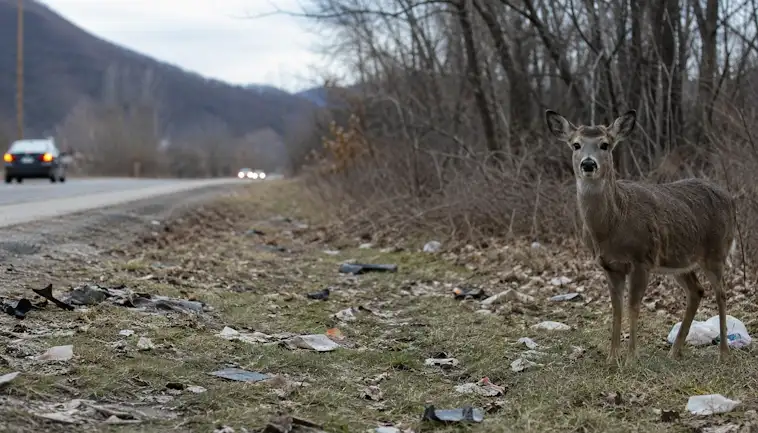
Wildlife management has never been more important than it is today. Across the world, natural habitats are under growing pressure from urban development, climate change, pollution, and increasing human activity. As a result, many animal species are struggling to survive in environments that are changing faster than ever before.
At the same time, people and wildlife are coming into closer contact. This can lead to challenges such as property damage, road accidents, crop losses, and threats to public safety. Therefore, effective wildlife management plays a vital role in creating a healthy balance between human needs and the natural world.
When carried out responsibly, wildlife management helps protect ecosystems, conserve biodiversity, and support sustainable land use. It also ensures that wildlife populations remain healthy while reducing conflicts that can affect communities, businesses, and agriculture. In addition, strong management practices help preserve natural resources for future generations.
Protecting Ecosystems in a Rapidly Changing World
Every species plays a unique role within its ecosystem. When one population declines or grows beyond sustainable levels, the effects can spread throughout the environment. For example, an increase in certain animal populations may damage vegetation, while the loss of key predators can disrupt the natural balance of an area.
Wildlife management helps address these challenges through monitoring, conservation programs, habitat restoration, and population control measures where necessary. As environmental pressures continue to increase, these efforts are becoming essential for maintaining healthy and resilient ecosystems.
Supporting Both People and Wildlife
Successful wildlife management is not just about protecting animals. It is also about protecting people, property, and local economies. Farmers, landowners, businesses, and communities all benefit when wildlife populations are managed responsibly and human-wildlife conflicts are reduced.
Furthermore, well-planned wildlife management can support tourism, outdoor recreation, and conservation initiatives. By taking a balanced approach, it is possible to safeguard wildlife while ensuring that people can continue to live and work safely alongside nature. Looking ahead, this balance will become even more important as populations grow and environmental challenges continue to evolve.
The Growing Impact of Human-Wildlife Conflict
As human populations continue to grow, people and wildlife are increasingly sharing the same spaces. Cities are expanding, farmland is spreading, and natural habitats are becoming smaller. As a result, encounters between humans and wild animals are becoming more common than ever before.
Human-wildlife conflict occurs when the needs of people and animals overlap in ways that create problems for both sides. These conflicts can involve crop damage, livestock losses, property destruction, road accidents, and even threats to human safety. At the same time, wildlife often suffers through habitat loss, injury, or retaliation from affected communities.
Moreover, climate change is making the situation more challenging. As droughts, floods, and shifting weather patterns alter natural ecosystems, many species are being forced to move into new areas in search of food, water, and shelter. Consequently, interactions between people and wildlife are expected to increase in the years ahead.
Why Human-Wildlife Encounters Are Increasing
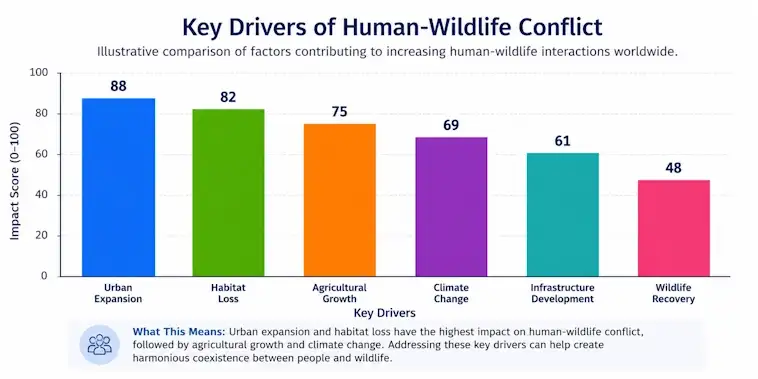
Several factors are driving the rise in human-wildlife conflict. Urban expansion is one of the biggest causes. As towns and cities grow, they often replace forests, wetlands, and grasslands that wildlife once depended on.
In addition, agricultural development continues to push into natural habitats. Crops can attract animals looking for easy food sources, while livestock may become targets for predators. Roads, railways, and other infrastructure projects can also divide habitats, forcing animals to cross human-dominated landscapes more frequently.
At the same time, conservation efforts have helped some wildlife populations recover. While this is a positive development, larger animal populations can sometimes lead to more encounters with nearby communities.
The Consequences for Communities and Ecosystems
The effects of human-wildlife conflict extend far beyond isolated incidents. Farmers may face financial losses when crops are damaged or livestock is attacked. Local communities can experience safety concerns, while governments often spend significant resources on managing conflicts.
Wildlife also pays a heavy price. Animals involved in conflicts may be injured, relocated, or killed. Furthermore, repeated conflicts can weaken public support for conservation programs, making it harder to protect vulnerable species in the long term.
For this reason, finding practical solutions is becoming increasingly important. Better land-use planning, wildlife corridors, community education, and modern monitoring technologies can help reduce conflicts while supporting both human livelihoods and biodiversity conservation.
Wildlife Management and the Cost of Inaction
Wildlife plays a vital role in maintaining healthy ecosystems. From controlling pests to supporting biodiversity, animals help keep nature in balance. However, when wildlife populations grow unchecked or come into conflict with human activities, problems can quickly arise.
This is where effective wildlife management becomes essential. By taking proactive steps, landowners, businesses, and local authorities can reduce risks while protecting both people and animals. On the other hand, delaying action often leads to greater challenges and higher costs in the future.
Whether it is damage to property, threats to public safety, or the spread of disease, ignoring wildlife issues rarely makes them disappear. Instead, these problems often become more severe over time.
Why Early Wildlife Management Matters
Addressing wildlife concerns early offers several important benefits. Most importantly, it helps prevent small issues from becoming expensive and difficult problems.
The Hidden Costs of Delayed Action
Many people underestimate the financial and environmental impact of unmanaged wildlife. Unfortunately, waiting too long can result in significant consequences, including:
- Structural damage to buildings, roofs, and insulation
- Increased repair and maintenance costs
- Contamination from droppings and nesting materials
- Health risks linked to bacteria, parasites, and diseases
- Damage to crops, gardens, and landscaping
- Disruption to business operations and daily activities
- Greater risks to public and employee safety
- More complex and costly wildlife removal services later
- Long-term harm to local ecosystems and biodiversity
As a result, investing in professional wildlife management today can often save considerable time, money, and stress in the future. By acting early, property owners can protect their assets while supporting a healthier balance between people and wildlife.
How Unchecked Wildlife Issues Affect Communities
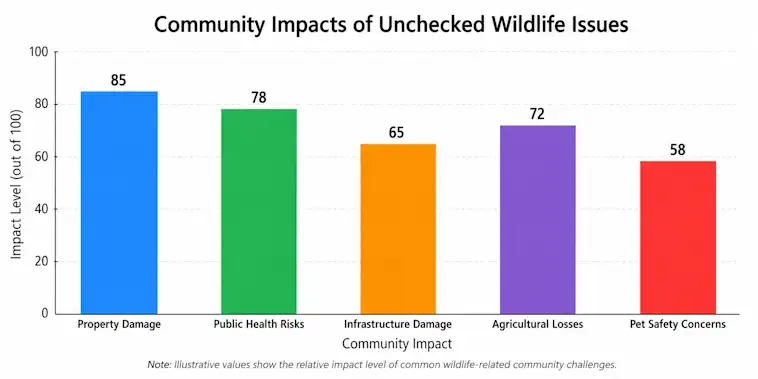
Wildlife plays an important role in maintaining healthy ecosystems. However, when wildlife problems go unmanaged, the effects can spread far beyond natural habitats. From property damage and public health concerns to economic losses and environmental disruption, unchecked wildlife issues can create serious challenges for local communities.
As towns and cities continue to expand, encounters between people and wildlife are becoming more common. While many species adapt well to urban and suburban environments, a lack of proper management can lead to growing conflicts. Understanding these impacts helps communities take proactive steps before small issues become larger problems.
Public Safety and Health Risks
When wildlife populations grow unchecked, the risk to public safety often increases. Animals searching for food and shelter may enter residential areas, parks, schools, and commercial properties. In some cases, they can become aggressive when threatened or when protecting their young.
Wildlife can also carry diseases and parasites that may affect both people and pets. Rodents, raccoons, and other animals are known to spread illnesses through droppings, urine, bites, and contaminated surfaces. As a result, communities may face increased healthcare concerns and higher costs associated with prevention and cleanup.
Economic and Property Damage
Beyond health concerns, unmanaged wildlife can create significant financial burdens. Animals may damage roofs, insulation, wiring, gardens, crops, and landscaping. In agricultural areas, wildlife can reduce crop yields and harm livestock, leading to substantial losses for farmers.
Local governments and property owners often spend considerable resources repairing damage, removing animals, and implementing preventative measures. Consequently, the longer wildlife issues remain unresolved, the greater the economic impact becomes. Taking action early is usually far more cost-effective than addressing widespread damage later.
Effective wildlife management not only protects homes and businesses but also helps preserve public safety, local economies, and the overall quality of life within a community.
The Long-Term Consequences of Doing Nothing
When it comes to protecting wildlife, doing nothing is rarely a neutral choice. While the effects may not seem obvious at first, the damage can build over time. As habitats continue to disappear and species numbers decline, the natural balance that supports life becomes increasingly fragile.
Many wildlife populations are already under pressure from human activity, climate change, pollution, and land development. Without action, these challenges will only grow. As a result, future generations may inherit a world with fewer species, weaker ecosystems, and fewer opportunities to experience nature in its full diversity.
Wildlife Loss Creates a Ripple Effect Across Ecosystems
Every species plays a role within its environment. Some animals help spread seeds, while others control pest populations or pollinate plants. Therefore, when one species disappears, the impact often extends far beyond that single loss.
For example, the decline of a key predator can lead to an increase in prey populations. In turn, this can damage vegetation and alter entire habitats. Over time, these changes affect other animals, plants, and even local communities that depend on healthy ecosystems.
Future Recovery Becomes More Difficult and Expensive
The longer conservation efforts are delayed, the harder it becomes to reverse the damage. Once a species becomes extinct, it is gone forever. Likewise, restoring damaged habitats often requires significant time, funding, and resources.
Taking action today is usually more effective and less costly than attempting to fix larger problems in the future. By supporting conservation initiatives, protecting natural habitats, and promoting sustainable practices, societies can help prevent irreversible losses before they occur.
Ultimately, the consequences of inaction extend beyond wildlife alone. Healthy ecosystems provide clean air, fresh water, fertile soil, and climate stability. Protecting wildlife today helps safeguard these essential benefits for generations to come.
Conclusion: Why Wildlife Management Cannot Wait
Doing nothing may seem like the easiest option, but the long-term costs can be far greater than many people realize. Unchecked wildlife populations can lead to property damage, increased safety risks, threats to native species, and costly environmental problems that become harder to solve over time.
Effective wildlife management is not about removing animals from the landscape. Instead, it is about creating a healthy balance between people, wildlife, and the environment. By taking proactive steps today, communities, landowners, and businesses can prevent larger issues tomorrow while supporting biodiversity and protecting valuable natural resources.
As human development continues to expand, the need for responsible wildlife management will only grow. Investing in prevention, monitoring, and sustainable solutions is often far less expensive than dealing with the hidden costs of inaction. The choice is clear: proactive wildlife management helps protect ecosystems, reduces conflict, and creates a safer, more sustainable future for both people and wildlife.