

Planet Life: What Humanity Must Understand Now
Planet Life: What Humanity Must Understand Now to Secure Our Future
Planet life is entering a defining era. Human activity now shapes ecosystems, climate patterns, biodiversity, and the natural systems that support life across the globe. The choices made today will influence not only the health of the environment but also the future stability of societies, economies, and generations yet to come.
Scientific discoveries continue to reveal how deeply connected humanity is to the living world. From changing weather extremes to declining species populations and growing pressure on natural resources, the evidence points to a clear reality: understanding Earth’s life-support systems is no longer optional. It is becoming essential knowledge for anyone concerned about the future.
As global challenges become more complex, a broader awareness of how human actions affect the planet is critical. Recognizing these connections can help guide better decisions, encourage innovation, and support a more sustainable relationship between people and the natural world. The future of planet life depends on what humanity understands—and acts upon—right now.
What You’ll Discover
Planet Life and the Future of Human Survival
Why Earth’s Systems Are Reaching a Tipping Point
Planet Life: The Connection Between Nature and Humanity
The Global Challenges Reshaping Our World
Building a Sustainable Path for Future Generations
Conclusion: The Future of Planet Life Depends on What We Do Today
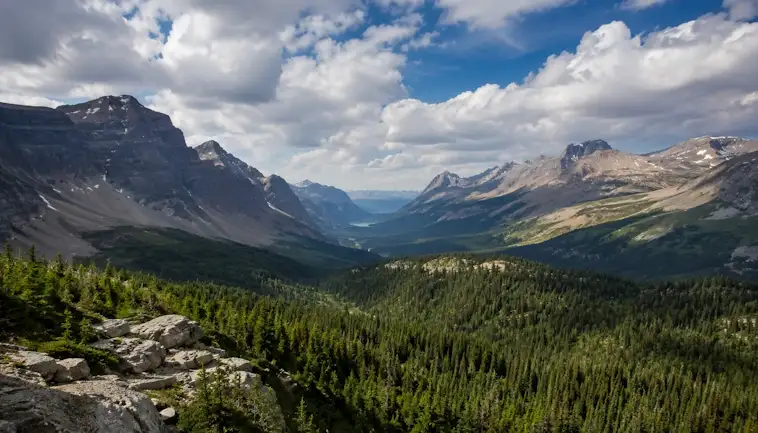
Planet Life and the Future of Human Survival
Life on Earth has always adapted to change. From ice ages to natural disasters, our planet has survived countless challenges over billions of years. However, today’s environmental pressures are different. Human activity is now shaping the future of the planet at an unprecedented pace.
As the global population continues to grow, the demand for food, water, energy, and natural resources is increasing. At the same time, climate change, habitat loss, pollution, and biodiversity decline are placing greater strain on ecosystems around the world. Because of this, understanding the connection between planetary health and human survival has never been more important.
The future of humanity depends on the choices we make today. By protecting natural systems, investing in sustainable technologies, and reducing our environmental impact, we can help create a world that supports both people and nature for generations to come. In many ways, the story of human survival is also the story of planetary survival.
Why a Healthy Planet Matters for Human Survival
A healthy planet provides the essential resources that support life. Clean air, fresh water, fertile soil, and stable climates form the foundation of human civilisation. Without these natural systems, communities would struggle to meet basic needs.
Key reasons planetary health matters include:
- Reliable food production depends on healthy soils and stable weather patterns.
- Clean water supplies are essential for drinking, agriculture, and industry.
- Biodiversity supports pollination, pest control, and ecosystem stability.
- Forests and oceans help regulate the Earth’s climate by absorbing carbon dioxide.
- Natural ecosystems provide protection against floods, storms, and other environmental hazards.
As environmental challenges grow, safeguarding these resources becomes critical for long-term human wellbeing and economic stability.
Emerging Solutions Shaping the Future
Fortunately, innovation is creating new opportunities to build a more sustainable future. Renewable energy technologies, sustainable farming practices, circular economies, and advances in environmental science are helping reduce pressure on natural resources.
Some of the most promising developments include:
- Expansion of solar, wind, and other renewable energy sources.
- Advances in carbon capture and climate adaptation technologies.
- Regenerative agriculture that restores soil health and biodiversity.
- Smart cities designed to use energy and resources more efficiently.
- Global conservation initiatives that protect critical habitats and endangered species.
While challenges remain, these solutions demonstrate that positive change is possible. By combining scientific progress with responsible environmental stewardship, humanity can strengthen its chances of thriving in the decades ahead.
Ultimately, the future of human survival is closely linked to the health of our planet. The decisions made by governments, businesses, and individuals today will help determine the quality of life for future generations. Protecting Earth is not simply an environmental goal—it is an investment in humanity’s future.
Why Earth’s Systems Are Reaching a Tipping Point
For thousands of years, Earth’s natural systems have worked together in a delicate balance. Forests absorbed carbon dioxide, oceans regulated temperatures, and ice sheets reflected sunlight back into space. However, that balance is now under increasing pressure.
Today, human activities are changing the planet faster than many natural systems can adapt. Rising greenhouse gas emissions, widespread deforestation, habitat loss, and pollution are pushing several environmental systems closer to critical thresholds. Scientists call these thresholds “tipping points” because once they are crossed, changes can become difficult, or even impossible, to reverse.
What makes this issue especially concerning is that Earth’s systems are deeply connected. As a result, a major change in one system can trigger a chain reaction in others. For example, melting polar ice reduces the planet’s ability to reflect sunlight, which leads to further warming and even more ice loss. In the same way, damaged forests absorb less carbon dioxide, allowing more greenhouse gases to remain in the atmosphere.
The Growing Pressure on Natural Systems
Many of the planet’s most important ecosystems are already showing signs of stress. The Amazon rainforest, Arctic sea ice, coral reefs, and major ocean currents are all experiencing significant changes. While these systems have shown resilience in the past, the speed and scale of current environmental pressures are testing their limits.
Scientists warn that continued warming could push some of these systems beyond their natural ability to recover. Once that happens, the impacts may spread far beyond the affected region, influencing weather patterns, food production, water supplies, and biodiversity around the world.
Why Small Changes Can Lead to Big Consequences
One of the most challenging aspects of tipping points is that change often appears gradual at first. Conditions may seem stable for years or even decades. Then, once a critical threshold is reached, rapid transformation can occur in a relatively short period.
This means that small increases in global temperatures or continued environmental degradation can have much larger consequences than expected. Therefore, understanding these risks is essential. The earlier action is taken, the greater the opportunity to reduce pressures on Earth’s systems and help maintain the environmental stability that societies depend upon.
Planet Life: The Connection Between Nature and Humanity
From the air we breathe to the food we eat, nature supports every part of human life. Although modern technology has changed the way we live, our connection to the natural world remains as important as ever. In fact, the health of people and the health of the planet are deeply linked.
Every forest, river, ocean, and grassland plays a role in maintaining balance on Earth. These natural systems provide clean water, fertile soil, and fresh air. At the same time, they offer places for recreation, reflection, and inspiration. As a result, protecting nature is not just about saving wildlife. It is also about creating a healthier future for ourselves and future generations.
Why Nature Matters to Human Well-Being
Nature influences both physical and mental health in powerful ways. Studies continue to show that spending time outdoors can reduce stress, improve mood, and encourage a more active lifestyle. Whether it is a walk through a local park or a visit to a national reserve, connecting with nature helps people feel more grounded and refreshed.
Some of the key benefits include:
- Cleaner air and water that support public health.
- Natural spaces that encourage exercise and outdoor activities.
- Reduced stress and improved mental well-being.
- Greater biodiversity that helps maintain stable ecosystems.
- Stronger resilience against climate-related challenges.
The Role of Ecosystems in Everyday Life
Many people do not realise how much they depend on ecosystems every day. Forests absorb carbon dioxide and help regulate the climate. Wetlands filter pollutants from water sources. Pollinators such as bees support food production by helping crops grow.
These natural services often work quietly in the background, yet they are essential to modern life. Without healthy ecosystems, communities would face greater environmental, economic, and social challenges.
As awareness grows, more individuals, businesses, and governments are recognising the importance of sustainable practices. By making responsible choices and supporting conservation efforts, everyone can contribute to a healthier relationship between humanity and the natural world.
In reality planet life is about understanding that people are not separate from nature. Instead, we are part of a larger living system. When nature thrives, humanity has a greater opportunity to thrive as well.
The Global Challenges Reshaping Our World
The world is changing faster than ever before. New technologies, shifting economies, and growing environmental concerns are transforming how we live, work, and connect with one another. While these changes bring exciting opportunities, they also create complex challenges that affect people, businesses, and governments across the globe.
Today, many of the issues we face are no longer limited to one country or region. Instead, they have become global concerns that require international cooperation and long-term solutions. From climate change and energy security to economic uncertainty and public health risks, these challenges are reshaping our future in profound ways.
As a result, individuals and organizations must learn to adapt. Understanding these global pressures is the first step toward finding practical solutions and building a more resilient world.
Climate Change and Environmental Pressure
Among all the challenges facing the world today, climate change remains one of the most urgent. Rising global temperatures, extreme weather events, and changing ecosystems are already affecting communities worldwide. Floods, droughts, wildfires, and heatwaves are becoming more frequent, creating risks for both people and economies.
At the same time, growing populations continue to increase demand for food, water, and energy. This puts additional pressure on natural resources and highlights the need for more sustainable ways of living and working.
Why Sustainability Matters More Than Ever
Sustainability is no longer just an environmental goal. It has become an economic and social priority as well. Businesses are investing in cleaner technologies, governments are introducing new environmental policies, and consumers are becoming more conscious of their choices.
Furthermore, renewable energy sources such as solar and wind power are helping reduce dependence on fossil fuels. Although significant progress has been made, much more work is needed to create a sustainable future that balances economic growth with environmental responsibility.
Looking ahead, collaboration between countries, industries, and communities will play a vital role in addressing these challenges. The decisions made today will have a lasting impact on future generations and the health of our planet.
Building a Sustainable Path for Future Generations
Creating a better future starts with the choices we make today. As communities, businesses, and individuals face growing environmental challenges, the need for sustainable action has never been more important. While the problems may seem complex, small and consistent efforts can lead to meaningful change over time.
Sustainability is about balancing economic growth, environmental protection, and social well-being. In other words, it means meeting our current needs without compromising the ability of future generations to meet theirs. By embracing sustainable practices now, we can help create healthier communities, stronger economies, and a cleaner planet for years to come.
Why Sustainability Matters More Than Ever
The world is experiencing rapid population growth, increasing resource demand, and rising environmental pressures. Consequently, issues such as climate change, pollution, and biodiversity loss continue to affect both local communities and global ecosystems.
However, sustainability offers a practical path forward. By making smarter choices about how we use energy, manage resources, and design our communities, we can reduce environmental impact while improving quality of life.
Key Actions That Support a Sustainable Future
There are many ways individuals, businesses, and governments can contribute to long-term sustainability:
- Invest in renewable energy sources such as solar and wind power.
- Reduce waste through recycling, reusing, and responsible consumption.
- Support sustainable farming and food production practices.
- Protect natural habitats and promote biodiversity.
- Encourage energy-efficient homes, buildings, and transportation.
- Educate future generations about environmental responsibility.
- Support businesses that prioritize ethical and sustainable practices.
Beyond environmental benefits, these actions can also create jobs, improve public health, and strengthen local economies.
Looking ahead, innovation will play a major role in shaping a more sustainable world. Emerging technologies, smarter infrastructure, and greener business models are already helping to reduce environmental impact while supporting economic growth. Nevertheless, technology alone is not enough. Real progress depends on collaboration between governments, organizations, communities, and individuals.
Without a doubt building a sustainable path for future generations is a shared responsibility. Every positive action, no matter how small, contributes to a larger movement toward a healthier, more resilient, and more prosperous future. By acting today, we can leave a lasting legacy that benefits generations to come.
Conclusion: The Future of Planet Life Depends on What We Do Today
Planet life is not something that exists separately from humanity. We are part of it. Every decision we make, from how we produce energy to how we manage natural resources, affects the health of the world around us. As environmental challenges grow more complex, understanding our connection to planet life becomes more important than ever.
The good news is that awareness is increasing. New technologies, scientific discoveries, and global cooperation are creating opportunities to build a more sustainable future. However, progress will require commitment from governments, businesses, communities, and individuals alike.
Looking ahead, the choices we make today will shape the future of planet life for generations to come. By respecting the balance of natural systems and embracing responsible innovation, humanity can help create a healthier, more resilient world. The future is not predetermined. It is being written now, and our understanding of planet life will play a vital role in determining what comes next.