
Encroaching Tides Spark Fear Across Vanishing Coastal Towns
Encroaching Tides Raise Urgent Questions About the Future of Coastal Living
Across the world, encroaching tides are swallowing roads, damaging homes, and forcing entire coastal communities to confront an uncertain future. What were once thriving seaside towns now face constant flooding, stronger storms, and disappearing shorelines that grow worse with each passing year.
Families who have lived near the water for generations are watching familiar landmarks vanish beneath the waves. In some regions, businesses have closed, property values have dropped, and emergency evacuations have become part of daily life. Scientists warn that sea levels could continue rising for decades, placing even more pressure on vulnerable coastlines already struggling to survive.
As fear spreads through these fragile communities, many residents are left asking the same difficult question: how much longer can coastal towns hold back the sea?
What You’ll Discover
Encroaching Tides Threaten Coastal Homes and Historic Communities
Rising Sea Levels Push Small Towns Toward Collapse
Encroaching Tides Leave Coastal Residents Facing Uncertain Futures
Flooded Streets and Eroding Shores Reshape Coastal Life
Vanishing Coastal Towns Struggle Against Relentless Ocean Growth
Conclusion: Encroaching Tides Leave Coastal Communities Facing an Uncertain Future
Encroaching Tides Threaten Coastal Homes and Historic Communities
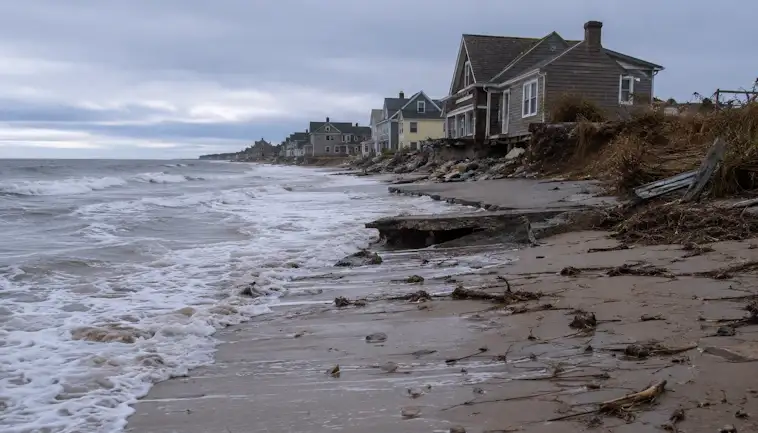
Rising sea levels are becoming a daily reality for millions of people living along the world’s coastlines. From flooded streets to disappearing beaches, the effects are growing more visible every year. As oceans continue to warm and expand, coastal communities face mounting pressure from stronger storms, higher tides, and ongoing erosion.
For many homeowners, the threat goes beyond property damage. Entire neighborhoods are now dealing with repeated flooding that disrupts daily life and drives up insurance costs. In some areas, families are being forced to consider relocation as shorelines slowly move inland. Meanwhile, local governments are struggling to balance protection efforts with rising infrastructure expenses.
Historic communities are especially vulnerable. Many coastal towns were built centuries ago, long before modern flood defenses existed. Today, treasured landmarks, cultural sites, and historic homes are increasingly exposed to saltwater damage and storm surges. As a result, communities risk losing not only buildings but also pieces of their identity and heritage.
Coastal Erosion Is Accelerating Faster Than Expected
In many regions, erosion is eating away at coastlines at an alarming pace. Beaches that once acted as natural barriers are shrinking year after year. Consequently, homes and businesses are left more exposed to the full force of incoming storms.
Scientists warn that climate change is intensifying the problem. Higher sea levels allow waves to reach farther inland, while more frequent extreme weather events speed up land loss. Even communities that rarely experienced flooding in the past are now seeing regular tidal flooding during certain times of the year.
Historic Landmarks Face an Uncertain Future
Across the globe, historic districts near the water are under increasing threat. Old churches, harbors, lighthouses, and centuries-old homes are particularly at risk because many were not designed to withstand modern climate pressures.
Preservation groups are working to protect these sites through restoration projects and flood defenses. However, the cost can be enormous. In some cases, experts are debating whether certain locations can realistically be saved in the long term. Still, many communities remain determined to preserve their history for future generations.
Although the challenge is serious, innovative solutions are beginning to emerge. Cities are investing in seawalls, wetland restoration, and smarter urban planning to reduce future damage. At the same time, researchers continue to explore sustainable ways to protect vulnerable coastlines while adapting to a changing climate.
Rising Sea Levels Push Small Towns Toward Collapse
For many coastal towns, climate change is becoming part of daily life. Streets now flood more often. Homes sit closer to rising tides. Meanwhile, local businesses struggle as insurance costs climb higher every year.
Smaller communities face the greatest risk. Unlike major cities, many small towns do not have the money or infrastructure needed to fight back against rising seas. As a result, some places are slowly losing residents, jobs, and long-term economic stability.
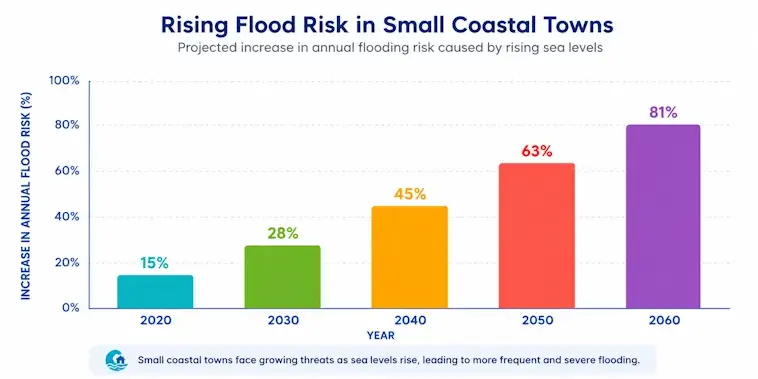
Scientists warn that sea levels could continue rising throughout this century. Even small increases can create major problems. Roads crack under constant flooding. Drinking water becomes contaminated with saltwater. In addition, storms grow more destructive when higher seas push waves farther inland.
Coastal Communities Face Growing Economic Pressure
The financial impact is becoming impossible to ignore. Property values in flood-prone areas are starting to fall. At the same time, rebuilding costs continue to rise after every major storm.
For many families, leaving is no longer a choice based on lifestyle. Instead, it is becoming a matter of survival. Younger residents often move away first, searching for safer places and better job opportunities. Consequently, aging populations remain behind in towns with shrinking tax bases and fewer public services.
Local governments are also under pressure. Many towns cannot afford large seawalls or complex drainage systems. While some communities attempt short-term fixes, experts say these measures may only delay larger problems.
Some Towns Could Disappear Within Decades
In the most vulnerable regions, leaders are already discussing managed retreat plans. This means relocating homes, businesses, and public buildings away from high-risk areas before repeated flooding makes those places unlivable.
Although these conversations are difficult, they are becoming more common. Entire communities could eventually disappear from maps if sea levels continue rising at current rates.
Still, many towns are fighting to adapt. Some are restoring wetlands to absorb storm surges. Others are redesigning infrastructure to handle frequent flooding. These efforts may help slow the damage. However, time is becoming a critical factor.
The coming decades will likely determine whether many small coastal towns survive or collapse under the pressure of a changing climate.
Encroaching Tides Leave Coastal Residents Facing Uncertain Futures
Coastal communities are watching the shoreline change before their eyes. Rising sea levels, stronger storms, and constant flooding are no longer distant threats. Instead, they are becoming part of daily life for millions of people.
For many residents, the ocean has always provided comfort, jobs, and a strong sense of identity. However, that connection is now mixed with growing fear and uncertainty. Streets that once stayed dry now flood during high tides. Homes face repeated damage. Meanwhile, insurance costs continue to climb.
As climate patterns shift, many families are asking difficult questions. Can they afford to stay? Will their communities survive another decade? And perhaps most importantly, who will help them adapt?
Although governments and environmental groups are investing in coastal protection projects, progress often feels slow. At the same time, residents are already dealing with the emotional and financial strain caused by constant change.
Communities Struggle to Adapt to Rising Waters
In many coastal towns, adaptation efforts are becoming more urgent each year. Sea walls are being raised. Drainage systems are being redesigned. Some neighborhoods are even discussing managed retreat plans.
Still, these solutions are expensive and often controversial. While some residents support relocation programs, others refuse to leave homes that have belonged to their families for generations.
The Growing Challenges Facing Coastal Families
Beyond physical damage, rising tides are creating several long-term problems for local communities, including:
- Frequent flooding during storms and high tides
- Declining property values in vulnerable areas
- Rising insurance premiums and repair costs
- Damage to roads, schools, and public services
- Increased stress and mental health concerns
- Loss of local businesses and tourism revenue
- Greater pressure on emergency response systems
Despite these challenges, many coastal residents remain determined to protect their communities. Neighbors continue working together, sharing resources, and pushing leaders to act faster.
Looking ahead, experts warn that coastal adaptation will require stronger infrastructure, smarter urban planning, and global cooperation. Yet for the families already living on the front lines of climate change, the future remains deeply uncertain.
Flooded Streets and Eroding Shores Reshape Coastal Life
Life along the coast is changing faster than many people expected. In towns once known for calm beaches and busy waterfronts, rising seas and stronger storms are now part of everyday life. Streets that rarely flooded in the past are filling with water more often. Meanwhile, shorelines are shrinking year after year.
For many families, these changes are no longer distant warnings. They are real problems affecting homes, businesses, roads, and local economies. In some areas, people are spending thousands on flood repairs. Others are being forced to move away from places they have lived for generations.
At the same time, coastal communities are trying to adapt. Cities are building sea walls, improving drainage systems, and restoring wetlands to slow erosion. However, these solutions take time and money. As sea levels continue to rise, many experts believe the pressure on coastal towns will only increase.
Coastal Communities Face More Frequent Flooding
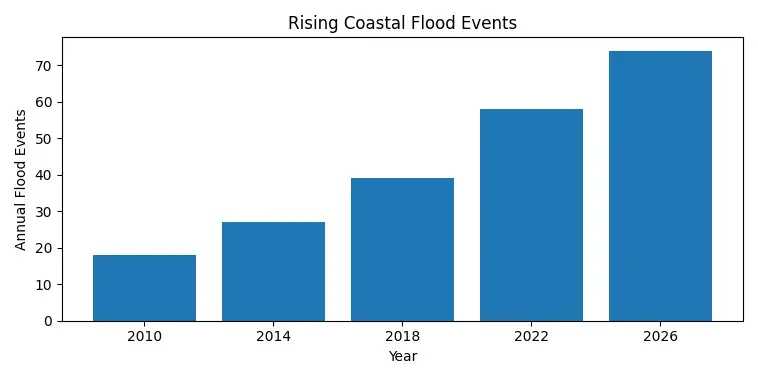
Flooding is becoming more common in coastal cities around the world. Even small storms can now cause major disruptions. Roads close more often, public transport is delayed, and local businesses lose valuable income during flood events.
In places where tourism drives the economy, repeated flooding also damages visitor confidence. Travelers may avoid destinations that regularly experience severe weather or beach erosion. As a result, local jobs and small businesses can suffer.
Still, many communities are finding creative ways to respond. Some neighborhoods are redesigning streets to better handle stormwater. Others are raising homes and investing in flood-resistant construction materials.
Rising Costs Put Pressure on Families and Local Governments
The financial impact of coastal flooding continues to grow. Insurance costs are rising in many regions. In some areas, coverage is becoming difficult to obtain at all. Homeowners are also facing expensive repairs after repeated flood damage.
Local governments are under pressure too. Repairing roads, sea defenses, and public infrastructure requires major investment. Smaller coastal towns often struggle to fund these large-scale projects without outside support.
Even so, experts say early action can make a big difference. Communities that invest in flood protection today may reduce long-term damage and protect local economies in the future.
Vanishing Coastal Towns Struggle Against Relentless Ocean Growth
For generations, coastal towns have been places filled with life, history, and strong local traditions. Families built homes near the water. Fishing boats lined busy harbors. Tourists arrived each summer to enjoy sandy beaches and fresh ocean air. However, many of these communities are now facing a growing crisis.
The ocean is moving closer every year.
Rising sea levels, stronger storms, and constant erosion are slowly changing coastlines around the world. Streets that once stayed dry now flood during high tides. Homes are being abandoned. In some places, entire neighborhoods are disappearing beneath the waves.
As climate change accelerates, many coastal towns are struggling to survive. Local leaders are spending millions on sea walls, flood barriers, and emergency repairs. Yet, for smaller communities, these solutions often come too late or cost too much.
At the same time, residents are being forced to make difficult choices. Some refuse to leave homes that have been in their families for decades. Others are relocating inland to escape repeated flooding and storm damage. As a result, the emotional and financial toll continues to grow.
Why Rising Sea Levels Are Threatening Coastal Communities
Scientists warn that global sea levels could continue rising throughout this century. Warmer temperatures are melting glaciers and polar ice sheets at an alarming rate. In addition, warmer oceans expand, which pushes water levels even higher.
This creates serious problems for low-lying towns and cities. Even small increases in sea level can make storm surges far more destructive. Roads crack apart. Beaches shrink. Saltwater damages farmland and drinking water supplies.
Moreover, stronger hurricanes and coastal storms are adding even more pressure. Many communities now face flooding several times a year, even during normal weather conditions.
Coastal Residents Face an Uncertain Future
Despite these challenges, many people are determined to protect their communities. Volunteers are rebuilding dunes, planting coastal vegetation, and supporting climate adaptation projects. Meanwhile, scientists and engineers continue searching for long-term solutions that could help slow future damage.
Still, experts say some towns may eventually become impossible to defend. In the coming decades, managed retreats and large-scale relocation efforts could become more common across vulnerable coastlines.
For many residents, the fight is no longer just about saving property. It is about protecting memories, culture, and a way of life that has existed for generations.
Conclusion: Encroaching Tides Leave Coastal Communities Facing an Uncertain Future
As encroaching tides continue to reshape coastlines around the world, many coastal towns are being pushed closer to the edge. Rising sea levels, stronger storms, and constant flooding are no longer distant warnings. They are daily realities for families watching roads disappear, homes crumble, and entire communities slowly vanish beneath the water.
Yet even in the face of uncertainty, these towns are fighting to adapt. From stronger flood defenses to climate action and community planning, people are searching for ways to protect both their homes and their heritage. Still, experts warn that without urgent global efforts, encroaching tides will continue to threaten millions living along vulnerable coastlines in the years ahead.
The story of these disappearing towns is more than an environmental issue. It is a warning about the future of coastal living worldwide. Understanding the impact of encroaching tides today could help communities prepare for the challenges that tomorrow may bring.