
Marine Sanctuaries Protect Species Fighting to Survive Today
Marine Sanctuaries Give Vulnerable Ocean Species a Chance to Survive
Marine sanctuaries play a vital role in protecting species that are struggling to survive in rapidly changing oceans. From coral reefs under pressure to endangered sea turtles and declining whale populations, these protected areas create safe habitats where marine life can recover and thrive. As pollution, overfishing, and rising sea temperatures continue to threaten ocean ecosystems, stronger conservation efforts have become more urgent than ever.
Around the world, governments, scientists, and conservation groups are working to expand protected ocean zones to help restore balance beneath the waves. Healthy marine ecosystems support biodiversity, strengthen coastal communities, and even help fight climate change by storing carbon naturally. Protecting these fragile environments is no longer only about saving wildlife. It is also about securing the future of the planet for generations to come.
What You’ll Discover
Marine Sanctuaries Give Endangered Species a Fighting Chance
The Biggest Threats Facing Ocean Wildlife Today
Why Marine Sanctuaries Matter More Than Ever
Success Stories From Protected Waters Around the World
What Stronger Ocean Protection Means for Future Generations
Conclusion: Why Marine Sanctuaries Matter More Than Ever
Marine Sanctuaries Give Endangered Species a Fighting Chance
Across the world, marine life is under pressure. Rising ocean temperatures, pollution, overfishing, and habitat destruction are pushing many species closer to extinction. However, marine sanctuaries are helping to change that story.
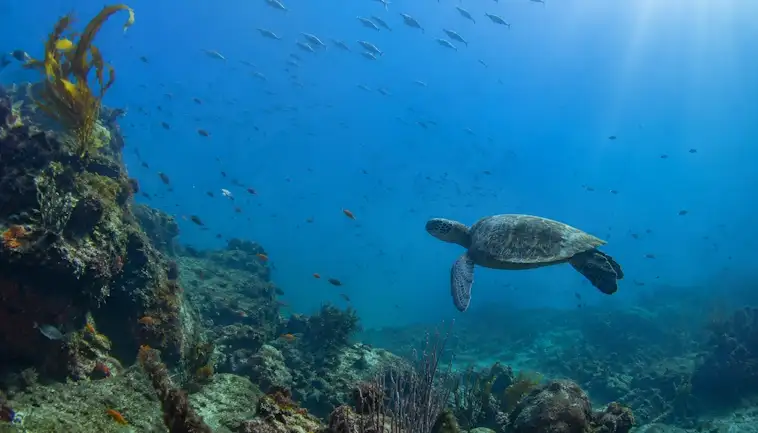
These protected ocean areas create safe spaces where wildlife can recover and thrive. As a result, endangered species such as sea turtles, whales, sharks, and coral reefs have a better chance of survival. In many cases, populations begin to grow once harmful human activity is reduced.
Marine sanctuaries also protect the delicate ecosystems that support ocean life. Healthy coral reefs, seagrass beds, and mangroves provide food, shelter, and breeding grounds for countless species. Without these habitats, marine animals struggle to survive.
Why Protected Oceans Matter More Than Ever
Scientists continue to warn that biodiversity loss in the oceans is speeding up. Therefore, stronger conservation efforts are becoming essential. Marine sanctuaries act as a buffer against many of the threats caused by climate change and industrial activity.
Some key benefits include:
- Reduced overfishing and bycatch
- Safer breeding and migration areas
- Stronger and healthier coral reef systems
- Better protection for rare and endangered species
- Increased biodiversity across marine ecosystems
In addition, protected waters often lead to healthier fish populations outside sanctuary boundaries. This can support local fishing communities over the long term while still protecting wildlife.
Small Conservation Efforts Can Create Big Results
Even smaller sanctuaries can have a major impact when they are properly managed. For example, protected sea turtle nesting beaches have helped increase hatchling survival rates in several parts of the world. Likewise, whale populations in some marine reserves have slowly started to recover after decades of decline.
Importantly, marine sanctuaries also give researchers valuable opportunities to study ocean ecosystems in a more natural state. This helps scientists better understand how marine life adapts to environmental changes.
Looking ahead, expanding marine protected areas could play a major role in restoring ocean health. While challenges remain, these sanctuaries offer hope at a time when many species urgently need protection.
The Biggest Threats Facing Ocean Wildlife Today
Our oceans are full of life. From tiny plankton to giant whales, marine ecosystems support millions of species and help keep the planet healthy. However, ocean wildlife now faces growing dangers from human activity. As a result, many species are struggling to survive.
Over the last few decades, the health of the oceans has declined at an alarming rate. Pollution is spreading faster, water temperatures are rising, and natural habitats are disappearing. At the same time, overfishing continues to push many marine populations to the edge. Because of this, scientists warn that urgent action is needed to protect ocean life before more damage is done.
The good news is that awareness is growing. More people are starting to understand how everyday choices affect the oceans. Even small actions can make a difference when millions of people work together.
Plastic Pollution Is Choking Marine Life
Plastic pollution remains one of the biggest threats facing ocean animals today. Every year, millions of tons of plastic waste enter the sea. Much of it comes from single-use products like bottles, bags, and food packaging.
Sea turtles often mistake plastic bags for jellyfish. Birds and fish also swallow tiny plastic particles without knowing it. Sadly, this can lead to starvation, injury, or death. In addition, plastics break down into microplastics, which are now found throughout the food chain.
Why Microplastics Are Becoming a Global Concern
Microplastics are extremely small plastic fragments that are difficult to remove from the environment. They have been discovered in deep ocean trenches, Arctic ice, seafood, and even drinking water.
Researchers are still studying their long-term effects. However, there are growing concerns about how these particles impact both marine ecosystems and human health. As pollution levels rise, the problem could become even more serious in the future.
Because of this, many countries are now introducing bans on certain plastic products and investing in cleaner alternatives. While progress may seem slow, these changes are important steps toward healthier oceans.
Why Marine Sanctuaries Matter More Than Ever
Our oceans are under more pressure than ever before. Climate change, plastic pollution, overfishing, and habitat destruction are all taking a serious toll on marine life. As a result, many species are struggling to survive, and delicate ecosystems are beginning to break down.
That is why marine sanctuaries matter so much today.
These protected areas give ocean life a chance to recover and thrive. They also help preserve coral reefs, underwater forests, and breeding grounds that support thousands of marine species. In many ways, marine sanctuaries act like safe zones for the sea.
At the same time, they also protect the future of coastal communities. Healthy oceans support fishing industries, tourism, and local economies. Without stronger protection, many of these communities could face growing challenges in the years ahead.
How Marine Sanctuaries Protect Ocean Ecosystems
Marine sanctuaries help create balance in the ocean. When human activity is limited in key areas, marine life often rebounds faster than expected. Fish populations grow, coral reefs recover, and biodiversity increases.
Some of the biggest benefits include:
- Protecting endangered marine species
- Restoring damaged coral reefs
- Supporting healthier fish populations
- Reducing the impact of overfishing
- Preserving important migration routes
- Helping ecosystems adapt to climate change
In addition, marine sanctuaries often become important research areas. Scientists can study these protected environments to better understand how oceans respond to environmental changes.
The Growing Need for Global Ocean Protection
Around the world, governments and conservation groups are working to expand marine protected areas. However, experts say much more needs to be done.
Currently, only a small percentage of the world’s oceans are fully protected. Meanwhile, rising ocean temperatures and pollution continue to threaten marine habitats at an alarming pace.
Because of this, stronger conservation efforts are becoming increasingly urgent. Many environmental leaders now believe that protecting at least 30% of the oceans by 2030 could help slow biodiversity loss and improve ocean resilience.
For everyday people, supporting marine sanctuaries can start with small actions, such as:
- Reducing single-use plastic
- Choosing sustainable seafood
- Supporting ocean conservation groups
- Learning more about marine ecosystems
- Encouraging responsible tourism
Ultimately, marine sanctuaries are not just about saving wildlife. They are about protecting the health of our planet for future generations. The choices we make today will shape the future of our oceans for decades to come.
Success Stories From Protected Waters Around the World
Around the world, protected marine areas are proving that conservation works. When oceans are given time and space to recover, nature responds in remarkable ways. Fish populations grow, coral reefs begin to heal, and local communities often benefit too. These success stories show that protecting marine ecosystems is not just about saving wildlife. It is also about creating healthier oceans for future generations.
Over the last few decades, many countries have introduced marine protected areas, often called MPAs. These zones limit harmful activities such as overfishing, drilling, and destructive tourism. As a result, marine life has started to return in places once pushed to the brink. Even better, many of these projects have also supported local jobs through eco-tourism and sustainable fishing.
The Great Barrier Reef Marine Park Shows the Power of Long-Term Protection
One of the best-known examples is the Great Barrier Reef in Australia. Although the reef still faces serious threats from climate change, protected sections of the marine park have shown stronger recovery than unprotected areas. In particular, fish numbers have increased, and some coral habitats have become more resilient over time.
Importantly, the park uses a zoning system. This means different areas have different levels of protection. Some sections allow tourism and fishing, while others are completely protected. Because of this balanced approach, the reef supports both conservation and local businesses.
Local Communities and Tourism Have Benefited Too
Protected waters often create economic opportunities as well. In Australia, reef tourism supports thousands of jobs and attracts visitors from across the globe. Healthy marine ecosystems also help coastal communities by supporting sustainable fishing and protecting shorelines from erosion.
Similar results can be seen in places like the Apo Island Marine Reserve in the Philippines and the Cabo Pulmo National Park in Mexico. In both areas, fish populations rebounded dramatically after protection measures were introduced. Today, these regions are often highlighted as global examples of successful marine conservation.
These stories offer hope at a time when ocean health is under pressure worldwide. While challenges remain, they also prove that carefully managed protected waters can make a real difference. With stronger global action and continued local support, more marine ecosystems could recover in the years ahead.
What Stronger Ocean Protection Means for Future Generations
The ocean shapes life on Earth in more ways than most people realize. It produces much of the oxygen we breathe, supports millions of jobs, and helps regulate the planet’s climate. However, rising pollution, overfishing, and climate change are putting enormous pressure on marine ecosystems.
That is why stronger ocean protection matters now more than ever. While the benefits may not appear overnight, the choices made today will directly affect the world future generations inherit tomorrow.
Healthier Oceans Create a Healthier Planet
When oceans are protected, marine life has the chance to recover and thrive. As a result, ecosystems become more stable and resilient. Coral reefs can rebuild, fish populations can grow, and coastal habitats can better protect communities from storms and flooding.
Moreover, healthier oceans help absorb carbon emissions. This plays an important role in slowing climate change and protecting biodiversity around the world.
Why Future Generations Will Benefit
Future generations will depend on the ocean just as much as people do today. Stronger protections can help ensure they inherit cleaner waters, safer coastlines, and sustainable food sources.
Key long-term benefits include:
- Cleaner beaches and reduced plastic pollution
- More sustainable seafood supplies
- Better protection against coastal erosion
- Stronger marine biodiversity
- Improved global climate stability
- New opportunities for green jobs and eco-tourism
At the same time, ocean protection also encourages innovation. Countries and businesses are investing in cleaner technologies, renewable energy, and sustainable fishing methods. Consequently, younger generations may benefit from stronger economies built around environmental responsibility.
Protecting the ocean is not only about saving marine life. It is about protecting human health, food security, and the future of communities worldwide. Every step taken today can help create a more balanced and sustainable future for generations to come.
Conclusion: Why Marine Sanctuaries Matter More Than Ever
Marine sanctuaries are more than protected areas on a map. They are safe havens for species struggling to survive in rapidly changing oceans. From coral reefs to endangered whales, these protected waters give marine life a chance to recover, reproduce, and thrive.
At the same time, marine sanctuaries also support healthier ecosystems, stronger coastal communities, and a more sustainable future for the planet. As pollution, climate change, and overfishing continue to threaten ocean life, the need for stronger conservation efforts has never been clearer.
Every new marine sanctuary is a step toward protecting biodiversity for future generations. By supporting ocean conservation today, we can help ensure that vulnerable species are not lost tomorrow. The future of our oceans depends on the choices we make now, and marine sanctuaries remain one of the most effective tools we have to protect life beneath the waves.