Impact of Climate Change on Extreme Weather
Impact of Climate Change on Extreme Weather
Climate change is really shaking up our weather, making it wilder and more unpredictable. From stronger hurricanes sweeping across our oceans to intense heatwaves blanketing our cities, the signs are everywhere. Even the downpours have gotten heavier, and in some places, the dry spells stretch longer than ever before. Join us as we take a look at how rising temperatures are ramping up these weather extremes. All of us need to understand what’s happening and why, so we can think about the best ways to adapt and respond.
What You’ll Discover
The Link Between Global Warming and Extreme Weather
The Science of Storms: How Warmer Oceans Fuel Hurricanes
Heatwaves: A Scorching Trend on the Rise
Rising Waters: Connecting Climate Change to Increased Flooding
The Drought Dilemma: Drier Conditions and Their Global Impact
Wildfires and Warming: A Fiery Feedback Loop
Climate Change and Tornado Activity: Is There a Connection?
Policy Responses and Global Action Against Extreme Weather
The Link Between Global Warming and Extreme Weather
Global warming is a crucial topic when we talk about changes in our weather. At its core, global warming refers to the rise in Earth’s average surface temperature. This happens because of increased levels of greenhouse gases like carbon dioxide in the atmosphere. These gases trap heat from the sun, which warms our planet.
Now, let’s connect this to extreme weather events. The main thing to remember is that warming increases the energy in our climate system. Think of the atmosphere like a giant engine; more heat means more energy. This extra energy can supercharge the weather, making it more intense and frequent.
For instance, take hurricanes. These massive storms feed on warm ocean water. As the planet warms, ocean temperatures rise, providing more fuel for hurricanes. This not only helps them to form but can also make them stronger and last longer.
Then there are heatwaves, which are becoming more common and severe as global temperatures climb. A warmer baseline temperature means that spikes in heat can push temperatures to more extreme levels. This can have serious effects on our health, agriculture, and water supply.
Heavy rainfall is another area where we see the impact of global warming. Warmer air holds more moisture. So, when it rains, it pours. This can lead to severe flooding in many parts of the world, affecting millions of people.
As Earth continues to warm, the added energy in our climate system can lead to more frequent and severe weather events like hurricanes, heatwaves, and heavy rain. This chain of events shows just how interconnected our climate system is and underscores the importance of addressing global warming.
The Science of Storms: How Warmer Oceans Fuel Hurricanes
Let’s talk about how warmer ocean temperatures can lead to more powerful and frequent hurricanes. It’s like putting together pieces of a puzzle where each piece plays a crucial role.
First, think of hurricanes as giant engines that use warm ocean water as fuel. These storms form over warm ocean waters, typically where the temperature is at least 79°F. When the surface of the ocean is warm, it heats the air above it. This warm air then rises because warm air is lighter than cool air.
As this warm, moist air rises, it leaves a lower-pressure area below it. Air from surrounding areas with higher pressure moves into this lower-pressure area. This new air then warms up, rises, and the cycle continues. This movement of air into lower pressure areas and then upward creates the swirling winds that we recognise as a hurricane.
Now, here’s where the temperature comes back into play. When the sea surface temperatures are higher, the ocean water evaporates more. This means there’s more moisture in the air. Just like adding more gasoline to a fire makes it burn more intensely, adding more moisture to the atmosphere makes the hurricane more powerful. This extra moisture also fuels the storm, helping it to grow and last longer.
As global temperatures rise, sea surface temperatures increase too. This doesn’t just potentially increase the number of hurricanes but also their intensity. So, as our planet continues to warm, we can expect hurricanes to become more frequent and more powerful. This is a straightforward example of how a changing climate can directly affect the weather phenomena we experience.
Heatwaves: A Scorching Trend on the Rise
Heatwaves are periods of unusually hot weather that last for several days. They are becoming more common and severe worldwide as the planet warms up.
As global temperatures rise, the baseline temperature from which heatwaves start is already higher. So, when a heatwave hits, it pushes temperatures even higher than before. This trend is turning what would have been normal hot days into extreme events.
The health risks of heatwaves are serious. Extreme heat can lead to heatstroke, dehydration, and worsened chronic conditions like heart and lung disease. It’s particularly dangerous for the elderly, children, and those with pre-existing health conditions.
Beyond health, heatwaves affect ecosystems and agriculture. Plants and animals struggle to survive in extreme temperatures. For example, coral reefs can bleach and die off in warmer waters. On farms, crops can wilt and die under scorching temperatures, threatening food supply and farmers’ livelihoods.
Urban areas feel the heat too, literally. Cities can become “heat islands” because buildings and roads absorb and re-radiate heat more than natural landscapes like forests and lakes. This makes cities several degrees hotter than their surrounding areas, increasing energy use for cooling and adding to the local heat.
Why are heatwaves becoming more common? It ties back to the increase in global temperatures from burning fossil fuels and other human activities that release greenhouse gases. These gases trap heat in our atmosphere, gradually warming the planet.
And as the Earth continues to warm, we’re seeing more frequent and severe heatwaves. They pose significant risks to our health, disrupt ecosystems and agriculture, and intensify urban heat, making it clear why addressing climate change is so critical.
Rising Waters: Connecting Climate Change to Increased Flooding
Climate change is making flooding more common and severe, both along coastlines and inland.
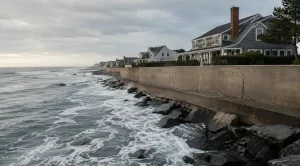
First, let’s talk about sea level rise. As the planet warms, glaciers and ice caps melt, adding more water to the oceans. Also, water expands as it heats up. Both these effects cause sea levels to rise. Higher sea levels mean that storm surges during hurricanes and typhoons can push further inland, leading to more severe coastal flooding.
Inland, things are changing too. Climate change is causing more intense and frequent rainfall in many areas. Warmer air holds more moisture, so when it rains, there’s more water coming down. This can quickly overwhelm rivers and lakes, leading to flooding. Even places not usually prone to heavy rain can suddenly find themselves dealing with unexpected floodwaters.
The melting of glaciers also contributes to inland flooding. Many rivers are fed by melting ice from glaciers. As glaciers melt more quickly due to rising temperatures, rivers can overflow their banks. This is a particular problem in mountainous regions where glaciers are a primary water source.
This increased flooding is not just a natural disaster issue but also a major concern for people living in affected areas. Flooding can damage homes, ruin crops, disrupt transportation, and even lead to waterborne diseases if water supplies get contaminated.
Climate change contributes to more frequent and severe flooding events both by raising sea levels and by increasing the amount and intensity of rainfall. These changes pose significant risks to communities worldwide, highlighting the importance of addressing climate change to mitigate these impacts.
The Drought Dilemma: Drier Conditions and Their Global Impact
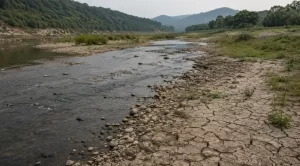
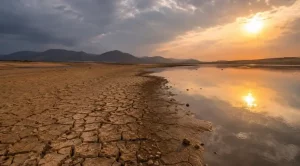
As our planet warms due to climate change, many regions are facing longer and more severe droughts.
So why are droughts becoming more common? It ties back to the rising temperatures. When it’s hotter, water evaporates faster from the soil and from bodies of water like lakes and rivers. Less rainfall in many areas also means the ground and water sources don’t get replenished as they once did. These two factors combine to create the perfect conditions for drought.
The impact of droughts is wide-reaching. Let’s start with water supply. As you might guess, prolonged droughts make it hard to maintain enough water for people’s needs. Cities and towns can face serious water shortages, leading to restrictions on water use like bans on watering lawns or washing cars.
Agriculture takes a big hit, too. Crops can fail when there’s not enough water, leading to losses for farmers and higher food prices. This can also mean less feed for livestock, which affects meat and dairy production.
Wildfires are another major concern. Dry conditions and dead vegetation provide the perfect fuel for fires. These can be devastating, destroying homes and habitats, and even taking lives.
Biodiversity also suffers during droughts. Plants and animals that rely on regular water sources can die off when those sources dry up. This can lead to long-term changes in local ecosystems, sometimes even causing species to go extinct if they can’t adapt or find new homes.
More prolonged and severe droughts are a significant consequence of climate change, impacting everything from our water supply to food prices, increasing the risk of wildfires, and threatening biodiversity. Addressing climate change is crucial to managing these challenges and protecting our future.
Wildfires and Warming: A Fiery Feedback Loop
Warmer temperatures and drier conditions are creating the perfect setup for more frequent and intense wildfires. Let’s break down why this is happening and the impact it has on our planet.
Firstly, warmer temperatures cause more evaporation. This means that moisture in plants and the soil dries up faster, leaving forests and grasslands dry and brittle—just like kindling waiting for a spark. When it’s dry like this, even a small ignition source, such as a lightning strike or a discarded cigarette, can start a big fire.
Drier conditions also play a big part. Many places aren’t getting as much rain as they used to, which compounds the problem of dryness. With less water available, the natural lushness that might help resist fires is simply not there. Instead, you have dry vegetation that burns easily and quickly.
Now, let’s talk about wildfires and their effect on the climate. When a wildfire burns, it releases a lot of carbon dioxide (CO₂) into the atmosphere. CO₂ is a greenhouse gas that traps heat and contributes to global warming. So, the more wildfires there are, the more CO₂ gets released. This leads to even warmer temperatures, which can cause more fires, creating a dangerous feedback loop.
This feedback loop is worrisome because it not only leads to more fires but also accelerates global warming. This can affect weather patterns and increase the severity of other natural disasters, adding to the challenges we face with climate change.
Warmer temperatures and drier conditions are making wildfires more likely and more severe. These fires then release more CO₂, which further warms the planet and perpetuates the cycle. Breaking this cycle is crucial, and it starts with addressing the root causes of climate change and improving how we manage our natural landscapes.
Climate Change and Tornado Activity: Is There a Connection?
Tornadoes are one of the most dramatic weather events we can experience, and scientists are working hard to understand how climate change might be affecting them. It’s a complex area of study, and there are still many questions about the relationship between tornadoes and global warming.
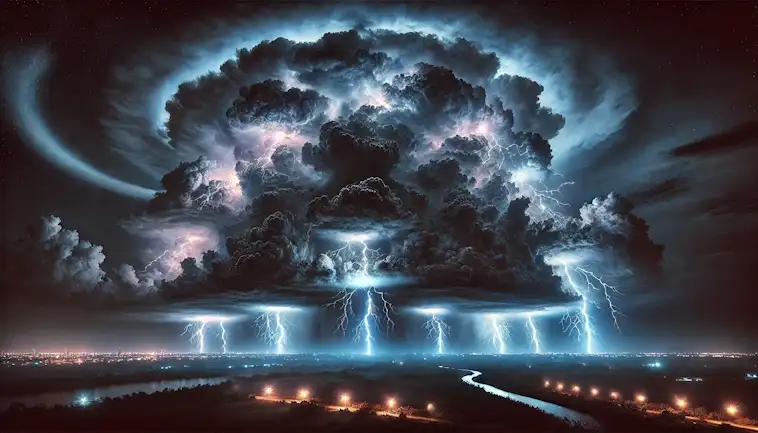
Tornadoes form during severe thunderstorms, often when there’s a mix of warm, moist air near the ground and cooler, drier air above. This setup creates instability in the atmosphere, which can lead to the swirling winds of a tornado.
Now, as the planet warms, the atmosphere holds more moisture, and temperatures are rising, particularly in regions that are already quite warm. This could potentially increase the number of severe thunderstorms in some areas, which might lead to more tornadoes. However, it’s not just about more storms; it’s also about where and when they occur. Some studies suggest that tornadoes could start appearing in larger numbers in regions where they were previously less common.
But here’s where it gets tricky. While the basic conditions for tornadoes might be impacted by climate change, predicting changes in their frequency, location, and intensity involves many variables. These variables can sometimes contradict each other, making it hard to draw clear conclusions.
For instance, factors such as land use, atmospheric conditions, and even the jet stream’s behaviour play significant roles in tornado formation. As the climate changes, so do these factors, but not always in predictable ways. This makes the science of tornadoes and climate change very dynamic and continually evolving.
Current research is actively exploring these changes. Scientists are using advanced models and historical data to better understand potential trends. It’s important to note that while we see some patterns, there is still a lot of ongoing investigation into how direct the connection between climate change and tornado activity really is.
The relationship between tornadoes and climate change is complex. It involves ongoing scientific research that tries to unravel how changes in our climate could alter where, when, and how intensely tornadoes strike. This area of study is crucial for improving our prediction capabilities and ultimately helping protect lives and property from these powerful storms.
Policy Responses and Global Action Against Extreme Weather
Extreme weather events are becoming more frequent and severe due to climate change, prompting action at international, national, and local levels.
International policies often focus on cooperation between countries. Since weather patterns and climate impacts cross borders, countries work together to share information, resources, and technology. For example, the Paris Agreement brings nations together to reduce greenhouse gas emissions and build resilience against climate change, including extreme weather.
National policies might include setting standards for infrastructure to ensure buildings and roads can withstand severe weather. Many countries also invest in renewable energy to reduce the carbon emissions that contribute to global warming. Additionally, national governments often fund research into climate change and develop action plans that include how to respond to disasters.
Local policies are crucial because they address the specific needs of communities directly impacted by extreme weather. This can involve zoning laws that prevent construction in high-risk areas like flood plains or regulations that require new homes to have features like storm shutters or raised foundations in hurricane-prone zones.
Adaptation strategies are plans and actions that help communities prepare for and respond to changes in climate that can lead to extreme weather. These strategies are vital for reducing the risk to human life and property. They can include creating green spaces in urban areas to reduce flood risk, improving water management systems to handle heavy rains, and diversifying crops to better withstand drought.
Early warning systems are another key piece of the puzzle. These systems use weather stations, satellites, and other technology to predict severe weather, giving people time to prepare and evacuate if necessary. This can dramatically reduce the impact of disasters.
Global cooperation is essential because climate change is a global issue that requires a coordinated response. By sharing data, resources, and strategies, countries can help each other prepare for and respond to extreme weather, reducing the overall impact.
Addressing the challenges of extreme weather through a combination of international cooperation, national policies, local actions, and effective adaptation strategies is critical to protecting our communities and ensuring a safer future.
Conclusion
Climate change is making extreme weather more common and severe, from scorching heatwaves to devastating hurricanes. As our planet warms, the stakes are high. We must act quickly and decisively.
International collaboration, along with national and local efforts, plays a crucial role in reducing risks and protecting communities. By investing in early warning systems and embracing smart adaptation strategies, we can safeguard our future.
Tackling climate change is not just about reducing emissions but also about enhancing our resilience against an increasingly unpredictable weather pattern.