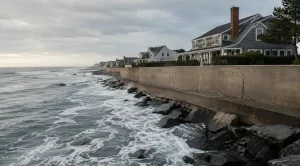
Coastal Cities at Risk: Sea Level Threats
Coastal Cities at Risk: Sea Level Threats
Rising sea levels are a looming threat for coastal cities worldwide. As the waters climb, these areas face increased flooding, storm surges, and unpredictable weather patterns. But it’s not all doom and gloom. Cities from Miami to Dhaka are gearing up with innovative defences and robust emergency plans to protect their landscapes and communities. Learn about the science behind this challenge, the cities most at risk, and the clever strategies they’re deploying to stay one step ahead. From engineering marvels to natural defences, find out how urban centres are preparing for a wetter future.
What You’ll Discover
Sea Level Rise and Coastal Impact
The Cities Most Vulnerable to Sea Level Rise
Infrastructure Solutions to Combat Rising Waters
The Role of Nature in Coastal Defence
Evacuation Plans and Disaster Preparedness
Policies to Support Coastal Adaptation
Involving Citizens in Urban Resilience Efforts
The Future of Coastal Cities in an Age of Rising Seas

Sea Level Rise and Coastal Impact
Rising sea levels are a pressing issue primarily caused by two major factors: the thermal expansion of seawater and the melting of polar ice caps and glaciers.
Firstly, thermal expansion occurs when water heats up and expands. As global temperatures rise due to increased greenhouse gases in the atmosphere, the oceans absorb much of this extra heat—about 90% of it. Warmer water takes up more space. This expansion contributes to rising sea levels.
Secondly, the melting of ice caps and glaciers adds to this problem. As the Earth’s temperature increases, ice at the poles and in glaciers melts more rapidly than before. This meltwater eventually flows into the oceans, further raising their levels. Both Greenland and Antarctica are major sources of this meltwater. When large chunks of ice break off, known as calving, they too contribute once they melt in the ocean.
These rising sea levels pose significant threats to coastal urban environments in several ways:
1. Flooding and Erosion: Higher sea levels mean that high tides and storm surges can go much further inland than they used to. This can cause severe flooding, especially in flat, low-lying areas. Additionally, as water encroaches, it can lead to erosion, damaging coastal infrastructure such as roads, bridges, and buildings.
2. Saltwater Intrusion: As sea levels rise, saltwater can intrude into freshwater systems. This not only harms aquatic ecosystems but also compromises drinking water supplies and agricultural soil, making them less productive or unusable.
3. Habitat Loss: The habitats of numerous species can be lost to rising waters. This includes mangroves and wetlands, which are crucial for bird species and also act as natural buffers that absorb storm surges and high waves.
Cities that are situated on coasts are particularly vulnerable. They have to plan and adapt to manage these risks, which might involve building sea walls, redesigning flood zones, and other protective measures. The economic and social implications are significant, affecting everything from real estate to insurance and public health. Addressing these challenges is critical as we continue to experience climate change-induced sea level rise.
The Cities Most Vulnerable to Sea Level Rise
Rising sea levels pose a serious threat to many coastal cities around the world. Cities like Miami, Venice, and Dhaka are particularly vulnerable due to their low elevation and high population densities.
Miami, located in Florida, is one of the most at-risk cities due to its flat topography and porous limestone foundation. This means that sea walls and barriers are less effective, as water can simply seep through the ground. Projections indicate that with just a slight rise in sea levels, significant portions of Miami could experience routine flooding, disrupting daily life and damaging property.
Venice in Italy is already experiencing the effects of rising sea levels with its frequent flooding events, famously known as “Acqua Alta” or high water. The city has been sinking while sea levels rise, causing flooding to become more common and severe. Efforts like the MOSE project, a system of barriers designed to protect Venice from flooding, are underway, but the city remains at risk as sea levels continue to climb.
Dhaka, the capital of Bangladesh, is not only threatened by rising sea levels but also by its geographic location on a delta. This makes it highly susceptible to flooding from rivers and storm surges. Predictions suggest that by 2050, rising sea levels could displace millions of people in Bangladesh, making Dhaka’s situation increasingly precarious.
These cities face increased risks of flooding, especially during storm surges which can push vast amounts of seawater inland. For example, Miami faces hurricanes that can bring significant surges, while Venice deals with elevated tides that can overwhelm the city. Dhaka faces cyclones that can cause devastating floods.
Addressing these threats requires innovative solutions. Miami is considering raising street levels and improving drainage systems. Venice continues to work on the MOSE project, while Dhaka is focusing on improving its embankment systems and stormwater management. As sea levels continue to rise, the resilience of these cities will be continually tested.
Infrastructure Solutions to Combat Rising Waters
Cities around the world are getting creative with engineering solutions to tackle the threat of rising sea levels.
In Miami, one key strategy has been the elevation of roads. This helps to keep major thoroughfares passable even during high tide and flooding events. Alongside this, Miami is also improving its drainage systems. These systems are being redesigned to handle larger volumes of water, helping to prevent the frequent flooding that can occur during storms.
Over in the Netherlands, a country well-versed in battling rising waters, sea walls and storm surge barriers are critical defences. The Dutch have a massive structure called the Oosterscheldekering, which is part of a larger system known as the Delta Works. This barrier can close off when storm surges are predicted, keeping the seawater at bay and protecting the land behind it.
Venice has taken an innovative approach with the MOSE project. This is a system of barriers designed to temporarily isolate the Venetian Lagoon from the Adriatic Sea during high tides. When a high tide is forecasted, the barriers rise up from the sea floor to hold back the water, preventing the frequent and damaging floods that the city experiences.
Singapore, another city at risk, is investing heavily in integrated solutions. They’re not just building sea walls but are also creating a network of barrages and reservoirs to control both sea and rainwater. This approach helps manage water levels more holistically.
All these efforts show how cities can use a mix of traditional and innovative engineering solutions to address the complex challenges posed by rising sea levels. Each city tailors its approach to fit its unique geographical and economic circumstances, but the common goal is clear: to safeguard communities and keep daily life running smoothly despite the encroaching seas.
The Role of Nature in Coastal Defence
Cities facing the threat of rising sea levels are increasingly turning to natural solutions, harnessing the power of the environment to protect themselves. This approach not only fights the effects of rising waters but also brings added environmental benefits.
In Vietnam, mangrove forests are a fantastic example. These dense forests grow along coastlines and are being restored and expanded to combat sea level rise. Mangroves are incredible because they can absorb storm surges and reduce the energy of incoming waves. Their roots trap sediments, which helps reduce erosion and build up the land. Plus, they serve as vital habitats for fish and birds, boosting local biodiversity.
On the U.S. Eastern Seaboard, another natural solution comes into play: oyster reefs. These reefs are made up of millions of oysters clustered together, and they perform a similar role to mangroves. The reefs break the force of waves before they can hit the shore, reducing erosion and protecting coastal areas. Oysters also clean the water by filtering out pollutants as they feed, which improves water quality and supports healthier marine ecosystems.
The benefits of using such green infrastructure are clear. They not only protect against the immediate impacts of sea level rise, such as flooding and erosion but also enhance the natural environment. These solutions are sustainable, often more cost-effective over the long term, and improve the quality of life for people and wildlife alike.
As cities look to the future, integrating green infrastructure like mangroves and oyster reefs into their coastal defence plans offers a way to live in harmony with nature while effectively combating the challenges posed by a changing climate. It’s about building resilience that grows naturally and stands the test of time.
Evacuation Plans and Disaster Preparedness
Coastal cities are stepping up their game to ensure they’re prepared for the challenges posed by severe weather events and rising sea levels. They’re doing this by focusing on a few key areas: updating evacuation routes, conducting disaster drills, and keeping citizens well-informed.
Evacuation routes are crucial. Cities are not only updating these routes but also making sure they’re clearly marked and well-known to residents. These paths must be accessible and lead to safe zones. In places like Miami and New York, local governments regularly review and adjust these routes to ensure they account for new construction and changes in landscape.
Disaster drills are another essential practice. By conducting regular drills, cities help ensure that both emergency personnel and residents know exactly what to do when a real disaster strikes. These drills can range from simulating hurricane impacts to practising responses to major flooding. The idea is to make the responses almost second nature, reducing panic and increasing efficiency when every second counts.
Communication is key to keeping citizens informed. Many coastal cities have systems in place to send out warnings via text, social media, and other platforms. For example, cities like San Francisco use alert systems that can send real-time updates to every resident’s phone, ensuring that people get the information they need quickly and clearly.
Local governments are also focusing on education. They hold community meetings, distribute flyers, and use local media to explain risks and prepared procedures. They often provide resources on how to build an emergency kit, what to include, and how to make a family emergency plan.
By focusing on these areas—clear and accessible evacuation routes, regular disaster drills, and effective communication—coastal cities are building a foundation of preparedness that can significantly mitigate the risks associated with severe weather events. This proactive approach helps ensure that when storms do hit, communities are ready, resilient, and able to recover more quickly.
Policies to Support Coastal Adaptation
To adapt to rising sea levels and increased flooding, coastal cities and nations have implemented a variety of policies and laws. These efforts focus on making communities safer and more resilient.
Zoning laws are a key part of these strategies. Many coastal areas have adjusted zoning regulations to prevent new construction in high-risk areas prone to flooding. This helps reduce potential damage and keeps new developments away from the most vulnerable coastlines.
Building codes have also been strengthened. New buildings in risky areas must now be built to withstand floods. This can include requirements like raising the base elevation of buildings, using flood-resistant materials, and designing foundations that can handle the force of moving water. For example, in places like New York City, post-Hurricane Sandy regulations have mandated that all new constructions in flood-prone areas be built above projected flood levels.
Internationally, agreements on climate change play a crucial role in coastal adaptation. The Paris Agreement, for instance, aims to limit global warming to well below 2°C above pre-industrial levels. By reducing the rate of global warming, these agreements help slow down sea level rise and decrease the frequency of extreme weather events. This global commitment is crucial because even the best local efforts can be overwhelmed without a reduction in the root causes of climate change.
Additionally, some countries have developed national adaptation plans that include specific measures for coastal protection. These plans often involve a combination of hard solutions like sea walls and soft solutions like restoring wetlands which can absorb flood waters.
Overall, through zoning laws, building codes, and international climate agreements, governments are working hard to ensure coastal communities can adapt to changes and remain safe as our global environment changes. These laws and policies are essential for protecting lives, economies, and ecosystems against the growing threat of sea level rise and severe weather events.
Involving Citizens in Urban Resilience Efforts
Community involvement is absolutely essential when it comes to resilience planning for coastal areas facing the threats of rising sea levels and severe weather. When local residents are actively involved, the strategies developed are not only more effective but also more accepted by those who will be most affected.
One great example of community involvement can be seen in New Orleans. After Hurricane Katrina, recovery and resilience planning involved intense community input. Neighbourhood meetings and workshops allowed residents to voice their concerns and contribute to planning efforts. This feedback directly shaped rebuilding strategies that focused on both infrastructure improvements and community needs, like better emergency response systems and community education on disaster preparedness.
In the UK, the “Pathfinder” projects demonstrate another approach. These projects encouraged coastal communities to participate in developing their own responses to coastal change. With government support, local groups were able to explore innovative ways to adapt, such as creating natural sea defences or redesigning public spaces to be more flood-resistant. Community members could directly influence the projects, ensuring that the solutions were well-suited to their specific needs and environments.
Public information campaigns are also critical in this process. For instance, in the Pacific Northwest of the United States, local governments have launched campaigns to educate the public about tsunami risks and preparedness. These campaigns include drills, maps of evacuation routes, and information sessions that help build a knowledgeable community that can respond effectively in a crisis.
These case studies show that when communities are involved in planning and decision-making, they not only understand the risks better but also take ownership of the solutions. This leads to greater resilience because the strategies are rooted in local knowledge and supported by those who will implement and rely on them during disasters. By working together, communities and governments can create safer, more resilient environments that are better equipped to handle the challenges of a changing climate.
The Future of Coastal Cities in an Age of Rising Seas
As sea levels continue to rise, coastal cities face significant future challenges but also some unique opportunities. Urban planning and technological innovations will need to keep evolving to meet these demands.
One of the major challenges is the increased risk of flooding. This can disrupt life, damage property, and even force people to relocate. Cities must plan for these events more frequently, which includes upgrading infrastructure like roads, bridges, and drainage systems to handle more water.
Another challenge is erosion. As sea levels rise, coastlines can wear away, threatening buildings and roads near the shore. Coastal cities will need to think creatively about how to protect these areas, possibly through natural solutions like planting mangrove trees or building artificial reefs.
Despite these challenges, there are also opportunities. For instance, technological innovations in building materials and construction methods can lead to structures that are more resistant to water damage. Smart city technologies, like sensors that monitor flood risks and automated systems to manage water flow, can make cities more adaptable and responsive to emergencies.
Urban planning is also seeing new trends. Cities are now considering “managed retreat” as a strategy. This means moving infrastructure and communities away from vulnerable areas. While challenging, this approach can lead to safer, more sustainable urban development.
Another opportunity lies in the realm of green infrastructure. Solutions like rooftop gardens, permeable pavements, and expanded wetlands not only help manage floodwater but also add green space and improve air quality.
As urban planners and engineers face the reality of rising sea levels, their strategies will likely continue to evolve. Emphasising flexible, adaptive planning and innovative, technology-driven solutions will be key to ensuring coastal cities remain vibrant and safe in the face of this enduring threat.
Conclusion
As sea levels continue to rise, the future for coastal cities looks challenging but manageable with the right strategies.
Urban planners and communities are coming together to strengthen defences through improved infrastructure, innovative technology, and natural solutions. From building flood-resistant buildings to restoring mangroves, each step is vital in making these cities safer and more resilient.
Adapting to this new reality is essential, and with ongoing commitment and collaboration, coastal cities can navigate these changes, protecting homes, economies, and ecosystems for generations to come.
The journey is tough, but with collective effort, it’s a challenge that can be met head-on.