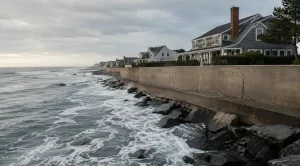
Braving the Storm: Surviving the Hurricanes
Braving the Storm: Surviving the Hurricanes
Hurricanes are powerful and can change lives in an instant. Knowing how to stay safe and prepare can make all the difference when a storm hits. We’re sharing tips on surviving a hurricane, from securing your home to keeping your family safe. Whether you’re a seasoned storm veteran or facing your first hurricane, these insights are crucial. You’ll learn about the importance of an emergency kit, the best ways to stay informed, and strategies for recovery after the storm passes. Let’s get ready together and ensure you’re prepared for whatever the weather brings.
What You’ll Discover
Understanding Hurricane Alerts: Know Your Signals
Preparation Checklist: Essentials for Hurricane Safety
Securing Your Home: Protective Measures to Take
Evacuation Strategies: When to Leave and Where to Go
Staying Informed: Best Sources for Updates During a Hurricane
Coping with Power Outages: Tips to Manage Without Electricity
After the Storm: Safety Checks and Recovery Steps
Mental Health and Support: Coping with the Aftermath
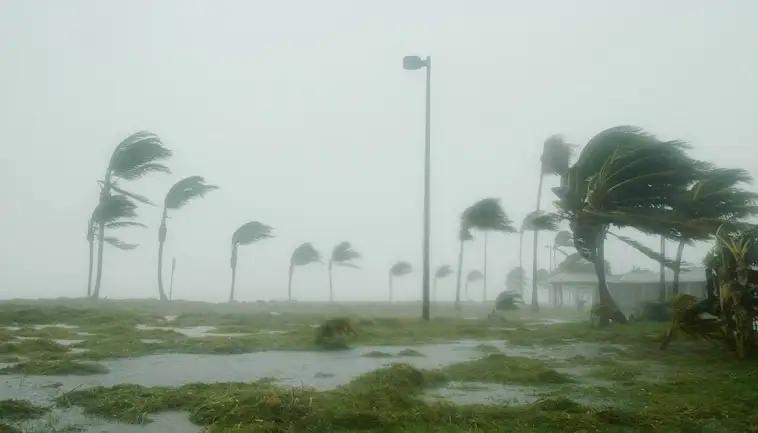
Understanding Hurricane Alerts: Know Your Signals
When it comes to hurricanes, meteorological agencies issue several types of alerts to help people understand the risks and prepare accordingly. Each type of alert—hurricane watches, warnings, and emergency alerts—has a specific meaning and suggests different actions.
Hurricane Watch: This is your heads-up alert. A hurricane watch means that hurricane conditions (such as winds of 74 miles per hour or higher) are possible within your area. Typically, this alert is issued 48 hours before the anticipated first occurrence of tropical storm-force winds. The watch doesn’t mean it’s certain; it means conditions are favourable for a hurricane to hit. When you hear a hurricane watch is issued for your area, start preparing. This is the time to review your evacuation plan, gather your emergency supplies, and stay tuned for updates. It’s all about being ready to act if it escalates.
Hurricane Warning: This means it’s time to hunker down or evacuate. A hurricane warning is more serious and is issued when hurricane conditions are expected in your area. Warnings are typically issued 36 hours before tropical storm-force winds are expected to start, giving people time to complete preparations and, if advised, to evacuate. This is when you finalise your preparations quickly, secure your home, and if directed by local officials, leave the area for safety. The risks are much higher, and the impact is anticipated to be direct and severe.
Hurricane Emergency Alert: This alert is issued in situations where there is an extreme threat to life and property from a hurricane. It’s usually a sign that something exceptionally dangerous is happening or about to happen, like the imminent landfall of a severe hurricane. This alert calls for immediate action: find safe shelter right away, follow emergency instructions, and avoid all travel. It means the situation is critical, and immediate steps are crucial to your safety.
Understanding these alerts and the actions associated with them can be a lifesaver. Always keep a battery-powered radio or an app handy to receive timely updates. By knowing what each alert means, you can make smart, quick decisions that keep you and your loved ones safe.
Preparation Checklist: Essentials for Hurricane Safety
Preparing for a hurricane is crucial to ensure your safety and minimise damage. Here’s a comprehensive checklist to help you get ready before a storm hits.
Emergency Supplies
- Water and Food: Stock up on bottled water and non-perishable food items enough for at least three days per person. Think canned goods, dry snacks, and other items that don’t need refrigeration.
- Medical Supplies: Have a first-aid kit ready with essentials like bandages, antiseptics, a supply of prescription medications, and over-the-counter remedies for pain, fever, and stomach upset.
- Power Sources: Ensure you have flashlights, extra batteries, and a portable, battery-powered radio to stay updated. Consider a backup charger for your cellphone.
Home Safety
- Check Windows and Doors: Install storm shutters to protect windows and glass doors. Alternatively, board up windows with plywood.
- Clear the Yard: Secure or store any outdoor furniture, decorations, or anything that high winds could turn into a projectile.
- Inspect and Clean Gutters: Make sure your home’s drainage systems are clear and functioning to deal with heavy rains.
Important Documents and Cash
- Secure Documents: Keep important documents like insurance policies, identification, and bank account records in a waterproof container. Have copies available digitally if possible.
- Cash on Hand: ATMs and credit card machines may not work if the power is out, so it’s wise to have some extra cash.
Plan and Inform
- Evacuation Plan: Know your local evacuation routes and have a plan in place in case you need to leave your home. Keep your car’s gas tank full if you might need to evacuate quickly.
- Communicate: Make sure everyone in your household knows the plan. Inform close contacts of where you might be during the hurricane, and establish a meeting point or a way to check in.
Pet Care
- Pet Supplies: Don’t forget about your pets. Ensure you have enough pet food, water, and any medications they might need.
Taking these steps can greatly reduce the stress and danger that comes with hurricanes. Start preparations early, as supplies can run low and stores can become very busy as a storm approaches. Your readiness can make all the difference.
Securing Your Home: Protective Measures to Take
When a hurricane is on the horizon, taking steps to protect your home can significantly reduce the risk of damage. Here’s how to physically prepare your home against the fierce winds and heavy rains of a hurricane.
Boarding Up Windows
- Use Plywood: Cut plywood to fit the size of your windows and doors. This can shield the glass from flying debris. Make sure the plywood is at least 5/8-inch thick for better protection.
- Install Hurricane Shutters: If you live in a hurricane-prone area, consider installing permanent hurricane shutters. These can be rolled down or closed when a storm is approaching.
Securing Loose Items
- Outdoor Safety: Walk around your yard and secure anything that could fly away in strong winds. Tie down or bring inside things like patio furniture, planters, and bicycles.
- Garage Doors: Reinforce your garage doors. If these doors fail, wind can enter your home and potentially blow out doors, windows, or even your roof.
Roof, Doors, and Seals
- Check Your Roof: Make sure your roof tiles or shingles are secure. Apply roofing cement under any loose shingles to keep them from blowing away.
- Seal Gaps: Use caulk to seal any gaps around windows and doors to prevent water from seeping in.
- Strengthen Doors: If possible, install head and foot bolts on doors, especially double doors, to give them extra strength against fierce winds.
Gutters and Drainage
- Clean Gutters: Remove leaves and debris from your gutters and downspouts. This helps ensure water can flow away from your home, reducing the risk of flooding and water damage.
Flood Barriers
- Sandbags: Use sandbags to block any areas where water might enter your home. This is especially important if you live in a flood-prone area.
Taking these precautions can make a big difference in protecting your home from a hurricane’s destructive power. It’s all about minimising risks and securing your home as much as possible before the storm hits. Stay safe and prepare early!
Evacuation Strategies: When to Leave and Where to Go
Having an evacuation plan is essential, especially if you live in a hurricane-prone area. Knowing when to evacuate and where to go can save lives, making it critical to prepare ahead of time.
Deciding When to Evacuate
- Stay Informed: Keep a close watch on weather updates and local news. Alerts from local authorities will often advise if and when you need to evacuate.
- Understand the Warnings: If you hear an evacuation order, don’t hesitate. These orders are issued based on the hurricane’s path and intensity, and waiting too long could make leaving risky or impossible.
Identifying Evacuation Routes and Shelters
- Know Your Routes: Check your local government or emergency management website for mapped evacuation routes. Familiarise yourself with these routes before a hurricane approaches.
- Find Shelters: Know the locations of nearby shelters. Not all shelters might be open during every hurricane, so it’s important to check which are available during a specific event. Remember, some shelters accept pets, but not all do, so plan accordingly.
Safety Precautions
- Leave Early: Evacuating early helps avoid being caught in bad weather or heavy traffic. This is particularly crucial for those in high-risk areas like coastal zones.
- Pack Essentials: Bring essential items like medications, important documents, clothing, food, water, and chargers. Pack light but smart, including items necessary for at least a few days away from home.
Logistics of Evacuating
- Plan for Special Needs: If anyone in your family has special medical needs, make sure to plan for their specific requirements, like medications, power for medical devices, or accessible transportation.
- Communicate: Let someone outside the evacuation area know where you’re going and when you expect to arrive. Keep your phone charged and bring a charger that can be used in a car.
Practice Makes Perfect
- Run Drills: Practicing your evacuation plan makes the actual event less stressful. It helps everyone know what to do and where to go, smoothing out any confusion when you really need to move quickly.
Remember, the key to a successful evacuation is planning and quick action. Don’t wait until it’s too late to make decisions. Preparing now can ensure your safety when every moment counts.
Staying Informed: Best Sources for Updates During a Hurricane
Staying informed during a hurricane is crucial. It helps you make the right decisions at the right time. Let’s talk about how you can keep track of a hurricane’s progress through reliable sources.
Use Government Weather Sites: The National Hurricane Centre (NHC) and the National Weather Service (NWS) are your best bets. They provide the most accurate and up-to-date information on hurricanes. Bookmark these sites on your computer or phone for quick access.
Download Weather Apps: Many weather apps can send real-time alerts straight to your phone. Apps like the FEMA app or the American Red Cross Hurricane app not only track storms but also provide tips on how to stay safe. Make sure your notifications are turned on to receive the latest updates.
Watch Local News Channels: Local news channels are a great resource. They often give detailed information about what’s happening in your area. This includes things like road closures, evacuation orders, and where to find shelters. Keep your TV or radio tuned to a local station.
Social Media and Online Platforms: Follow local government and emergency management social media accounts. They often provide quick updates and important notifications. But remember, always double-check the information with official sources to avoid spreading or acting on rumours.
Continuous Updates: During a hurricane, the situation can change quickly. Continuous updates are key. They tell you if the hurricane is getting stronger and if its path has changed. This helps you decide if you need to hunker down or if it’s time to evacuate.
Keep Devices Charged: Make sure your devices are fully charged before the storm hits. If you lose power, a car charger or portable battery can be a lifesaver for keeping your devices running.
In a nutshell, having reliable sources and constant updates is not just about staying informed. It’s about keeping safe. Knowing exactly what a hurricane is doing allows you to make smart decisions that can protect you and your loved ones.
Coping with Power Outages: Tips to Manage Without Electricity
When a hurricane is approaching, power outages are a common challenge. Here’s how you can prepare and cope safely and effectively.
Preparing for Power Outages
- Charge Everything: Before the storm hits, charge all necessary gadgets—phones, laptops, tablets, and power banks.
- Light Sources: Stock up on flashlights and batteries. Avoid using candles as they can be a fire hazard.
- Keep Your Fridge and Freezer Closed: To preserve your food, minimise the number of times you open the refrigerator and freezer. A full freezer can keep food frozen for 48 hours if unopened.
Using Generators Safely
- Outdoor Use Only: Never use a generator inside your home or garage as they emit carbon monoxide, which is deadly. Keep it outside and away from windows.
- Proper Fuel Storage: Store fuel in proper containers and away from any source of heat or sparks.
- Connect What’s Needed: Only connect essential appliances directly to the generator. Overloading it can be dangerous.
Preserving Food
- Use Ice: If the power is going to be out for more than a few hours, pack perishables from the fridge into coolers with ice. Keep a thermometer inside to ensure temperatures stay below 40°F.
- Eat Non-Perishables: Have a stock of non-perishable food items that don’t require cooking or refrigeration. Canned goods, granola bars, and peanut butter are good options.
Maintaining Communication
- Car Charger: A car charger can be a valuable tool to keep your phone powered. This allows you to receive updates and communicate with others.
- Stay Informed: Keep a battery-powered or hand-crank radio handy to receive weather updates and important information from local authorities.
General Safety
- Stay Calm and Prepared: Keep your emergency kit stocked with all essentials: medications, first aid supplies, and important documents in waterproof containers.
- Check on Others: If safe, check on neighbours, especially the elderly or those who might need extra help.
By preparing in advance and using these tips, you can significantly reduce the discomfort and risks associated with power outages during a hurricane. Being prepared helps you stay safe and calm.
After the Storm: Safety Checks and Recovery Steps
After a hurricane has passed, the first priority is ensuring everyone is safe. Then, you can start to assess the damage and begin the recovery process. Here are the immediate steps you should take once the storm is over.
Check for Safety
- Inspect Your Home: Carefully check your home for damage. Be cautious of potential hazards like broken glass and exposed nails.
- Avoid Downed Power Lines: Stay away from downed power lines. They can be hidden by debris and are extremely dangerous. Report them to the power company or local authorities.
Document the Damage
- Take Photos: Before you start cleaning up, take photos of any property damage. This will be important for insurance claims.
- Keep Records: Make a list of damaged or lost items. If you have receipts or a pre-storm home inventory, gather those as well.
Begin Cleanup Carefully
- Wear Protective Gear: Use gloves, boots, and masks to protect yourself from sharp objects and mould, which can grow quickly after a storm.
- Sort Debris: Separate debris into piles—like household items, construction materials, and hazardous waste—for easier pickup by cleanup crews.
Contact Your Insurance Company
- File a Claim: Contact your insurance company as soon as possible to start the claims process. Provide them with your documentation of the damage.
- Ask Questions: Understand what is covered under your policy and what the next steps are. Be patient; after major storms, adjusters may be overwhelmed with claims.
Look for Assistance
- Seek Help if Needed: Reach out to local disaster relief services for assistance. They can offer help with supplies, temporary housing, and other resources.
- Check on Neighbours: If you’re able, check on neighbours, especially those who are elderly, disabled, or might not have family nearby.
Plan for the Future
- Assess What Worked: Reflect on what went well and what didn’t during the hurricane. Use this information to update your hurricane plan and preparations.
Recovery from a hurricane can be a slow process. It’s important to stay safe and work together as a community. Help can come from many places, and staying informed through local news and community bulletins will guide you through the process.
Mental Health and Support: Coping with the Aftermath
Experiencing a hurricane can be incredibly stressful and can leave lasting emotional and psychological effects. It’s normal to feel a range of emotions after such a traumatic event. Here’s some advice on how to cope with these feelings and start the healing process.
Acknowledge Your Feelings: It’s okay to feel scared, sad, or angry. These are normal reactions to an abnormal event. Allow yourself time to process what you’ve gone through.
Talk About It: Share your experiences and feelings with family, friends, or a support group. Talking can be very therapeutic and can help you realise others share your feelings.
Maintain Routine: Try to get back to your normal daily activities as soon as you can. Routine can provide comfort and a sense of stability for you and your family.
Limit Exposure to Media: Watching or reading too much news about the disaster can increase stress. Take breaks from the news and focus on things that are positive or calming.
Stay Connected: Keep in touch with your community. Connecting with others provides emotional support and strengthens your ability to cope.
Seek Professional Help: If you find it hard to cope, consider seeking help from a professional counsellor or therapist. They can offer strategies to manage stress and cope with trauma.
Practice Self-Care: Eat healthily, sleep well, and get regular exercise. Taking care of your body can improve your mental health.
Engage in Relaxing Activities: Engage in activities you enjoy or find relaxing. This could be reading, listening to music, gardening, or other hobbies that help distract and soothe your mind.
Help Others: Helping others in your community can improve your mood and give you a sense of purpose. Sometimes, providing support can be as beneficial as receiving it.
Recovering mentally and emotionally from a hurricane takes time. It’s important not to rush yourself or others. Everyone heals at their own pace, and that’s perfectly okay. Remember, it’s a journey, and you’re not alone on it. Help is always available, and there’s no shame in asking for it when you need it.
Conclusion
Braving a hurricane requires preparation, resilience, and community support. Whether it’s safeguarding your home, stocking up on essentials, or making an evacuation plan, each step you take builds a stronger defence against the storm.
After the hurricane, focus on recovery and rebuilding, not just in physical terms, but also emotionally. Remember, it’s okay to seek help and connect with others.
Hurricanes challenge us deeply, but with the right preparation and support, we can face them with strength and come out stronger on the other side.
Stay safe, stay informed, and support each other. Together, we can weather any storm.