The Critical Importance of Marine Biodiversity
The Critical Importance of Marine Biodiversity
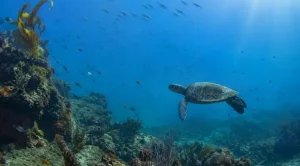
The ocean is home to more life than any other place on Earth. From microscopic plankton to giant whales, every creature plays a role in keeping the marine world in balance. But this balance is under threat—and with it, the health of the planet.
Understanding why marine biodiversity matters isn’t just for scientists or conservationists. It’s directly connected to clean air, food security, climate stability, and even future medical breakthroughs.
As pressures mount—from pollution to climate change—protecting marine biodiversity is no longer optional. It’s a global necessity.

Why Marine Biodiversity Matters More Than Ever
Let’s talk about the ocean—not just as a beautiful escape or a place we go for summer vacations, but as a lifeline for our planet. Beneath the waves lies a vast world of marine biodiversity: coral reefs, kelp forests, deep-sea trenches, and millions of species, many still undiscovered. But today, this life-support system is under threat like never before.
From climate change to plastic pollution, our oceans are facing mounting pressure. And as they struggle, so do we. Because protecting marine biodiversity isn’t just about saving whales or keeping coral reefs colorful. It’s about preserving a stable climate, ensuring food security, and maintaining the health of our entire planet.
Why It’s Urgent Now
Here’s why marine biodiversity is more critical than ever—and why we can’t afford to ignore it:
1. Oceans Are Climate Regulators
- Oceans absorb about 90% of excess heat caused by greenhouse gas emissions.
- Phytoplankton—tiny ocean plants—produce more than 50% of the world’s oxygen.
- Healthy marine ecosystems like seagrass meadows and mangroves store massive amounts of carbon, helping to slow global warming.
But rising sea temperatures and acidification are disrupting these systems. Coral reefs are bleaching. Marine species are migrating or dying. And once we lose these natural climate buffers, we lose time in the fight against global warming.
2. We Rely on Oceans for Food
- Over 3 billion people depend on seafood as their main source of protein.
- Diverse ecosystems support sustainable fisheries—if those ecosystems collapse, so do global food systems.
Today, overfishing and habitat loss are threatening fish stocks. Without marine biodiversity, the ocean’s ability to replenish itself drops dramatically.

3. Biodiversity = Resilience
- Diverse marine life helps ecosystems adapt to change and recover from disasters.
- A single healthy coral reef can protect coastlines, nurture fish nurseries, and even inspire medical breakthroughs.
In a warming world, this resilience is gold. Losing species means losing our ocean’s ability to bounce back.
A Tipping Point—and a Turning Point
We’re at a tipping point. The choices we make today will shape what life in our oceans looks like tomorrow. But there’s hope.
- Marine protected areas are expanding.
- Ocean cleanups and sustainable fishing practices are gaining momentum.
- Global agreements like the High Seas Treaty are pushing for conservation beyond national waters.
Protecting marine biodiversity isn’t just a job for scientists and governments. It’s something we can all support—through our choices, our voices, and our policies. A thriving ocean is key to a thriving planet. And the time to act is now.
The Hidden Benefits of a Thriving Ocean Ecosystem
When most of us think about the ocean, we picture waves crashing on the shore or dolphins leaping in the distance. But beneath that surface is a living, breathing network that powers more of our everyday lives than we often realize. Beyond beauty and biodiversity, the ocean is a powerful economic and medical ally.
A thriving ocean ecosystem doesn’t just keep marine life in balance—it fuels innovation, boosts local economies, and even helps keep us healthy. The benefits are vast, and many are hidden in plain sight.
How Marine Biodiversity Supports Jobs
A healthy ocean means healthy livelihoods. Across the globe, millions depend on the ocean not just for food, but for income and opportunity.
1. Fishing and Aquaculture
- Over 200 million people worldwide work directly or indirectly in marine fisheries and aquaculture.
- Biodiverse ecosystems help sustain these industries. Coral reefs, for example, act as nurseries for countless species that support local fisheries.
But declining biodiversity can crash fish populations—hurting families and economies alike.
2. Tourism and Recreation
- Marine biodiversity is a magnet for tourism. Think snorkeling in coral reefs, whale watching, or coastal diving adventures.
- In many coastal nations, eco-tourism built around marine life makes up a major part of the economy.
Protecting marine ecosystems means protecting long-term tourism income and jobs.
3. Shipping and Maritime Sectors
- Ocean health also indirectly supports ports, shipping, and logistics industries by maintaining safe coastal zones and reducing storm damage through natural barriers like mangroves and reefs.

Medicine from the Deep
The ocean is like a vast, unexplored pharmacy. And the more biodiversity we preserve, the more we can discover.
1. Breakthrough Treatments
- Marine organisms have led to groundbreaking medical discoveries, from cancer treatments to painkillers and antiviral drugs.
- The anti-cancer drug Trabectedin, for example, comes from a sea squirt. And cone snail venom has inspired powerful, non-addictive pain medications.
These species are often found in fragile ecosystems. Lose the habitat, and we may lose future cures.
2. Biotech Innovation
- Enzymes from deep-sea microbes are used in diagnostics and DNA research.
- Bioluminescent organisms are being studied for everything from cancer detection to sustainable lighting.
The ocean holds medical secrets we’ve barely scratched the surface of. But only a diverse, thriving ecosystem can keep these discoveries flowing.
A Blue Economy Depends on Biodiversity
A thriving ocean isn’t just a nice idea—it’s a solid investment in our future.
- It creates jobs.
- It drives innovation.
- It can even help cure disease.
But it all starts with one thing: biodiversity. Every fish, sponge, coral, and microorganism plays a role. The more we protect them, the more we protect ourselves.
What’s Threatening Our Oceans—and Why You Should Care
The ocean might seem too vast to damage. It covers over 70% of our planet and stretches farther than the eye can see. But today, even its deepest corners aren’t safe. From plastic pollution floating on the surface to disappearing fish beneath, our oceans are in trouble.
This isn’t just a problem for marine life. It’s a problem for all life—including ours. A struggling ocean means a struggling climate, food system, and economy. And the threats? They’re growing fast.
Let’s take a closer look at what’s endangering the ocean—and why you should care, even if you’ve never seen the sea.
The Top Threats to Marine Life
1. Pollution Is Choking the Seas
- Plastic waste clogs waterways and kills wildlife. Sea turtles mistake bags for jellyfish. Birds feed bottle caps to their young.
- Oil spills, toxic chemicals, and runoff from farms fill coastal waters with deadly substances.
- Even our clothes are a problem—microplastics from synthetic fabrics are now in fish, salt, and even our own bloodstreams.
Pollution doesn’t just harm marine creatures. It breaks entire food chains—and that includes us.
2. Overfishing Is Draining the Ocean
- Roughly one-third of global fish stocks are overfished, meaning fish are being caught faster than they can reproduce.
- Industrial trawlers often capture unintended species—bycatch—which includes dolphins, sea turtles, and sharks.
- Local communities who rely on fishing for food and income are left struggling when stocks collapse.
Without biodiversity, fisheries become fragile—and so does food security.
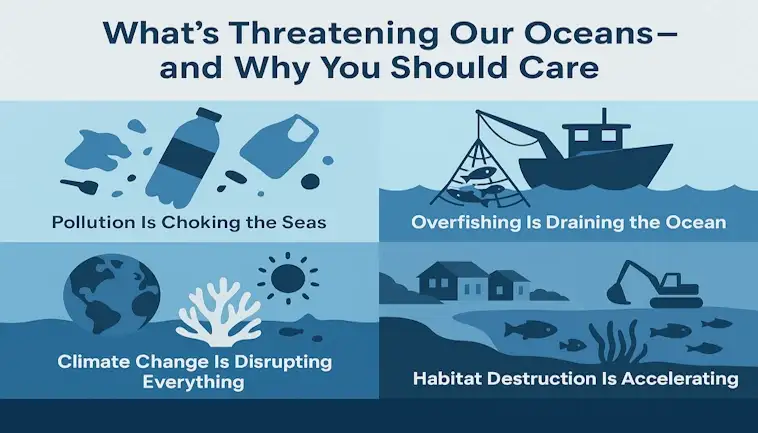
3. Climate Change Is Disrupting Everything
- Warming waters are causing coral reefs to bleach and die. That’s like bulldozing rainforests underwater.
- Ocean acidification from excess carbon dioxide is weakening the shells of marine creatures and disrupting ecosystems.
- Rising sea levels threaten coastal habitats and the communities that depend on them.
The ocean is one of our best defenses against climate change—but only if we keep it healthy.
4. Habitat Destruction Is Accelerating
- Coastal development, bottom trawling, and pollution are destroying key habitats like mangroves, seagrass beds, and coral reefs.
- These habitats not only protect coastlines but also serve as nurseries for countless marine species.
Once these homes are gone, it’s incredibly hard—and expensive—to bring them back.
Why It Matters—To Everyone
You don’t have to live near the ocean to be affected. The ocean helps regulate weather, supplies food, provides jobs, and even powers medicine. If it suffers, we all do.
But here’s the good news: we still have time to turn things around. By understanding the threats, we’re better equipped to make smarter choices—and inspire change.
- Support ocean-friendly businesses.
- Reduce single-use plastics.
- Advocate for sustainable seafood.
- Raise your voice for stronger marine protections.
The ocean is in crisis, but it’s not too late. We just have to care enough to act.
How Protecting Ocean Life Helps Fight Climate Change
When we talk about fighting climate change, we often focus on forests, renewable energy, and cutting carbon emissions. But there’s a powerful ally in this fight that’s often overlooked—the ocean.
Yes, the ocean is warming. Yes, it’s under stress. But it’s also one of the most effective tools we have to slow climate change. The key? Marine biodiversity.
Protecting ocean life isn’t just about saving whales or coral reefs. It’s about safeguarding an essential climate system that helps cool the planet, store carbon, and build resilience against extreme weather. Let’s explore how healthy marine ecosystems are quietly working in our favor—and why now is the time to return the favor.
1. The Ocean Is a Massive Carbon Sponge
- The ocean absorbs nearly a quarter of all CO₂ emissions humans release each year.
- Phytoplankton—tiny, plant-like organisms—capture carbon during photosynthesis and help transfer it to the deep sea when they die.
- This “biological pump” locks away carbon for centuries or even millennia.
But pollution and warming are disrupting these processes. Protecting the life that powers this system means protecting our planet’s ability to self-regulate.
2. Coastal Habitats Are Climate Superheroes
- Mangroves, seagrass meadows, and salt marshes are incredibly efficient at storing carbon—sometimes better than rainforests.
- These “blue carbon” ecosystems trap CO₂ in their roots and sediments, keeping it out of the atmosphere.
- They also protect coastlines from storm surges, flooding, and erosion—saving lives and infrastructure in the process.
Yet these areas are disappearing fast. Development, pollution, and rising seas are wiping out nature’s own carbon capture tech.

3. Healthy Oceans Build Climate Resilience
- Coral reefs act as natural breakwaters, reducing wave energy by up to 97% and shielding coastlines from extreme weather.
- Diverse ecosystems bounce back more quickly after hurricanes, bleaching events, or other climate shocks.
- Marine biodiversity helps maintain ocean productivity, which supports food security in a changing world.
In short, the more diverse the ocean, the more resilient it is—and the more resilient we are.
Why It’s Time to Act
Here’s the surprising truth: protecting ocean life is climate action.
It’s cost-effective. It’s natural. And it’s already working—if we let it. By restoring marine habitats, ending overfishing, and cutting pollution, we give our oceans the strength to help us face a warming world.
We can’t fight climate change without the ocean. And the ocean can’t help us unless we protect the life within it.
Simple Actions You Can Take to Support Ocean Health
You don’t need to live near the coast or be a marine biologist to make a real difference for our oceans. In fact, the choices we make every day—right at home, at work, or at the grocery store—can ripple out to protect marine life, reduce pollution, and even fight climate change.
The ocean is our planet’s life support system. And while the problems facing it are big, so is our power to help. Here’s how you can take small, meaningful steps that add up to real change.
1. Cut Down on Single-Use Plastics
- Bring your own reusable bags, bottles, and containers.
- Say no to plastic straws, cutlery, and unnecessary packaging.
- Avoid products with microbeads (check labels for polyethylene or polypropylene).
Every piece of plastic you skip is one less item that could end up in the sea.
2. Choose Sustainable Seafood
- Look for certifications like MSC (Marine Stewardship Council) or ASC (Aquaculture Stewardship Council).
- Use apps like Seafood Watch to find ocean-friendly choices.
- Ask your local restaurants and fish markets about their sourcing.
Sustainable seafood helps keep fish populations healthy and oceans balanced.
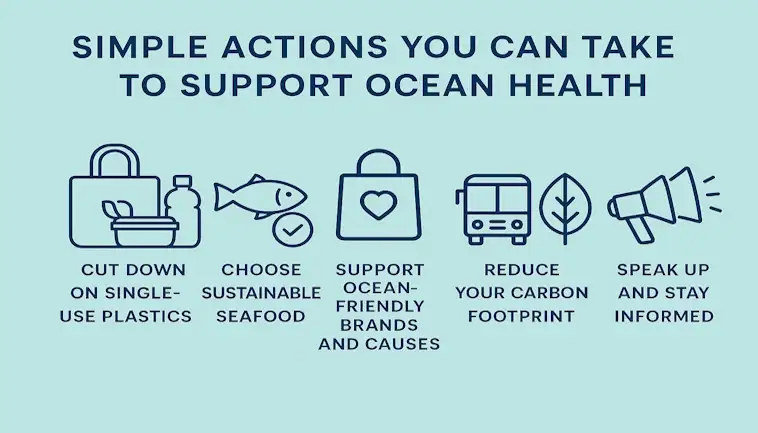
3. Support Ocean-Friendly Brands and Causes
- Buy from companies that are committed to reducing ocean impact—whether it’s in fashion, food, or packaging.
- Donate to or volunteer with marine conservation groups.
- Shop local when possible to reduce carbon footprints and support small-scale fisheries.
Your dollars are powerful. Spend them on businesses doing the right thing for the planet.
4. Reduce Your Carbon Footprint
- Use public transport, carpool, or switch to cycling and walking when you can.
- Reduce energy use at home—turn off lights, upgrade to energy-efficient appliances, and consider renewable energy.
- Eat more plant-based meals; animal agriculture is a major contributor to emissions and ocean acidification.
Less carbon means a cooler planet and a more stable ocean.
5. Speak Up and Stay Informed
- Share ocean facts and conservation tips on social media.
- Vote for leaders and policies that prioritize environmental protection.
- Stay curious—read, watch documentaries, and talk to others about the issues.
Awareness leads to action. Every conversation helps grow the movement.
You don’t have to do everything. But doing something—and doing it consistently—makes you part of the solution.
Conclusion
The ocean is more than a backdrop to our planet—it’s a vital force that shapes our climate, feeds billions, supports livelihoods, and holds answers to medical breakthroughs we’ve only begun to understand. At the heart of all this is marine biodiversity.
When we protect the diversity of life beneath the waves, we’re not just saving fish or coral—we’re safeguarding the systems that keep life on Earth in balance. Every whale, mangrove, and plankton plays a role in a much bigger story: one that connects our health, our economies, and our future to the wellbeing of the ocean.
Now more than ever, marine biodiversity deserves our attention, our action, and our care. Because the health of the ocean isn’t just an environmental issue—it’s a human one. And the choices we make today will echo for generations to come.
Let’s choose to protect what protects us.