Snow Fields Hide Deep Secrets Beneath Calm Winter White
Snow Fields and the Deep Mysteries Concealed Under Winter’s Silent Cover
Snow fields stretch across the landscape like untouched blankets of silence, yet beneath that calm winter white lies a world we rarely think about. These frozen expanses hold records of ancient climates, layers of trapped air, and traces of human influence left behind over centuries. As temperatures shift and seasons grow less predictable, what rests inside these hidden layers begins to emerge.
Surprisingly, those icy secrets could shape our future. They can influence water supplies, weather systems, and even global climate patterns. Understanding what’s underfoot during those quiet winter months matters more than ever, because the past locked in ice may reveal what’s coming next.
So as winter covers everything in sight, it’s worth asking—what stories are waiting under the snow? And how might they change the way we think about colder seasons ahead?
Snow Fields: The Untouched Worlds Waiting Below the Surface
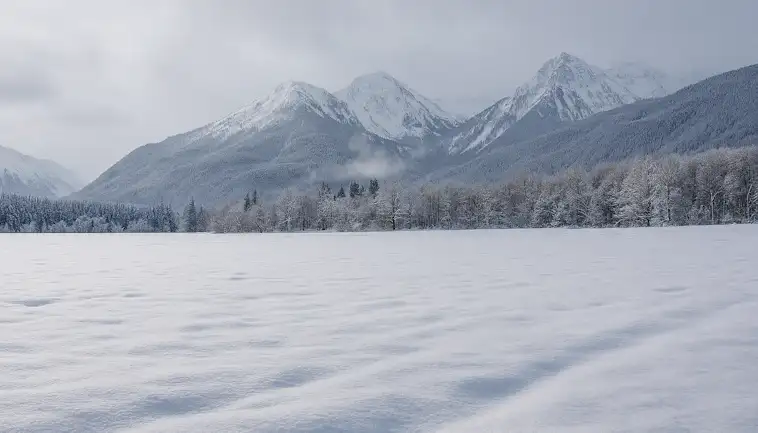
Snow fields look peaceful from a distance. Just endless white stretched across the horizon. Yet below that surface lies a world we rarely think about. Hidden layers built over decades. Ice holding stories from centuries ago. Snow fields are not just frozen landscapes. They are living archives that record time itself.
Scientists travel to remote mountains and polar regions to study them. The deeper they dig, the further back into history they go. They find trapped air bubbles that reveal what our atmosphere once contained. They uncover dust and ash that match ancient volcanic eruptions. Even microscopic life forms lie dormant, waiting for warmth and sunlight to wake them again.
What We Could Learn Tomorrow
As our planet changes, snow fields respond. They shrink, shift, and reveal what has long been sealed away. This gives us clues about the future of water, weather, and ecosystems. Snow fields act like nature’s alarm system. They show us early signs of change long before those changes reach our cities and coastlines.
There is still so much we don’t know. Beneath the surface might be organisms never seen before. They could reshape medicine, agriculture, or sustainability. When snow fields melt, these discoveries come into reach. But they also come with risks as ancient bacteria or chemicals re-enter the environment.
Snow fields are vast, quiet, and humbling. Standing there, you can almost feel the weight of time pressing below your feet. As we learn more, it becomes clear. These frozen expanses are not empty at all. They’re waiting. And the choices we make today will decide what happens when their secrets rise back into the light.
How Winter Landscapes Shape Our Climate Future
When most people look at a winter landscape, they see quiet fields, frozen lakes, and rooftops capped with snow. But these beautiful scenes do far more than paint a seasonal picture. They have a direct and powerful influence on our climate future. And that future is changing fast.
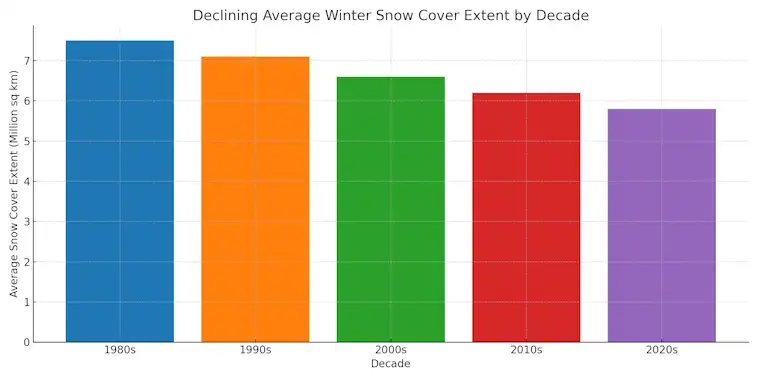
Snow and ice act like Earth’s natural mirrors. They bounce sunlight back into space and help keep our planet cool. However, as global temperatures rise, winter snow cover is shrinking. When snow disappears earlier each year, the darker ground absorbs more heat. This speeds up warming. It becomes a cycle that feeds itself.
Additionally, winter ecosystems rely on stable temperatures. Forests, wildlife, and even soil chemistry depend on predictable cold seasons. When winters shorten or warm, pests survive, trees weaken, and food chains shift. Communities notice these changes too—from unstable energy use to unpredictable weather.
Looking ahead, winter landscapes could play a larger role in climate strategy. Expanding winter reforestation, protecting wetlands, and restoring permafrost regions are promising ideas. By understanding how winter shapes climate, we can plan better. We can also act sooner. The snow outside your window may hold more power than you know.
This chart shows how average winter snow cover has steadily declined since the 1980s and why the conversation about winter landscapes is more urgent than ever.
Snow Fields and the Hidden Ecosystems Thriving in the Cold
When most people picture snow fields, they imagine empty, silent landscapes. Yet beneath the clean white surface, life is unfolding in surprising ways. Snow may seem like a barrier to survival, but in reality, it acts more like a blanket. It protects small organisms from harsh winds and freezing temperatures. Because of this, snow fields quietly support ecosystems that flourish in the cold.
Even in the most remote places, tiny species adapt and build entire food webs. Microorganisms carve out little pockets of warmth. Algae add faint streaks of pink or green across the snow. And insects and small mammals build tunnels below the surface. These natural shelters make the snow more alive than it appears.
Snow fields are not frozen wastelands. They are living labs where nature experiments and adapts. As research continues, scientists discover how these hidden ecosystems influence the world beyond the cold. For example, their activity affects water cycles, soil health, and even the global climate.
Here are a few fascinating ways life survives and evolves within snow fields:
- Microbial communities create microclimates that help regulate temperature.
- Snow algae contribute to nutrient cycles and influence the color of snow.
- Animals like voles build protected tunnel systems to forage and stay warm.
- Frozen plants can remain dormant and return to life after long winters.
- These ecosystems support food chains that affect larger wildlife populations.
Understanding these ecosystems matters because change in one area ripples far beyond the snow. As winters grow shorter and temperatures rise, these delicate environments face new challenges. By learning more about the life thriving in snow fields, we gain insight into how nature responds to change. And that knowledge can guide how we protect these cold-weather habitats into the future.
The Science Behind What Lies Beneath Frozen Ground
When we picture frozen ground, we often imagine a quiet and untouched wilderness. Yet beneath that solid surface lies a hidden world that is far more active than it appears. Scientists call it permafrost—soil that has stayed frozen for thousands of years. It holds ancient plants, animals, and even long-lost microbes. More importantly, it stores massive amounts of greenhouse gases.
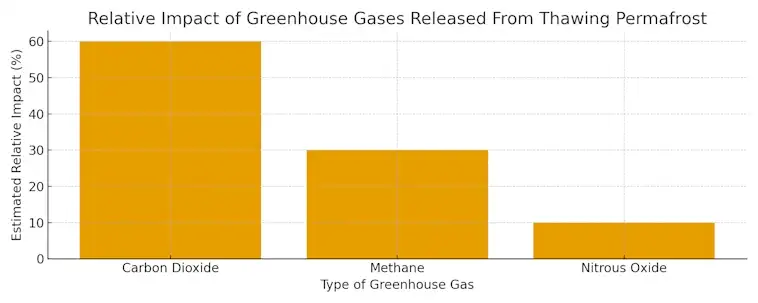
As the planet warms, this once-locked-away ground begins to thaw. When that happens, all the organic material frozen inside starts to break down. The process releases carbon dioxide, methane, and nitrous oxide back into the air. These gases then trap heat, warming the planet even more. In many ways, it becomes a feedback loop that is hard to slow down.
Here’s where things get interesting. The gas released isn’t all the same. Some have a stronger warming effect than others. For example, methane packs a much stronger punch than carbon dioxide, even though it is released in smaller amounts. That means understanding what lies beneath frozen ground is essential for predicting our future climate.
We are learning more each year. Scientists are drilling into the Arctic. They are studying thawing ground with drones. They are monitoring new lakes that bubble with methane from below. All of this research shows how much influence frozen ground can have on our world.
With better knowledge comes better preparation. As technology evolves and global awareness grows, we have a chance to shape a smarter response. The more we understand this frozen layer, the better equipped we are to protect the future above it.
This chart highlights the estimated impact of three major gases released when frozen ground softens.
Unlocking the Past Through Layers of Ice and Time
Imagine being able to read Earth’s diary. Not written in ink, but preserved in frozen layers beneath your feet. This is exactly what scientists do when they look deep into ancient ice cores. These cylinders of compacted snow serve as time capsules. They hold secrets from thousands—even millions—of years ago.
Every layer tells a story. From volcanic eruptions to dramatic shifts in temperature, the evidence is there. By studying trapped air bubbles, researchers learn what the atmosphere was like long before humans kept records. And because ice forms gradually, these frozen archives build year after year. They provide a continuous timeline unlike anything else we have.
Researchers have used ice to trace climate patterns and uncover surprising truths. For instance, spikes in carbon dioxide levels don’t just show modern industrial activity. They also reveal natural events that shaped the planet. When we look back, it helps us better understand what might happen next.
Snow Fields and the Clues They Hide
Snow fields may seem calm and quiet, but they are hard at work preserving history. Over time, falling snow compresses and transforms into dense ice. This process seals away particles, gases, and minerals. These tiny fragments help scientists track changes that would otherwise be lost. That’s how we know ice is more than frozen water. It’s evidence.
If you’re curious to see how experts collect and study these frozen cores, the National Snow & Ice Data Center offers a clear and helpful visual guide.
Ultimately, unlocking the past through ice layers doesn’t just satisfy curiosity. It gives us real insight into our climate’s future. The frozen ground beneath us holds answers, and as technology advances, we’re learning to read its stories with even greater detail.
The Real Story Beneath the Snow Fields
Snow fields may look calm and untouched, yet they hold stories that shape our future. They store ancient air, protect fragile ecosystems, and warn us of changes happening faster than expected. As technology evolves, we’ll be able to uncover even more insights hidden in winter landscapes once thought silent and still.
Understanding these frozen archives isn’t just for scientists. It affects communities, travel, water supplies, and weather patterns around the world. So next time you step onto fresh snow fields, remember that you’re walking over a living record of our planet’s past—and perhaps a preview of what’s ahead. Taking care of these environments today ensures that future generations can continue learning from the secrets they preserve.