How Sustainable Practices Are Reshaping Our World
How Sustainable Practices Are Reshaping Our World
Change is happening fast. From the clothes we wear to the energy powering our homes, sustainability is no longer just a buzzword—it’s becoming the backbone of progress.
All around the world, industries, communities, and individuals are rethinking how things are made, used, and reused. These changes aren’t just good for the planet—they’re creating new opportunities, stronger economies, and smarter ways of living.
What’s happening today is reshaping tomorrow in powerful ways. Sustainable practices are not just an option anymore—they’re becoming the foundation of a better future. And that future is already taking shape.
Why Sustainability Is No Longer Optional for a Better Future
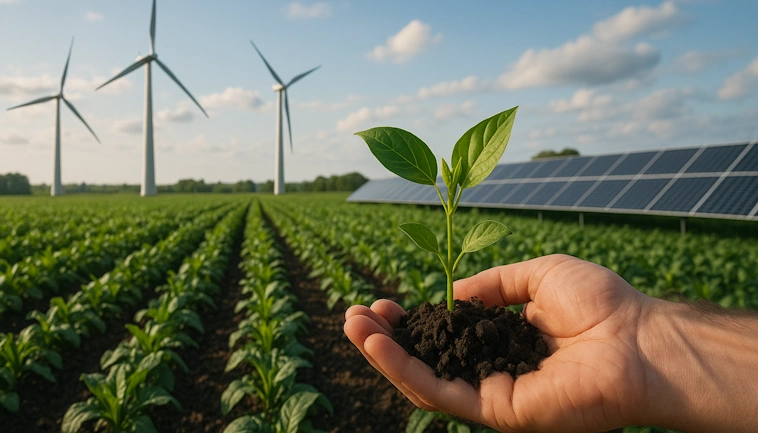
The world is changing fast. From record-breaking heatwaves to extreme weather and rising sea levels, the signs of environmental strain are everywhere. But it’s not all doom and gloom—because with urgency comes opportunity. Around the globe, people, companies, and governments are waking up to a simple truth: sustainability is no longer a trend. It’s a necessity.
Making eco-conscious choices isn’t just a feel-good gesture. It’s now a powerful driver of innovation, economic growth, and long-term wellbeing. Here’s why sustainable living and business practices are reshaping the future—and why they need to be part of our everyday decisions moving forward.
The Clock Is Ticking
- Scientists agree: we have a shrinking window of time to limit global warming and prevent irreversible damage to our planet.
- If we continue business as usual, the consequences—food shortages, water scarcity, and mass displacement—will be felt by everyone, not just future generations.
- Sustainability offers a pathway to avoid the worst and build something better, together.
Consumers Are Leading the Charge
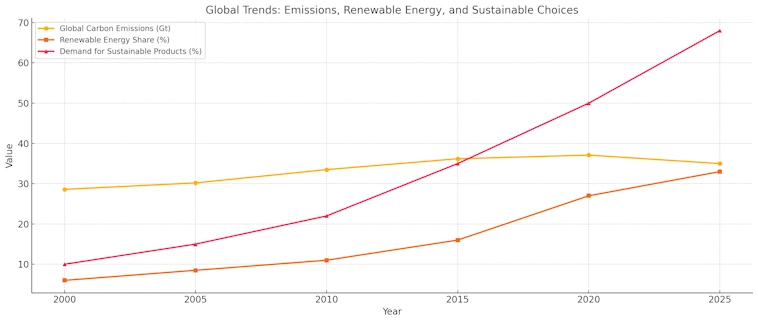
- Today’s consumers are more informed, more vocal, and more values-driven than ever before.
- Brands that fail to prioritize the environment are quickly falling out of favor.
- People are choosing companies that are transparent, ethical, and responsible—because those are the brands they trust.
Innovation Loves a Challenge
- Sustainability is sparking innovation across industries. Think biodegradable packaging, electric vehicles, and circular fashion.
- Businesses that invest in green solutions are not just helping the planet—they’re tapping into growing markets and staying ahead of regulation.
- Eco-friendly design is no longer niche—it’s the future of competitive business.
Policy Is Catching Up
- Governments around the world are rolling out new laws and incentives to support sustainability, from carbon taxes to clean energy subsidies.
- Businesses and individuals who make the shift early will be better prepared for the new rules that are coming.
It’s About a Better Way of Living
- Choosing sustainability means cleaner air, safer communities, and healthier lives.
- It’s about rethinking how we live, travel, eat, and build—so that we thrive, not just survive.
- At its core, it’s about protecting what we love and creating a more resilient world for generations to come.
We can’t afford to treat sustainability like a “nice to have” anymore. It’s the foundation for a better, brighter, and fairer future. The choices we make today—big or small—are shaping the world we’ll live in tomorrow.
The good news? Change is already happening. And we all have a role to play.
Green Innovation: The New Frontier in Tech and Business
Sustainability used to be a side project. Now, it’s the main event. Across the globe, startups and industry giants alike are putting green innovation at the heart of their growth strategies. Why? Because eco-conscious solutions aren’t just good for the planet—they’re opening up entirely new markets, driving customer loyalty, and building future-proof businesses.
As climate concerns grow and consumer expectations shift, forward-thinking companies are proving that environmental responsibility and business success go hand in hand. From clean energy to smart packaging and circular business models, green innovation is transforming how we design, build, and grow.
Startups Are Disrupting With Purpose
- New ventures are launching with sustainability baked in from day one.
- Companies like Notpla (biodegradable packaging made from seaweed) and Climeworks (direct air capture technology) are solving urgent environmental problems with breakthrough ideas.
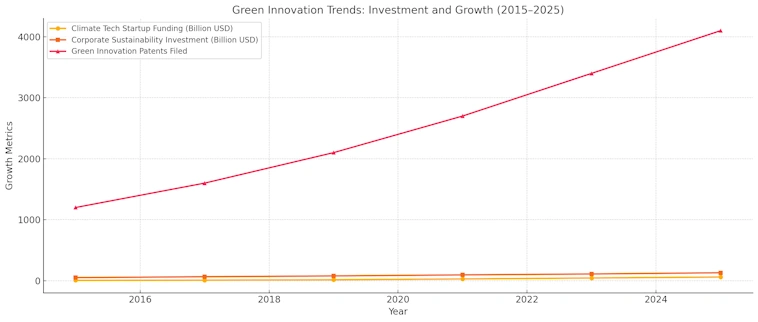
- Investors are taking note—funding for climate tech startups has surged, signaling strong belief in green business models.
Big Brands Are Rewriting the Rules
- Legacy companies aren’t being left behind. Brands like Apple, Unilever, and Patagonia are leading the charge in corporate sustainability.
- From using 100% recycled materials to achieving carbon neutrality across supply chains, major players are setting bold goals—and meeting them.
- These efforts are not only helping the planet but also strengthening brand reputation and customer trust.
Green Tech Is Driving Global Growth
- Technologies like AI, IoT, and blockchain are being used to cut waste, track emissions, and optimize energy use.
- Smart grids, precision agriculture, and sustainable manufacturing are becoming the norm—not the exception.
- Green innovation is now a trillion-dollar opportunity, with job creation and economic development accelerating around clean industries.
The New Business Playbook
- Sustainability is now a core metric of success—not just a line in a CSR report.
- Companies that prioritize environmental impact are attracting better talent, earning customer loyalty, and gaining a competitive edge.
- Governments and regulators are also rewarding green practices with incentives, subsidies, and favorable policies.
Green innovation isn’t just a buzzword—it’s the next chapter in business evolution. Startups and established brands that embrace sustainability are not only making a positive impact, they’re building stronger, smarter, and more resilient businesses.
The future belongs to those who innovate with purpose. And that future is already here.
From Waste to Wealth: The Rise of the Circular Economy
For decades, our economy followed a simple pattern: take, make, use, and throw away. It worked well for growth, but not so much for the planet. Today, that linear model is starting to feel outdated—and unsustainable.
Enter the circular economy—a fresh way of thinking about how we design, produce, and reuse everything we consume. This shift is not just about recycling. It’s about redesigning the entire system to eliminate waste before it even starts. And what’s even more exciting? Businesses are leading the charge and finding real profits in the process.
A growing number of companies are flipping the script on waste. Instead of seeing it as a problem, they’re seeing it as an opportunity—and turning it into a competitive advantage.
Rethinking Resources, Rethinking Business
The circular economy is based on a simple but powerful idea: nothing should be wasted. This approach encourages:
- Designing products to last and be reused, repaired, or remanufactured.
- Keeping materials in use longer through sharing, leasing, and refurbishing.
- Regenerating natural systems rather than just extracting from them.
From fashion to electronics, industries are reimagining their supply chains. Think of sneaker brands turning old shoes into new ones, or tech companies offering devices that are easily upgradeable instead of disposable.
New Business Models Are Emerging
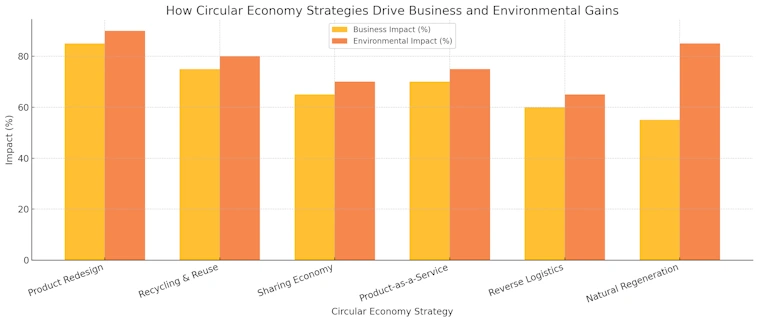
The circular economy isn’t just good for the environment—it’s sparking fresh business innovation. Here’s how:
- Subscription services are replacing one-time sales. Customers rent clothes, tools, and even furniture.
- Product-as-a-service models are growing. Companies keep ownership and responsibility while customers enjoy usage.
- Reverse logistics—the process of collecting and reusing products—is becoming a key part of operations.
These models help businesses reduce costs, build stronger customer relationships, and cut emissions at the same time.
A Win for Business and the Planet
Circular strategies are proving that sustainability and profitability can go hand-in-hand. Companies that embrace this mindset often:
- Reduce reliance on raw materials.
- Improve resource efficiency.
- Build brand trust with eco-conscious consumers.
And with governments and investors increasingly supporting green initiatives, the momentum is only growing.
The circular economy is more than a trend—it’s becoming a necessity. As climate challenges grow and resources become scarcer, smart companies will be the ones who learn how to do more with less. They’ll turn waste into wealth and lead the way into a more sustainable, resilient future.
Sustainable Cities: Building Smart, Clean, and Connected Communities
More than half the world’s population lives in cities. By 2050, that number is expected to rise to nearly 70%. Cities are hubs of innovation, culture, and economic activity—but they also generate over 70% of global carbon emissions. If we want a more sustainable future, cities have to lead the way.
That’s exactly what’s starting to happen. Around the world, urban planners, architects, and local leaders are rethinking how cities work—from energy and transportation to green spaces and digital infrastructure. The goal? To create smart, clean, and connected communities that are good for people and the planet.
Cities today aren’t just getting bigger—they’re getting smarter. Sustainable urban planning is becoming a top priority as leaders respond to the challenges of climate change, air pollution, traffic congestion, and housing shortages. But this transformation is about more than just technology. It’s about creating cities that improve everyday life while reducing environmental impact.
What Makes a City Sustainable?
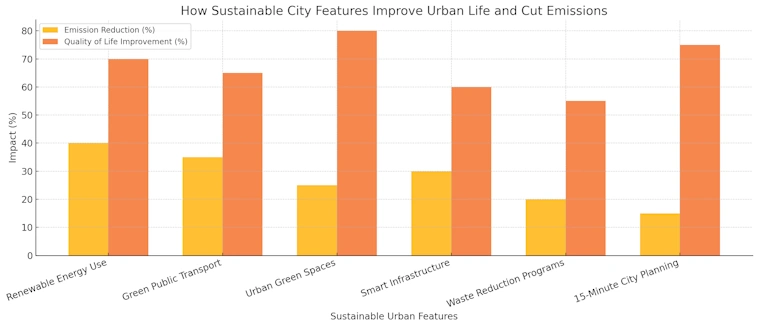
A sustainable city is designed to balance economic growth with environmental care and social well-being. These cities:
- Use clean energy like solar, wind, and geothermal to power homes and businesses.
- Prioritize public transport, cycling, and walking over cars.
- Expand green spaces that cool the air and support mental health.
- Reduce waste through better recycling and circular economy systems.
- Embrace smart tech to manage energy use, water systems, and traffic flows.
New Models of Urban Living
Many cities are rethinking their design from the ground up. Forward-looking concepts like the 15-minute city—where everything you need is within a short walk or bike ride—are gaining momentum. Others are turning to mixed-use zoning, which blends residential, commercial, and recreational spaces for more vibrant, efficient communities.
At the same time, digital tools are being used to track emissions, optimize utilities, and even predict infrastructure needs. Cities like Singapore, Amsterdam, and Copenhagen are already using data to guide planning in real time.
Real Benefits for Real People
Smart, sustainable cities don’t just help the environment—they improve the quality of life for everyone who lives there:
- Cleaner air means fewer health issues.
- Better transit reduces commute times.
- Green spaces support mental health and social connection.
- Efficient buildings lower energy bills.
And for cities facing rapid growth, these changes make urban life more resilient and equitable.
The Future Is Urban—and It Can Be Sustainable
We’re entering a new era of city building. One where clean energy, smart design, and inclusive planning work together. The sustainable cities of tomorrow are already being built today. They offer a vision of urban life that’s greener, healthier, and more connected—for all of us.
Every Action Counts: Why Sustainable Living Starts with You
When we think about climate change and environmental challenges, it’s easy to feel overwhelmed. But the truth is, change doesn’t always start with big policy shifts or global summits. It often starts right at home—with the small choices we make every day.
Living more sustainably isn’t about being perfect. It’s about being intentional. Whether you’re new to the idea or already trying to live greener, there are simple, practical steps you can take that really do make a difference—for the planet, and often for your wallet too.
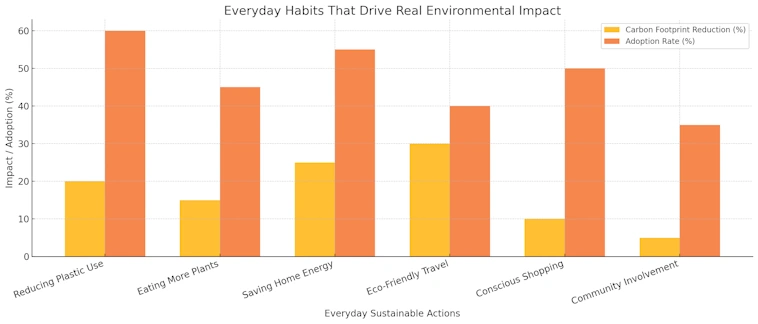
You don’t have to overhaul your life to start living more sustainably. In fact, small changes done consistently can have a big impact over time. Here are some easy, everyday actions you can start today:
1. Reduce Single-Use Plastics
- Carry a reusable water bottle, coffee cup, and shopping bags.
- Say no to plastic straws and cutlery when eating out.
- Opt for products with minimal or recyclable packaging.
2. Eat More Plants, Waste Less Food
- Try “Meatless Mondays” or cut down on red meat.
- Plan your meals to reduce food waste.
- Compost scraps if you can—it keeps waste out of landfills and enriches soil.
3. Save Energy at Home
- Switch to LED bulbs and unplug devices when not in use.
- Use a programmable thermostat to cut heating and cooling costs.
- Consider energy-efficient appliances when upgrading.
4. Travel Smarter
- Walk, bike, or use public transport more often.
- Carpool or try ride-sharing apps to reduce your carbon footprint.
- Fly less—especially short-haul flights—and offset emissions when you do.
5. Shop with Purpose
- Support brands that are transparent about sustainability.
- Choose quality over quantity—buy less, but better.
- Thrift, swap, or buy second-hand when possible.
6. Get Involved Locally
- Join community clean-ups or tree planting days.
- Support local farmers and eco-conscious businesses.
- Talk to friends and family—awareness spreads change.
One Person. Real Impact.
You might not see the results right away, but every eco-friendly habit adds up. Multiply your efforts by millions of others doing the same, and suddenly the shift is powerful.
Sustainable living is not about doing everything—it’s about doing something, consistently and mindfully. And that’s how we create change that lasts.
Conclusion
Sustainability is no longer a nice-to-have. It’s the blueprint for a stronger, cleaner, and more resilient future. From businesses rethinking waste to cities going green and individuals making mindful choices, a global shift is underway. And it’s transforming how we live, work, and grow.
These changes aren’t just about protecting the planet—they’re creating new opportunities, improving quality of life, and building smarter systems for generations to come.
The world is changing, and the direction is clear. By embracing sustainable practices today, we’re not just reacting to challenges—we’re shaping a better tomorrow.
Let’s keep moving forward—one smart, sustainable step at a time.