
Revealing Storm Signals That Warn of Hidden Danger
Storm Signals You Should Watch For and What They Really Mean for Your Safety
Storm signals shape the way we understand approaching danger, yet many people notice them only when the weather has already turned severe. These early clues are often subtle, but they can offer a powerful advantage when conditions shift without warning. By paying attention to small changes in the sky, the wind, and the overall atmosphere, it becomes much easier to recognise when something is quietly building in the background.
As weather patterns grow more unpredictable, these cues matter more than ever. Sudden storms now form faster, carry greater force, and spread impacts across wider areas. That means early awareness isn’t just helpful — it’s essential for staying safe and making smart decisions. With the right knowledge, even everyday observations can reveal risks long before official alerts arrive.
Understanding these signals offers a clearer path to preparedness. Simple habits, such as noticing shifts in temperature or watching how clouds develop, can turn into practical tools for protecting your home, your plans, and the people you care about. This forward-looking approach helps you stay one step ahead when conditions begin to change.
Storm Signals That Reveal Trouble Before It Starts
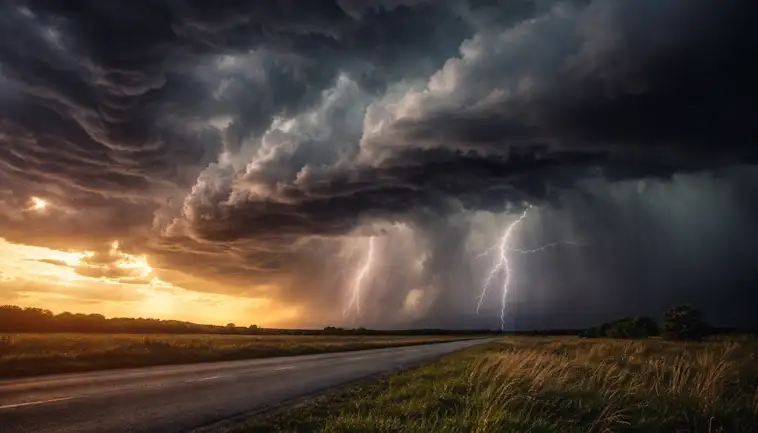
When bad weather builds, it rarely arrives without warning. These storm signals show up in small ways long before the first thunderclap. And when we learn to notice them, we gain a powerful edge. We get time. Plus we get choices. And we get the chance to act before things get worse.
This idea matters more than ever. Weather is shifting fast, and the signs are becoming easier to miss. Yet the clues are still there—quiet, subtle, and surprisingly reliable. So let’s walk through what to look for and why these early hints can help you stay one step ahead.
The Sky Often Speaks First
One of the most overlooked storm signals comes from the sky itself. Colors change. Clouds stack. Light feels different. These changes might seem mild, yet they often mark the start of a bigger pattern. Paying attention to these small shifts builds confidence over time and helps you make safer choices when the atmosphere turns unstable.
As you watch for visual cues, also notice behavior changes in your surroundings. Birds fly lower. Winds switch direction. Even your own home can hint at what’s coming—creaking siding, flickering power, or a sudden drop in temperature can signal trouble ahead. While none of these signs alone confirm a storm, together they draw a clearer picture.
If you’re curious to dive deeper into how forecasters track these early patterns, the National Weather Service offers a helpful overview you can explore.
Storms will always bring uncertainty. Still, by learning to read these storm signals, you strengthen your ability to respond faster and with more clarity. That kind of awareness doesn’t just prepare you for the next storm—it empowers you long before the clouds roll in.
How to Read the Sky When Weather Turns Unstable
When the weather shifts, the sky is often the first place to reveal what’s coming. And once you know what to look for, reading the sky feels a lot less mysterious. It becomes a simple habit. A quick glance upward can help you spot early storm signals, giving you more time to respond and stay safe.
Understanding these signs doesn’t require special training. You just need a bit of awareness and practice. As weather patterns grow more unpredictable, this skill becomes even more useful. So let’s walk through a few visual clues that can tip you off before conditions take a turn.
Colors That Tell a Story
Sky colors change for a reason. A warm red glow can hint at dust or moisture building in the atmosphere. And a green tint often comes before severe storms. Deep blue or charcoal skies usually mean thick, moisture-heavy clouds are forming. These shifts don’t guarantee a storm, but they do suggest you should stay alert.
Cloud movement also matters. Watch how fast they build. Notice how they stack. Even a sudden stillness in the air can tell you something is changing. These details help you create a clearer picture of what might be on the way.
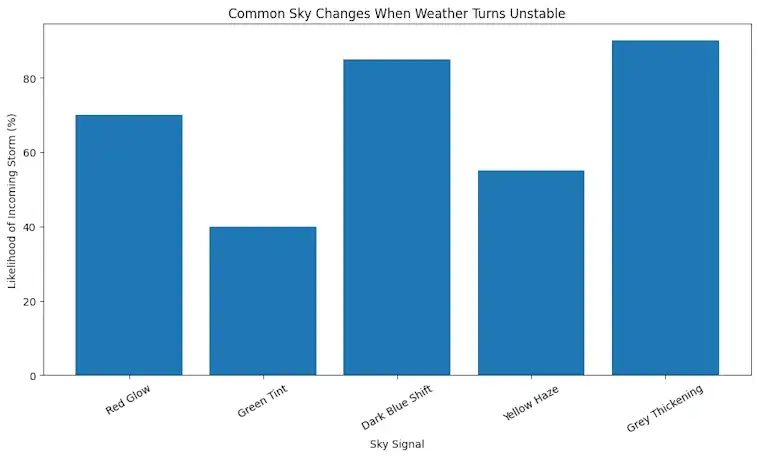
As you practice spotting these signs, your confidence will grow. You don’t need perfect prediction abilities. Just an awareness. And over time, the sky becomes a guide—steady, honest, and always worth watching.
Storm Signals You May Be Missing in Everyday Weather
Most people think storm warnings arrive with loud thunder or dark rolling clouds. But the truth is far quieter. Many storm signals show up in everyday weather, long before conditions turn dangerous. And once you start noticing them, you’ll feel more prepared, more aware, and far less caught off guard.
These early clues are subtle. They hide in changes in wind, color, sound, and even the way animals behave. Yet they can offer real insight into what’s forming above you. So let’s slow things down for a moment and look at the small but meaningful hints you might be overlooking.
What Subtle Signs Should You Watch For?
You don’t need expert-level skills to spot early storm signals. Just a habit of paying attention. Here are a few signs that often show up hours before a storm:
- Sudden stillness after a breezy day
- A fast drop in temperature
- Clouds that build upward instead of spreading out
- Birds flying unusually low
- A sky that shifts to green, yellow, or an odd grey
These moments are easy to brush off, especially when life feels busy. But taken together, they paint a clearer picture of the atmosphere’s mood. And that picture often tells you far more than you might expect.
When you start noticing these storm signals in your daily routine, you gain something powerful—awareness. It doesn’t make storms less serious, but it does help you respond sooner and with more confidence.
Simple Clues That Warn of Rising Hidden Dangers
We often think danger comes with loud warnings, but in reality, the most important signals are usually quiet. They slip into our daily weather without much fuss. And because they’re so subtle, many people overlook them. Yet these small clues can help you spot hidden risks long before they grow into something serious.
Learning to recognise these early signs doesn’t require technical knowledge. It’s more about slowing down and noticing what’s right in front of you. As weather patterns continue to shift, this kind of awareness becomes a valuable tool. It gives you time to prepare. This gives you space to make better choices. And it helps you feel more in control when the atmosphere becomes unsettled.
Why These Signs Matter
Simple, everyday changes can reveal a lot about what’s coming next. A sudden dip in temperature. Clouds that begin stacking instead of drifting. A strange stillness in the air. These signals don’t guarantee danger, but they do encourage you to pay closer attention. Over time, you’ll get better at reading these early patterns, which helps you stay a step ahead.
Here’s a chart that highlights some of the most common clues people notice before conditions worsen.
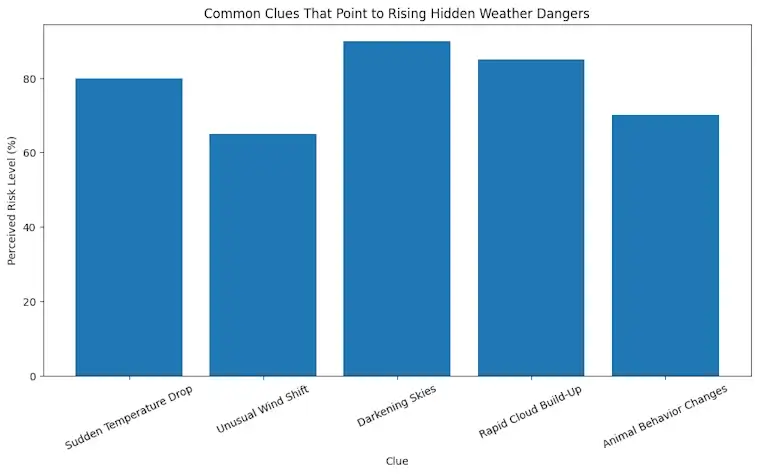
Even small clues can hold big meaning. And when you start tuning into these early patterns, you’ll find it easier to navigate days when the weather feels just a bit “off.” Taking a moment to look up, look around, and trust what you see can make all the difference.
Why Early Awareness Matters in a Fast-Changing Climate
The climate is shifting faster than many people realise, and that speed leaves little room for hesitation. Weather patterns that once felt familiar now change with less warning. Because of this, early awareness has become one of the most useful habits we can build. It helps you make smarter choices sooner. And it also gives you a sense of control on days when conditions feel unpredictable.
When you learn to read the world around you—small changes in the air, shifts in light, unusual cloud patterns—you start to notice hints that something bigger may be developing. These moments might seem small, yet they offer valuable time. And time is often the difference between being caught off guard and feeling prepared.
Understanding Storm Signals in Everyday Conditions
Early awareness isn’t about fear. It’s about staying informed. Simple observations can reveal the atmosphere’s direction long before the first raindrop or gust of wind. As you build this habit, you’ll find it easier to trust your instincts and respond with confidence.
If you’d like to explore how experts monitor changing patterns, the National Oceanic and Atmospheric Administration provides an excellent resource.
Early awareness is a skill anyone can learn. Once you start paying attention to the small cues around you, you’ll feel more grounded in a world where the weather—and the climate—keeps moving faster.
Conclusion: Why Storm Signals Deserve Your Attention
Storm signals are often subtle, yet they can tell a powerful story. They reveal shifts in the atmosphere long before danger becomes obvious. And when you learn to notice these early clues, you give yourself something incredibly valuable: time to act.
Paying attention doesn’t require special training. It only takes a habit of noticing small changes—light that fades too fast, clouds that build in strange ways, winds that shift without warning. These tiny cues help you stay one step ahead in a world where weather is becoming less predictable.
By tuning into storm signals, you build a simple but effective layer of protection. You gain confidence. Make smarter choices. And you stay better prepared for whatever the sky might bring next.
In the end, awareness isn’t about expecting the worst. It’s about being ready for what’s possible. And that readiness starts with paying attention to the signals that are already right in front of you.