Plastic Alternatives for Everyday Use
Looking to cut down on plastic in your daily routine? You’re not alone! Many of us are keen on making smarter, eco-friendlier choices to help our planet. From reusable shopping bags to sustainable kitchen gadgets, there are heaps of alternatives that can help lessen the plastic ending up in our oceans and dumps. We’ll go over some simple swaps that will make a big difference in how we can live more sustainably. But are you ready to start making those changes? Let’s tackle this together and help keep our environment clean and green!
Plastic Alternatives for Everyday Use
What You’ll Discover
Plastic Pollution and Its Impact
Reusable Shopping Bags: Beyond Plastic
Eco-Friendly Kitchen Products
Sustainable Personal Care: Plastic-Free Choices
On-the-Go Without Plastic: Travel Tips
Green Cleaning: Solutions for a Sustainable Home
The Role of Bioplastics in Reducing Plastic Waste
How You Can Help Reduce Plastic Pollution
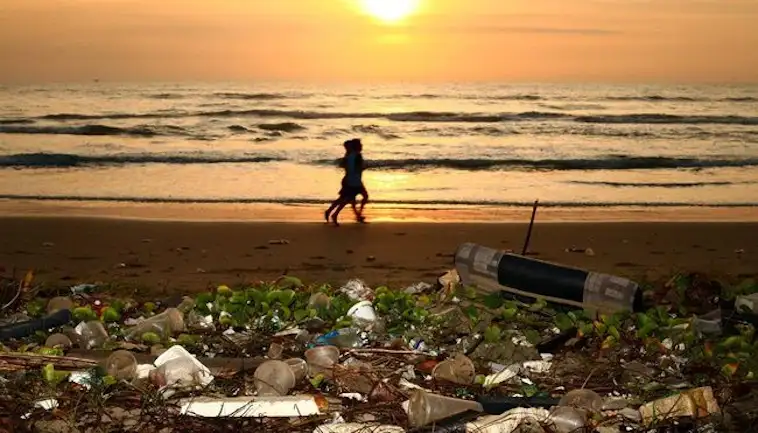
Plastic Pollution and Its Impact
The problem with plastic waste is more than just an eyesore. It poses severe threats to our environment, especially our oceans. Every year, about 300 million tons of plastic are produced globally. What’s more alarming is that a significant portion of this—nearly 8 million tons—ends up in the ocean.
Key Statistics
- Annual Plastic Production: Approximately 300 million tons.
- Plastic in Oceans: Around 8 million tons each year.
These numbers are hard to ignore because they tell us how vast the issue really is. Plastics in the ocean break down into smaller pieces, known as microplastics, which are then ingested by marine animals. This not only harms marine life but also affects the entire food chain, including humans who consume seafood.
Why We Need Sustainable Alternatives
Finding and using sustainable alternatives to plastic is crucial. Here’s why:
- Wildlife Protection: Animals often ingest or get tangled in plastic waste, which can be fatal.
- Ecosystem Health: Plastics release harmful chemicals into the water, affecting the health of entire marine ecosystems.
- Human Health: The toxins from plastics in the ocean enter our food supply through seafood.
The push for alternatives like biodegradable materials, or using more glass and metal, can make a big difference. These materials can help reduce the overall plastic waste that ends up in our oceans and landfills.
Take Action
Here are a few simple steps everyone can take to help reduce plastic pollution:
- Reduce: Minimise single-use plastics like straws, bags, and bottles.
- Reuse: Opt for reusable items whenever possible.
- Recycle: Properly recycle plastics to prevent them from ending up in the environment.
By understanding the scale of plastic pollution and taking actionable steps to combat it, we can help preserve the planet for future generations. The time to act is now—every small effort counts in our fight against plastic pollution.
Reusable Shopping Bags: Beyond Plastic
Plastic shopping bags are a major environmental concern. Every year, billions are used globally, many of which end up in landfills or the ocean. However, we have practical alternatives like bags made from cotton, jute, or recycled materials that can help tackle this issue.
Why Choose Reusable Bags?
Reusable bags are made from materials that are more durable and eco-friendlier than traditional plastic bags. Here’s why they’re a great choice:
- Durability: Bags made from cotton or jute can last for years.
- Eco-Friendly: They reduce the demand for plastic, cutting down on pollution.
- Cost-Effective: Over time, the cost of buying reusable bags is less than that of disposable plastic bags.
These alternatives are not just practical; they’re also a statement about caring for the environment.
Incorporating Reusable Bags into Daily Life
Making the switch to reusable shopping bags can be easier than you think. Here are some tips on how to make it part of your routine:
- Keep Them Handy: Store a few bags in your car, your purse, or by your front door.
- Choose a Style You Like: Find bags that you enjoy carrying—something stylish or with a design that reflects your personality.
- Make It a Habit: Always take your bags with you when you go shopping. It might take a little time to get used to, but soon it won’t feel like an extra effort.
Benefits of Switching
Switching to reusable bags has several benefits:
- Reduces Waste: Each reusable bag can eliminate hundreds of plastic bags.
- Saves Resources: Less plastic means less pollution and less resource depletion.
- Supports Local Businesses: Many local businesses sell reusable bags, supporting the local economy.
Adopting reusable shopping bags is a simple yet effective way to reduce plastic waste. It’s a small change in habit that can have a big impact on the environment. Let’s make the switch and enjoy a cleaner, greener planet.
Eco-Friendly Kitchen Products
The kitchen is a hub of activity in any home, and it’s also a place where you can make some simple swaps to help the environment. Instead of using items that can add to landfill waste, consider alternatives like silicone stretch lids, bamboo cooking utensils, and biodegradable dish brushes.
Silicone Stretch Lids
Instead of reaching for plastic wrap to cover leftovers, why not try silicone stretch lids? Here’s why they’re a smart choice:
- Reusable: They can be used over and over again.
- Versatile: These lids can stretch to fit many shapes and sizes of containers.
- Seal Tight: They keep food fresh longer by creating an airtight seal.
Using these, you cut down on plastic waste and save money on disposable wrap.
Bamboo and Wooden Cooking Utensils
Wooden or bamboo utensils are perfect replacements for plastic ones. Here are their benefits:
- Durability: They last a long time with proper care.
- Eco-friendly: Bamboo grows quickly and doesn’t require pesticides, making it a sustainable choice.
- Safe for Non-stick: They won’t scratch surfaces like some metal utensils.
Switching to bamboo or wooden utensils helps reduce your plastic footprint.
Biodegradable Dish Brushes
Ditch plastic sponges for biodegradable dish brushes. Here’s why they are a great alternative:
- Natural Materials: Often made from wood and natural fibres.
- Long-lasting: They tend to outlast plastic sponges.
- Compostable: Once worn out, they can be composted instead of thrown in the trash.
Benefits of Kitchen Swaps
Making these swaps in your kitchen offers several advantages:
- Reduces Waste: Less plastic means less environmental impact.
- Saves Money: Durable, reusable items mean buying less often.
- Healthier Living: Reducing plastic use can decrease exposure to certain chemicals.
Each small change you make towards sustainability helps contribute to a healthier planet. Consider integrating these eco-friendly alternatives into your kitchen habits and enjoy the benefits they bring to both your home and the environment.
Sustainable Personal Care: Plastic-Free Choices
Every day, personal care products contribute to plastic waste, but it doesn’t have to be this way. Alternatives like bamboo toothbrushes, bar shampoos and conditioners, and menstrual cups are changing the game.
Bamboo Toothbrushes
Traditional plastic toothbrushes are hard to recycle. Bamboo toothbrushes offer a fantastic alternative:
- Biodegradable: Bamboo handles can decompose naturally.
- Sustainable: Bamboo grows fast, making it an eco-friendly resource.
- Effective: They clean your teeth just as well as plastic brushes.
Switching to a bamboo toothbrush is an easy way to cut down on everyday plastic use.
Bar Shampoos and Conditioners
Liquid shampoos and conditioners usually come in plastic bottles. Bar versions are a solid choice for reducing waste:
- No Plastic Packaging: They typically come in paper or cardboard.
- Long-Lasting: Bars tend to last longer than their liquid counterparts.
- Travel-Friendly: Easy to carry without the risk of spills.
Using bar shampoos and conditioners means fewer plastic bottles in our oceans and landfills.
Menstrual Cups
Menstrual cups are a reusable alternative to disposable tampons and pads:
- Less Waste: One cup can last up to 10 years.
- Cost-Effective: Save money over time by not buying disposables.
- Healthier: Made from medical-grade silicone, without the chemicals in some disposables.
Menstrual cups offer a practical solution for reducing menstrual product waste.
Benefits of Eco-Friendly Personal Care
These alternatives are not just good for the planet; they offer personal benefits too:
- Reduce Plastic Use: Each product reduces your plastic footprint.
- Save Money: Most alternatives are more cost-effective over time.
- Health Benefits: Fewer chemicals and more natural materials.
Making the switch to eco-friendly personal care products is a small change that can make a big difference. It’s about taking care of both ourselves and our planet. Let’s choose products that support a healthier lifestyle and a cleaner world.
On-the-Go Without Plastic: Travel Tips
Travelling is exciting, but it often leads to increased plastic use. With a few simple swaps, you can minimise your plastic footprint and still enjoy the convenience.
Stainless Steel Water Bottles
Ditch disposable plastic water bottles for a stainless steel one. Here’s why it’s a great choice:
- Reusable: Use it countless times, saving hundreds of plastic bottles.
- Keeps Drinks Fresh: Stainless steel keeps your drink cold or hot for longer.
- Durable: It’s tough enough to handle any travel adventure.
Carrying a stainless-steel bottle means you’ll always stay hydrated without contributing to plastic waste.
Fabric Tote Bags
Instead of accepting plastic bags, bring a fabric tote bag with you:
- Versatile: Great for shopping, beach trips, or carrying snacks.
- Lightweight: Easy to pack without adding much weight to your luggage.
- Stylish: Available in many designs to suit your taste.
A fabric tote is a simple swap that drastically cuts down on the need for single-use plastic bags.
Travel-Size Toiletries in Solid Forms
Solid toiletries are perfect for travellers:
- Compact: More space-saving than liquid toiletries.
- No Spills: You won’t have to worry about leaks in your bag.
- Plastic-Free: Often sold in paper packaging or none at all.
Opt for solid shampoos, conditioners, and soaps to make your travel kit more eco-friendly.
The Benefits of These Travel Swaps
Using these alternatives offers several advantages:
- Environmental Impact: Significantly reduces your plastic usage.
- Convenience: Each item is designed to be easy to use and carry.
- Cost Savings: Long-term savings from not buying disposable items.
Travelling with these eco-friendly products means you can enjoy your trip while knowing you’re doing your part for the planet. Every small change helps in building a more sustainable future. Let’s pack smart and travel sustainably!
Green Cleaning: Solutions for a Sustainable Home
Cleaning our homes doesn’t have to involve heaps of plastic waste or harsh chemicals. There are sustainable choices out there that are just as effective and much kinder to our planet.
Concentrated Cleaning Tablets and Reusable Bottles
Move over, bulky plastic bottles filled with liquid cleaners. Concentrated cleaning tablets are here to save the day:
- Reduce Plastic Waste: Just use one reusable bottle and replace it with a new tablet when needed.
- Space-Saving: Tablets take up less storage space than traditional bottles.
- Less Harsh Chemicals: Many tablets are made without harsh chemicals, making them safer for your home and the environment.
These tablets dissolve in water inside a reusable bottle, which means less plastic and fewer chemicals in your cleaning routine.
Natural Fiber Sponges
It’s time to ditch synthetic sponges for natural alternatives:
- Biodegradable: Made from materials like loofah or cellulose that break down naturally.
- Gentle on Surfaces: Safe to use on most kitchen and bath surfaces without scratching.
- Chemical-Free: Often free from synthetic materials and chemicals.
Using natural fibre sponges not only reduces your use of plastic but also decreases the amount of non-biodegradable waste you produce.
Benefits of These Alternatives
Switching to these eco-friendly cleaning options offers several benefits:
- Environmentally Friendly: Significantly cuts down on plastic pollution and chemical runoff.
- Health Benefits: Fewer chemicals mean a safer home environment.
- Cost-Effective: Long-lasting supplies mean you buy less frequently.
Adopting these sustainable cleaning solutions is an easy step toward a greener home. They’re not just good for the earth; they’re also practical for everyday use. Let’s clean our homes thoughtfully and help protect our environment one swipe at a time!
The Role of Bioplastics in Reducing Plastic Waste
Bioplastics are gaining attention as a promising alternative to conventional plastics. Made from plant-based materials, these plastics are often biodegradable and seem like a perfect solution. But, like any innovation, they come with both pros and cons.
What Are Bioplastics?
Bioplastics are made from natural sources such as corn starch, sugarcane, or cellulose. Unlike traditional plastics derived from petroleum, bioplastics can break down more quickly under the right conditions.
Pros of Bioplastics
- Reduced Carbon Footprint: Bioplastics typically require less fossil fuel to produce, reducing carbon emissions.
- Biodegradability: Many bioplastics can decompose in a composting environment, reducing landfill waste.
- Sustainable Resources: They’re derived from renewable resources, which can be replanted and replenished.
These benefits make bioplastics an attractive option for reducing environmental impact.
Cons of Bioplastics
However, bioplastics aren’t without their drawbacks:
- Resource Intensive: Growing crops for bioplastics requires land, water, and energy, which could be used for food production.
- Biodegradability Conditions: They need specific conditions to biodegrade, which are not always available in natural environments.
- Cost: Bioplastics can be more expensive to produce than conventional plastics, limiting their widespread use.
Weighing the Impact
While bioplastics offer a reduction in carbon emissions and are less dependent on fossil fuels, they also raise concerns about resource use and biodegradability conditions. Here’s how they stack up:
- Environmental Benefits: Less reliance on fossil fuels and potential for composting.
- Challenges: Requires careful management of agricultural resources and industrial composting facilities for proper breakdown.
Understanding the full impact of bioplastics is crucial as we seek sustainable solutions. They represent a step forward but also highlight the need for a balanced approach to resource management and waste disposal. By considering both the advantages and limitations, we can better integrate bioplastics into our efforts to protect the planet.
How You Can Help Reduce Plastic Pollution
Plastic pollution is a huge problem, but there are simple steps we can all take to make a big difference. Reducing our plastic use is not just good for the environment—it makes us part of the solution. Here are some practical ways to cut down on plastic and help keep our planet clean.
Participate in Local Clean-Ups
Joining local clean-up events is a hands-on way to tackle plastic pollution:
- Community Involvement: You’ll meet like-minded people who care about the environment.
- Immediate Impact: Every piece of plastic you pick up is one less piece harming wildlife or clogging waterways.
Look for clean-up groups in your community or organise your own!
Recycle Properly
Proper recycling can reduce the amount of new plastic being produced:
- Know What to Recycle: Check your local recycling rules to see what types of plastic your community recycles.
- Clean and Sort: Make sure plastics are clean and sorted correctly to avoid contamination, which can lead to the whole batch being thrown away.
Educating yourself and others about proper recycling practices is key.
Support Sustainable Businesses and Policies
Choosing to support businesses and policies that prioritise sustainability can drive larger changes:
- Buy from Eco-Friendly Companies: Support companies that use minimal packaging or recycled materials.
- Advocate for Policies: Support local, national, and global policies that aim to reduce plastic production and waste.
Your buying power and voice are powerful tools for change.
Why These Actions Matter
By taking these steps, we can all contribute to reducing plastic pollution:
- Reduce Waste: Less plastic used means less plastic waste.
- Protect Wildlife: Fewer plastics in the environment means safer habitats for animals.
- Inspire Others: Your actions can encourage others to make similar choices.
Every effort counts, and your actions can inspire those around you. Together, we can make a real difference in fighting plastic pollution and protecting our planet. Let’s start today!
Conclusion
Choosing plastic alternatives for everyday use is a powerful step toward a cleaner, healthier planet. From using bamboo toothbrushes and reusable shopping bags to opting for biodegradable cleaning tools and concentrated cleaning products, each choice adds up. By incorporating these alternatives into our daily routines, we not only reduce the amount of waste we produce but also support sustainable practices that benefit both the environment and future generations.
Let’s continue to make thoughtful decisions about the products we use every day. It’s about taking small, manageable steps that lead to big changes. Remember, every sustainable choice counts towards a greener tomorrow.