
Ice Melt Alert: Unveiling the Rapid Changes in Our Polar Landscapes
Ice Melt Alert: Unveiling the Rapid Changes in Our Polar Landscapes
The frozen corners of our planet are shifting faster than many ever expected. From the Arctic to Antarctica, once-stable sheets of ice are thinning, cracking, and retreating. What was once considered slow and distant is now unfolding at an alarming pace—reshaping coastlines, disrupting ecosystems, and sending ripple effects around the globe.
These changes aren’t happening in isolation. They’re reshaping the world we live in—affecting everything from global sea levels to food security. Understanding what’s happening at the poles is no longer just for scientists. It’s vital for all of us.
Why Polar Ice Is Melting Faster Than Ever Before
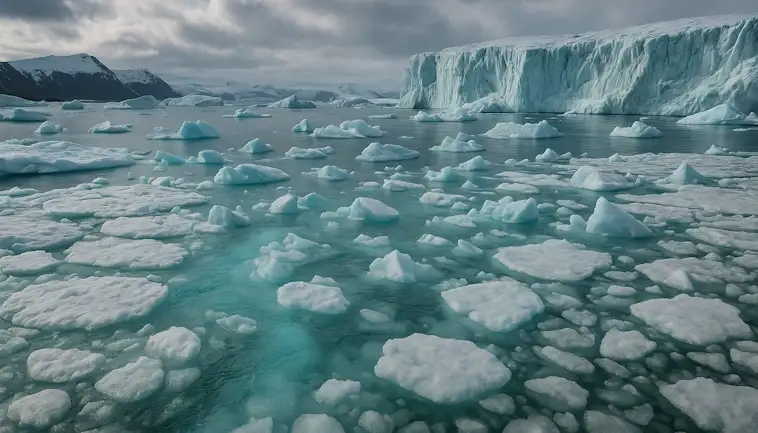
It’s no longer just a warning on the horizon—polar ice is melting, and it’s happening at record speed. The Arctic and Antarctic, once seen as frozen, unshakable parts of our planet, are now changing before our eyes. But why is this happening so quickly? Let’s break down the main reasons behind this alarming trend.
Rising Global Temperatures
The most obvious and powerful driver is climate change. As the Earth warms—largely due to greenhouse gas emissions—temperatures at the poles are rising twice as fast as the global average.
- Warmer air and ocean temperatures accelerate ice melt from both above and below.
- Arctic summers are getting longer and warmer, giving ice less time to recover.
- Even during winter, temperatures are staying unusually high in many regions.
Warmer Oceans Eating Away at Ice Sheets
It’s not just about what’s happening in the air. The oceans are playing a major role too.
- In Antarctica, warm ocean currents are slipping beneath ice shelves, melting them from underneath.
- Sea ice in the Arctic is thinning, breaking up more easily when winds and waves hit.
This hidden melting weakens ice sheets and makes them more likely to collapse.
Feedback Loops That Make Things Worse
Once the ice starts melting, it actually speeds up the process. This is what scientists call a feedback loop.
- White ice reflects sunlight, but dark ocean water absorbs it. Less ice = more heat.
- As ice disappears, more ocean is exposed, soaking up more solar energy and raising temperatures even higher.
This cycle helps explain why the Arctic is heating up so much faster than other parts of the world.
Human Activity and Soot Pollution
Another under-the-radar issue is black carbon, or soot. This comes from things like wildfires, diesel engines, and industrial processes.
- When soot settles on snow and ice, it makes the surface darker.
- Darker ice absorbs more heat and melts faster.
This might seem small, but it adds up—especially when wildfires are becoming more frequent in the Arctic.
The Bigger Picture: Why It Matters
This rapid melting isn’t just a polar problem. It’s a global issue.
- Melting ice contributes to rising sea levels, which threaten coastal cities around the world.
- Changes in polar weather patterns can disrupt global climate systems, affecting everything from food supplies to extreme weather.
The ice is melting faster than ever because of a mix of human-caused warming, ocean currents, and feedback loops that make everything worse. If we don’t act soon, we risk crossing irreversible tipping points—not just in the Arctic and Antarctic, but across the entire planet.
How Melting Ice Is Reshaping Global Sea Levels
The ice at the poles might seem far away, but its meltwater is showing up on your doorstep—especially if you live near the coast. As polar ice sheets and glaciers continue to melt at record speed, sea levels are rising in ways that directly affect communities around the world. But how exactly are melting ice and rising seas connected?
Let’s break it down.
The Link Between Ice Loss and Sea Level Rise
When we talk about sea level rise, we’re really talking about two main sources: melting land ice and warming ocean water.
- The ice sheets in Greenland and Antarctica hold vast amounts of frozen water. When that ice melts and flows into the ocean, it adds volume, pushing sea levels higher.
- Unlike sea ice (which floats and doesn’t raise sea levels when it melts), land ice is like adding extra water to a full glass—it causes it to overflow.
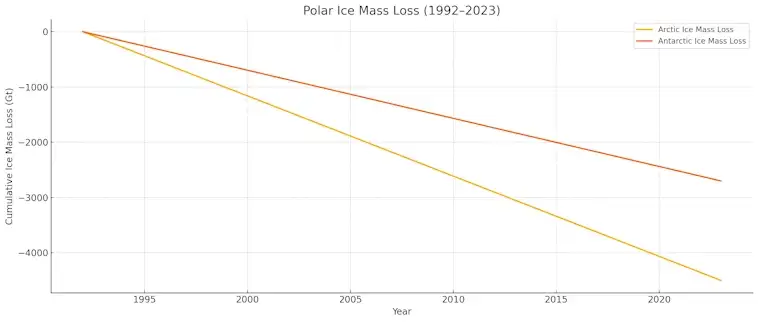
Since the 1990s, this has become a major contributor to global sea level rise.
How Fast Is Sea Level Rising?
According to the latest scientific data:
- Global sea levels have risen over 9 inches (23 cm) since 1880—and the rate is speeding up.
- Melting from Greenland and Antarctica now accounts for about one-third of that increase.
- If all of Greenland’s ice melted, sea levels would rise by over 20 feet. Antarctica? More than 190 feet.
That’s not a distant scenario—it’s a future we’re edging toward unless strong action is taken.
Coastal Cities Are on the Front Line
This isn’t just a problem for future generations. Rising seas are already reshaping coastlines:
- Cities like Miami, Jakarta, and Venice are experiencing regular tidal flooding.
- Saltwater is creeping into freshwater supplies and farmland.
- Coastal erosion is swallowing beaches, roads, and entire neighborhoods.
Even small rises in sea level can lead to devastating storm surges during hurricanes and typhoons.
A Vicious Cycle With Global Reach
What’s especially concerning is that as ice melts, it doesn’t just raise sea levels—it changes the Earth’s climate systems.
- The added freshwater can disrupt ocean currents like the Gulf Stream, changing weather patterns across North America and Europe.
- Warmer oceans fuel stronger storms, which hit coastlines already weakened by erosion.
Melting polar ice is one of the main engines behind rising seas, and it’s transforming the world’s coastlines right now. What happens in the Arctic or Antarctic doesn’t stay there—it shows up in every tide and every storm surge.
The Hidden Impact on Wildlife and Ecosystems
When we think about melting polar ice, rising sea levels usually grab the headlines. But there’s another urgent story unfolding—one that involves the animals and ecosystems that depend on these frozen worlds. As the Arctic and Antarctic melt, wildlife is being forced to adapt, migrate, or face extinction. And the ripple effects are being felt far beyond the poles.
Let’s take a closer look at how ice melt is quietly—but powerfully—reshaping life on Earth.
Vanishing Habitat for Polar Species
The most immediate and visible impact is habitat loss.
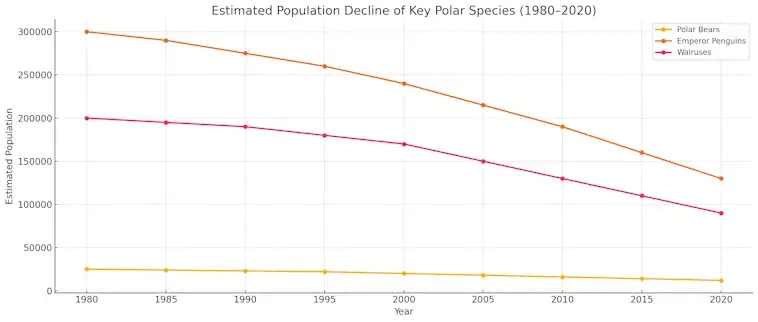
- Polar bears, which rely on sea ice to hunt seals, are struggling to find food as the ice-free season grows longer.
- Walruses and seals are losing the ice platforms they use for resting and raising their young.
- In the Antarctic, emperor penguins face a sharp decline in breeding success as their icy nesting grounds disappear.
These species are not just icons of the polar regions—they are key players in the ecosystem. When they struggle, the entire food web feels it.
Changing Migration and Feeding Patterns
Melting ice is also shifting when and where animals move.
- Whales and seabirds are altering their migration routes as ocean currents and food sources change.
- Fish species are moving toward the poles, disrupting long-established predator-prey relationships.
- Some animals are arriving too early—or too late—for the seasonal blooms they depend on, throwing entire ecosystems out of sync.
This mismatch in timing, known as phenological mismatch, can reduce survival rates and lower birth rates.
Invasive Species on the Rise
As the ice retreats, new regions are opening up to species that were previously kept out by the cold.
- Warmer waters are allowing invasive species to enter polar areas, where they compete with native wildlife.
- These newcomers can out-eat or out-breed native species, leading to further ecosystem imbalances.
The result? Fragile polar ecosystems are becoming less resilient and more vulnerable to collapse.
A Domino Effect Across the Globe
The ecological shifts happening in the Arctic and Antarctic don’t stay there.
- Disruptions in polar food webs affect global fisheries, many of which depend on migratory species.
- Changes in ocean temperatures and circulation patterns can impact marine life all the way to the tropics.
- The loss of ice-based ecosystems also reduces the Earth’s ability to reflect sunlight, amplifying global warming and speeding up climate impacts elsewhere.
Melting polar ice isn’t just a crisis for ice-dependent animals—it’s a warning sign for the health of ecosystems everywhere. What happens in the poles affects the planet as a whole, from forests and farms to oceans and cities.
What Melting Ice Means for Our Climate Future
When we see images of melting glaciers or shrinking ice caps, it’s easy to think of them as isolated events. But polar ice loss is more than just a symptom of climate change—it’s a powerful force that’s reshaping our entire climate system. From weather patterns to sea level rise, melting ice is a signal of what’s coming next for our planet.
Let’s explore what the data is telling us and what it means for our collective future.
A Planet That’s Warming Faster Than Expected
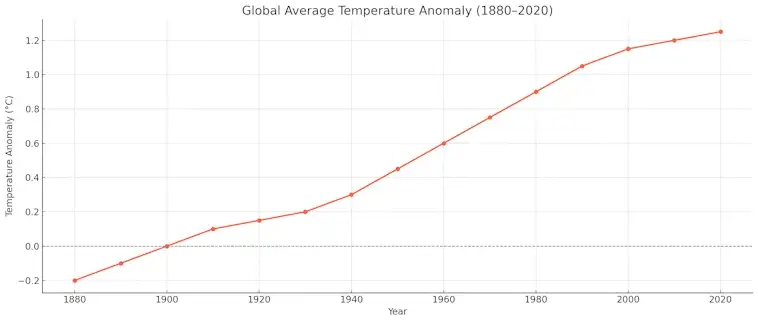
Melting ice is one of the most visible signs that global warming is accelerating.
- According to satellite data, Arctic sea ice has declined by over 40% since 1980 during peak summer months.
- The Greenland and Antarctic ice sheets are losing more than 400 billion tons of ice each year—and that number is rising.
- Global average temperatures have increased by more than 1.1°C since the pre-industrial era, and the poles are heating up even faster.
These trends aren’t just alarming—they’re ahead of what many climate models had predicted just a decade ago.
Altered Weather Patterns and Extreme Events
The ice melt is also changing the way our planet behaves in real time.
- As Arctic ice disappears, it affects the jet stream, leading to more extreme weather—heatwaves, cold snaps, floods, and droughts.
- Melting glaciers are adding freshwater to the oceans, which can disrupt ocean currents like the Atlantic Meridional Overturning Circulation (AMOC)—a key driver of global climate.
- The result is more unpredictable weather, often in places that haven’t historically experienced such extremes.
What used to be considered rare weather is becoming the new normal.
Rising Seas, Sinking Cities
One of the clearest consequences of melting ice is sea level rise.
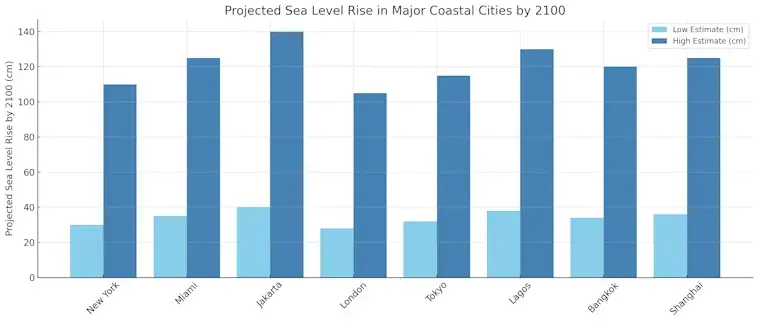
- Global sea levels are projected to rise between 1 to 2 feet (30 to 60 cm) by 2100 under current emission trends—and potentially more if ice loss continues to accelerate.
- Coastal cities, from New York to Bangkok, are already investing billions in sea walls, flood defenses, and climate resilience.
- Without serious action, some low-lying areas may become uninhabitable within this century.
Melting ice isn’t just a warning—it’s already driving change that will reshape where and how people live.
A Feedback Loop That Speeds Things Up
The loss of ice triggers a dangerous climate feedback loop.
- Ice reflects sunlight (a process called albedo), but as it melts, darker land and water absorb more heat.
- This leads to even more warming, which causes even more ice to melt.
- The loop intensifies itself, making it harder to slow global temperature rise.
This is one reason scientists warn about climate tipping points—moments when change becomes irreversible.
Melting ice is one of the clearest indicators that our climate is changing—quickly and in ways that affect every corner of the globe. It’s a wake-up call backed by hard data and lived experience. If we want a livable future, we need to listen to what the melting ice is telling us—before it’s too late.
Can We Slow the Melt? Solutions and Next Steps
The melting of Earth’s polar ice isn’t just a warning—it’s a call to action. The good news? We’re not powerless. Around the world, scientists, innovators, and governments are stepping up with bold solutions to slow the melt and protect these fragile regions. While the challenge is immense, so is the potential for progress.
Let’s explore some of the most promising efforts underway—and what still needs to happen.
Cutting Carbon: The Core of the Solution
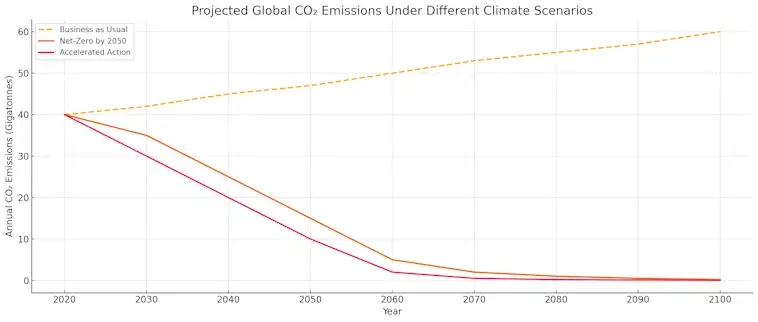
To stop the ice from disappearing, we must tackle the root cause: greenhouse gas emissions.
- Shifting to renewable energy like solar, wind, and hydro helps reduce our reliance on fossil fuels.
- Electrifying transportation, including cars, buses, and even shipping fleets, cuts emissions that heat the planet.
- Major countries are adopting more ambitious net-zero targets, aiming to eliminate emissions by 2050 or sooner.
These actions don’t just help the poles—they protect ecosystems, air quality, and communities everywhere.
Cooling with Technology: Innovative Climate Solutions
Some researchers are exploring high-tech ways to slow polar ice loss directly.
- Reflective geoengineering ideas include brightening clouds or spreading reflective materials over ice to help bounce sunlight away.
- Artificial ice reefs and underwater barriers are being studied to slow glacier retreat in Antarctica by blocking warm ocean water.
- Carbon capture and storage (CCS) technologies are being scaled to pull CO₂ from the atmosphere and lock it underground.
While some of these are experimental, they show promise in buying us valuable time.
Local Action, Global Impact
Solutions also come from the ground up.
- Indigenous communities in Arctic regions are helping to monitor climate changes and guide sustainable practices.
- Marine protected areas in the Southern Ocean are being expanded to help preserve vital ecosystems and biodiversity.
- Cities and businesses are investing in sustainability and resilience, from green infrastructure to zero-emission supply chains.
Every action taken, no matter how local, contributes to the global effort to stabilize the climate.
The Role of Policy and Global Agreements
Strong political will is essential to turn ideas into action.
- The Paris Agreement set the stage for international cooperation, but countries must go beyond promises and deliver results.
- Global talks like COP summits are where key decisions are made—and where public pressure matters.
- Funding for climate adaptation and mitigation in developing countries is critical for fair, effective progress.
Holding leaders accountable and pushing for climate-smart policies is something all of us can support.
Yes, we can slow the melt—but only if we act boldly and fast. The polar regions may seem remote, but they’re deeply connected to life everywhere. From reducing emissions to supporting innovation and international cooperation, every step counts.
Final Thoughts: The Clock Is Ticking on Polar Ice
The rapid melting of polar ice isn’t a distant problem—it’s a present-day crisis with global consequences. From rising sea levels and shifting weather patterns to vanishing wildlife habitats and disrupted ecosystems, the changes in our Arctic and Antarctic regions are sounding a clear and urgent alarm.
But while the data is alarming, the story isn’t over. There’s still time to change course.
- Reducing carbon emissions can slow the melt and protect fragile ecosystems.
- Innovation and clean technology are giving us new tools to fight back.
- Stronger climate policies, international cooperation, and everyday choices all play a role.
The polar regions may be far away, but their future is tied to ours. What happens at the top and bottom of the world will shape life everywhere—from coastal cities to inland farms, and from ocean depths to mountaintops.
Now is the moment to act with urgency and optimism. The more we understand the impact of melting ice, the better equipped we are to safeguard the planet for generations to come.