

How Thermal Expansion Influences Everyday Life and Technology
How Thermal Expansion Influences Everyday Life and Technology
Thermal expansion might sound like a complex scientific idea, but it’s something that quietly shapes the world around us every day. From roads cracking in summer heat to the way your smartphone handles heat, the effects are all around—even if they’re easy to miss.
Temperature changes cause materials to expand or contract. And while that may seem simple, the consequences can be surprising.
Understanding how thermal expansion works can help make sense of everything from seasonal road repairs to the science behind precision tech. It’s a powerful reminder of how even invisible forces can have a big impact on design, safety, and innovation.
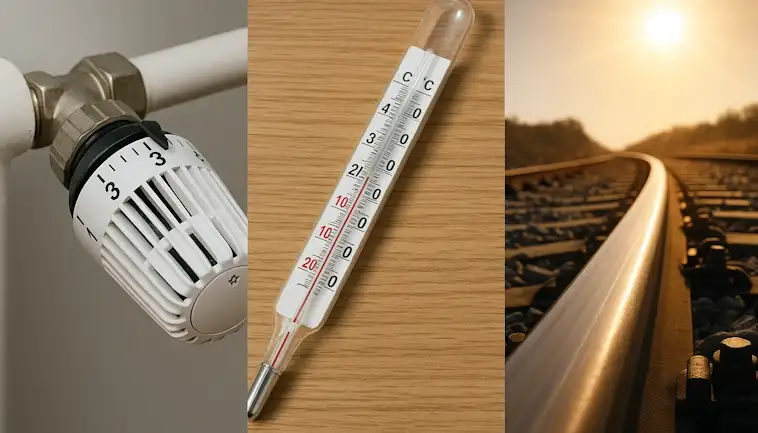
What Is Thermal Expansion and Why Should You Care?
Ever notice how train tracks seem to have small gaps between them? Or how a metal lid on a glass jar is easier to twist off after running it under hot water? That’s not magic — it’s thermal expansion in action.
Thermal expansion is what happens when materials — like metal, glass, or even concrete — get bigger as they heat up. It’s a simple idea, but it has a big impact on everything from daily life to cutting-edge tech.
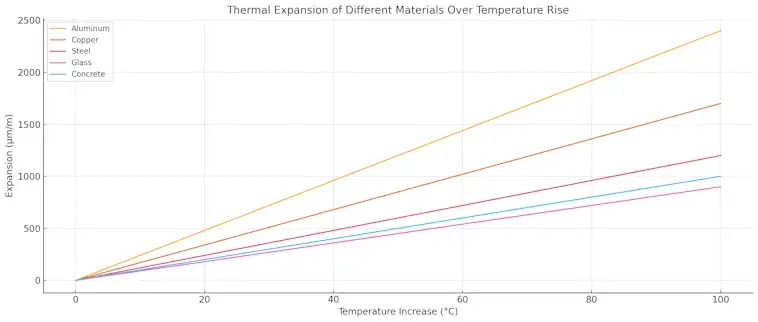
Why It Matters to You
You might be thinking, “Okay, so stuff gets a bit bigger when it’s hot… why should I care?” Great question. Here’s why it’s more relevant than you might expect:
- Everyday fixes: That trick with the tight jar lid? It works because heat causes the metal to expand slightly, loosening its grip on the glass.
- Building and bridges: Engineers design structures with expansion joints so they don’t crack or buckle in the heat.
- Technology you use daily: Smartphones, laptops, and even airplanes have to account for thermal expansion. Without smart design, parts could warp, snap, or stop working altogether.
- Climate change impacts: As oceans warm, they expand too — which is one reason sea levels are rising.
The Bigger Picture
Thermal expansion may seem like a minor detail, but it’s a powerful force behind the scenes. From helping you open a stubborn jar to influencing global sea levels, it shows just how connected temperature and materials really are. And once you start noticing it, you’ll see it everywhere.
Understanding thermal expansion isn’t just for scientists — it’s for curious minds who like to know how the world works. And now that you know, you’re already thinking like an engineer. Pretty cool, right?
Everyday Items That Expand with Heat (And You Don’t Even Notice)
Think thermal expansion is just a science class concept? Think again. It’s happening all around you — right now — in ways you probably never noticed. From your kitchen to your driveway, heat is quietly causing things to grow, stretch, and shift.
And no, this isn’t science fiction. It’s real. It’s everyday. And once you spot it, you can’t unsee it.
Common Household Examples of Thermal Expansion
Here are some sneaky everyday places where thermal expansion is at work:
1. Tight Metal Lids on Jars
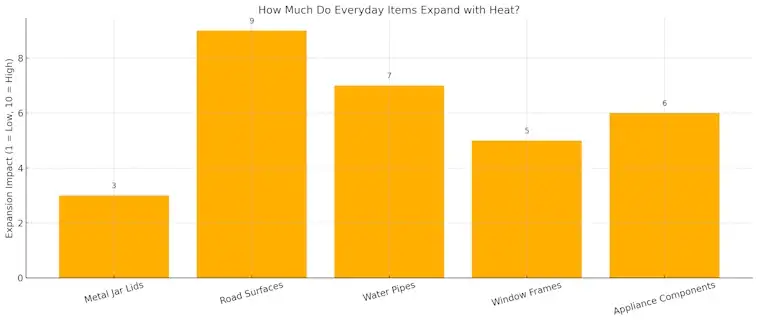
Ever run a metal jar lid under hot water to loosen it? That works because metal expands faster than glass. A little heat makes the lid slightly larger, helping it slide off with less effort. Simple science, useful trick.
2. Cracks in Roads and Driveways
Hot days are tough on asphalt. As temperatures rise, roads expand. But with nowhere to go, they can crack or buckle. That’s why you see expansion joints on highways and bridges — they allow for movement without causing damage.
3. Pipes and Plumbing
Water pipes, especially metal ones, expand when hot water flows through them. If there’s no room for this movement, it can lead to leaks or bursts over time. That’s why plumbers leave space or use special fittings to handle the heat.
4. Window Frames and Doors
Ever had a door that sticks more in the summer than in the winter? That’s thermal expansion again. Wood and metal can swell slightly with heat or humidity, making doors tighter and harder to close.
5. Electronics and Appliances
From your oven to your coffee machine, heat causes internal components to expand. Designers take this into account to avoid damage over time. Even smartphones are engineered to deal with small changes in temperature.
Why It Matters
You don’t need to be a scientist to appreciate how materials respond to heat. Understanding thermal expansion helps explain a lot of the quirks in your home — and can even help you avoid damage or costly repairs.
So next time your door sticks or a road buckles, you’ll know it’s not bad luck. It’s physics at work. And knowing that puts you a step ahead.
From Bridges to Buildings: How Engineers Design for Expansion
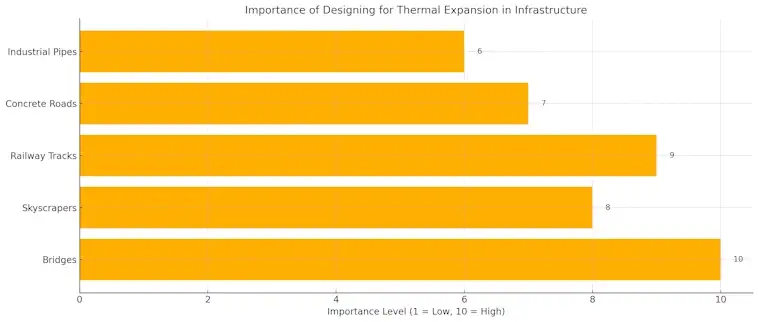
Have you ever walked across a bridge and noticed those small gaps between the concrete or steel plates? They’re not flaws — they’re features. Engineers put them there on purpose to handle one of nature’s quiet but powerful forces: thermal expansion.
When temperatures rise, materials grow. When they cool, they shrink. That push and pull might seem tiny, but across long distances — like highways, buildings, and railways — it can lead to cracks, warping, or worse. That’s why smart design is crucial.
Why Thermal Expansion Matters in Infrastructure
Thermal expansion isn’t just a lab experiment — it plays a critical role in how our cities and systems are built. Without planning for temperature changes, structures would literally tear themselves apart over time.
Here’s how engineers build flexibility into the foundations of modern life:
1. Expansion Joints in Bridges
Bridges are exposed to sunlight all day, and their metal and concrete components heat up fast. Expansion joints act like small breaks or gaps that give the material space to expand without causing stress or cracks. These joints compress when it’s cold and stretch when it’s hot — keeping the bridge stable in every season.
2. Skyscrapers That Move (Slightly)
Tall buildings like skyscrapers are designed to sway and shift slightly in response to both wind and temperature. Materials such as steel beams expand during summer and contract in winter. Engineers calculate these changes and choose materials that can handle it — sometimes using flexible seals or sliding connections.
3. Railway Tracks with Breathing Room
Ever wonder why railroads have visible gaps between sections? It’s the same principle. If tracks were laid end-to-end with no space for expansion, they could warp or buckle on hot days, causing serious safety hazards.
4. Roads with Expansion Grooves
Concrete roads and highways often crack in neat lines. These are not accidental — they’re control joints that help direct where the cracking will happen as the material expands and contracts. Better to have a small crack in a predictable place than a random break that leads to repairs.
5. Pipes and Ducts in Large Facilities
In factories, stadiums, and large office buildings, even plumbing and ventilation systems are designed to flex. Engineers use expansion loops or flexible joints to prevent damage from temperature-driven shifts.
Designing for a Changing Climate
With climate change bringing more extreme temperatures, engineers are thinking even further ahead. Materials must be tested not just for current conditions, but for hotter summers, colder winters, and unpredictable fluctuations. Future-proofing means being ready for more than just today’s weather.
From massive bridges to everyday sidewalks, thermal expansion is a challenge engineers have learned to work with — not against. The next time you cross a bridge or drive down a highway, remember: those little gaps and grooves are signs of smart design, not flaws.
Because when you understand how materials move, you can build things that last.
Thermal Expansion in Tech: The Hidden Force in Your Devices
When we think about smartphones, laptops, or other high-tech gadgets, we usually focus on speed, design, or battery life. But beneath the sleek surfaces and shiny screens, there’s a subtle, invisible force at play: thermal expansion.
Every time your device heats up — whether you’re streaming a movie or charging your phone — the internal components expand just a little. It might be microscopic, but over time, it matters. In fact, it’s one of the most important things engineers think about when designing tech.
Why Thermal Expansion Matters in Electronics
Electronics are made from a mix of materials — metals, plastics, glass, and silicon — and each one reacts to heat differently. That difference can create tiny shifts inside your devices. Without smart design, those shifts could lead to:
- Cracked circuit boards
- Broken solder joints
- Loose connections
- Shorter device lifespan
Here’s how tech companies and manufacturers deal with it:
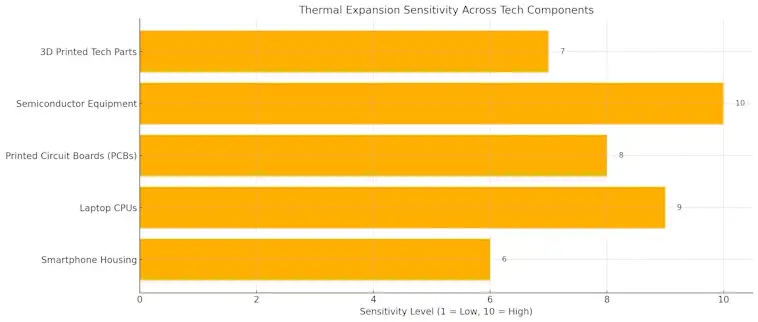
1. Smartphone Design
Phones heat up when running apps, charging, or even sitting in the sun. Designers use materials that expand at similar rates to avoid stress and damage. They also leave tiny amounts of “breathing room” inside the casing to prevent pressure from building up.
2. Laptops and CPUs
Laptops have fans and thermal paste to keep things cool — but even then, the processor and other components can expand slightly. Engineers use flexible mounting systems and specially designed heat sinks to manage these movements without affecting performance.
3. Printed Circuit Boards (PCBs)
PCBs are the backbone of electronics. When they heat up, they expand. High-quality boards are made with materials that resist warping, and their layers are designed to expand uniformly. That’s crucial for keeping connections stable, especially in high-performance or industrial settings.
4. Semiconductor Manufacturing
In microchip production, precision is everything. Even the tiniest expansion can throw off alignment during manufacturing. Cleanroom environments are kept at stable temperatures, and machinery is built from ultra-stable materials to control thermal shifts down to the micron.
5. 3D Printing and Tech Fabrication
In tech manufacturing, especially with 3D printing and laser cutting, heat management is essential. Engineers calculate how much materials will expand under heat to ensure exact dimensions and tolerances — critical for quality and safety.
The Future of Heat-Smart Tech
As devices get smaller, faster, and more powerful, managing heat becomes even more important. We’re already seeing advanced materials like graphene and carbon nanotubes that resist thermal expansion, plus AI-powered cooling systems in high-end computers and data centers.
Thermal expansion might not be something you notice while scrolling through social media or charging your earbuds — but it’s working behind the scenes to keep your devices running smoothly. The next time your phone gets warm, remember: that’s not just heat. That’s physics, design, and innovation, all rolled into one.
Looking Ahead: Can We Use Thermal Expansion to Power the Future?
Thermal expansion is usually something engineers work around. But what if we flipped the script? What if, instead of just compensating for it, we used thermal expansion as a tool — even a source of power?
As the world looks for cleaner, smarter, and more sustainable energy solutions, thermal expansion is starting to gain new attention. The idea that heat can move, shift, or activate materials opens the door to technologies that could transform how we live, build, and power our future.
Turning Heat Into Action: How It Might Work
Here are some of the exciting ways researchers and innovators are exploring the potential of thermal expansion in modern tech and green energy:
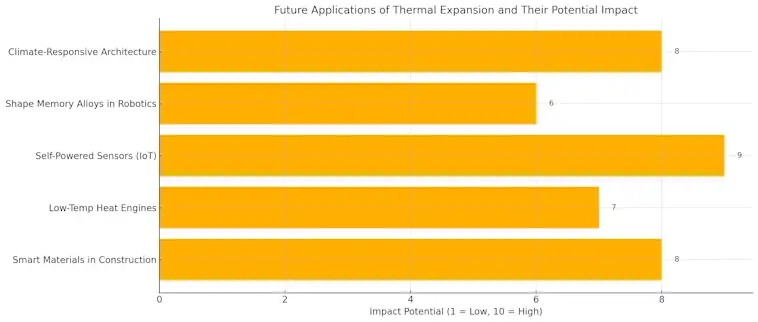
1. Smart Materials That React to Heat
Some advanced materials can expand or contract in very precise ways when heated. These “shape memory alloys” or thermoresponsive polymers are already being used in things like:
- Self-healing buildings
- Temperature-sensitive medical devices
- Adaptive clothing and insulation
- Actuators in robotics that move with heat instead of electricity
These materials could revolutionize manufacturing, making products that respond to their environment automatically.
2. Low-Temperature Heat Engines
Heat engines that use thermal expansion to do mechanical work aren’t new, but now they’re being reimagined to work at lower temperatures — even using waste heat from factories or solar collectors.
- Stirling engines and thermoacoustic engines harness expansion and contraction cycles to generate power efficiently.
- These systems could be used in remote locations or small-scale setups, offering renewable power without the need for fossil fuels.
3. Energy Harvesting from the Environment
Imagine sensors or devices that power themselves simply by using temperature differences — no batteries, no wires. This idea is becoming more real thanks to:
- Thermal actuators that convert heat into movement
- Micro-scale generators that harness expansion to charge small devices
- Passive ventilation systems that open and close automatically with the sun’s heat
These innovations could help power smart homes, remote sensors, or IoT (Internet of Things) devices sustainably.
4. Climate-Responsive Architecture
Buildings of the future could use materials that expand and contract with outdoor temperatures — adjusting airflow, shade, or insulation without electricity. These “breathing buildings” could lower energy use while improving comfort and efficiency.
What’s Next?
While thermal expansion may never rival solar or wind in scale, its untapped potential lies in the details — small movements, smart systems, and quiet efficiency. As materials science evolves, and climate challenges push us to innovate, this often-overlooked force may just become a key player in our sustainable future.
We’ve spent decades designing around thermal expansion. Now, it’s time to start designing with it. As we look ahead, the heat we’ve long tried to manage might just be the spark we need to build a smarter, cleaner world.
Final Thoughts: Why Thermal Expansion Deserves More Attention
Thermal expansion isn’t just a science concept tucked away in a textbook. It’s a constant force at work in your home, on the roads, inside your favorite devices, and in the world’s most ambitious engineering projects. From a metal lid loosening under warm water to skyscrapers flexing with the weather, it quietly shapes the way things function and endure.
Understanding how materials respond to heat helps explain everyday experiences — and opens the door to smarter design, better products, and more sustainable solutions. Whether it’s improving how we build, how we power devices, or how we adapt to a changing climate, thermal expansion is a key piece of the puzzle.
So next time something sticks, shifts, or stretches on a hot day, you’ll know what’s going on behind the scenes. And chances are, the future will give this invisible force an even bigger role to play.
Because when we understand what heat can do, we can turn it into something powerful.