Green Buildings: Architects Respond to Climate Change
Green buildings are changing the game in our fight against climate change. As the world shifts towards sustainability, architects are stepping up by designing structures that not only reduce environmental impact but also boost energy efficiency. These buildings are smarter, cleaner, and more resourceful. They use less power and water, cut down on waste, and provide healthier spaces for us to live and work. This is all about how modern architecture is embracing innovative practices to help protect our planet. Let’s see how these creative solutions are making a real difference!
Green Buildings: Architects Respond to Climate Change
What You’ll Discover
Green Buildings and Climate Change
The Principles of Sustainable Architecture
Case Studies: Successful Green Building Projects
Materials and Technologies in Green Construction
Energy Efficiency and Renewable Energy Integration
Water Conservation and Management in Building Design
The Role of Policy and Regulation in Green Architecture
The Future of Architecture in the Face of Climate Change
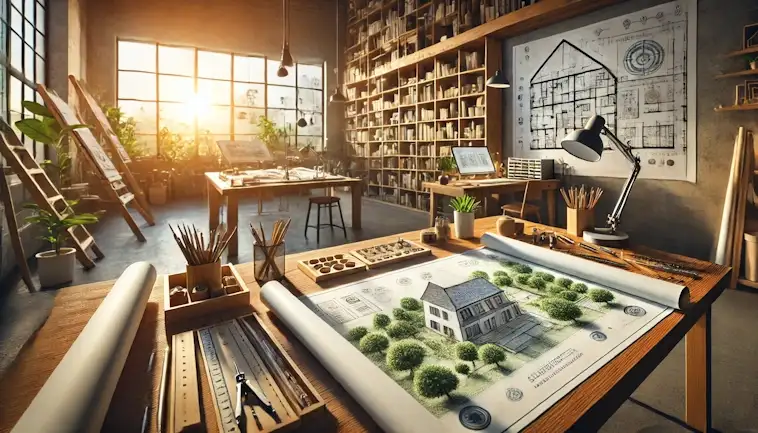
Green Buildings and Climate Change
Architecture plays a crucial role in addressing climate change. Buildings are responsible for a significant portion of global energy use and carbon emissions. Therefore, the way we design, construct, and operate them can have a profound impact on our planet’s health.
Green Buildings and Environmental Sustainability
Green buildings are at the heart of sustainable architecture. They are designed to reduce the overall impact of the built environment on human health and the natural environment. Here’s how they contribute to sustainability:
- Energy Efficiency: Green buildings use less energy through efficient heating, cooling, lighting, and electrical systems. This reduces their reliance on fossil fuels, which are a major source of greenhouse gases.
- Water Conservation: These buildings are designed to use water efficiently. Whether it’s through rainwater harvesting or low-flow fixtures, every drop is used wisely, helping to conserve this precious resource.
- Sustainable Materials: Green buildings often use sustainable materials, like recycled wood or bamboo. These materials are renewable or less harmful to the environment.
Why Architects Focus on Reducing Carbon Footprints
Architects are increasingly focused on reducing the carbon footprint of buildings. Here’s why:
- Climate Impact: Buildings contribute nearly 40% of annual global CO₂ emissions. Reducing these emissions is essential in mitigating climate change.
- Regulatory Compliance: Many regions now have strict regulations on energy use and emissions for buildings. Architects must design with these rules in mind.
- Market Demand: People are becoming more environmentally conscious. There’s a growing demand for buildings that are not only aesthetically pleasing but also environmentally responsible.
- Innovation and Technology: The field of architecture has seen many innovations that allow for smarter, more sustainable design practices. From energy modelling software to new materials that insulate better, technology is empowering architects to build with the environment in mind.
Innovative design practices play a pivotal role in making buildings part of the solution to climate change. Through thoughtful design and sustainable practices, architecture can significantly reduce the environmental impact of the built environment. This makes the role of architects more important than ever as they create spaces that are not only beautiful and functional but also kind to our planet.
The Principles of Sustainable Architecture
Sustainable architecture is all about designing buildings that are good for the environment. It focuses on reducing the negative impact of buildings by efficiently using energy, water, and other resources.
Passive Solar Design
Passive solar design takes advantage of the sun’s energy to heat and light buildings naturally. Here’s how it works:
- Orientation: Buildings are oriented to maximise sunlight during the winter and minimise it during the summer.
- Windows: Large windows face south (in the northern hemisphere) to let in winter sunlight. Overhangs or shades block the hot summer sun.
- Thermal Mass: Materials like concrete or brick absorb and store the sun’s heat and release it slowly, keeping buildings comfortable.
This design reduces the need for artificial heating and cooling, saving energy and money.
Energy Efficiency
Energy efficiency is crucial in sustainable architecture. Efficient buildings use less energy for heating, cooling, lighting, and running appliances. Here are a few ways architects achieve this:
- Insulation: Well-insulated walls and roofs keep buildings warm in winter and cool in summer.
- Energy-efficient Appliances: Features like LED lighting and high-efficiency heating systems reduce energy use.
Sustainable Materials
Choosing the right materials can significantly reduce a building’s environmental impact. Sustainable materials are either derived from renewable sources or recycled from other uses. Examples include:
- Bamboo: Fast-growing and durable, bamboo is a popular eco-friendly building material.
- Recycled Steel: Uses less energy to produce and reduces waste in landfills.
Renewable Energy Integration
Incorporating renewable energy sources like solar panels and wind turbines helps buildings produce their own clean energy. This reduces reliance on fossil fuels and lowers greenhouse gas emissions.
The Impact of Sustainable Architecture
By integrating these principles, sustainable architecture does more than just reduce energy consumption. It also:
- Lowers Operating Costs: Energy-efficient designs and materials mean lower utility bills.
- Reduces Environmental Impact: Less energy use means fewer carbon emissions.
- Improves Occupant Health: Natural materials and better indoor air quality make for healthier living and working spaces.
Sustainable architecture isn’t just a trend; it’s a necessary shift in how we think about designing and building spaces that both serve our needs and protect the planet.
Case Studies: Successful Green Building Projects
Green buildings are popping up all over the world, each showcasing innovative ways to be more environmentally friendly. Let’s explore a few case studies that highlight their success and the strategies they used.
The Edge, Amsterdam
The Edge in Amsterdam is often called the smartest building in the world. Here’s what makes it stand out:
- Technology: It uses an Ethernet-powered LED lighting system that saves a lot of energy.
- Solar Power: The roof and south-facing walls are covered in solar panels.
- Water Efficiency: Rainwater is collected and used to flush toilets and water the gardens.
Challenges: Integrating all the high-tech systems was complex but they managed it brilliantly.
Benefits: The Edge uses 70% less electricity than typical office buildings.
The Pixel Building, Melbourne
The Pixel Building in Melbourne showcases how colour and design can create sustainability.
- Zero Carbon Emission: It produces its own energy and treats its own waste.
- Green Roof: The roof is covered in indigenous plants, which reduces city “heat island” effects.
- Rainwater Recycling: It collects rainwater for bathroom use and garden watering.
Challenges: Achieving zero carbon emissions was tough, requiring innovative materials and technology.
Benefits: Pixel is one of the first carbon-neutral buildings in Australia, setting a standard for others to follow.
The Bullitt Centre, Seattle
The Bullitt Centre has been dubbed the greenest commercial building in the world.
- Solar Panels: It generates all of its own energy from solar panels on the roof.
- Composting Toilets: These significantly reduce water usage.
- Non-Toxic Materials: Only materials safe for human and environmental health were used in construction.
Challenges: Meeting all the requirements of the Living Building Challenge was intense but achievable.
Benefits: The building runs completely on renewable energy and has a 250-year design life.
These examples from around the world show that with the right design and technology, buildings can not only reduce their impact on the environment but also create positive benefits like reduced energy costs and healthier living spaces.
Materials and Technologies in Green Construction
The world of green construction is always evolving, with new materials and technologies making buildings more sustainable and energy-efficient.
Green Insulation Materials
Keeping homes and buildings warm in winter and cool in summer without wasting energy is a big deal. Here’s what’s new in insulation:
- Sheep’s Wool: It’s natural, renewable, and has great insulation properties.
- Recycled Denim: Yes, your old jeans can keep buildings warm! This material is an eco-friendly way to reuse textile waste.
- Aerogel: Known as ‘frozen smoke,’ this highly effective insulator has excellent thermal properties and is super lightweight.
These innovative materials help reduce heating and cooling demands, cutting down on energy use.
Eco-Friendly Concrete
Concrete is essential for construction, but it’s not great for the planet. Here’s how we’re making it greener:
- Fly Ash Concrete: This uses a by-product from coal power plants, reducing landfill waste and making the concrete less carbon-intensive.
- Graphene Concrete: Adding graphene makes concrete stronger and more water-resistant, so we can use less of it.
These advancements not only lower the environmental impact but also enhance the performance and durability of concrete structures.
Smart Glass Technology
Windows play a big role in a building’s energy efficiency. Smart glass is a revolutionary technology that adjusts its properties based on the sunlight. Here’s how it helps:
- Electrochromic Glass: This glass can change its tint when an electric current is applied, reducing the need for artificial lighting and air conditioning.
- Thermochromic Glass: This glass changes its transparency according to the temperature outside, helping to control indoor climate more efficiently.
Smart glass technologies are making buildings smarter about energy, significantly reducing the need for heating and cooling.
These advancements show a promising future for green construction, making buildings more sustainable and less of a burden on our planet. As we continue to innovate, the goal of having minimal environmental impact from our built environments becomes increasingly attainable.
Energy Efficiency and Renewable Energy Integration
Architects have a big role in making buildings more energy-efficient and environmentally friendly. Let’s dive into how they design buildings to use less energy and incorporate renewable energy sources.
Maximising Energy Efficiency
Energy efficiency is key in modern building design. Here’s how architects achieve it:
- Smart Layouts: Buildings are designed to make the most of natural light and heat. This reduces the need for artificial lighting and heating.
- Advanced Insulation: High-quality insulation keeps heat in during the winter and out during the summer. This means less energy is needed to heat or cool the space.
- Energy-Efficient Windows: Double or triple-glazed windows minimise heat loss and help control indoor temperatures.
By focusing on these areas, buildings need less energy for daily operations, which cuts down on utility bills and reduces their carbon footprint.
Integrating Renewable Energy
Renewable energy is a cornerstone of green architecture. Here’s how it’s typically integrated:
- Solar Panels: Many buildings now include solar panels. These panels convert sunlight directly into electricity that can be used on-site.
- Wind Turbines: In windy areas, architects might integrate small wind turbines. These can generate power for the building, especially in high-rise structures.
The Environmental Impact
Incorporating these features significantly cuts down on fossil fuel use. Here’s why that’s important:
- Reduced Greenhouse Gas Emissions: Less reliance on fossil fuels means lower carbon emissions. This is crucial for combating climate change.
- Sustainable Energy Use: Renewable energy sources like solar and wind are sustainable, helping buildings operate more independently of non-renewable energy sources.
Through smart design and innovative use of technology, architects are creating buildings that are not only less dependent on fossil fuels but also better for our environment. This shift is crucial for building a sustainable future where our energy needs are met without harming the planet.
Water Conservation and Management in Building Design
Water is a precious resource, and conserving it is a big focus in green building designs. Architects incorporate clever features to manage and save water.
Rainwater Harvesting
Capturing rainwater is a smart way to reduce a building’s demand for water. Here’s what happens:
- Collection: Rainwater is collected from roofs and stored in tanks.
- Usage: The stored water is used for flushing toilets, watering gardens, and sometimes even washing cars.
This system helps buildings use less drinking water for basic needs, saving it for when it’s really necessary.
Greywater Recycling
Greywater is wastewater from sinks, showers, and washing machines. It’s not as dirty as it sounds and can be reused. Here’s how architects use it:
- Treatment: Greywater gets filtered and treated on-site.
- Reuse: It’s used for irrigation and sometimes for flushing toilets.
Recycling greywater means the building uses much less fresh water and puts less strain on sewage systems.
Water-Efficient Landscaping
Landscaping can use a lot of water. But not if it’s done the green way. Here’s what architects do:
- Drought-Tolerant Plants: Choosing plants that need less water naturally reduces water use.
- Smart Irrigation: Automated systems deliver water only when and where plants need it.
This approach not only saves water but also keeps the surroundings green and beautiful without wastage.
The Benefits of Water Conservation
Here’s why these features are so important:
- Reduces Water Bills: Using less water means lower water bills. It’s good for the wallet and the environment.
- Protects Local Water Resources: Less demand for local water supplies means more water for everyone.
- Supports Sustainable Growth: As cities grow, managing water wisely helps ensure there’s enough to go around.
By designing buildings that conserve water, architects are helping ensure that our water resources last longer and are used more wisely. It’s a win-win for the building owners and the environment.
The Role of Policy and Regulation in Green Architecture
Governments play a big role in pushing the architecture industry toward greener practices. Through policies, regulations, and certifications, they set standards that encourage or even require sustainable building methods.
Certifications Drive Change
Two of the most influential green building certifications are LEED (Leadership in Energy and Environmental Design) and BREEAM (Building Research Establishment Environmental Assessment Method). Here’s what they do:
- Set High Standards: Both certifications have strict guidelines on energy use, water use, material selection, and more.
- Encourage Innovation: To meet these standards, architects and builders often need to innovate, which pushes the industry forward.
Buildings that meet these standards are not only more efficient but often more valuable as well.
The Role of Government Regulations
Governments can mandate sustainability in several ways:
- Building Codes: Many places now have building codes that require energy-efficient design and construction practices.
- Incentives: Tax breaks, grants, and other incentives encourage developers to go green.
- Public Projects: Government buildings often lead by example, incorporating green technologies and practices.
These regulations and incentives make it more advantageous for buildings to be designed with sustainability in mind.
The Impact on the Industry
Here’s how these policies and certifications impact the architecture industry:
- Higher Demand for Green Design: As more governments and clients ask for green certifications, architects have to adapt and learn new, sustainable practices.
- Increased Expertise: This push drives education and training in green building techniques.
- Growth in Green Technology: The more buildings need sustainable technology, the more the market responds with innovative solutions.
Government policies and green certifications are crucial in shaping a sustainable future in construction. By setting the bar high, they ensure the building industry moves towards more sustainable practices, which is essential for reducing our environmental footprint.
The Future of Architecture in the Face of Climate Change
Architects are playing a more critical role than ever in combating climate change. Their work isn’t just about creating structures that look good—it’s about building a sustainable future.
Pioneering Sustainable Design
As awareness of climate change grows, architects are finding new ways to reduce environmental impact:
- Energy Efficiency: They’re designing buildings that use less energy for heating, cooling, and lighting.
- Sustainable Materials: More and more, architects choose materials that are recycled, renewable, or have a low carbon footprint.
Their designs are setting new standards for sustainability.
The Rise of Net-Zero Buildings
Net-zero buildings are a big part of the future. Here’s what they involve:
- Energy Production: These buildings produce as much renewable energy as they consume over a year.
- Advanced Technology: From solar panels to geothermal systems, net-zero buildings use the latest tech to stay energy efficient.
The goal? Buildings that have little to no impact on the climate.
Integrating Nature into Urban Environments
Bringing nature into cities is another trend that’s taking off. Here’s why it’s important:
- Green Spaces: Parks, green roofs, and gardens help cities breathe, reducing the “heat island” effect.
- Biodiversity: These green spaces support local wildlife and bring a slice of nature back to urban areas.
This integration helps make urban environments more sustainable and liveable.
The Future of Green Building
Looking forward, here’s what we can expect:
- More Regulations: Expect more governments to require green building certifications.
- Innovation in Materials: New, even more sustainable materials will likely come to market.
- Community Focus: Future green buildings will focus on improving not just the environment but also the quality of life for their occupants.
Architects are at the forefront of designing a world that uses resources wisely and minimises climate impact. Their evolving role is crucial as we tackle the challenges of climate change and strive for a sustainable future.
Conclusion
As we’ve seen, architects have a pivotal role in the fight against climate change, leveraging green building practices to create a more sustainable future. From the ingenious use of energy-efficient designs to the incorporation of renewable energy and sustainable materials, their work is reshaping our built environment.
With the rise of net-zero buildings and the integration of natural elements into urban spaces, we are witnessing a significant transformation in how structures are conceived and constructed. As this trend continues to grow, the commitment of architects to sustainable development will not only help reduce our environmental footprint but also enhance the quality of life for generations to come. Their innovative approach and dedication are inspiring a wave of change that promises a greener, more resilient world.