Impact of Global Warming on Polar Regions
Impact of Global Warming on Polar Regions
Global warming is hitting the polar regions hard, and the effects are rippling across the planet. As the ice caps melt and sea levels rise, animals like polar bears and penguins are finding it tough to adapt. This not only changes their habitats but also affects us, influencing weather patterns and coastal communities worldwide. We’re taking a look at why the poles are warming so quickly, the consequences for our environment, and what can be done to mitigate these changes. Join us as we break down these complex issues into simple, understandable insights.
What You’ll Discover
Unpacking the Polar Amplification Effect
The Decline of Polar Ice Caps
Global Impacts of Melting Polar Ice
Changes in Polar Biodiversity
How Polar Changes Influence Global Climate
Human and Economic Costs: The Toll of Polar Warming
Global Efforts to Mitigate Polar Warming
Predictions and Preparations for a Warmer Polar Climate
Unpacking the Polar Amplification Effect
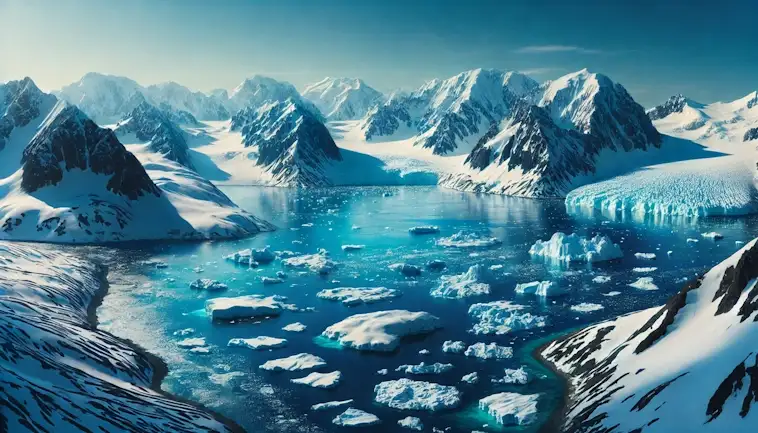
Polar amplification is a fascinating but concerning phenomenon where the Arctic and Antarctic regions are warming much faster than other parts of the world. This effect is causing significant changes in these areas, which can have global impacts.
One key reason behind polar amplification is the reduction in ice and snow cover. Ice and snow are very good at reflecting sunlight back into space. This reflection is known as albedo. When ice and snow cover decreases, there is less albedo and more sunlight is absorbed by the Earth’s surface. Instead of the sun’s energy bouncing back into space, it gets absorbed as heat. This process heats up the surface even more, leading to further melting of ice and snow—a cycle that continues to accelerate warming in these regions.
This warming has a stronger effect in polar regions partly due to the way heat is distributed around the Earth. The atmosphere and ocean currents move heat from the equator towards the poles. As the Earth’s climate changes, these currents are also changing, often bringing even more warm air and water to polar regions, which increases the temperatures further.
Moreover, the Arctic and Antarctic are surrounded by land and ocean that react differently to warming. In the Arctic, for example, the ocean absorbs more heat in the summer when the ice melts and releases this heat back into the atmosphere in winter, which prevents ice from forming as quickly as it used to. This contributes to the Arctic warming even faster than the Antarctic.
Polar amplification is an important indicator of how changes in our climate can have unequal effects on different parts of the world. It highlights the need for monitoring and researching our planet’s polar areas to better understand the broader impacts of climate change.
The Decline of Polar Ice Caps
Rising temperatures around the globe are having a big impact on the polar ice caps, which are shrinking at an alarming rate. This shrinkage is not just a winter phenomenon; it’s happening across all seasons, though it varies.
In the Arctic, the ice melt reaches its peak during the summer, especially in late July and August when the temperatures are highest. Over recent decades, satellite data has shown that the summer ice cover in the Arctic has been decreasing by about 13% per decade. That’s a significant drop, making each summer ice cover smaller than the last.
The Antarctic shows a different pattern. Its ice is more stable during the winter but has seen increased melting in the summer. The variability here is partly due to the complex interactions between ice, ocean, and air, which are influenced by both local and global weather patterns.
Looking ahead, scientists use climate models to project future changes in ice cover. These models are not perfect, but they suggest that if current trends in global warming continue, we could see summers without sea ice in the Arctic within this century. This means that by 2050 or even earlier, there might be a completely ice-free Arctic Ocean during some parts of the summer.
These projections are crucial because the polar ice caps play a key role in the Earth’s climate system. They help regulate the global temperature and support unique ecosystems. As they shrink, it could lead to further drastic changes not only in local environments but also in global weather patterns.
Understanding these changes and their impacts helps underline the importance of taking action against climate change. The more we know, the better we can prepare and adapt to these new challenges.
Global Impacts of Melting Polar Ice
Polar ice melt is leading to rising sea levels, which is a big problem for our planet. When ice that’s on land, like glaciers or the ice sheets of Greenland and Antarctica, melts, it adds water to our oceans. This causes sea levels to go up. Even though it might seem like a slow process, the impact is significant and widespread.
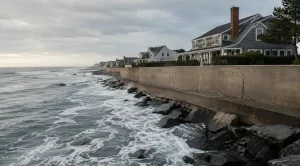
One of the main effects of rising sea levels is the flooding of coastal areas. Many cities and towns around the world are near the coast. As sea levels rise, these areas can experience more frequent flooding. Over time, some places might even become uninhabitable. This is a big concern for people living in these areas, as they may need to move away from their homes.
Coastal ecosystems are also feeling the effects. Saltwater from the ocean can move into freshwater areas, which harms plants and animals that are not adapted to saltwater. This change can disrupt the whole ecosystem. For example, mangrove forests and marshes, which are crucial for protecting coastlines from storms and erosion, are particularly at risk.
Higher sea levels also influence weather patterns. They can make storms more severe. When the sea level is higher, storms can push more water onto the land, which means storm surges become more destructive. This can lead to greater damage during hurricanes and typhoons.
As we look to the future, understanding these impacts is crucial. It helps us prepare and protect our communities and natural habitats. Actions to reduce greenhouse gas emissions and strategies to adapt to rising sea levels are important steps we need to consider in addressing these challenges. This way, we can help safeguard our planet for future generations.
Changes in Polar Biodiversity
Warming temperatures in the polar regions are changing the lives of the plants and animals that live there. These changes bring big challenges, especially for species like polar bears and penguins.
Polar bears in the Arctic depend on sea ice to hunt for their main food, seals. As the climate warms and the ice melts, there’s less stable ice for hunting. This makes it harder for polar bears to find food, affecting their health and their ability to raise young. Scientists are really worried because if this trend continues, polar bears might struggle to survive.
In Antarctica, penguins are facing similar challenges. Species like the Emperor penguin need solid ice to breed. Warming temperatures mean less ice, which disrupts their breeding season. Young penguins might not survive if their nesting sites are unstable. Also, as ice melts, it changes the availability of krill—a main food source for many Antarctic animals, including penguins. Less krill means less food for everyone.
Besides these iconic animals, the entire habitat in polar regions is shifting. Plants in these cold climates are adapted to extreme conditions, but as it gets warmer, plants from warmer areas might start moving in. This can lead to competition, and local polar plants might not survive. This shift can affect all the animals that depend on these plants for food and shelter.
The loss of species and changes in habitat in the poles have broader implications for global biodiversity. Every species plays a role in its ecosystem, and the loss of one can affect many others. As polar environments change, it can have ripple effects felt across the world.
Understanding and addressing these changes is crucial. Protecting these unique ecosystems and their inhabitants can help maintain the balance and health of our planet’s biodiversity.
How Polar Changes Influence Global Climate
Changes happening in the polar regions are influencing weather patterns all around the world in surprising ways. These changes can be seen in the jet stream, ocean currents, and even in how often we see extreme weather events.
The jet stream is like a fast-flowing river of air high up in the atmosphere that travels from west to east. It influences the weather by moving air masses and storm systems around the planet. When the Arctic warms up quickly, which it is doing now, it reduces the temperature difference between the Arctic and the equator. This can cause the jet stream to weaken and wobble more. When the jet stream wobbles, it sends cold Arctic air further south and warm tropical air further north. This leads to unusual weather patterns, like colder winters in some places and hotter, drier conditions in others.
Ocean currents, which are driven by temperature and salinity differences in sea water, also change. These currents play a crucial role in regulating the world’s climate. As polar ice melts and fresh water pours into the oceans, it can disrupt these currents. This can lead to more erratic and extreme weather, like more intense storms and unpredictable weather patterns.
The frequency of extreme weather events is also affected. With warmer temperatures and more moisture in the air, storms can become more powerful and more frequent. This means more intense hurricanes, heavier rainfall, and increased flooding. On the flip side, some areas might experience more severe droughts.
All these changes show how interconnected our planet’s climate system is. What happens in the far-away Arctic and Antarctic affects us all, influencing weather patterns and extreme events across the globe. By understanding these connections, we can better prepare for and adapt to the changing climate.
Human and Economic Costs: The Toll of Polar Warming
Polar warming is having a big impact on human populations, especially on Indigenous communities who live close to these regions, as well as on global economies.
Indigenous people in the Arctic depend heavily on their natural environment. They rely on fishing, hunting, and gathering for their food and culture. As temperatures rise and ice melts, animals they depend on, like seals and polar bears, move to new areas in search of colder habitats. This change forces Indigenous communities to travel farther and take more risks to maintain their traditional ways of life. It also threatens their cultural heritage, which is deeply connected to the land and the wildlife.
Additionally, the thawing of permafrost can make the ground unstable, damaging the infrastructure in these communities. Buildings, roads, and airports can all be affected, making everyday life more difficult and expensive. This disruption is not just a problem for local people; it affects everyone who depends on these infrastructures, including businesses and governments.
Globally, the economic impacts of polar warming are vast. Rising sea levels, as a result of melting ice, threaten coastal areas with flooding, which can cause billions of dollars in damage to homes, businesses, and critical infrastructure. This kind of damage can disrupt economies, both locally and internationally.
Moreover, changes in sea ice patterns and ocean temperatures can disrupt marine ecosystems, which affects global fishing industries. These changes can lead to a decrease in fish stocks, affecting food supply and jobs around the world.
All these effects show how interconnected our global system is. The warming of the poles might seem remote, but its impacts can ripple through to affect economic stability and human security worldwide. Understanding these risks is crucial for preparing and adapting to these inevitable changes.
Global Efforts to Mitigate Polar Warming
To combat the effects of global warming on the polar regions, countries around the world have come together to create international policies and agreements. One of the most important is the Paris Agreement. Under this agreement, countries pledge to limit the rise in global temperatures to well below 2°C above pre-industrial levels, aiming for 1.5° if possible. This goal is crucial for protecting the polar regions from extreme warming, which can lead to massive ice melt and severe global consequences.
In addition to the Paris Agreement, there are specific initiatives aimed at protecting the polar environments. For example, the Arctic Council, which includes countries like Canada, Denmark, Finland, Iceland, Norway, Russia, Sweden, and the United States, focuses on promoting cooperation, coordination, and interaction among the Arctic states, with the involvement of the Indigenous communities. They work on issues like sustainable development and environmental protection in the Arctic.
Countries that are directly affected by polar changes also take their own measures. For instance, Canada has developed strategies to protect its northern communities and ecosystems by investing in renewable energy projects and infrastructure that can withstand the changing climate. Norway, meanwhile, invests heavily in climate research, particularly in understanding changes in the Arctic and their global impacts.
Russia, which has a vast Arctic coastline, has introduced policies to monitor permafrost melt and to develop its Arctic resources more sustainably. These measures aim to reduce environmental damage while still benefiting from the region’s natural resources.
All these efforts show a global recognition of the importance of the polar regions and the need to protect them. By working together, countries can help mitigate the impacts of global warming, not just at the poles, but across the whole planet. This cooperation is vital for the health of our global environment and for the stability of our climate.
Predictions and Preparations for a Warmer Polar Climate
Scientific models are like crystal balls that help us predict what might happen in the polar regions as our planet warms up. These models are showing us that if we keep going down the current path, we could see dramatic changes like the Arctic becoming ice-free during the summer. This change could happen as soon as 2050. This would be a big deal because it would affect weather patterns, sea levels, and ecosystems all around the world.
Different regions are already preparing for these expected changes. In the Arctic, countries are planning for new shipping routes that will open up as the ice melts. This could reduce travel time for global shipping and open new areas for oil and natural gas exploration. However, these opportunities also come with risks, like oil spills and disturbances to wildlife, which is why strong regulations are being put in place.
Countries with coastlines are getting ready for higher sea levels by building sea walls and better drainage systems to deal with flooding. Some are even relocating entire communities from vulnerable areas to safer places.
Scientific research plays a crucial role in forecasting and mitigating these future impacts. Scientists are working hard to improve their models to make predictions more accurate. This helps governments and businesses plan better for the future. Researchers are also studying how to reduce the effects of global warming. They look into new technologies that can remove carbon dioxide from the air or find more efficient ways to use and store renewable energy.
Moreover, scientists are important advisors for policymakers. They provide the data needed to make informed decisions about how to protect our environment and ensure a sustainable future for everyone.
As the planet continues to warm, the work of scientists will become even more crucial. They help us understand what’s coming and how best to prepare for it. This is key to protecting our planet and our way of life as we face these global changes.
Conclusion
Global warming is affecting the polar regions more intensely than many other parts of the world, leading to significant changes that ripple across the globe. As ice melts and habitats shift, the animals that call these places home face increasing challenges. This includes iconic species like polar bears and penguins, which struggle to find food and breeding grounds.
The effects go beyond wildlife, impacting human communities as well. Indigenous populations in these regions, who rely on their natural environment for sustenance and culture, are finding their way of life increasingly at risk. Meanwhile, rising sea levels threaten coastal areas worldwide, promising more frequent and severe flooding that could displace millions of people.
These changes underscore the need for urgent action. Global initiatives such as the Paris Agreement aim to curb temperature rises, but local actions and continued scientific research are crucial to adapt to and mitigate these impacts effectively. By coming together to address these challenges, we can hope to preserve the polar regions and protect our planet’s health and biodiversity. This is not just about saving distant icy landscapes but about ensuring a stable and sustainable future for generations to come.