Palm Expansion Is Destroying Wildlife and Ancient Forests
Palm Expansion Is Destroying Wildlife and Ancient Forests Across the Globe
Palm expansion is accelerating at a shocking pace, and the damage is becoming impossible to ignore. Across tropical regions, vast areas of ancient rainforest are being cleared to make room for plantations. As a result, endangered wildlife is losing its habitat, fragile ecosystems are collapsing, and communities that depend on forests for survival are facing growing pressure.
At the same time, some of the world’s oldest forests are disappearing faster than they can recover. Orangutans, tigers, elephants, and countless other species are being pushed closer to extinction as industrial growth spreads deeper into untouched land. While palm oil remains a key ingredient in many everyday products, the environmental cost behind large-scale production continues to raise serious global concern.
What You’ll Discover
How Palm Expansion Is Fueling Global Deforestation
Wildlife Habitats Are Disappearing at an Alarming Rate
Palm Expansion Threatens Ancient Forest Ecosystems
The Hidden Environmental Cost of Cheap Palm Oil
Why Protecting Rainforests Matters More Than Ever
Conclusion: Why Palm Expansion Cannot Continue Unchecked
How Palm Expansion Is Fueling Global Deforestation
Palm oil is everywhere. It is found in snacks, cosmetics, cleaning products, and even biofuels. In fact, millions of people use products containing palm oil every single day without even realizing it. However, behind this growing demand lies a serious environmental problem.
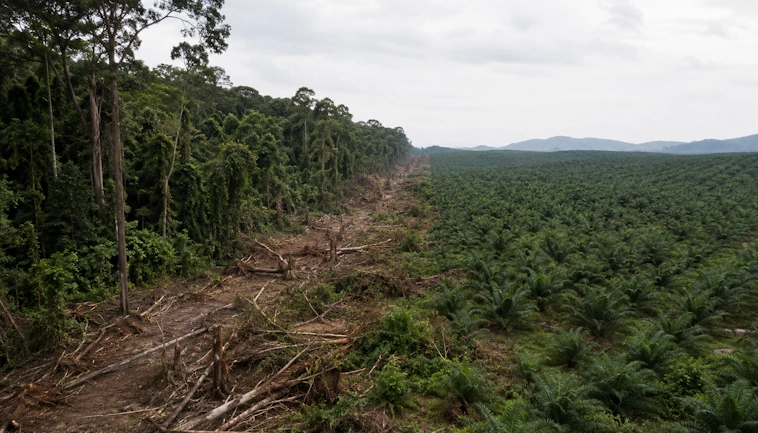
To meet global demand, large areas of tropical rainforest are being cleared to make room for palm plantations. This is happening most heavily in countries like Indonesia and Malaysia, which together produce most of the world’s palm oil. Unfortunately, these forests are some of the most biodiverse places on Earth.
As forests disappear, wildlife loses its natural habitat. Species such as the Orangutan, pygmy elephants, and Sumatran tigers are being pushed closer to extinction. At the same time, local communities are often displaced as land is converted into industrial plantations.
Why Palm Plantations Are Expanding So Quickly
There are several reasons why palm oil production continues to grow at a rapid pace. First, palm oil is incredibly efficient. Oil palm trees produce far more oil per acre than crops like soy or sunflower. Because of this, companies see palm oil as a cheap and profitable option.
In addition, global consumption keeps increasing. Food manufacturers, beauty brands, and energy companies all rely heavily on palm oil because it is versatile and inexpensive.
Key drivers behind palm expansion include:
- Rising global demand for processed foods
- Increased use of biofuels
- Low production costs
- High profits for producers
- Expanding international trade markets
However, this rapid growth comes at a major environmental cost.
The Environmental Impact of Forest Clearing
When rainforests are cut down or burned, huge amounts of carbon dioxide are released into the atmosphere. This contributes directly to climate change. In some regions, peatlands are also drained to create plantations. These peat soils store massive amounts of carbon, so disturbing them makes emissions even worse.
Deforestation also affects water systems and soil quality. Without forests, land becomes more vulnerable to erosion and flooding. In addition, many indigenous groups lose access to forests they have depended on for generations.
Although some companies now promote sustainable palm oil, critics argue that progress is still too slow. As consumers become more aware of the issue, pressure is growing for stronger environmental protections and more responsible sourcing.
Ultimately, the future of tropical forests may depend on how quickly governments, businesses, and consumers act to reduce destructive palm expansion.
Wildlife Habitats Are Disappearing at an Alarming Rate
Nature is changing faster than many people realize. Across the world, forests are shrinking, wetlands are drying up, and oceans are becoming more polluted. As a result, wildlife is losing the places it needs to survive.
Animals depend on healthy habitats for food, water, shelter, and breeding. However, human activity is putting enormous pressure on these natural spaces. Cities continue to expand. Roads cut through forests. Meanwhile, climate change is making already fragile ecosystems even weaker.
Sadly, this problem is growing every year. According to conservation groups, countless species are now at risk because their habitats are disappearing faster than they can adapt. From tropical rainforests to Arctic ice fields, the damage can now be seen almost everywhere.
Even so, there is still hope. More people are becoming aware of the issue. Communities, scientists, and environmental organizations are working together to protect endangered habitats before it is too late.
The Main Causes Behind Habitat Loss
Several factors are driving habitat destruction around the world. One of the biggest causes is deforestation. Large areas of forest are cleared for farming, construction, and logging. As these trees disappear, animals lose both shelter and food sources.
In addition, pollution continues to harm rivers, oceans, and soil. Plastic waste, chemicals, and oil spills damage ecosystems and threaten marine life. At the same time, rising global temperatures are changing weather patterns and forcing animals to move away from their natural homes.
Why Protecting Habitats Matters for Future Generations
Protecting wildlife habitats is not only about saving animals. It is also about protecting the balance of nature itself. Healthy ecosystems provide clean air, fresh water, and stable climates. In other words, human survival is closely connected to the health of the planet.
Furthermore, future generations deserve the chance to experience the beauty of nature. Without action today, many species and ecosystems could disappear forever. That is why conservation efforts, sustainable living, and stronger environmental policies are more important now than ever before.
Palm Expansion Threatens Ancient Forest Ecosystems
Across the tropics, ancient forests are disappearing at an alarming pace. One of the biggest drivers is the rapid expansion of palm oil plantations. While palm oil is found in everyday products like snacks, cosmetics, and cleaning supplies, its environmental cost is becoming harder to ignore.
For decades, rainforests have acted as some of the planet’s most valuable ecosystems. They store carbon, regulate rainfall, and support thousands of species. However, large areas of these forests are now being cleared to make room for industrial agriculture. As demand for palm oil continues to grow, the pressure on fragile landscapes increases as well.
In many regions, forests that took centuries to develop are being destroyed in just a few weeks. As a result, wildlife loses critical habitat, indigenous communities face displacement, and biodiversity declines rapidly. Even worse, once these ecosystems are damaged, recovery can take generations.
Why Ancient Forests Matter
Ancient forests are far more than collections of trees. They are living ecosystems that support balance across the natural world. In addition, they play a major role in fighting climate change.
Some of the most important benefits include:
- Absorbing and storing massive amounts of carbon dioxide
- Protecting endangered wildlife species
- Preventing soil erosion and flooding
- Supporting local and indigenous communities
- Maintaining clean water systems and rainfall cycles
Without these forests, environmental stability becomes much harder to maintain.
The Hidden Impact of Palm Plantations
At first glance, palm plantations may appear green and productive. Yet they are very different from natural forests. A plantation usually contains rows of a single crop, which creates a monoculture environment with limited biodiversity.
This shift creates several long-term problems:
- Wildlife populations decline because natural habitats disappear
- Soil quality weakens over time
- Forest fires become more common in cleared areas
- Carbon emissions rise after land is burned or drained
- Water systems become polluted by agricultural runoff
Animals such as orangutans, tigers, and forest elephants are especially vulnerable. Many are pushed into smaller habitats, which increases the risk of extinction.
At the same time, global awareness is growing. Consumers are asking tougher questions about where products come from and how they are made. Because of this, more companies are now facing pressure to adopt sustainable sourcing practices.
Looking ahead, stronger conservation policies and responsible farming methods could help reduce environmental damage. Still, meaningful change will require cooperation between governments, businesses, and consumers alike.
The Hidden Environmental Cost of Cheap Palm Oil
Palm oil is everywhere. It is found in chocolate, shampoo, frozen pizza, lipstick, and even cleaning products. In fact, many people use products containing palm oil every single day without even realizing it. While it helps keep prices low and products shelf-stable, there is another side to the story that often stays hidden.
Behind many cheap palm oil products lies a growing environmental crisis.
Over the last few decades, huge areas of tropical rainforest have been cleared to make room for palm oil plantations. This has happened mainly in countries like Indonesia and Malaysia, where some of the world’s oldest rainforests once stood. Sadly, these forests are home to rare wildlife, including orangutans, tigers, elephants, and rhinos.
As demand for low-cost palm oil continues to rise, more forests are destroyed each year. As a result, animals lose their habitats and entire ecosystems begin to collapse. In many cases, land is burned to clear space quickly, which releases massive amounts of carbon dioxide into the atmosphere.
Why Rainforest Destruction Matters
Rainforests play a vital role in protecting the planet. They absorb carbon emissions, support biodiversity, and help regulate weather patterns across the globe. However, when forests are cut down or burned, the stored carbon is released back into the air.
This process adds to climate change and increases global temperatures.
At the same time, deforestation can also lead to soil erosion, polluted rivers, and reduced air quality. Communities living near plantations often experience haze and smoke from forest fires, especially during dry seasons.
The Consumer Connection
Many shoppers are surprised to learn how often palm oil appears in everyday products. Unfortunately, companies sometimes use vague labels such as “vegetable oil” instead of clearly stating the source. Because of this, consumers may support harmful practices without meaning to.
Still, there is growing pressure for change.
Today, more brands are investing in sustainable palm oil production. Some companies now work with environmental groups to reduce deforestation and improve supply chains. Consumers are also becoming more aware and are choosing products that use certified sustainable palm oil.
Although progress is happening, the challenge is far from over. Cheap palm oil may lower prices at the checkout, but the long-term environmental cost is far greater.
Why Protecting Rainforests Matters More Than Ever
Rainforests are some of the most important places on Earth. They cover only a small part of the planet, yet they support millions of plant and animal species. More importantly, they help regulate the climate, produce oxygen, and absorb huge amounts of carbon dioxide.
However, rainforests are disappearing at an alarming rate. Every day, large areas are cleared for farming, logging, mining, and development. As a result, wildlife habitats are destroyed, indigenous communities are displaced, and global temperatures continue to rise.
That is why protecting rainforests matters more than ever.
Today, the effects of climate change are becoming harder to ignore. Heatwaves are stronger, storms are more severe, and droughts are lasting longer. Rainforests play a major role in slowing these changes down. They act like giant carbon storage systems, helping to keep the Earth’s temperature balanced.
At the same time, rainforests provide food, medicine, and livelihoods for millions of people around the world. In fact, many modern medicines have ingredients that were first discovered in rainforest plants. Without these forests, future medical breakthroughs could be lost forever.
How Rainforests Help Protect the Planet
Rainforests do far more than look beautiful. They support life in ways many people do not realize.
Key Benefits of Rainforests
- Absorb carbon dioxide and reduce greenhouse gases
- Help control global weather patterns
- Produce oxygen that supports life on Earth
- Protect biodiversity and endangered species
- Support indigenous communities and local economies
- Provide ingredients used in medicines and healthcare
- Help prevent soil erosion and flooding
Even small actions can make a difference. For example, choosing sustainable products, reducing waste, and supporting conservation groups all help protect rainforest ecosystems.
Furthermore, governments and businesses are starting to face growing pressure to act responsibly. Consumers now care more about sustainability than ever before. Because of this, companies are being encouraged to reduce deforestation and invest in greener practices.
Protecting rainforests is no longer just an environmental issue. It is a global issue that affects health, economies, wildlife, and future generations. The choices made today will shape the world tomorrow.
Simply put, if rainforests disappear, the impact will be felt everywhere.
Conclusion: Why Palm Expansion Cannot Continue Unchecked
Palm expansion is no longer just an environmental issue. It is a global crisis affecting wildlife, ancient forests, and the future of our planet. As forests are cleared at a rapid pace, countless species are losing their habitats, while ecosystems that took thousands of years to develop are disappearing within decades.
At the same time, the demand for palm oil continues to grow. However, growth should not come at the cost of biodiversity and climate stability. Governments, companies, and consumers all have a role to play in creating a more sustainable future. Supporting ethical sourcing, stronger environmental laws, and forest protection can help slow the damage caused by palm expansion.
Looking ahead, there is still hope. New farming methods, better supply chain transparency, and rising public awareness are pushing the industry toward change. Yet action must happen faster. Protecting ancient forests today will help preserve wildlife, reduce carbon emissions, and safeguard natural ecosystems for future generations.
Ultimately, the choices made now will determine whether palm expansion continues to destroy some of the world’s most valuable forests or becomes part of a more sustainable path forward.