
Rising Waters: Urgent Alert on Coastal Flooding!
Rising Waters: Urgent Alert on Coastal Flooding!
Rising sea levels and erratic weather patterns are sounding alarms for coastal communities worldwide. These regions are facing increased risks of flooding, putting homes, ecosystems, and local economies at stake. This growing concern highlights the need for awareness and action. From preventative measures to the latest research, we’re taking a look at the vital steps and strategies to mitigate the impact of coastal flooding. Join us as we look into what causes these events and how communities are adapting to the challenges they pose.
What You’ll Discover
Coastal Flooding: Causes and Consequences
Historical Data: Lessons from Past Flood Events
Current Hotspots: Identifying High-Risk Areas
Economic Impact: The Cost of Rising Waters
Community Responses: Adaptation and Resilience
Governmental Roles and Responsibilities
New Frontiers in Flood Management
How You Can Help Prevent Future Flooding
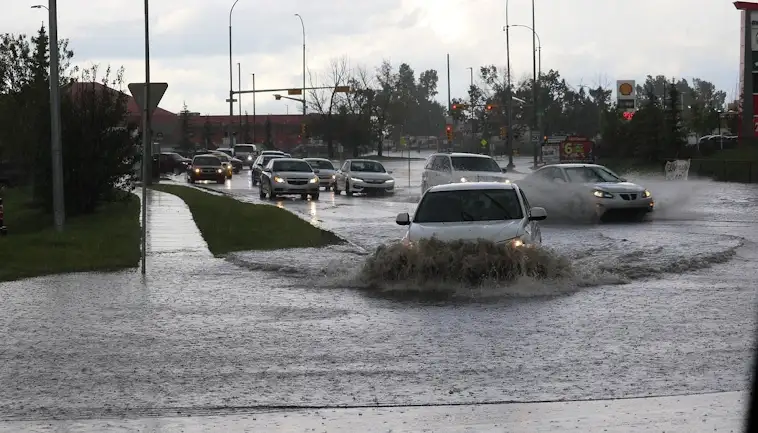
Coastal Flooding: Causes and Consequences
Coastal flooding is a growing concern due to a combination of scientific and environmental factors. Primary among these is sea-level rise. As the planet warms, glaciers and ice caps melt, increasing ocean volumes. Warmer water also expands, contributing further to sea levels that creep higher each year.
Storm surges are another critical factor. These occur when strong winds from hurricanes or cyclones push water towards the shore, temporarily raising the water level dramatically. This effect can be exacerbated by high tides, leading to severe flooding in coastal areas.
Climate change plays a significant role in both these phenomena. As the atmosphere warms, it not only melts ice but also intensifies weather patterns. Hurricanes become more powerful and potentially more frequent, increasing the risk and severity of storm surges.
The immediate effects of coastal flooding are often devastating. Habitats such as wetlands and mangroves can be inundated with saltwater, damaging these ecosystems and the species that depend on them. For human populations, the impact is also severe. Homes and businesses can be submerged, leading to displacement of communities and economic losses.
In the long term, the effects can reshape coastlines and alter landscapes permanently. Saltwater intrusion into freshwater systems can make water undrinkable and soils infertile, complicating farming and water supply. Infrastructure like roads, bridges, and sewage systems may also be overwhelmed, requiring costly repairs or relocation.
Overall, the increasing frequency and intensity of coastal flooding pose significant challenges. They demand both immediate action to manage risks and long-term strategies to adapt to changing conditions. Addressing these issues involves reinforcing coastlines, improving emergency response systems, and planning sustainable development that considers the inevitable changes in our warming world.
Historical Data: Lessons from Past Flood Events
Coastal flooding has left its mark on various parts of the world, often with severe consequences. Looking at past incidents helps us understand trends and the escalating nature of these events, as well as evaluate responses.
In 2005, Hurricane Katrina caused catastrophic flooding in New Orleans, USA. The storm surges breached levees, and the city was submerged under water for weeks. This disaster highlighted the failure of the existing flood defences and emergency response. It spurred a major overhaul of the city’s flood protection system and emergency procedures.
Across the globe in 2011, Thailand experienced one of its worst floods in decades. Monsoon rains, coupled with poor urban planning, overwhelmed Bangkok’s defences. The economic toll was massive, pushing the country to improve its flood management infrastructure and urban planning strategies.
More recently, in 2012, Superstorm Sandy struck the eastern coast of the USA. New York City saw unprecedented flooding, especially in areas like Lower Manhattan and the subway system. The scale of Sandy’s impact demonstrated the need for cities to adapt to changing climates and rising sea levels. Since then, New York has invested in extensive flood prevention measures like sea walls and floodgates.
In 2013, Typhoon Haiyan hit the Philippines, leading to significant loss of life and displacing thousands. The storm surge was particularly deadly in Tacloban City. The response was criticised for its slowness and lack of preparedness, which has pushed the country towards better disaster readiness and improved early warning systems.
These incidents underline a clear trend: coastal flooding is becoming more frequent and severe. Effective responses often follow significant losses, showing a pattern of reactive rather than proactive planning. Moving forward, learning from past events and investing in preventative measures will be crucial to mitigate the impact of future floods.
Current Hotspots: Identifying High-Risk Areas
Coastal flooding is a pressing concern for many regions around the globe, particularly those with low-lying coastlines and large populations near the shore.
Bangladesh is one of the most vulnerable countries. Much of the land is just above sea level and home to millions. Rising sea levels and stronger cyclones threaten extensive flooding here, which could displace large segments of the population.
In the United States, cities like Miami and New Orleans are also at high risk. Miami faces the dual threats of rising seas and sinking land. Predictions suggest that by 2060, large areas of Miami could experience serious regular flooding. New Orleans, still mindful of Hurricane Katrina’s devastation, continues to improve its defences against future threats.
Southeast Asia, particularly Vietnam, Indonesia, and Thailand, are regions where large coastal populations are frequently exposed to storms and rising seas. Jakarta, for example, is sinking due to excessive groundwater extraction, compounding the flood risks from rising sea levels.
In Europe, cities like Venice are famous for their struggles with flooding. Venice experiences frequent “acqua alta” or high water events that flood streets and buildings. Efforts to build mobile barriers to protect the city are underway but have faced many challenges.
These areas are at risk due to a combination of factors including geographic location, elevation, and local climate effects. Economic and demographic pressures also play a role, as rapid urbanisation pushes more people to live in vulnerable areas without adequate infrastructure to protect them.
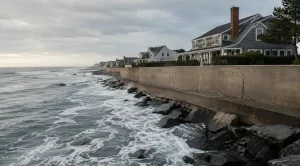
Addressing these risks involves a combination of hard defences like sea walls, better planning and building regulations, and, crucially, global efforts to mitigate climate change. Preparing for future challenges is essential as predictions indicate that without significant action, coastal flooding will become more frequent and severe, affecting millions worldwide.
Economic Impact: The Cost of Rising Waters
Coastal floods can have severe financial implications, impacting everything from individual properties to entire economies. When floods hit, the immediate costs are often staggering. Homes and businesses can be damaged or destroyed, leading to substantial repair bills and losses in property value. For many, these losses are worsened by insufficient insurance coverage.
Businesses suffer too. Floods can halt operations, disrupt supply chains, and deter tourists, leading to significant revenue losses. For example, a coastal restaurant might have to close for repairs, losing weeks or months of income. Nearby, a hotel might see a drop in guests fearful of recurring floods.
The broader economic disruptions are just as concerning. Infrastructure like roads, bridges, and utilities often require costly repairs after severe flooding. This not only strains government budgets but also impacts economic activity, slowing recovery and affecting livelihoods long after the waters recede.
Preventive measures, though costly, are generally far more economical in the long run. Building sea walls, elevating structures, and restoring natural barriers like mangroves and wetlands involve significant upfront costs. However, these investments are typically less than the costs of recovery. For instance, for every dollar spent on flood prevention, savings on post-disaster recovery can range from four to seven dollars.
Governments and communities increasingly recognise that investing in prevention is more cost-effective than spending on recovery. Strategic planning, improved building codes, and sustainable development practices are key to reducing the financial impact of coastal floods. By adopting these measures, communities can not only save money but also enhance resilience against future flooding events, protecting economies and the well-being of their citizens.
Community Responses: Adaptation and Resilience
Communities around the world are finding creative ways to adapt to the threat of rising waters. These responses aim to minimise damage and make areas more resilient to future floods.
One common strategy is elevating homes and buildings. For instance, in New Orleans and parts of coastal New Jersey, many homes are now built on stilts or have been raised several feet above ground. This elevation helps keep living spaces dry even when floodwaters rise.
In addition to elevating buildings, constructing barriers is another effective tactic. The Netherlands, known for its low-lying terrain, has become a leader in this area. They use an extensive system of dikes, storm surge barriers, and pumps to protect their land from the sea. One notable example is the Maeslantkering, a massive storm surge barrier that automatically closes when Rotterdam is threatened by floods.
Flood-resistant urban planning is also gaining traction. Cities like Rotterdam and Copenhagen have embraced solutions that work with water rather than against it. They’ve developed public spaces that can safely flood without causing damage to the surrounding areas. Parks, plazas, and playgrounds double as water storage areas during heavy rains, gradually releasing water back into the environment once the risk subsides.
Singapore offers another example with its ingenious use of green roofs and vertical gardens that help absorb rainwater, reducing runoff and lowering flood risk. Meanwhile, Bangkok is working on an extensive network of canals combined with a robust urban drainage system to manage its floodwaters more effectively.
These strategies show that while the threat of rising waters is serious, there are numerous ways communities can adapt. By elevating structures, building barriers, and rethinking urban landscapes, cities can protect themselves from the worst effects of flooding, ensuring a safer, more sustainable future for their residents.
Governmental Roles and Responsibilities
Governments at various levels play a crucial role in managing flood risks and implementing a range of policies to protect communities and ecosystems. These policies vary in scope and effectiveness, addressing everything from emergency response to long-term planning.
At the local level, governments often focus on land use planning to control where and how buildings are constructed. This includes zoning laws that prevent construction in high-risk flood areas and requirements for flood-resistant building materials and designs. For example, cities like New York have revised building codes post-Hurricane Sandy to ensure that new constructions can withstand flooding. However, enforcing these codes consistently remains a challenge, especially in rapidly growing urban areas.
State or regional governments typically oversee larger infrastructure projects such as levees, sea walls, and drainage systems. They also manage conservation efforts that can mitigate flooding, such as wetland restoration and river management. States like Louisiana have developed extensive coastal restoration plans to buffer against sea level rise and hurricanes. While these projects can be highly effective, they often require significant funding and long-term commitment, which can be difficult to maintain across political cycles.
At the national level, governments can provide crucial coordination and funding for flood mitigation efforts. Policies may include subsidised flood insurance, grants for flood prevention projects, and national standards for flood risk management. The effectiveness of these policies can vary widely. For example, the U.S. National Flood Insurance Program helps make insurance more accessible, but it has also faced criticism for encouraging development in vulnerable areas, thereby increasing risk.
Improvements are needed across all levels of government. There is a pressing need for better integration of local, state, and national efforts and for policies that support sustainable development. Additionally, more investment is necessary in both preventative measures and in the resilience of existing infrastructure. As climate change continues to exacerbate flood risks, governments must also adapt their policies to reflect new realities, ensuring that communities can thrive despite increasing threats.
New Frontiers in Flood Management
As coastal flooding becomes more common, technological advancements and innovative solutions are key to managing and mitigating these risks. Experts are developing smarter, more efficient ways to keep water at bay, predict floods, and alert communities.
Smart barriers represent one of the most advanced defences against flooding. Cities like Venice, Italy, are testing mobile barriers that can rise from the sea to block incoming tides and lower back down when the danger passes. These barriers are designed to be both effective and less intrusive on the daily life and scenery of the city.
Forecasting models have also seen significant improvements. Thanks to advances in meteorology and computing, scientists can now predict storm surges and high tides with greater accuracy and further in advance. These models use data from satellites, ocean buoys, and historical weather patterns to forecast flooding events. The improved accuracy gives governments and emergency services more time to activate evacuation plans and deploy resources where they are needed most.
Community alert systems have become more sophisticated, too. Many coastal areas now use systems that can send instant flood warnings to smartphones, radios, and TVs. These alerts can be targeted to specific neighbourhoods, ensuring that messages are timely and relevant. For example, in the United States, the Integrated Public Alert and Warning System (IPAWS) allows FEMA to send emergency alerts directly to all mobile phones in an affected area.
Additionally, there are innovations like flood-resistant materials for building construction, elevated roadways, and absorbent pavement materials that help manage water runoff more effectively. Communities are also exploring the use of artificial intelligence to improve water management systems, predicting flow patterns and automatically adjusting barriers and gates as needed.
Together, these technologies and innovations are forming a modern toolkit for dealing with coastal flooding, combining prevention, prediction, and practical solutions to safeguard vulnerable areas. As these technologies evolve, they offer hope for reducing the impact of flooding events and enhancing community resilience.
How You Can Help Prevent Future Flooding
When it comes to preventing coastal flooding, both individuals and communities can take meaningful steps to make a difference. Here’s some practical advice on how everyone can contribute to flood prevention efforts.
First, supporting and participating in community planning and policy-making is crucial. Attend town meetings, vote on local initiatives, and support policies that focus on sustainable development and flood risk management. When communities plan new developments or update infrastructure, they must consider the risks of flooding.
On a personal level, consider making your own home more flood-resistant. This could mean installing flood barriers or, if you’re in a high-risk area, elevating your home. Simple measures like clearing drains and gutters can also help reduce the risk of water buildup during heavy rains.
Another practical step is to landscape wisely. Planting native vegetation can help absorb rainwater, reduce runoff, and stabilise soil. If you have a yard, consider creating a rain garden, which is designed to collect and absorb runoff from roofs, driveways, and other hard surfaces.
Being prepared is also key. Have an emergency plan and a go-bag ready, know your evacuation routes, and stay informed about the weather during storm seasons. Investing in flood insurance can provide financial protection, even if you don’t live in a designated high-risk flood zone.
Lastly, you can help address the root causes of increased flooding by reducing your environmental impact. Actions like conserving water, reducing energy consumption, and minimising waste all contribute to lessening the broader impacts of climate change, which is a major driver of sea-level rise and more severe storms.
By taking these steps, individuals and communities not only protect their own homes and neighbourhoods but also contribute to broader flood prevention efforts. Every small action, when added together, can lead to significant changes that enhance resilience against flooding.
Conclusion
As we’ve seen, the threat of coastal flooding is not just a distant worry—it’s an immediate concern that affects millions of people around the world. Rising sea levels, more intense storms, and unsustainable development practices all contribute to increasing risks. But there is hope. Through smarter planning, innovative technology, and community involvement, we can defend our coastlines and secure our communities.
We all have a role to play. From supporting local policies to making personal changes in our homes and lifestyles, every action counts. Let’s come together to strengthen our defences against rising waters and ensure a safer, more resilient future for everyone. Remember, the time to act is now. Let’s not wait for the waters to rise before we decide to stand tall.