
Fuelling Tomorrow: How Renewables Reshape Our World
Fuelling Tomorrow: How Renewables Reshape Our World
Renewable energy is quickly changing our world. From solar panels to wind turbines, these green technologies help us reduce pollution and depend less on fossil fuels. This shift is not just good for the planet; it also brings new jobs and better technology that make green energy even more exciting. As we move forward, it’s fascinating to see how renewables are making our future brighter and more sustainable. Let’s look at how these powerful resources are shaping the way we live and power our daily lives.
What You’ll Discover
The Green Revolution: A New Era of Energy
Harnessing the Power of the Sun and Wind
The Rise of Biofuels and Geothermal Energy
Economic Impacts: The Cost of Going Green
Policy and Government: Legislating for Change
Technological Innovations Driving Change
The Environmental and Social Benefits
What the Future Holds: Renewable Energy Forecasts
The Green Revolution: A New Era of Energy
In recent years, we’ve seen a big change in how the world thinks about energy. Traditionally, most of our energy comes from fossil fuels like coal, oil, and natural gas. These sources are powerful and were pretty easy to get, which is why they became so popular. However, they also have a big downside—they’re not good for our planet.
When we burn fossil fuels, they release gases like carbon dioxide into the air. These gases trap heat in our atmosphere, leading to global warming and climate change. This means more extreme weather, melting ice caps, and rising sea levels, which can harm people, animals, and plants all over the world.
Because of these problems, there’s been a big push to switch to renewable energy sources like solar, wind, and hydroelectric power. These sources are called “renewable” because they can be used over and over again and don’t run out like fossil fuels. More importantly, they don’t produce harmful gases that cause climate change.
This shift is critical for the environment because it helps reduce the amount of greenhouse gases we put into the atmosphere, which is key to slowing down global warming. It also represents a broader change in how countries think about energy. Many governments around the world are now making policies to support renewable energy. They’re investing money in new technologies, creating laws to decrease the use of fossil fuels, and setting targets to reduce their carbon emissions.
This transformation is about more than just protecting the environment. It’s also about making sure we have a stable and sustainable source of energy for the future. By moving away from fossil fuels and embracing renewable energy, we’re working towards a cleaner, healthier planet for everyone.
Harnessing the Power of the Sun and Wind
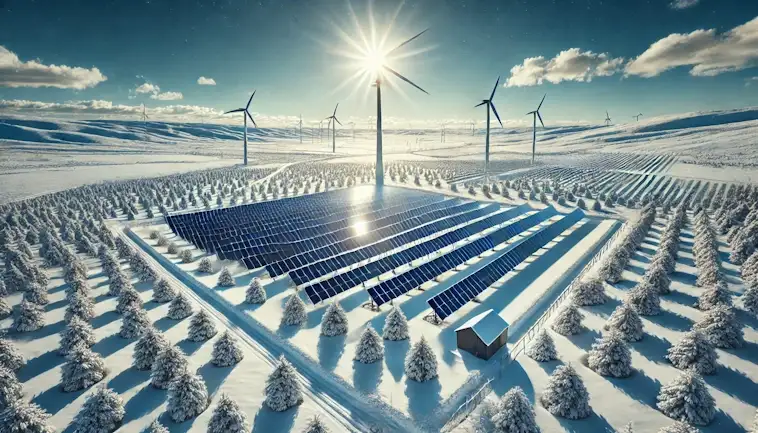
In recent years, solar and wind energy have taken huge strides to become the top choices for renewable energy around the world. This leap forward is thanks to amazing improvements in technology that have made these energy sources not only more efficient but also cheaper to use.
First up, is solar power. The technology behind solar panels has improved a lot. Modern solar panels convert sunlight into electricity more effectively than ever before. This boost in efficiency comes from better materials that capture sunlight and from innovative designs that absorb more light throughout the day. Plus, the cost of making solar panels has dropped significantly. This is because the materials are less expensive now and production methods have gotten better and faster.
Then there’s wind power. Wind turbines have also seen big advancements. Today’s turbines are taller and have longer blades than those in the past. This allows them to capture more wind and produce more power. The materials used to make these turbines are stronger and lighter, which helps them last longer and work better. What’s really helped push wind power forward is the ability to use turbines in a variety of settings, from huge wind farms in open fields to small setups near homes.
Because solar and wind power are more affordable and efficient, more countries can use these technologies. They’re not just for wealthy or developed countries anymore. Now, many places around the world are tapping into these clean energy sources, helping reduce reliance on fossil fuels and fight climate change.
In the race for renewable energy, solar and wind power are definitely leading the pack. Thanks to smarter technology and falling costs, they’re becoming more accessible and popular all over the globe.
The Rise of Biofuels and Geothermal Energy
When we talk about renewable energy, most people think of solar and wind power. However, other forms of renewable energy like biofuels and geothermal energy are also important, though they’re not as well-known.
First, let’s dive into biofuels. Biofuels are made from organic materials, like plant waste or algae. These materials are converted into liquids or gases that can be used to power vehicles or generate electricity. The great thing about biofuels is that they can help us cut down on greenhouse gas emissions. They make use of waste materials and can also be grown quickly, making them a sustainable choice. There’s a lot of potential for growth in biofuels as technology improves and as we find more efficient ways to produce them.
Next, there’s geothermal energy, which comes from the heat stored beneath the Earth’s surface. We can tap into this heat by drilling wells and pumping water or steam to the surface. This heat can then be used to produce electricity or to heat buildings directly. Geothermal energy is reliable and can produce power all day and night, unlike solar or wind energy, which depend on the weather. It’s particularly promising in areas with a lot of volcanic activity, where Earth’s heat is closer to the surface.
Both biofuels and geothermal energy play crucial roles in a diversified energy future. By relying on a variety of energy sources, we can ensure a steady supply of power that doesn’t harm the environment. This mix also helps us avoid over-relying on one source, which can be risky if there are shortages or technological issues.
While they may not grab the headlines like solar and wind, biofuels and geothermal energy are key players in our shift towards renewable energy. They offer unique benefits and are essential for a sustainable and secure energy future. As we continue to innovate and improve technologies, the potential for these energy sources will only grow.
Economic Impacts: The Cost of Going Green
Transitioning to renewable energy is an exciting shift that not only promises a greener planet but also brings financial perks over time. When we talk about renewable energy, we’re usually referring to sources like solar, wind, hydro, and geothermal energy. These are all ways to generate power that don’t deplete the Earth’s resources or cause major harm to the environment.
Starting with the financial side of things, there’s no denying that setting up renewable energy systems can be a bit pricey initially. For example, installing solar panels or wind turbines involves upfront costs like purchasing equipment and paying for installation. However, this is where the long-term benefits start to kick in. Once you’re all set up, the cost of generating electricity from these sources drops significantly because sunlight and wind are free! Over time, these savings can really add up, helping to offset the initial investment.
Another point to consider is the durability of these systems. Solar panels, for example, can last more than 25 years. Minimal maintenance costs also mean more savings throughout the lifespan of the renewable energy setup.
Economic incentives play a big role, too. Many governments around the world encourage the adoption of renewable energy through subsidies, tax breaks, and other financial incentives. These can help lower the initial costs of transitioning to renewable energy systems. In some cases, there are also programs that allow you to sell excess power back to the grid, earning you money and reducing your overall costs even further.
Finally, besides being cost-effective, renewable energy is sustainable. It doesn’t produce harmful emissions or deplete natural resources, which means it’s a clean choice that supports a healthier planet. By investing in renewable energy, businesses and homeowners are not just saving money in the long run; they’re also contributing to a more sustainable world.
Policy and Government: Legislating for Change
Governments play a crucial role in shaping the future of renewable energy. They can make policies that encourage the use of cleaner, sustainable energy sources.
International Agreements: Globally, countries come together to set big goals for reducing pollution and promoting green energy. A great example is the Paris Agreement. This agreement brings many countries into a common cause to combat climate change and accelerate actions for a sustainable low-carbon future. By agreeing to these international standards, countries commit to increasing their use of renewable energy and reducing their carbon emissions.
National Policies: At the national level, countries can make their own rules that support renewable energy. These policies might include tax breaks for companies that use or produce solar panels and wind turbines. Governments can also fund research and development to make renewable technologies better and cheaper. For example, the United States has several federal tax credits that encourage people and businesses to install solar panels.
Local Initiatives: Local governments can also make a big difference. Cities and towns might set up their own rules that support renewable energy. This could be anything from making it easier for people to install solar panels on their homes to setting up bike lanes to reduce reliance on cars. Some cities even provide financial incentives to homes and businesses to use renewable sources.
These different levels of government policies and initiatives are all important because they help increase the use of renewable energy. By working together, they can help make sure that the shift to cleaner energy is successful and beneficial for everyone.
Technological Innovations Driving Change
Renewable energy technology is getting really smart and innovative, making green power sources like solar and wind even more reliable and effective.
First up, improvements in battery storage. Imagine solar panels soaking up the sun’s energy during the day. Previously, we could only use this power while the sun was shining. But now, thanks to advanced batteries, we can store this energy and use it anytime—day or night. These new batteries are better at holding onto energy for longer, which means even on cloudy days or at night, we can still have plenty of power.
Next, there’s smart grid technology. Think of a smart grid like the internet for electricity. It’s a tech-savvy way to manage and distribute power. Smart grids help by automatically adjusting the flow of energy to where it’s needed most. If one area is using more power, the smart grid can send more electricity there without human help. This not only makes power use more efficient but also keeps the energy system stable and less prone to blackouts.
Lastly, let’s consider energy efficiency measures. These aren’t about making more energy but about using the energy we have more wisely. From homes to big buildings, there are now gadgets and appliances that use less power to do the same work. For instance, LED light bulbs use a fraction of the energy compared to old bulbs or programmable thermostats that adjust the heating and cooling when you’re not home. All these measures reduce the total amount of energy we need, which makes renewable sources more capable of covering our energy needs.
Together, these innovations help make renewable energy more reliable. No more worries about running out of power when the wind stops blowing or the sun goes down. With better storage, smart grids, and smarter usage, renewable energy is becoming a very dependable choice for our power needs.
The Environmental and Social Benefits
Adopting renewable energy sources like solar, wind, and hydro offers numerous benefits for our planet and for us as a community.
First, renewable energy is great for the environment. It produces little to no greenhouse gases, unlike fossil fuels which release a lot of carbon dioxide when burned. This major reduction in emissions is crucial in fighting climate change. Plus, renewables don’t produce air pollutants that fossil fuels do, which means cleaner air and water.
Another wonderful benefit of renewable energy is the creation of new jobs. As more countries and companies invest in these cleaner energy sources, new careers are emerging. These aren’t just any jobs; they are often higher-paying and cannot be outsourced because the work must be done locally, such as installing solar panels or maintaining wind turbines.
Lastly, using renewable energy can lead to healthier communities. Since burning fossil fuels releases harmful pollutants that can cause respiratory and cardiovascular diseases, reducing their use can decrease health issues. This means fewer sick days for people and lower health care costs.
So, turning to renewable energy helps our planet by cutting down on harmful emissions and pollution. It also benefits society by creating new jobs and making us healthier. It’s a win-win for both the environment and the people!
What the Future Holds: Renewable Energy Forecasts
The future of renewable energy looks incredibly bright and promising. As technology improves and the world becomes more aware of the need to address climate change, we’re seeing a significant shift towards sustainable energy sources.
One of the biggest trends in renewable energy is the rapid growth in its adoption. Solar and wind energy are leading the charge, becoming faster, more efficient, and cheaper to produce. This decrease in cost makes renewable energy more accessible and appealing to a wider range of people and countries. Experts predict that renewables will continue to grow, possibly supplying more than half of the world’s electricity within the next few decades.
Alongside the growth of current technologies, there’s exciting research into new forms of renewable energy. For example, tidal and wave energy are gaining more attention. These sources take advantage of the ocean’s natural rhythms, which are predictable and constant, unlike the variability seen in solar and wind. Another area of interest is bioenergy, which involves using organic materials to produce energy. Scientists are working on making this process more efficient and sustainable.
Renewable energy is also reshaping global energy dynamics. Countries that heavily invest in renewable technologies are setting themselves up as leaders in the new energy economy. This shift is influencing global politics and economics, as control over energy resources is a significant factor in a country’s power and economic stability.
Furthermore, as more countries turn to renewables, we’re likely to see a decrease in the dominance of oil and gas. This can lead to more energy independence for many countries, reducing conflicts over fossil fuel resources and helping stabilise regions that currently depend heavily on oil and gas revenues.
Overall, the shift to renewable energy is not just a necessity for our environmental health, but it’s also a pathway to greater economic and political stability worldwide. As we look to the future, the potential for innovation and growth in this sector continues to be a beacon of hope and opportunity.
Conclusion
As we wrap up, it’s clear that renewable energy is changing our world in exciting ways.
From solar panels on our roofs to wind turbines on hills, these clean energy sources are helping us cut down on pollution and protect our planet.
The shift to renewables isn’t just good for the earth; it also creates new jobs and offers us a more stable and sustainable future. By making the switch to cleaner energy, we’re taking big steps toward a healthier world for ourselves and the next generations.
It’s an exciting time, and each one of us has a role to play in this energy revolution. Let’s keep moving forward, embracing these changes and making a difference!