How Plants Can Naturally Boost Indoor Air Quality
How Plants Can Naturally Boost Indoor Air Quality
Indoor air quality might not be the first thing on your mind, but it has a big impact on how you feel every day. You might be surprised to learn that the air inside your home can be more polluted than outside. Luckily, there’s a natural fix: plants! Not only do they add a splash of life to your living space, but they also work hard to clean the air you breathe. Here, we’ll cover which plants are best at filtering out pollutants and how they help create healthier living spaces. So, let’s get started and see how these green wonders do their magic!
What You’ll Discover
Indoor Air Quality and Plant-Based Solutions
The Science Behind Plants and Air Purification
Top Plants for Removing Indoor Air Pollutants
How Plants Contribute to Humidity and Why It Matters
The Psychological Benefits of Indoor Plants
Strategic Placement of Plants for Maximum Air Quality
Care and Maintenance of Air-Purifying Plants
Incorporating Plants into Your Home Design
Indoor Air Quality and Plant-Based Solutions
Indoor air quality is something we might not think about every day, but it plays a significant role in our comfort and health. Common pollutants in our homes include volatile organic compounds (VOCs), carbon monoxide, and particulate matter. Let’s break down what each of these are and how they can affect us.
Volatile organic compounds, or VOCs, are chemicals that easily evaporate at room temperature. They are found in many everyday products like paints, cleaning supplies, and even air fresheners. Breathing in VOCs can irritate your eyes, nose, and throat, and long-term exposure might lead to more serious health issues.
Carbon monoxide is a colourless, odourless gas that can be deadly if it builds up indoors. It’s produced by burning fuels like gas, wood, propane, or oil. High levels of carbon monoxide can interfere with your body’s ability to absorb oxygen, leading to symptoms like headaches, and dizziness, and in extreme cases, it can be fatal.
Particulate matter consists of tiny particles or droplets in the air that are small enough to breathe into your lungs. Sources include smoking, cooking, and even some types of heating. These particles can exacerbate allergies and asthma and affect more than just your respiratory system.
So, how does all this impact our health? Well, poor indoor air quality can lead to a range of problems from mild allergies and headaches to more severe respiratory issues like asthma or chronic lung diseases. Over time, exposure to indoor pollutants can even contribute to heart disease and other serious conditions.
One natural way to help clean the air in our homes is by using houseplants. It’s a simple and beautiful solution. Plants absorb some of the pollutants through their leaves and roots, almost like they’re filtering the air for us. While they can’t remove all toxins, they can certainly help improve indoor air quality, making our homes healthier and more pleasant places to live.
So, keeping a few plants around could be a good step toward fresher air indoors. It’s like having a natural air purifier that also makes your space look great!
The Science Behind Plants and Air Purification
Plants help filter the air around us, primarily through the process of photosynthesis. This might sound a bit scientific, but it’s really quite fascinating!
Photosynthesis is the way plants make their food, using sunlight. Here’s how it works: plants take in carbon dioxide from the air through tiny openings in their leaves, called stomata. They use the carbon dioxide, water from the soil, and sunlight captured by their green pigment, chlorophyll, to produce glucose, a type of sugar they use for energy. Oxygen is released as a byproduct. This exchange not only feeds the plant but also refreshes the air with oxygen.
But plants do more than just turn carbon dioxide into oxygen. They can also absorb other gases, including some pollutants, through those same stomata in their leaves. Once inside the plant, some of these harmful substances can be broken down and neutralised in the soil, effectively removing them from the air.
A notable study that highlighted the air-purifying capabilities of houseplants was NASA’s Clean Air Study in the 1980s. This research aimed to find ways to clean the air in space stations. NASA discovered that several common houseplants could help remove toxins like benzene, formaldehyde, and trichloroethylene from the air. These chemicals are common in indoor environments and can come from furniture, carpets, and various building materials.
Some of the top performers from the study include the spider plant, peace lily, and the rubber tree. These plants were not only good at making oxygen but also excelled at pulling contaminants out of the air and breaking them down into harmless substances.
This research helped confirm that having plants indoors can improve air quality. So, by bringing some greenery into your home, you’re not just decorating; you’re also creating a cleaner, healthier environment!
Top Plants for Removing Indoor Air Pollutants
If you’re looking to freshen up your indoor air, some plants are especially good at it like the Peace Lily and the Snake Plant, known for their air-purifying powers.
First up, the Peace Lily. This plant isn’t just pretty with its white, graceful flowers; it’s also a powerhouse when it comes to cleaning the air. Peace Lilies are particularly effective at absorbing harmful chemicals such as ammonia, benzene, formaldehyde, and trichloroethylene. These substances often come from household cleaning products and can be quite toxic. The Peace Lily helps reduce these pollutants while adding a touch of beauty to any room.
Then there’s the Snake Plant, also known as Mother-in-Law’s Tongue. It has tall, green, and yellow leaves that stand upright and bring a modern feel to any space. But here’s the cool part: the Snake Plant is one of the few plants that can produce oxygen at night. This unique feature makes it an excellent plant for bedrooms, helping you breathe easier while you sleep.
Another great option is the Spider Plant. This plant is not only adorable with its long, curly leaves but it’s also a champion at fighting pollutants like carbon monoxide and xylene, a solvent used in the leather and rubber industries. Spider Plants are incredibly easy to care for and even produce little babies you can replant or share with friends.
Lastly, let’s not forget about the Aloe Vera. Besides being known for its skin-healing gel, Aloe Vera is great for purifying the air. It helps remove formaldehyde effectively and is very easy to maintain.
Having these plants around your home can do more than just brighten up the place. They actively clean the air, which can make your home healthier and more comfortable. Plus, they’re a natural, beautiful way to enhance any space!
How Plants Contribute to Humidity and Why It Matters
Plants are not just great for adding a splash of green to our homes; they also have a cool trick up their leaves called transpiration. This process can help keep our indoor air just the right amount of humidity, especially during those dry seasons.
Transpiration is when plants release moisture vapour into the air through tiny openings in their leaves. Imagine it like plants breathing out water vapour. This happens as part of their natural breathing and feeding process, where they take in carbon dioxide and release oxygen.
Now, why is this moisture release helpful? In areas or seasons when the air inside our homes gets too dry, it can lead to a bunch of uncomfortable issues. Dry air can make our skin feel itchy and dry and can irritate our throat and nasal passages. This can make us more prone to colds and other respiratory problems. Not fun at all!
When plants release this water vapour, they naturally increase the humidity level around them. This doesn’t mean your home will feel like a steamy jungle, but it does help maintain a more comfortable level of humidity. Especially during winter, when heating systems tend to dry out the air indoors, having plants around can be a real comfort.
Some plants are particularly good at this. For example, peace lilies and spider plants release a lot of moisture into the air and are also easy to care for. Having a few of these in your living space can help keep the air pleasantly humid without needing to run a humidifier.
So, not only do these plants make your home look good, but they also help create a healthier living environment. By naturally humidifying the air, they can help prevent the discomfort of dry skin and airways, making your indoor space a nicer place to breathe and relax in.
The Psychological Benefits of Indoor Plants
Having plants around us isn’t just good for the air; it’s also great for our minds! Let’s explore how adding a bit of greenery to our indoor spaces can do wonders for our psychological well-being.
Research has shown that plants can have a calming effect on us. A study found that people who work in environments with plants tend to feel less stressed. Just having a plant on your desk can lower your heart rate and blood pressure. It seems like being around plants makes us naturally more relaxed.
But there’s more—plants can also make us happier. They add colour and life to a room, which can lift our mood on a dull day. There’s something about taking care of a living thing that gives us a sense of joy and accomplishment. Plus, who doesn’t smile when they see a new leaf or bloom?
Now, let’s talk about productivity and focus. It turns out, that plants can help here too. Studies have found that people are more productive and make fewer mistakes when they have plants in their workspace. It seems that plants can help improve concentration. Maybe it’s because they make our workspaces more inviting, or perhaps looking at something green helps refresh our brains.
One study even suggested that students in classrooms with plants perform better on their exams. This could be because plants help create a more enjoyable and relaxing learning environment.
So, by bringing plants into our homes and offices, we’re not just purifying the air. We’re also setting ourselves up for less stress, better focus, and a happier state of mind. It’s amazing how much good a little bit of nature can do! So why not pick up a plant next time you’re out? It could be the simplest way to boost your mood and productivity.
Strategic Placement of Plants for Maximum Air Quality
Adding plants to your home or office is a great way to improve the air quality, but knowing where to place them can make a big difference.
1. Near the Kitchen: Kitchens can have higher levels of pollutants due to cooking. Things like gas stoves release harmful gases, and even toasting bread can add tiny particles to the air. Placing plants like ferns or peace lilies in or near your kitchen helps absorb these pollutants and keep the air fresh.
2. In the Bathroom: Bathrooms often have higher humidity and can be prone to mould and mildew. Plants that thrive in humid environments, such as spider plants or bamboo palms, are perfect for bathrooms. They help absorb excess moisture and purify the air, making your bathroom fresher and even helping to prevent mould growth.
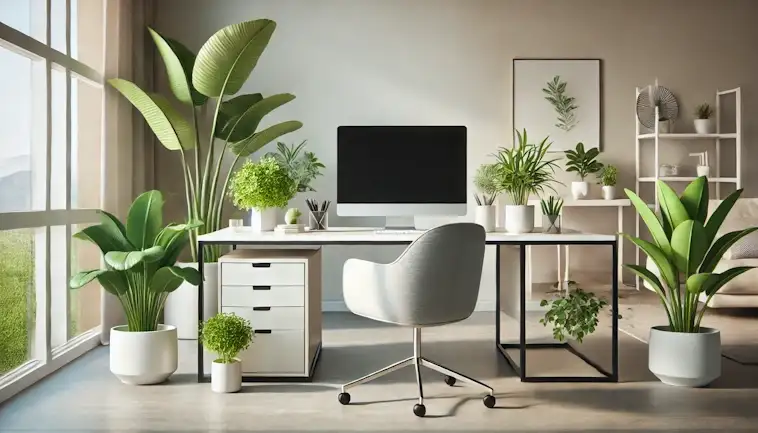
3. Living Areas with Electronics: Electronics like TVs, computers, and printers can emit volatile organic compounds (VOCs) and other chemicals. Having plants in living rooms or home offices where you keep these electronics can help reduce these pollutants. Snake plants and dracaenas are great options as they are particularly good at absorbing such compounds.
4. Bedrooms: While all plants can improve air quality, placing plants like aloe vera or snake plants in your bedroom can be especially beneficial. These plants release oxygen at night, which can improve your bedroom’s air quality and help you get a better night’s sleep.
5. High Traffic Areas: Entryways and hallways often accumulate pollutants from outside. A plant in these areas can help capture and neutralise outdoor contaminants like dust and pollen before they spread throughout your home.
Remember, the goal is to improve the air quality, so consider the specific needs and abilities of each plant. Also, ensure they get enough light and care to thrive in their new spots. By placing plants strategically around your home or office, you’ll not only beautify the space but also create a healthier living and working environment.
Care and Maintenance of Air-Purifying Plants
Caring for indoor plants is not just about keeping them alive; it’s about maximising their ability to clean the air around us. Here are some easy tips to help your plants thrive and keep your air fresh:
1. Right Light: Most houseplants need good light, but not all of them like direct sunlight. Place your plants where they can get plenty of light, but shield them from intense sun, especially in the hot afternoon hours. For example, a north-facing window is great for ferns that prefer low light, while a west-facing window could be good for succulents that love more sun.
2. Proper Watering: Over-watering is a common mistake. It’s better to check the soil before adding water. Stick your finger about an inch into the soil; if it feels dry, it’s time to water. If it’s still moist, wait a few days and check again. Also, ensure your pots have drainage holes to prevent excess water from sitting at the bottom and causing root rot.
3. Humidity Matters: Many houseplants come from jungle environments and thrive in humid conditions. If your home is dry, especially in winter, try misting your plants regularly or using a humidifier. Plants like orchids, ferns, and peace lilies will particularly appreciate the extra moisture.
4. Spotting Distress: Keep an eye out for signs that your plant isn’t happy. Yellowing leaves can indicate too much water or not enough light. Brown tips might mean the air is too dry, or the plant is exposed to pollutants like fluoride in tap water. If you see pests or mould, address these issues quickly to prevent them from spreading.
5. Cleaning Leaves: Dust can accumulate on leaves, blocking light and reducing a plant’s ability to photosynthesise effectively. Gently wipe the leaves with a damp cloth every few weeks to keep them clean and efficient at purifying the air.
By following these simple care tips, you’ll not only help your plants live longer but also enhance their ability to clean the air in your home or office. Plus, the better they look, the more you’ll enjoy having them around!
Incorporating Plants into Your Home Design
Integrating air-purifying plants into your home decor is a smart and stylish way to enhance both the look and the air quality of your living space. Here are some creative ideas to get you started:
1. Create a Green Wall: If you’re looking for a striking visual feature, a green wall is a fantastic option. Choose a wall that gets good indirect light. Install shelves or use a vertical garden kit to arrange plants like English ivy, ferns, and peace lilies that thrive indoors and purify the air. This not only looks stunning but also maximises the air-cleaning benefits in a compact space.
2. Thematic Plant Corners: Set up a corner of a room with a theme, like a mini tropical oasis or a desert-inspired nook. For a tropical feel, group plants like areca palms, philodendrons, and orchids. For a desert theme, arrange various succulents and cacti. These thematic corners can be both a decor statement and a functional air-purifying spot.
3. Hanging Planters: Utilise your ceiling or window frames to hang planters with air-purifying plants like spider plants and Boston ferns. This is especially useful in smaller spaces where floor space is limited. Hanging plants add vertical interest and purify the air at eye level, which is great for breathing in clean air!
4. Plant Room Dividers: If you have an open-plan space, using plants as room dividers is another creative solution. Tall plants like bamboo or rubber trees can create natural separation between different areas, such as dividing the living room from the dining area while keeping the air fresh.
5. Decorative Pots and Planters: Choose pots and planters that match your interior design style. Whether you go for colourful ceramics, rustic wood, or modern metallics, the right containers can enhance both your plants and your room’s overall aesthetics.
By integrating plants into your home decor, you not only make your space more beautiful but also healthier. It’s a simple, green touch that brings life to any room, literally and visually!
Conclusion
Bringing plants into your home does more than just beautify the space. It’s a natural way to improve indoor air quality, making your environment healthier and more inviting.
From the calming peace lily to the oxygen-producing snake plant, there’s a variety of green friends that can help cleanse the air and enhance your well-being.
By adding a few plants to your living or working area, you’re not just decorating—you’re also investing in your health.
So why not pick out some leafy companions today? They’ll keep your air clean and your spirits high, making every breath you take a little fresher.