

Coal’s Decline: A Global Economic Shift
Coal’s Decline: A Global Economic Shift
Coal has long powered our world, but its dominance is fading fast. This shift isn’t just about cleaner energy choices; it’s driven by hard economic realities. Renewable energy sources are now cheaper and more efficient, pushing coal out of the market. Governments around the globe are also stepping up, enforcing strict regulations on pollution from coal plants. As we look at how these market changes, regulatory pressures, and the rise of renewables are reshaping our energy landscape, it’s clear: the decline of coal is inevitable, marking a significant economic transition worldwide.
What You’ll Discover
The Fading Dominance of Coal
Market Dynamics: The Financial Decline of Coal
Regulatory Impact: Stricter Emissions Standards
Competitive Pressure from Renewable Energy
The Role of Carbon Pricing and Trading
Investor Sentiments and Divestment from Coal
Technological Advancements in Energy Efficiency
Future Outlook: Transitioning Beyond Coal
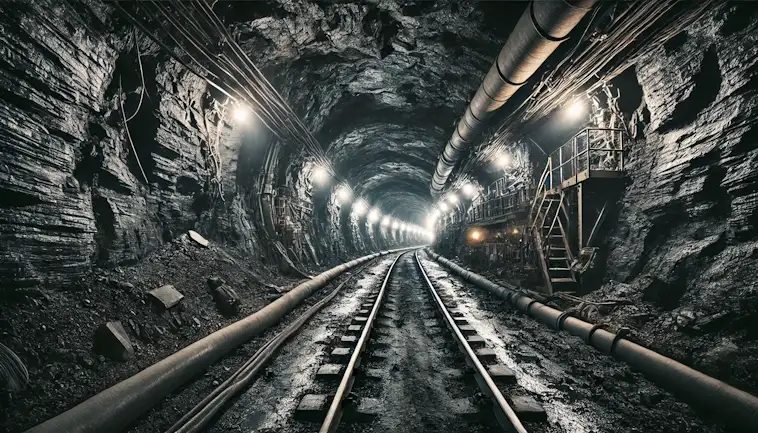
The Fading Dominance of Coal
Coal was once the cornerstone of industrial power generation, fuelling factories, power plants, and heating systems worldwide. However, this dominance is fading as the global energy landscape undergoes significant transformation. Several economic forces are driving this shift away from coal.
Market dynamics play a crucial role. The cost of extracting and transporting coal has risen, making it less economically viable compared to other energy sources. Furthermore, coal power plants require substantial initial investments and ongoing operational costs, which are increasingly difficult to justify.
Environmental regulations are another critical factor. Governments around the world are implementing stricter emissions standards to combat air pollution and climate change. These regulations make coal a less attractive option because it is one of the most polluting energy sources. Coal-fired power plants emit high levels of carbon dioxide and other harmful pollutants, leading to stricter control measures or outright closure to meet environmental targets.
Perhaps the most influential driver of coal’s decline is the rise of alternative energy sources. Renewable energy technologies such as solar, wind, and hydroelectric power have become more cost-effective and efficient. The declining cost of renewable technology, coupled with governmental subsidies and support for green energy, has made renewables increasingly competitive with traditional fossil fuels. Moreover, advancements in battery storage technology have addressed intermittency issues, making renewables more reliable.
These economic and regulatory pressures are steering the world towards cleaner and more sustainable energy options, signalling a clear decline in the role of coal as a primary energy source. The shift is evident as more countries and companies commit to reducing their carbon footprints and transitioning to greener energy systems. This transition not only reflects growing environmental awareness but also aligns with economic imperatives as the global community seeks more sustainable and cost-effective energy solutions.
Market Dynamics: The Financial Decline of Coal
Changes in the global energy market have significantly impacted the economic viability of coal. As natural gas and renewable energy sources become cheaper and more accessible, coal is struggling to compete.
The decreasing cost of natural gas is a major factor. Advances in drilling technology, particularly hydraulic fracturing and horizontal drilling, have led to abundant natural gas supplies. This increase in supply has driven down the price of natural gas, making it a more attractive option for power generation. Natural gas plants are not only cheaper to operate but also emit fewer pollutants compared to coal-fired plants, making them more appealing in an increasingly environmentally conscious market.
Renewable energy sources like solar and wind are also reshaping the energy landscape. The costs of manufacturing and installing solar panels and wind turbines have dropped significantly due to technological improvements and increased production scale. Moreover, renewable energy offers more stable pricing because the ‘fuel’—sunlight and wind—is free. This stability is attractive to energy providers and consumers alike, who are wary of the volatility seen in fossil fuel markets.
Global supply and demand trends further complicate the picture for coal. As more countries shift towards cleaner energy sources and reduce their reliance on coal, the demand for coal is decreasing. This decline in demand puts downward pressure on coal prices, making it even less economically attractive. Coal-producing regions are feeling the economic pinch as mines close and jobs disappear, prompting calls for economic diversification and a transition to more sustainable industries.
Overall, the combination of cheaper alternatives, cleaner technologies, and shifting global demand is steering the energy market away from coal. This transition is not just about environmental responsibility—it’s also a sound economic strategy in an era where stability, sustainability, and cost-effectiveness are paramount.
Regulatory Impact: Stricter Emissions Standards
Governments worldwide are tightening regulations on emissions from coal-fired power plants, responding to growing environmental concerns and the urgent need to combat climate change. These stricter regulations are pushing the coal industry into a challenging position.
These regulations often require significant reductions in emissions of pollutants like sulphur dioxide, nitrogen oxides, and particulate matter, all of which can have serious health and environmental impacts. To meet these new standards, operators of coal-fired plants face two costly options: retrofit existing facilities with advanced pollution control technologies or close them down and replace them with cleaner alternatives.
Retrofitting old coal plants is an expensive endeavour. It involves installing systems like flue gas desulphurisation units, commonly known as scrubbers, and fabric filters to catch pollutants before they enter the atmosphere. These upgrades can cost millions of dollars, not only in installation but also in increased operational costs due to higher energy consumption and maintenance requirements.
On the other hand, replacing coal plants with cleaner energy sources like natural gas, solar, or wind also involves substantial investments. Building new power plants requires significant capital, and while these cleaner technologies are becoming more cost-effective, the initial setup still represents a large financial burden.
The economic implications of these environmental regulations are profound. Operators must weigh the high costs of compliance against the potential fines and public backlash of non-compliance. For many, the decision leans towards phasing out coal in favour of more sustainable and increasingly economical energy sources.
As a result, the financial strain of meeting new emission standards is accelerating coal’s decline. Countries and companies are increasingly investing in renewable energy and natural gas, which not only help meet regulatory demands but also align with shifting consumer preferences for cleaner energy. This transition, while beneficial for the environment and public health, marks a significant shift in the global energy economy.
Competitive Pressure from Renewable Energy
The costs of renewable energy technologies, like solar and wind, have been falling rapidly. This makes these alternatives increasingly competitive with traditional energy sources such as coal. Improved energy storage solutions are also boosting the appeal of renewables.
Solar and wind technologies have become cheaper due to advancements in technology and increased production. The more we produce solar panels and wind turbines, the less they cost. This price drop is crucial because it allows renewables to compete on cost without needing to rely solely on subsidies.
Energy storage has played a big role in this shift. New battery technologies are making it easier to store solar and wind energy. This storage capability is vital because it solves the problem of what to do when the sun doesn’t shine or the wind doesn’t blow. Batteries help keep the energy supply stable and reliable.
Government subsidies and incentives have also been key in promoting renewables over coal. Many governments offer financial incentives to encourage the development and adoption of renewable energy. These can include tax breaks, direct grants, and guaranteed pricing for renewable energy (known as feed-in tariffs). These incentives make investing in renewables more attractive and financially viable.
Additionally, some countries impose taxes on carbon emissions, which makes burning coal more expensive. This economic strategy favours cleaner energy sources, aligning financial interests with environmental goals.
As renewable technologies continue to improve and become more cost-effective, their role in the energy market will likely grow even larger. This shift away from coal is supported by both economic and environmental benefits, aligning with global efforts to reduce carbon emissions and combat climate change. Governments play a crucial role in this transition, providing the regulatory and financial support needed to move toward a more sustainable energy future.
The Role of Carbon Pricing and Trading
Carbon pricing mechanisms, such as carbon taxes and cap-and-trade systems, are economic tools designed to reduce greenhouse gas emissions. They do this by making it more expensive to emit carbon dioxide, which directly impacts industries reliant on fossil fuels, especially coal.
A carbon tax directly sets a price that emitters must pay for each ton of carbon dioxide they release into the atmosphere. This makes burning coal, which is a high-carbon fuel, more expensive. As coal becomes pricier to use, energy producers are financially encouraged to switch to lower-carbon alternatives like natural gas, wind, or solar, which become relatively cheaper.
Cap-and-trade systems work by setting a limit on the total amount of greenhouse gases that can be emitted. Companies are given or must buy emission permits. If they want to emit more, they must buy more permits. If they emit less, they can sell their excess permits. This creates a market for carbon allowances. Coal, being more polluting, generally leads to higher emissions and thus requires more permits, increasing operational costs. This makes coal less economically attractive compared to energies that emit less carbon and need fewer permits.
Both systems effectively raise the operating costs of coal-fired power plants. As these costs climb, so does the financial incentive to invest in and switch to cleaner energy technologies. Additionally, these pricing mechanisms often generate revenue that governments can use to fund renewable energy projects or lower the economic burden of energy costs on consumers, further supporting the transition to greener alternatives.
The impact of carbon pricing is straightforward: it makes coal a less attractive option because it adds to the cost of using it. This shift not only aligns with environmental goals but also with economic strategies as industries and consumers move toward more cost-effective and sustainable energy sources.
Investor Sentiments and Divestment from Coal
Environmental, social, and governance (ESG) criteria are increasingly guiding investor decisions. These criteria assess how companies perform as stewards of nature, how they manage relationships with employees, suppliers, customers, and communities, and how their leadership behaves. Companies that rank poorly in ESG may pose higher financial risks, which impacts investor decisions.
Investors are moving away from coal and investing in greener technologies. This shift is part of a broader trend towards sustainability. Coal, being highly polluting and a significant contributor to climate change, scores low on the “E” for environmental in ESG criteria. This makes it less attractive to investors who are concerned about long-term sustainability and regulatory risks.
As awareness of climate change grows, so does the understanding that the long-term viability of investments in the fossil fuel sector is diminishing. There are increasing regulatory pressures, the potential for future lawsuits, and a shift in public opinion towards cleaner alternatives. These factors present financial risks that many investors are no longer willing to take.
Instead, there is a growing preference for investments in renewable energy and other green technologies. These investments often benefit from regulatory support, such as subsidies and tax incentives, and are increasingly competitive with traditional energy sources in terms of cost. Moreover, investing in renewables may offer better growth potential and alignment with global efforts to reduce carbon emissions.
This trend is not just about avoiding risks but also about seizing opportunities. Companies that innovate in reducing their carbon footprint or that lead in sustainable practices often find themselves better positioned in the market. This leads to new business opportunities and a competitive advantage.
Overall, ESG criteria are reshaping how investors evaluate companies and where they put their money. The move away from coal and towards greener technologies reflects a shift in risk assessment and a growing preference for investments that promise sustainability and responsibility towards the environment and society.
Technological Advancements in Energy Efficiency
Advancements in technology have significantly increased the energy efficiency of buildings, industries, and power generation, which in turn reduces the overall demand for coal. These innovations are making it easier and more cost-effective to save energy and use cleaner sources.
In buildings, smart technology like automated heating, ventilation, and air conditioning systems (HVAC) adjust the temperature based on real-time needs and occupancy. Smart windows and better insulation materials also keep heat in during the winter and out during the summer, reducing the need for heating and cooling. Energy-efficient LED lighting uses far less electricity than traditional bulbs. All these changes mean buildings need less energy, which reduces the demand for coal-generated electricity.
Industries are seeing similar advancements. High-efficiency motors and equipment that automatically power down when not in use drastically cut energy use. Precision manufacturing technologies also reduce waste and increase productivity, lowering the overall energy needed for production. Processes like these make industries less dependent on coal by improving how efficiently they use energy.
In power generation, newer technologies are making other sources of energy more attractive and efficient compared to coal. Combined cycle gas turbines, for example, use natural gas to produce electricity and then use the waste heat to generate even more power. This makes them much more efficient than traditional coal-fired power plants. Renewable technologies, like solar panels and wind turbines, have also become more efficient and less expensive.
These advancements not only reduce the amount of energy needed but also make cleaner technologies more competitive. As a result, there’s less need to rely on coal, leading to its decreased demand. This shift helps combat climate change and encourages further investment in new energy technologies. The focus is increasingly on building a sustainable and efficient energy future, less dependent on coal and more on cleaner, smarter options.
Future Outlook: Transitioning Beyond Coal
Looking ahead, several trends and technologies are setting the stage for a future less dependent on coal. Developments in renewable energy, alongside exciting new technologies like hydrogen fuel and advanced nuclear power, are key players in this shift.
Renewable energy sources like solar and wind are already well-established. Their costs continue to fall, making them more competitive with traditional energy sources. Large-scale battery systems are improving, solving the issue of storing solar and wind energy for use when the sun isn’t shining or the wind isn’t blowing. This makes renewables more reliable and appealing.
Hydrogen fuel is emerging as a potent clean energy carrier. It can store and deliver usable energy without producing carbon emissions at the point of use. Green hydrogen, produced using renewable energy to power the electrolysis of water, holds particular promise. Although it’s currently expensive, costs are expected to drop as the technology advances and scales up.
Advanced nuclear technologies, such as small modular reactors (SMRs), offer another promising path. These reactors are designed to be built in factories and assembled on-site, potentially reducing costs and construction times. They are also considered safer and more manageable than traditional nuclear reactors, which could help overcome public resistance and regulatory hurdles.
The economic implications of shifting towards these sustainable alternatives are profound. As these technologies become more efficient and less costly, they could drive down energy prices and reduce reliance on fossil fuels, promoting energy independence. Additionally, investing in these new technologies can spur job creation in emerging industries, offsetting job losses in the coal sector.
Moreover, a global shift to sustainable energy sources can enhance energy security by reducing the geopolitical risks associated with oil and gas supply chains. This transition not only supports environmental goals but also aligns with economic and security interests, making it a critical focus for future development and policy-making.
Conclusion
Coal’s decline marks a significant shift in global energy trends. As the world embraces cleaner, more sustainable technologies, the economic landscape is transforming.
The rise of renewables, advancements in technology, and stricter environmental regulations are steering us away from coal. This transition not only promises a greener future but also brings economic benefits, from lower energy costs to new job opportunities in emerging sectors.
As we continue down this path, the move away from coal will likely accelerate, reinforcing the commitment to a healthier planet and a more sustainable economy.