
Exploring the True Cost of Carbon Emissions
Exploring the True Cost of Carbon Emissions
Carbon emissions carry a hidden price tag that goes far beyond the gas pump. From skyrocketing healthcare costs to the subtle erosion of our infrastructure and natural environments, the financial impact is massive and multifaceted. We’ll break down the direct costs like medical expenses and lost workdays, alongside the indirect effects such as agricultural losses and damaged ecosystems. Understanding these costs not only highlights the economic burden on our society but also underscores the urgent need for effective policies to mitigate these impacts. Join us as we examine how deeply carbon emissions are costing us all.
What You’ll Discover
The Economic Burden of Carbon Emissions
Direct Costs: Healthcare and Disease Management
Lost Productivity: The Workplace Impact
Agricultural Decline: Compromised Food Security
Infrastructure Degradation: Increasing Maintenance Costs
Environmental Degradation: Ecosystem Services at Risk
Tourism and Recreation: Economic Vulnerabilities
Policy and Economic Strategies for Mitigation
The Economic Burden of Carbon Emissions
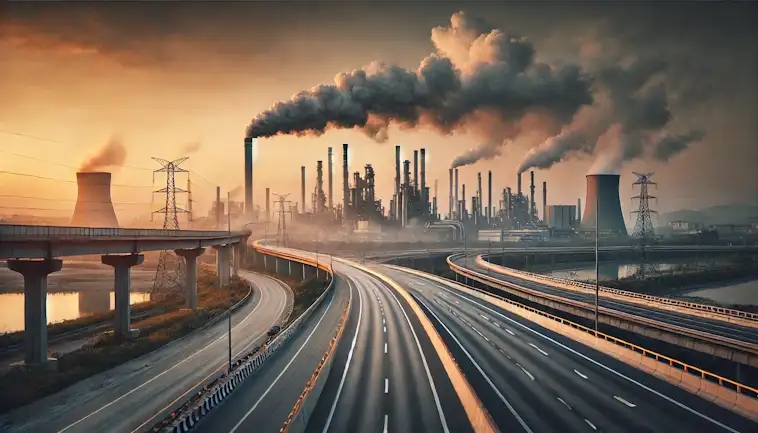
Understanding the full economic impact of carbon emissions is crucial in today’s world, where climate change is a pressing issue. Carbon emissions are primarily released through burning fossil fuels such as coal, oil, and gas, and they significantly contribute to global warming. The economic effects of these emissions are broad and deeply significant, affecting everything from public health to the global economy.
The direct costs of carbon emissions are immediate and measurable. They include health expenses due to pollution-related diseases and the damage to crops and infrastructure from increasingly severe weather events like hurricanes and floods. These costs can be observed in higher healthcare spending and increased insurance claims, which ultimately affect government budgets and insurance premiums.
Beyond these direct costs, the indirect costs of carbon emissions are even more extensive, though harder to quantify. They include changes in ecosystems that can lead to lost biodiversity, reduced agricultural yields, and the displacement of communities due to rising sea levels and other climatic changes. These indirect effects can disrupt economies on a local and global scale, leading to job losses in sectors like agriculture and tourism, and reducing overall economic stability.
The urgency for policymakers, businesses, and individuals to address the economic impacts of carbon emissions cannot be overstated. Immediate action is required to mitigate these costs. Policymakers play a crucial role in shaping regulations that limit emissions and promote sustainable energy sources. Businesses, on the other hand, must adapt to these regulations and can also drive innovation in creating cleaner technologies and practices. Individuals also have a role to play by being more conscious of their carbon footprints and supporting policies and products that are environmentally friendly.
Addressing the economic impacts of carbon emissions is not just about avoiding costs; it’s also about seizing opportunities to foster a sustainable economy that benefits everyone. Transitioning to green technologies and renewable energy sources, for example, can create new jobs and lead to economic growth. The full economic understanding of carbon emissions helps in making informed decisions that will shape a sustainable future for all.
Direct Costs: Healthcare and Disease Management
The direct economic impacts of carbon emissions, particularly on healthcare, are substantial and concerning. When fossil fuels like coal, oil, and gas are burned, they release various pollutants into the air, including carbon dioxide, particulate matter, and nitrogen oxides. These pollutants have a direct effect on public health, contributing to a range of respiratory diseases, cardiovascular conditions, and other health issues.
Respiratory diseases such as asthma, bronchitis, and chronic obstructive pulmonary disease (COPD) are exacerbated by air pollution. Particulate matter, a major component of air pollution, can penetrate deep into lung tissue and aggravate these conditions. People living in areas with high levels of air pollution are more likely to develop these diseases and require ongoing medical treatment, which increases healthcare costs.
Cardiovascular conditions are also heavily influenced by poor air quality. Pollutants from carbon emissions can cause inflammation in the body and lead to high blood pressure, heart attacks, and strokes. These conditions not only demand immediate medical attention but often require long-term healthcare, including surgeries, medication, and therapy.
The broader health impacts include complications such as low birth weights in newborns, increased emergency room visits, and higher rates of hospital admissions. All of these health issues require significant investment in the healthcare system. Hospitals and healthcare providers face increased demand for services, which in turn drives up healthcare spending. This is a cost borne by governments, insurance companies, and individuals.
Moreover, these health problems can lead to significant economic consequences beyond just medical bills. They affect workforce productivity as people take time off work for sickness or to care for ill family members. This loss in productivity can have a ripple effect throughout the economy.
Therefore, the link between carbon emissions and healthcare costs is clear. Reducing emissions can lead to a decrease in air pollution-related diseases and a corresponding reduction in healthcare spending, benefiting the economy and improving public health overall. Addressing carbon emissions is not just an environmental issue but a critical economic and public health priority.
Lost Productivity: The Workplace Impact
Carbon emissions have a profound impact on workplace productivity, primarily through their effect on air quality. When businesses face poor air quality, it’s not just an environmental issue—it directly influences their bottom line. Increased levels of pollutants in the air can lead to more workers calling in sick and lower productivity levels among those who come to work.
Poor air quality is linked to various health problems that can affect employees’ ability to work effectively. Conditions such as asthma, respiratory infections, and allergies can be triggered or worsened by polluted air, leading to increased absenteeism. Even employees without chronic conditions can experience fatigue, headaches, or eye irritation, which diminish their concentration and work output.
Studies have quantified these effects. For instance, a research paper published by the National Bureau of Economic Research found that a 10 microgram per cubic meter decrease in particulate matter (PM2.5) increased daily productivity by 1%. Another study focused on call centre workers in China noted that an increase in the Air Quality Index (AQI) from “good” to “unhealthy” led to a 6% decline in call productivity.
Moreover, the economic implications of reduced productivity due to poor air quality are substantial. The World Bank has estimated that air pollution costs the global economy about $225 billion every year in lost labour income. In countries with severe pollution levels, the economic impact is particularly noticeable, affecting not only local businesses but also national economic performance.
Businesses, therefore, have a vested interest in advocating for cleaner air and reduced carbon emissions. Initiatives to improve air quality can lead to healthier, more productive employees, which translates to better financial outcomes for companies. In conclusion, tackling carbon emissions and improving air quality is not just beneficial for the environment and public health—it’s also crucial for maintaining and enhancing economic productivity in the workplace.
Agricultural Decline: Compromised Food Security
Increased carbon emissions are significantly changing our climate, and one of the most affected sectors is agriculture. The relationship between carbon emissions, changing weather patterns, and agricultural productivity is complex, but the impacts are clear and concerning.
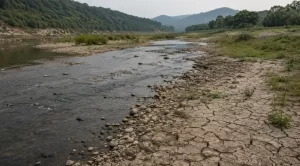
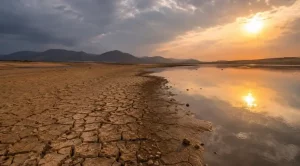
As carbon emissions rise, they intensify the greenhouse effect, leading to changes in weather patterns that are not favourable for farming. These changes can include shifts in rainfall patterns, with some areas receiving too much rain and others not enough. This can lead to droughts in some regions and floods in others, both of which are harmful to crops. For example, too much water can drown crops and too little can dry them out, making them unable to grow.
Additionally, the frequency of extreme weather events, such as storms, heatwaves, and cold snaps, has increased due to higher global temperatures. These events can devastate crops in a matter of hours or days, which is often too quick for farmers to respond effectively. Such events not only reduce the amount of food produced but also damage farming infrastructure, creating long-term challenges for food production.
Moreover, carbon emissions are causing shifts in growing seasons. In some places, warmer temperatures are causing seasons to start earlier or finish later than usual. While this might initially seem like an opportunity to grow more food, it often disrupts the synchronised growth and harvesting cycles that farmers rely on. It can also lead to mismatches between crop growth stages and the weather conditions they need to thrive, reducing yields.
These agricultural disruptions have a ripple effect on food prices. With lower crop yields, food becomes scarcer, driving up prices. This not only affects consumers but also can lead to greater economic instability. Countries that depend heavily on agriculture for their income can experience significant economic downturns.
Increased carbon emissions are causing climate changes that pose serious threats to agriculture. These changes disrupt growing seasons, increase the frequency of extreme weather, and alter rainfall patterns, all of which challenge food production and contribute to higher food prices and economic instability.
Infrastructure Degradation: Increasing Maintenance Costs
Carbon emissions impact more than just the air quality; they also take a toll on public infrastructure. Buildings, roads, and bridges all suffer when exposed to increased pollutants and acid rain, both of which are byproducts of these emissions. This results in higher maintenance and reconstruction costs, which are often passed on to taxpayers.
Acid rain is a direct consequence of pollutants like sulphur dioxide and nitrogen oxides in the atmosphere. These chemicals mix with water vapour and other elements in the air to form acidic compounds. When it rains, these compounds fall to the ground and can seriously damage various materials. For example, acid rain can erode the concrete used in buildings and bridges and corrode the metal in these structures. Over time, this weakens the infrastructure, making it unsafe and shortening its lifespan.
Roads are particularly vulnerable. The acidic water deteriorates asphalt, creating potholes and other surface issues. Not only does this require frequent repairs, but it also disrupts traffic and increases the risk of accidents. The costs of fixing these problems are significant. Cities and towns must allocate more of their budgets to road maintenance, diverting funds from other essential services.
Furthermore, increased air pollutants can directly degrade the materials used in public infrastructure. Particulate matter, a common air pollutant, can settle on buildings and, over time, damage their surfaces. This not only impacts the aesthetic value of these structures but also their structural integrity. The cost of cleaning and repairing these buildings adds another financial burden on local governments.
Carbon emissions indirectly place a heavy financial strain on public resources. The degradation caused by acid rain and air pollutants leads to more frequent and costly repairs. Taxpayers end up bearing these costs, highlighting another reason why reducing carbon emissions is crucial for economic stability and public safety.
Environmental Degradation: Ecosystem Services at Risk
Carbon emissions cause not only direct environmental harm but also lead to significant indirect costs through the degradation of ecosystem services. These services include vital functions like water filtration, air purification, and carbon sequestration. When ecosystems are damaged by pollution, their ability to perform these functions is diminished, leading to tangible economic detriments.
Firstly, consider water filtration. Natural ecosystems such as wetlands and forests filter pollutants from water naturally. When these areas are healthy, they help purify the water that eventually makes its way into our rivers, lakes, and reservoirs. This natural filtration reduces the need for expensive artificial filtration systems. If ecosystems are compromised due to increased acidity from carbon emissions, more resources must be invested in water treatment facilities, which are costly to build and maintain.
Air purification is another critical service provided by ecosystems, particularly forests. Trees and plants absorb pollutants like carbon monoxide and sulphur dioxide, cleaning the air we breathe. When forest areas are degraded by acid rain—a byproduct of carbon emissions—the quality of air decreases. Poor air quality is not just a health issue; it can also lower worker productivity and increase healthcare costs, impacting the economy at multiple levels.
Carbon sequestration is the process by which trees and plants capture carbon dioxide and store it away. This natural service helps mitigate the effects of climate change by reducing the amount of CO₂ in the atmosphere. When ecosystems that perform this service are destroyed or degraded, more carbon remains in the atmosphere, exacerbating global warming and climate change. The economic consequences include more severe weather events, higher insurance premiums, and increased costs related to disaster response and recovery.
The loss of ecosystem services due to environmental degradation has real economic implications. It increases public spending on health, disaster recovery, and artificial systems to replace what nature once provided for free. Understanding and mitigating carbon emissions is crucial to preserve these services and avoid the escalating costs associated with their loss.
Tourism and Recreation: Economic Vulnerabilities
Carbon emissions have a wide-reaching impact on tourism, an industry crucial to the economies of many regions around the world. When pollution and environmental degradation become apparent, they can significantly decrease the number of tourists visiting these areas, leading to economic struggles for communities that depend heavily on this industry.
Pollution, particularly air pollution, visibly affects the attractiveness of a destination. Tourists are less inclined to visit places where the air is filled with smog or where natural landscapes have been tarnished by pollutants. For example, cities known for their historical landmarks often see a drop in visitor numbers on days with high pollution levels because poor air quality can deter tourists from enjoying outdoor activities.
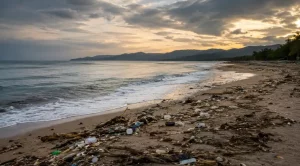
Similarly, environmental degradation in natural tourist spots, such as beaches, forests, and wildlife reserves, can lead to a decline in visitors. When tourists witness the impact of pollution—such as litter-strewn beaches or dying coral reefs—the appeal of these destinations diminishes. The degradation of these environments not only spoils the natural beauty but also disrupts ecosystems, which can lead to fewer wildlife sightings, a key attraction for ecotourists.
The economic impact of reduced tourism is significant. Local economies that rely on tourism for income are hit hard when tourist numbers decline. This decrease can lead to job losses in the sector, including hotels, restaurants, and local attractions, which in turn affects the broader community. Moreover, governments may face reduced revenue from tourism-related taxes and fees, which can impact public services.
Moreover, recreational activities such as hiking, skiing, and snorkelling can also suffer. Pollution and environmental changes can make these activities less enjoyable or even unsafe, further reducing the tourist appeal of a destination.
The impact of carbon emissions on tourism is profound. Reducing pollution and protecting our natural and urban environments are crucial steps to ensure that tourism continues to thrive and support local economies around the globe.
Policy and Economic Strategies for Mitigation
To mitigate the impact of carbon emissions, governments and policymakers can adopt several effective strategies. These include carbon pricing, subsidies for clean energy technologies, and regulatory measures. Each approach aims to reduce emissions and the economic costs associated with them.
Carbon Pricing: One of the most direct methods is carbon pricing, which involves putting a monetary price on emitting carbon dioxide. This can be implemented through a carbon tax or a cap-and-trade system. A carbon tax directly sets a price per ton of carbon emitted, encouraging businesses to reduce emissions to save money. A cap-and-trade system, on the other hand, sets a limit (cap) on emissions and allows companies to buy and sell permits to emit carbon dioxide. This creates a financial incentive for companies to innovate and reduce their emissions to sell their excess allowances.
Subsidies for Clean Energy: Subsidising clean energy technologies is another effective strategy. This can include financial incentives like tax credits, grants, or rebates for businesses and homeowners to install solar panels or wind turbines. These subsidies make it more affordable to invest in renewable energy, accelerating its adoption and reducing reliance on fossil fuels. Additionally, governments can invest in research and development to advance new clean energy technologies, making them more efficient and cost-effective.
Regulatory Approaches: Regulatory measures are also crucial. These can include setting strict emission standards for vehicles, power plants, and industries. Regulations might also mandate the use of cleaner alternative energies or require new buildings to meet energy efficiency standards. Such regulations ensure that businesses and industries take concrete steps toward reducing their carbon footprints.
Implementing these policies effectively requires careful planning and coordination. It involves balancing economic impacts with environmental needs. However, by combining these approaches—pricing carbon, encouraging clean energy, and enforcing regulations—governments can significantly reduce carbon emissions. This not only helps the environment but also stabilises and grows the economy by reducing the costs associated with environmental degradation and health issues linked to pollution.
Conclusion
Understanding the full impact of carbon emissions is essential. It’s not just about the environment; it’s about our health, our jobs, and our children’s future.
From damaging our lungs and reducing workplace productivity to increasing maintenance costs for roads and buildings, the consequences are everywhere.
As communities, businesses, and individuals, we need to advocate for policies that reduce emissions and invest in cleaner technologies. It’s time to act decisively.
By tackling this issue head-on, we can protect our planet and ensure a sustainable economy for generations to come. Let’s make the necessary changes now.