Silent Forests: The Decline of Bird Populations
Silent Forests: The Decline of Bird Populations
Birds are disappearing from our forests, and it’s not just the sound of their songs that’s fading away; their absence signifies a deeper environmental issue. As trees fall to make way for farms and cities, the natural homes of countless bird species vanish along with them. This quiet crisis isn’t just about losing the melody of morning birdsong; it’s about the health of our planet. We’re taking a look at how deforestation is leading to a decline in bird populations globally and what that means for our future. Join us as we uncover the effects of forest loss and learn about efforts to protect these vital habitats.
What You’ll Discover
Whispers in the Wilderness
The Role of Deforestation in Bird Decline
Birds Most Affected by Habitat Loss
Ecological Ripple Effects: Beyond the Birds
The Human Factor: Causes of Deforestation
Efforts to Protect Bird Habitats
How You Can Help Stem the Tide
The Future of Forests and Their Feathered Denizens
Whispers in the Wilderness
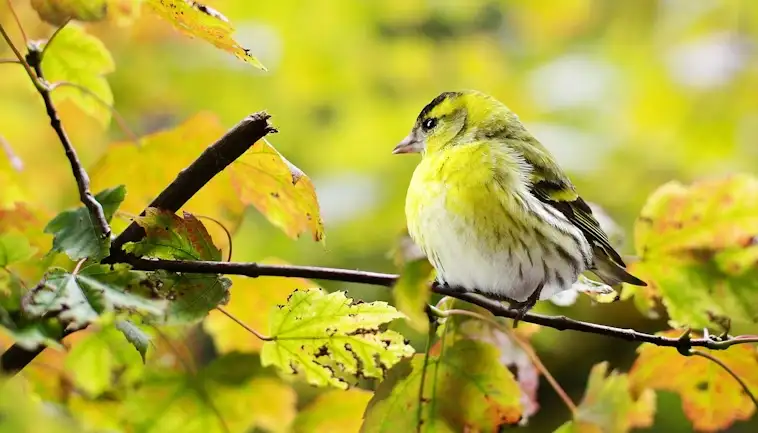
Bird populations are facing a decline that many are calling a ‘silent crisis.’ This issue is deeply concerning because birds play a vital role in maintaining healthy ecosystems. They help control pests, pollinate plants, and disperse seeds, which helps keep our environment balanced and thriving. The loss of birds signals deeper environmental problems, ones that can affect the very fabric of natural life and, eventually, human well-being.
This decline isn’t just about losing the beauty and songs of birds. It reflects a broader environmental instability caused by habitat loss, climate change, pollution, and unsustainable agriculture. Each factor contributes to the disappearance of these crucial creatures, and as they fade, the health of our ecosystems does too.
The implications are significant because biodiversity is the cornerstone of ecosystem productivity. A diverse environment is more resilient and better equipped to withstand and recover from environmental stresses. As bird populations dwindle, the resilience of ecosystems decreases. This places all species — including humans — at greater risk. For instance, many of the foods we eat rely on birds for effective pest control and pollination.
Furthermore, birds are excellent indicators of environmental health. Their decline is an early warning that our natural environments are in trouble. Ignoring this issue means ignoring the warning signs of broader ecological collapse.
The decline in bird populations matters deeply both for biodiversity and for human well-being. It should instil a sense of urgency in all of us. Protecting birds isn’t just about conserving species; it’s about maintaining the health of the planet that sustains us all. If we act now to restore and protect bird habitats, reduce pollution, and mitigate climate change, we can help reverse this silent crisis and ensure a healthier future for birds and humans alike.
The Role of Deforestation in Bird Decline
Deforestation has a direct and devastating impact on bird populations by destroying the forests that many species call home. As trees are cut down to make way for agriculture, urban development, or to harvest timber, birds lose their natural habitats. This not only leaves many species without a place to nest and breed but also depletes their sources of food and shelter.
In regions like the Amazon Basin, deforestation is particularly severe. This area is one of the most biodiverse on the planet, hosting numerous bird species that are found nowhere else. According to a study published in the journal Science, the Amazon has lost an area of forest twice the size of Spain since 1970, with dire consequences for its native birds. Many species have seen population declines of more than 50%, as their rainforest habitats shrink.
Southeast Asia, another hotspot for biodiversity, faces similar issues due to palm oil plantations and illegal logging. In Indonesia, for instance, the rapid loss of tropical rainforests has pushed many bird species to the brink of extinction. The Javan Hawk-eagle, the national bird of Indonesia, is a poignant example, now critically endangered largely due to habitat loss.
In Africa, deforestation in the Congo Basin affects hundreds of avian species. The region’s rainforests are being cut down for timber and to clear land for mining and agriculture. This not only threatens birds but also disrupts migration patterns and ecological balance.
The effects of deforestation on birds are clear and alarming. With their habitats disappearing at an alarming rate, bird populations are declining globally. Protecting forests is crucial, not just for the birds but for the overall health of our planet. Initiatives to curb deforestation, enforce legal protections, and manage forests sustainably are essential if we hope to preserve our world’s avian diversity.
Birds Most Affected by Habitat Loss
Habitat loss has a profound impact on bird species worldwide, each with unique ecological roles and challenges. Here are a few examples:
1. The Spotted Owl (North America) – The Spotted Owl is known for living in old-growth forests in the Pacific Northwest. These owls rely on dense, mature forests to hunt and nest. However, logging and land conversion for development have drastically reduced their habitat. This has led to significant population declines. Conservation efforts focus on protecting remaining old-growth forests and managing second-growth forests to become suitable habitats for the owl.
2. The kākāpō (New Zealand) – The kākāpō is a flightless parrot that once thrived in New Zealand’s forested areas. Predation by introduced species like rats and cats, combined with habitat destruction for agriculture, has decimated their population. With fewer than 200 individuals left, conservationists are taking drastic measures. They include relocating kākāpōs to predator-free islands and managing their breeding through intensive human assistance.
3. The Bengal Florican (Cambodia and India) – This critically endangered bird lives in the tall grasslands of Southeast Asia, which are rapidly being converted to agricultural land. The Bengal Florican’s role in its ecosystem includes controlling insect populations and contributing to the seed dispersal of various grassland plants. Conservation efforts are now geared towards grassland management and creating community awareness to protect the remaining habitats.
4. The Yellow-eyed Penguin (New Zealand) – Another New Zealand native, the Yellow-eyed Penguin, depends on coastal forests and scrublands for nesting. Disturbances from human activity, habitat degradation, and introduced predators have all contributed to a decline in their numbers. Conservation groups are actively restoring coastal habitats and controlling predator populations to help stabilise the penguin’s numbers.
These examples illustrate the critical importance of tailored conservation efforts that address the specific needs and threats faced by each bird species. Such initiatives are vital for the survival of these birds and the ecosystems they help sustain.
Ecological Ripple Effects: Beyond the Birds
Birds play essential roles in maintaining healthy ecosystems. Their activities, such as pollination, seed dispersion, and pest control, are crucial for the survival and health of many plant and animal species.
Pollination: Many birds, especially hummingbirds and some songbirds, are key pollinators for a variety of plants. As they move from flower to flower seeking nectar, they transfer pollen. This helps plants reproduce and maintain genetic diversity in forests and other ecosystems.
Seed Dispersion: Birds are vital in spreading seeds. As they eat fruits and berries, they carry the seeds away from the parent plant and disperse them in their droppings. This helps plants to spread across a wider area, which is crucial for forest regeneration and expansion.
Pest Control: Birds also help control insect populations. By eating insects, they help prevent these pests from damaging crops and spreading diseases. This natural pest control is essential for maintaining the balance of ecosystems and supporting agriculture.
When deforestation occurs, it directly impacts bird populations by destroying their habitats. This loss has a cascading effect on the whole ecosystem. With fewer birds to pollinate plants, seed dispersion decreases, which reduces plant diversity and regeneration. This, in turn, affects other wildlife dependent on those plants for food and shelter.
Moreover, with fewer birds to control pests, insect populations can grow unchecked, harming plants and crops. This can lead to the use of more chemical pesticides, which further damages the environment.
The decline of bird populations due to habitat loss and deforestation is more than just a loss of species. It signifies a breakdown in the ecological functions that sustain forest health and biodiversity. Protecting and restoring bird habitats is not just about saving birds; it’s about maintaining the health of entire ecosystems and the benefits they provide to nature and people.
The Human Factor: Causes of Deforestation
Deforestation is largely driven by human activities such as logging, agriculture, and urban expansion. Each of these activities has its economic and social reasons, which vary globally, adding complexity to forest conservation efforts.
Logging: This is the process of cutting down trees for timber and pulp, which are used in products like furniture, paper, and building materials. Economic pressure to increase these goods drives much of the logging. In countries like Brazil and Indonesia, logging is a major economic activity that provides jobs but often comes at the cost of massive forest loss.
Agriculture: Expanding agricultural land is one of the leading causes of deforestation. As the global population grows, so does the need for more food production. Forests are cleared to create fields for crops and grazing land for livestock. This is especially prevalent in places like the Amazon, where land is cleared for soy production and cattle ranching. While agriculture supports local economies and feeds populations, it often leads to significant environmental damage.
Urban Expansion: As cities grow, forests are cleared to make way for development. This includes building homes, roads, and businesses. Urban expansion is driven by the need to accommodate increasing populations and economic growth, particularly in rapidly developing countries in Asia and Africa.
These drivers of deforestation are influenced by both local needs and global demands. For example, developed countries often import timber and agricultural products from countries where deforestation is a problem, indirectly contributing to the issue.
Addressing the challenges in forest conservation requires understanding these complex drivers and implementing strategies that balance economic growth with environmental protection. This might include promoting sustainable land use practices, strengthening forest governance, and encouraging responsible consumer behaviour worldwide. The goal is to ensure that forests can continue to provide their vital ecological, economic, and social benefits.
Efforts to Protect Bird Habitats
Preserving bird habitats is crucial for biodiversity, and several conservation initiatives and success stories highlight effective strategies. These include reforestation projects, legal protections, and community-driven efforts.
Reforestation Projects: Reforestation involves planting trees in deforested areas to restore lost habitats. Projects around the world have seen success in bringing back forests and supporting bird populations. For example, in Costa Rica, reforestation efforts have turned barren lands back into thriving ecosystems that support a wide variety of birds, from colourful toucans to resplendent quetzals.
Legal Frameworks: Laws like the Endangered Species Act in the United States play a critical role in bird conservation. This Act protects threatened and endangered species by making it illegal to harm them or their habitats. Since its implementation, it has been pivotal in recovering species such as the Bald Eagle and the California Condor, demonstrating the power of legal protection.
Community-Driven Conservation: Local communities are often at the forefront of conservation. In Nepal, community forests are managed by local groups that protect the habitat while using the forest resources sustainably. These areas have become sanctuaries for many bird species, including the critically endangered Bengal Florican.
Community involvement can also take the form of ecotourism, where birdwatching tours help fund conservation efforts. In places like the Ecuadorian Amazon, ecotourism provides financial incentives to preserve bird habitats and offers economic benefits to the local communities.
These conservation strategies show that when legal protections are combined with community engagement and reforestation efforts, bird populations and their habitats can recover and even thrive. Such initiatives not only protect birds but also ensure the health of ecosystems that humans rely on for clean air, water, and resources. The success of these efforts continues to inspire and expand conservation strategies worldwide.
How You Can Help Stem the Tide
There are many ways you can help tackle the crisis of declining bird populations and habitat loss. Every small action counts, and here are some straightforward steps you can take:
Support Sustainable Products: Choose products that are certified as sustainable. Look for items like FSC-certified wood, which comes from responsibly managed forests. Avoid products containing palm oil, which is often linked to tropical deforestation, unless it’s certified sustainable. By choosing these products, you support businesses that prioritise the environment.
Participate in Local Conservation Efforts: Get involved in local conservation projects. This might mean volunteering with a group that restores native habitats or participates in bird counts that help track bird populations. These activities can make a direct impact on your local environment and provide crucial data for conservationists.
Spread Awareness: Educate yourself and others about the importance of biodiversity and what can be done to protect it. Share information on social media, talk to friends and family, and even consider writing to local representatives to push for policies that protect natural habitats. Awareness leads to action, and the more people understand the issues, the more they can contribute to solving them.
Create Bird-Friendly Spaces: If you have a yard or garden, make it a sanctuary for birds. Plant native species that provide food and shelter for birds. Set up bird feeders and bird baths. Avoid using pesticides, as they can harm both birds and the insects they eat.
Support Conservation Organisations: Many non-profits work tirelessly to protect bird populations and habitats. Consider donating to or becoming a member of these organisations. Your financial support helps fund important research, conservation projects, and advocacy efforts.
By taking these steps, you contribute to a global effort to preserve our planet’s biodiversity. Every action, no matter how small, helps sustain the habitats and the many species that depend on them, including us humans.
The Future of Forests and Their Feathered Denizens
The future of the world’s forests and their avian inhabitants is at a critical juncture. However, ongoing research, emerging technologies, and international cooperation offer hope for their preservation and recovery.
Ongoing Research: Scientists are continuously studying how forests and bird populations respond to changes in the environment. This research is vital as it helps understand the complex interactions within ecosystems and identifies the most effective conservation strategies. For instance, studies on bird migration and breeding patterns help tailor conservation efforts to the needs of specific species at critical times of their life cycles.
Technological Solutions: Innovative technologies are being developed to aid forest conservation. One exciting example is drone reforestation. Drones can plant trees quickly and in hard-to-reach areas, potentially reforesting large swaths of land where traditional planting methods are too slow or too costly. This technology can rapidly boost forest recovery efforts, creating new habitats for birds much faster than manual planting methods.
International Cooperation: Forest and bird conservation is a global issue that requires international collaboration. Many bird species migrate across borders and depend on conservation areas in different countries. International treaties and collaborative conservation programs help protect these migratory pathways. For example, agreements like the Convention on Migratory Species aim to conserve migratory species throughout their range, ensuring that countries cooperate to maintain the habitats these birds rely on.
The importance of these efforts cannot be overstated. As we move forward, combining advanced research, innovative technology, and cohesive international policies will be crucial. These elements work together to create effective conservation strategies that can sustain and restore the world’s forests and their avian populations. By investing in these areas, we can ensure that future generations will inherit a world rich in biodiversity and natural beauty.
Conclusion
The silent crisis of declining bird populations is a sign that our forests and ecosystems are in trouble.
Every bird lost not only diminishes the natural beauty and music of our world but also signals deeper environmental issues that affect us all. However, hope isn’t lost. Through sustainable choices, active participation in conservation efforts, and international cooperation, we can address this crisis.
Together, we can turn the tide for our feathered friends and ensure that the melodies of the forest don’t fade away into silence. Let’s take a stand for our birds, for our forests, and for our future.